
Are you ready to boost your fitness game and dive into something exciting? If you’re looking for a workout that’s both fun and challenging, a beginner CrossFit workout plan might just be what you need.
Imagine transforming your body, increasing your strength, and feeling more energetic than ever—all while having a blast! CrossFit combines a variety of exercises to keep things fresh and engaging, so you’ll never get bored. Plus, it’s designed to fit all fitness levels, including yours.
Curious about how you can start this transformative journey? Stick around, and we’ll guide you through a simple yet effective plan tailored just for beginners like you. Get ready to discover the secrets of CrossFit and unleash a stronger, fitter version of yourself!

Credit: www.hungry4fitness.co.uk
Why Choose Crossfit
Choosing Crossfit as your workout plan can change how you view fitness. It’s not just about lifting weights or running laps. It’s about building strength, endurance, and confidence all at once.
What Makes Crossfit Different?
Crossfit mixes different types of exercises like weightlifting, cardio, and bodyweight moves. This variety keeps your workouts interesting and challenges your whole body. You won’t get bored doing the same routine every day.
Community Support Keeps You Going
One of the best parts of Crossfit is the community. You’ll work out alongside others who push you to do better. This support helps you stick with your plan, even on tough days.
Scalable For Any Fitness Level
You don’t have to be an athlete to start Crossfit. Each workout can be adjusted to match your current fitness level. This means you can progress safely and see results without risking injury.
Quick, Effective Workouts
Crossfit workouts are designed to be short but intense. You can get a full-body workout in less than an hour. This fits easily into busy schedules and still helps you improve fast.
Will Crossfit Challenge You Enough?
Think about your fitness goals. Do you want to get stronger, faster, or just healthier? Crossfit’s varied and intense workouts can help you reach those goals by pushing your limits in a smart way.
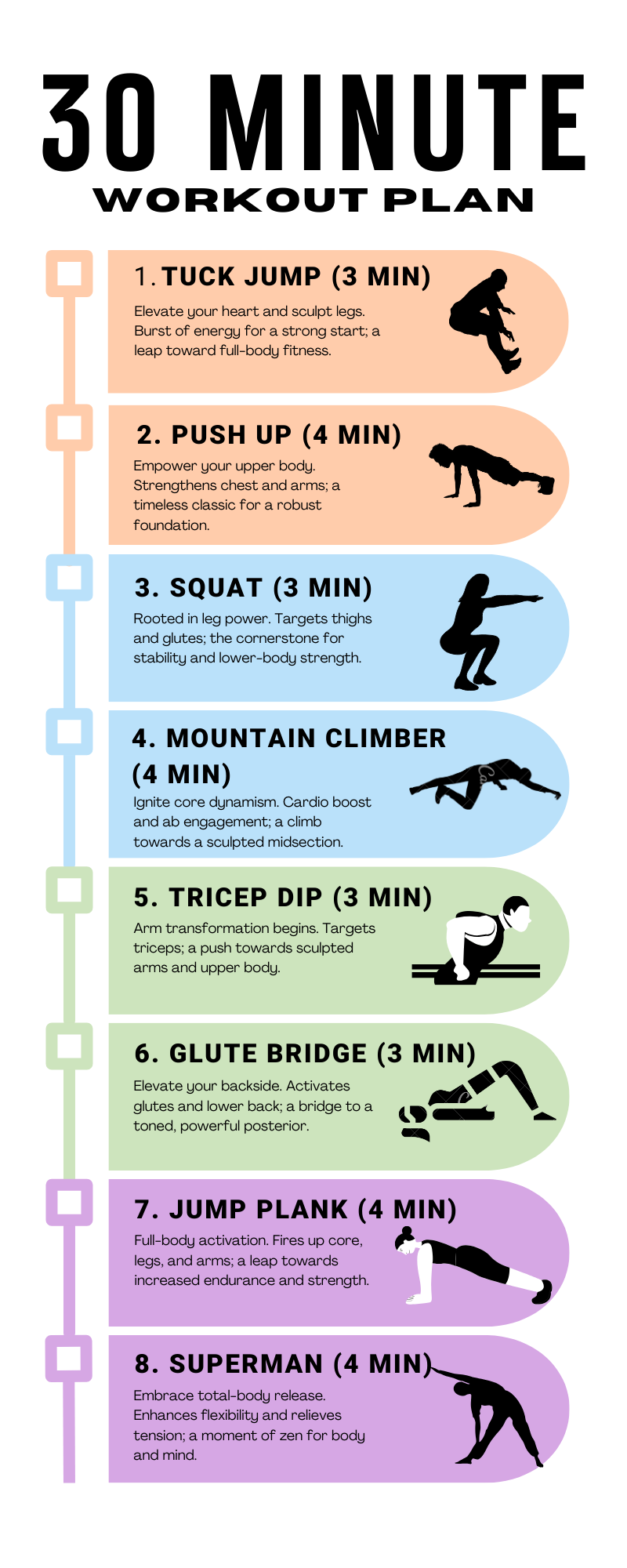
Credit: greensafaris.com
Key Crossfit Movements
Mastering key Crossfit movements is essential to build a strong foundation and avoid injury. These movements combine strength, endurance, and technique. Focusing on them will help you progress faster and enjoy your workouts more.
Basic Lifts
Basic lifts form the core of Crossfit strength training. They include movements like the squat, deadlift, and overhead press.
Each lift targets multiple muscle groups, improving your overall power. For example, the squat works your legs, core, and back simultaneously.
When you first start, focus on perfecting your form rather than lifting heavy weights. Proper technique reduces injury risk and builds confidence.
Bodyweight Exercises
Bodyweight exercises are great for building functional strength without needing equipment.
Common moves are push-ups, pull-ups, and air squats. These exercises improve your control and mobility.
They also teach you to use your own body as resistance. Have you noticed how mastering a strict pull-up feels like a real achievement? That’s the kind of progress you can expect.
Cardio Components
Crossfit workouts often include cardio to boost your endurance and stamina.
Running, rowing, and jump rope are popular choices. These exercises push your heart rate up and improve recovery.
Adding short bursts of cardio challenges your body differently than steady-state exercise. Can you handle the intensity of a quick sprint after heavy lifting? That’s where Crossfit tests your limits.
Setting Realistic Goals
Setting realistic goals is the cornerstone of a successful beginner CrossFit workout plan. Without clear and achievable targets, it’s easy to lose motivation or push yourself too hard, risking injury. Your goals should challenge you but still be within reach, helping you build confidence and momentum as you progress.
Short-term Targets
Short-term targets keep your focus sharp and your progress steady. These goals might include mastering basic movements like air squats or completing a workout without stopping. Setting weekly or bi-weekly targets helps you celebrate small wins and stay engaged.
Ask yourself: What can I realistically improve in the next two weeks? Maybe add 5 more reps, or shave 30 seconds off your workout time. These small steps add up and make your bigger goals feel more manageable.
Long-term Progress
Long-term progress is about where you want to be in a few months or even a year. Think about increasing your strength, improving your endurance, or learning complex lifts like the clean and jerk. These goals guide your overall training plan and keep you moving forward.
Visualize your future self and what CrossFit skills will look like then. Setting a timeline for these goals turns vague desires into clear plans. What milestones will show you that you’re moving in the right direction?
Tracking Improvements
Tracking your improvements is essential to see how far you’ve come. Keep a workout journal or use an app to record weights, reps, and times. This data helps you identify what’s working and where you need to adjust your plan.
Review your logs regularly and celebrate personal bests, no matter how small. Are you consistently improving your technique or endurance? Tracking turns your efforts into measurable success and keeps motivation high.

Credit: play.google.com
Sample Weekly Workout Plan
Creating a balanced workout routine is crucial when starting CrossFit. This sample weekly workout plan guides you through different training aspects to build strength, improve endurance, and enhance overall fitness. Each day focuses on a specific goal, helping you stay motivated and avoid burnout.
Day 1: Strength Focus
Start your week by lifting weights to build muscle and power. Focus on basic moves like squats, deadlifts, and bench presses. Use moderate weights with proper form—aim for 3 to 4 sets of 8 to 10 reps.
Think about how much stronger you want to get in a month. Can you challenge yourself to add a little weight each week without sacrificing technique?
Day 2: Cardio And Endurance
Boost your heart health with cardio workouts. Try running, rowing, or cycling for 20 to 30 minutes at a steady pace. Alternatively, complete a high-intensity interval training (HIIT) session with short bursts of effort followed by rest.
Notice how your breathing and stamina improve after just a few sessions? Push yourself, but listen to your body.
Day 3: Rest And Recovery
Rest days are as important as workout days. Use this time to let your muscles repair and prevent injuries. Avoid intense activity but stay lightly active with gentle walking or household chores.
Have you ever skipped rest and noticed your performance drop? Don’t underestimate the power of recovery.
Day 4: Skill Practice
Focus on mastering CrossFit techniques like double-unders, kipping pull-ups, or handstand holds. Spend 20 to 30 minutes drilling these skills to build coordination and confidence.
What skill have you been avoiding? Tackling it now will pay off in your workouts and boost your progress.
Day 5: Full-body Wod
Put all your training together with a Workout of the Day (WOD). Combine movements like burpees, kettlebell swings, and box jumps in a circuit. Aim for 3 rounds with minimal rest to challenge your entire body.
Feel the energy spike as you finish? That’s the mix of strength and endurance CrossFit is known for.
Day 6: Active Recovery
Engage in low-intensity activities such as swimming, yoga, or a leisurely bike ride. This helps increase blood flow without stressing your muscles. Keep it easy and enjoyable.
Have you tried active recovery before? It can reduce soreness and speed up your next workout.
Day 7: Mobility And Stretching
Dedicate time to improving flexibility and joint health. Use foam rolling and dynamic stretches focusing on hips, shoulders, and ankles. Spend at least 20 minutes on this to improve your movement quality.
How flexible are you right now? Investing time here often leads to better performance and fewer injuries.
Nutrition Tips For Beginners
Nutrition plays a key role in Crossfit success, especially for beginners. Eating the right foods fuels workouts and aids recovery. Proper nutrition improves energy, strength, and overall performance. Simple and balanced meals help the body adapt and grow stronger.
Pre-workout Meals
Eating before exercise gives energy for intense workouts. Choose foods rich in carbohydrates and moderate protein. Avoid heavy or greasy meals that may cause discomfort. Ideal options include:
- Oatmeal with banana
- Whole grain toast with peanut butter
- Greek yogurt with berries
- A small smoothie with fruit and protein
Eat about 30 to 60 minutes before training for best results.
Post-workout Recovery
After training, the body needs nutrients to repair muscles. Focus on protein and carbohydrates to restore energy and support muscle growth. Good post-workout foods are:
- Grilled chicken with rice and vegetables
- Protein shake with a banana
- Eggs with whole grain bread
- Cottage cheese and fruit
Try to eat within 30 to 60 minutes after exercise for faster recovery.
Hydration Essentials
Water is vital for Crossfit workouts. It keeps muscles working and prevents fatigue. Drink water before, during, and after training. Signs of dehydration include tiredness and dizziness. Aim to drink at least 8 cups of water daily. For longer or intense sessions, add electrolytes to stay balanced.
Avoiding Common Mistakes
Starting Crossfit is exciting, but common mistakes can slow your progress or cause injury. Knowing what to avoid helps you stay safe and get stronger without setbacks. Let’s look at key pitfalls and how to steer clear of them.
Overtraining Risks
Pushing yourself too hard too soon is a frequent mistake. It’s tempting to jump into every workout, but your body needs time to build endurance and strength.
Watch for signs like persistent soreness, fatigue, and irritability. These often signal overtraining, which can lead to injury or burnout.
Try this: schedule rest days and listen closely to how your body feels each day. Can you perform the workout without struggling? If not, dial back intensity or volume.
Improper Form
Focusing on speed or weight over technique can be dangerous. I once rushed through a squat and ended up with knee pain for weeks.
Crossfit is full of complex moves that need precise form to avoid injury and get the most benefit. Don’t hesitate to ask a coach for help or watch slow-motion videos to learn proper movements.
- Start with lighter weights or just bodyweight.
- Break down each movement into smaller steps.
- Practice consistently before adding intensity.
Neglecting Recovery
Recovery is not optional—it’s part of your workout plan. Skipping rest can stall gains and increase your injury risk.
Make time for sleep, hydration, and stretching. Even simple foam rolling can reduce muscle tightness and speed recovery.
Ask yourself: Are you giving your muscles enough time to repair before hitting the gym again? If not, your progress might be slower than it should.
Tracking Progress And Staying Motivated
Tracking your progress and staying motivated are key to making consistent gains in your beginner CrossFit workout plan. Without clear markers of improvement, it’s easy to lose sight of how far you’ve come. Keeping tabs on your achievements not only fuels your drive but also helps you adjust your workouts to match your growing strength and skills.
Using Fitness Apps
Fitness apps can be powerful tools to track your workouts and progress. They let you log exercises, reps, and weights, so you can see improvements over time. Many apps also offer reminders and tips, which keep you on schedule and improve your technique.
Try apps like WODify or Beyond the Whiteboard, designed specifically for CrossFit. They provide detailed analytics and let you compare your performance with other users. Seeing your numbers improve, even in small steps, can be a huge motivator to keep pushing.
Setting Milestones
Breaking your fitness journey into smaller goals makes progress feel more manageable. Instead of focusing solely on the end goal, set milestones like mastering a new movement or increasing your lifting weight by 5 pounds. These checkpoints give you a sense of achievement regularly.
Write your milestones down and celebrate when you hit them. This could be as simple as treating yourself to a rest day or a healthy meal you enjoy. What small goal can you set this week that will make your next workout easier or more fun?
Finding Community Support
Having a community around you can make a huge difference in your motivation levels. CrossFit gyms often foster a supportive atmosphere where members encourage each other. Sharing your goals and progress with others creates accountability and makes workouts more enjoyable.
Look for local CrossFit groups or online forums where beginners share their stories and tips. You might find a workout buddy or someone to cheer you on. How might your progress change if you had someone to celebrate the wins and push you through the tough days?
Frequently Asked Questions
What Is A Beginner Crossfit Workout Plan?
A beginner CrossFit workout plan introduces foundational exercises with scaled intensity. It focuses on building strength, endurance, and proper form safely.
How Often Should Beginners Do Crossfit Workouts?
Beginners should start with 3 to 4 workouts per week. This frequency allows recovery and gradual fitness improvement without injury risk.
What Equipment Do I Need For Beginner Crossfit?
Basic equipment includes dumbbells, kettlebells, jump rope, and a pull-up bar. Most workouts can be adapted with minimal gear.
How Long Is A Typical Beginner Crossfit Session?
Sessions usually last 45 to 60 minutes. This includes warm-up, workout, and cool-down, ensuring effective and safe training.
Conclusion
Starting CrossFit can feel tough, but small steps help. Stick to the plan and practice often. Your strength and skills will grow with time. Rest well and eat healthy to support your workouts. Remember, everyone began as a beginner once.
Enjoy the process and celebrate each gain. Keep moving forward, and you will see results. CrossFit can become a fun part of your life. Just stay patient and keep trying every day.







