
Struggling to find time for both work and fitness? You’re not alone.
Juggling a busy career and maintaining an active lifestyle can feel like a tightrope walk. But what if you could manage both seamlessly? Imagine transforming your hectic schedule into a well-balanced routine where work and fitness go hand in hand, enhancing not only your productivity but also your overall well-being.
You’ll discover practical tips designed to fit your lifestyle, helping you stay active without sacrificing your work commitments. Ready to unlock the secrets to a healthier, more balanced life? Let’s dive in!
Credit: health.clevelandclinic.org
Time Management Strategies
Finding time for fitness amid a busy work schedule can feel like a puzzle. The key lies in managing your time smartly to fit physical activity naturally into your day. Small adjustments in how you plan and use your hours can make a big difference in staying active consistently.
Prioritizing Fitness In Your Schedule
Fitness should have a clear spot on your daily agenda, not just be an afterthought. Treat your workout like an important meeting you cannot miss. Block out specific times for exercise and protect that time just like any other commitment.
Ask yourself: What times of the day do you feel most energetic? Scheduling workouts during those periods increases your chances of sticking to them. If mornings work best, wake up 30 minutes earlier. If evenings are your time, make it non-negotiable.
Effective Daily Planning
Plan your day with fitness in mind by writing down your tasks and workout goals. Use simple tools like a planner or phone calendar to visualize your time. Seeing your day mapped out helps you spot free slots for activity.
Break down your workout into manageable chunks if long sessions seem impossible. Ten-minute bursts of exercise scattered throughout your day add up. This approach keeps you flexible and less overwhelmed.
Using Breaks For Quick Workouts
Work breaks offer golden opportunities to move your body. Instead of scrolling through your phone, try quick workouts like stretching, jumping jacks, or a brisk walk. These short bursts boost your energy and focus for the next work task.
Keep simple equipment like resistance bands or a yoga mat at your desk. This makes it easier to jump into a workout without extra preparation. Have you tried turning your breaks into mini fitness sessions yet?

Credit: www.goodrx.com
Incorporating Exercise At Work
Finding ways to exercise during work hours helps keep the body active and mind sharp. Small movements break long sitting periods and boost energy. Simple routines at the desk or in meetings can improve fitness without leaving the office.
Desk Exercises And Stretching
Desk exercises prevent stiffness and improve circulation. Stretching the neck, shoulders, and back eases tension from sitting. Try these easy moves:
- Neck rolls: Slowly turn your head side to side.
- Shoulder shrugs: Lift shoulders up, then relax down.
- Seated leg lifts: Raise one leg straight, hold, then switch.
- Wrist stretches: Extend arm, pull fingers gently backward.
These take just a few minutes and refresh your body.
Walking Meetings And Active Breaks
Walking meetings replace sitting talks with steps. They increase blood flow and clear the mind. Use breaks to move around the office or outside. Short walks help reduce stress and improve focus. Try these ideas:
- Walk while discussing ideas with coworkers.
- Take stairs instead of the elevator.
- Use break time for a quick hallway stroll.
Active breaks recharge your body and improve productivity.
Using Office Equipment For Fitness
Office items can double as exercise tools. Chairs, walls, and desks support different workouts. Examples include:
- Chair squats: Stand and sit repeatedly without using hands.
- Wall push-ups: Lean on a wall and push your body away.
- Desk planks: Place forearms on the desk and hold a plank pose.
These exercises strengthen muscles without special gear.
Choosing Efficient Workouts
Choosing workouts that fit your busy schedule is essential for maintaining fitness without burnout. Efficient workouts save you time and maximize results. They help you stay consistent, which is the real key to progress.
High-intensity Interval Training
High-Intensity Interval Training (HIIT) packs a lot of work into a short time. You alternate between intense bursts of exercise and brief rest periods, keeping your heart rate up.
In just 20 minutes, you can burn more calories than in a 40-minute steady-state workout. I started doing HIIT three times a week and noticed my stamina improve without spending hours at the gym. Have you tried pushing yourself for short periods instead of long, steady sessions?
Short But Effective Routines
Short routines can be surprisingly powerful when planned well. Even 10 to 15 minutes can make a difference if you focus on compound movements that engage multiple muscle groups.
Think about exercises like squats, push-ups, and planks. These moves give you more bang for your buck in less time. Could squeezing in a quick routine during your lunch break help you stay active every day?
Combining Strength And Cardio
Combining strength and cardio in one session saves time and boosts overall fitness. Circuit training is a great way to do this—you move from one exercise to another with little rest.
For example, alternate between kettlebell swings and jump rope. This keeps your heart pumping while building muscle. When you mix these two types of training, do you feel more energized throughout your day?
Staying Motivated And Consistent
Staying motivated and consistent is key to balancing work and fitness. Regular exercise improves energy and reduces stress. Yet, keeping up a workout routine can be tough with a busy schedule. Small habits and smart strategies help maintain focus and build lasting fitness habits.
Setting Realistic Goals
Set clear and achievable fitness goals. Avoid aiming too high too soon. Break big goals into smaller, manageable steps. For example, start with 10 minutes of daily exercise. Gradually increase time and intensity. Realistic goals keep you encouraged and reduce burnout risk.
Tracking Progress
Keep track of your workouts and improvements. Use a journal, app, or calendar to note activities and duration. Seeing progress boosts motivation and shows what works best. Celebrate small wins like extra reps or longer sessions. Tracking builds a sense of accomplishment and commitment.
Finding A Workout Buddy
Exercise with a friend or colleague. A workout buddy adds fun and support. You stay accountable to each other. Meet for walks, gym sessions, or online workouts. Sharing goals and challenges makes fitness more enjoyable. Together, you push harder and stay consistent.
Nutrition And Recovery Tips
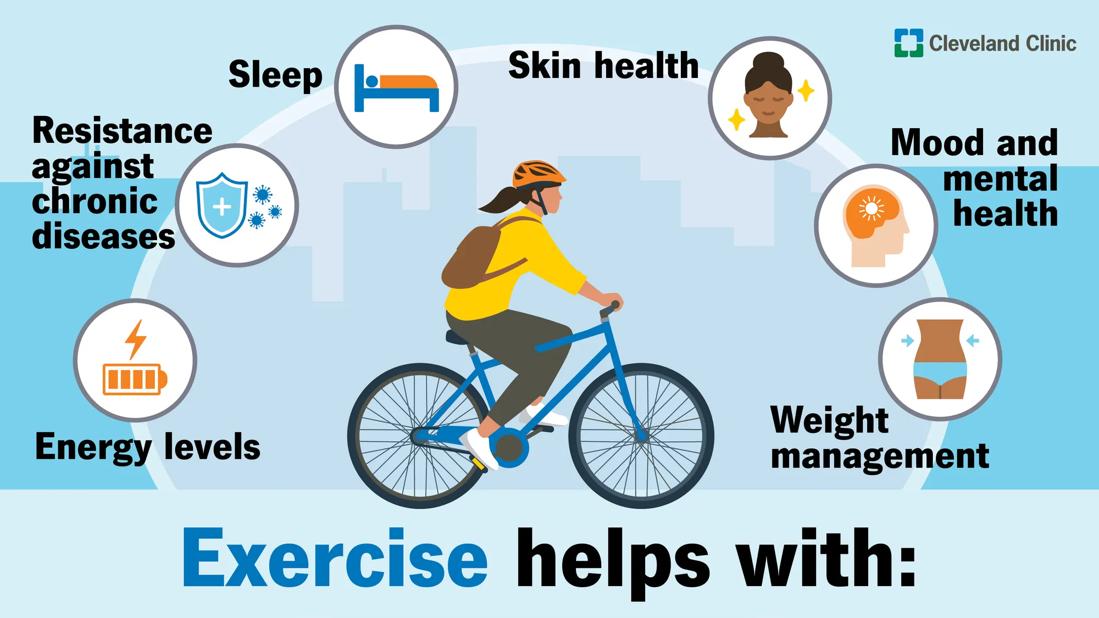
Balancing work and fitness demands more than just exercise. Nutrition and recovery play a vital role in staying active and healthy. Proper fuel and rest help the body perform well and recover faster. Understanding these tips will improve energy levels and support fitness goals.
Healthy Meal Planning
Planning meals ahead saves time and boosts nutrition. Focus on balanced meals with proteins, carbs, and healthy fats. Include colorful vegetables and fruits for vitamins and minerals. Avoid processed foods and sugary snacks that cause energy crashes. Small, frequent meals keep metabolism steady throughout the day.
Hydration At Work
Water keeps the body functioning well and aids muscle recovery. Drink water regularly, even if you don’t feel thirsty. Keep a water bottle on your desk as a reminder. Limit sugary drinks and caffeine that can dehydrate you. Proper hydration improves focus and physical performance.
Importance Of Rest And Sleep
Rest is essential for muscle repair and mental clarity. Aim for 7 to 9 hours of sleep each night. Create a bedtime routine to improve sleep quality. Avoid screens and heavy meals before sleeping. Good rest reduces fatigue and lowers stress, helping you stay active during work hours.
Credit: health.clevelandclinic.org
Overcoming Common Challenges
Balancing work and fitness presents many challenges that can disrupt your routine. Fatigue, stress, and travel often stand in the way of staying active. Facing these obstacles with simple strategies helps maintain a healthy lifestyle. Small changes make a big difference.
Dealing With Fatigue
Feeling tired after work is common but manageable. Prioritize sleep to restore energy. Short naps boost alertness without affecting nighttime rest. Light exercise like stretching or walking increases blood flow and reduces tiredness. Avoid heavy meals late in the day to prevent sluggishness. Keep hydration levels up for better energy.
Managing Stress
Stress drains motivation to exercise. Use physical activity to relieve tension. Activities like yoga or deep breathing calm the mind. Schedule workouts as breaks from work tasks. Focus on enjoyment, not intensity, to keep stress low. Consistent movement improves mood and productivity.
Staying Active During Travel
Travel disrupts exercise routines easily. Pack workout clothes to encourage movement. Use hotel gyms or nearby parks for quick sessions. Bodyweight exercises require no equipment and save time. Walking or cycling explores new places while staying fit. Plan short, frequent workouts instead of long sessions.
Frequently Asked Questions
How Can I Balance Work And Fitness Daily?
Balancing work and fitness requires planning and prioritizing. Schedule workouts like meetings. Choose quick, effective exercises. Use breaks for short activity bursts. Consistency is key to staying active despite a busy workday.
What Are Easy Fitness Tips For Busy Professionals?
Busy professionals should focus on short workouts, like 10-15 minute HIIT sessions. Take walking meetings, use stairs, and stretch regularly. Small lifestyle changes boost activity and improve overall fitness without needing extra time.
How Do I Stay Motivated To Exercise After Work?
Set realistic goals and track progress. Find enjoyable activities and workout buddies. Reward yourself for milestones. Remember, exercise boosts energy and reduces stress, making it easier to maintain motivation after a long workday.
Can I Combine Work Tasks With Physical Activity?
Yes, try standing desks, walking during calls, or desk exercises. Multitasking with light activity reduces sedentary time and improves focus. Small movements throughout the day contribute to overall fitness and health.
Conclusion
Balancing work and fitness takes small, steady steps each day. Choose activities you enjoy to stay motivated. Set simple goals and keep track of your progress. Use breaks at work to stretch or walk a bit. Remember, staying active helps your mind and body feel better.
Even short workouts can make a big difference. Make fitness a part of your daily routine. Stay consistent, and you will see results over time. Your health is worth the effort and care. Keep moving forward, one step at a time.







