
Are you wondering how much weight you can expect to lose with a gastric sleeve? If you’re considering this surgery, knowing the average results can help you set realistic goals and stay motivated.
You might be curious about what’s typical and what factors can affect your success. This article will guide you through the average weight loss after gastric sleeve surgery and what it means for your health and lifestyle. Keep reading to discover the facts that can empower your journey toward a healthier you.
What Is Gastric Sleeve Surgery
Gastric sleeve surgery is a common weight loss procedure. It helps people reduce their stomach size. This surgery limits food intake and promotes feeling full faster. It is a popular choice for those struggling with obesity.
What Happens During Gastric Sleeve Surgery?
The surgeon removes about 80% of the stomach. The remaining stomach is shaped like a sleeve or tube. This smaller stomach holds less food. It also reduces hunger hormones, lowering appetite.
Who Can Benefit From Gastric Sleeve Surgery?
People with a body mass index (BMI) over 40 are good candidates. Those with a BMI between 35 and 40 with health problems also qualify. This surgery suits individuals who tried diet and exercise without success.
How Does Gastric Sleeve Surgery Help Weight Loss?
- Reduces stomach volume to limit food intake
- Decreases hunger by cutting hunger hormone levels
- Promotes healthier eating habits due to smaller portions
Recovery And Lifestyle Changes After Surgery
Recovery usually takes a few weeks. Patients follow a special diet starting with liquids. Gradually, they reintroduce soft and solid foods. Regular exercise and healthy eating are essential for success.
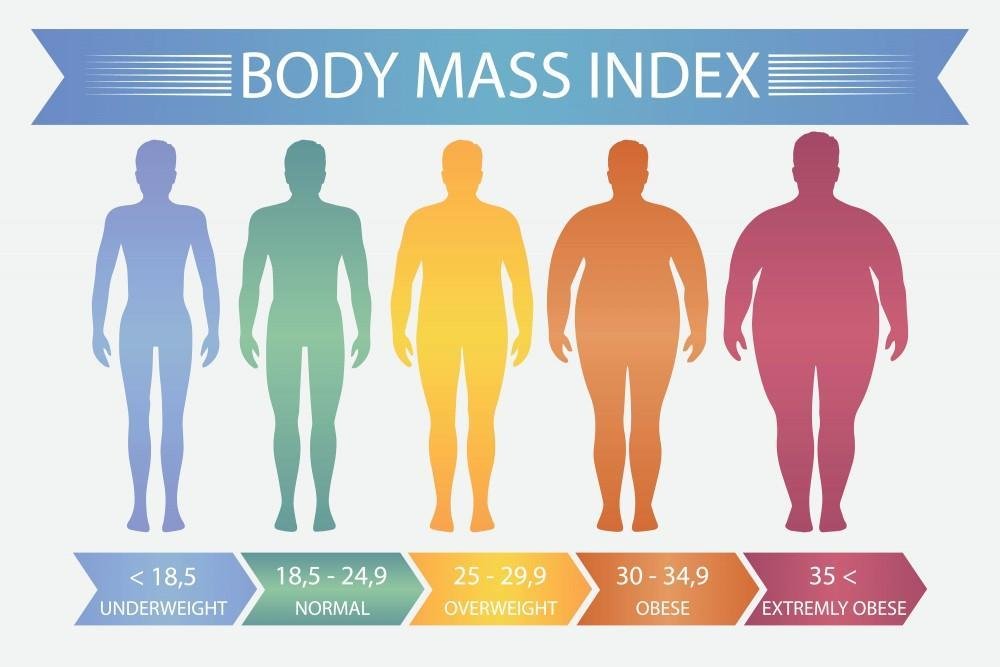
Credit: bariatricsurgerymalaysia.com
Typical Weight Loss Timeline
The typical weight loss timeline after gastric sleeve surgery varies from person to person but generally follows a recognizable pattern. Understanding what to expect at different stages helps you stay motivated and track your progress realistically. Let’s look at the common milestones many patients experience during their weight loss journey.
First Month Results
The first month after surgery is crucial and often shows the most dramatic changes. You may lose around 10-15% of your excess body weight during this period. This rapid loss happens because your stomach size is significantly reduced, and you’re adjusting to a new way of eating.
It’s normal to experience fluctuations in how much you lose week to week. Some days you might feel lighter, and other days, the scale might stall. Are you paying attention to how your energy levels and mood improve alongside the numbers on the scale?
Three To Six Months Progress
Between three to six months, weight loss continues but at a steadier pace. Most patients lose about 50-60% of their excess weight by this time. The initial excitement may fade, but this phase tests your commitment to lifestyle changes.
You’ll start noticing real differences in your clothing sizes and physical stamina. This period is a great time to set new fitness goals or try activities you avoided before surgery. How are you adapting your daily habits to maintain this progress?
One Year Milestone
By the one-year mark, many patients reach 60-70% of their excess weight loss. This milestone reflects not just surgical success but your dedication to long-term health. You may feel healthier and more confident, but sustaining these results requires ongoing effort.
Some people hit a plateau around this time, which can be frustrating. If this happens, consider adjusting your diet or exercise routine rather than giving up. What small changes can you make today to keep moving forward?
Factors Influencing Weight Loss
The journey of weight loss with a gastric sleeve isn’t a one-size-fits-all experience. Various factors can significantly influence how much weight you may lose and how quickly. Understanding these factors can help set realistic expectations and pave the way for a successful transformation.
Age And Gender
Your age and gender play a crucial role in determining weight loss after gastric sleeve surgery. Younger individuals often see faster results due to a typically higher metabolism. However, this doesn’t mean older adults can’t succeed; they might just experience a slower pace.
Gender can also influence outcomes. Women and men store fat differently and this affects how quickly they may shed pounds post-surgery. Have you noticed how some friends seem to lose weight effortlessly, while others struggle? That’s age and gender at play.
Pre-surgery Weight
Those with a higher starting weight often experience more dramatic initial weight loss. This is because losing a percentage of body weight from a larger base results in a higher number of pounds lost. If you’re at the heavier end of the spectrum, prepare for a potentially more noticeable change.
But, keep in mind, the journey doesn’t stop at initial success. Consistency in lifestyle changes is key to maintaining weight loss long-term.
Lifestyle Changes
The surgery sets the stage, but your daily habits will dictate your success. Are you ready to commit to regular exercise and a healthier diet? These changes are crucial in maximizing the benefits of your surgery.
Consider small, sustainable changes rather than drastic overhauls. Could swapping soda for water or taking the stairs instead of the elevator make a difference? Absolutely!
Metabolism
Metabolism is the engine driving your weight loss journey. A faster metabolism can burn more calories even at rest. But what if your engine runs a bit slower?
Don’t worry—simple adjustments can help. Regular exercise, adequate sleep, and a balanced diet can all rev up your metabolic rate, helping you achieve your weight loss goals.
Expected Average Weight Loss
Understanding the expected average weight loss after a gastric sleeve surgery can help you set realistic goals and stay motivated. Weight loss varies from person to person, but there are common patterns that many patients experience. Let’s look at the typical range of weight loss you might expect.
Percentage Of Excess Weight Lost
Most patients lose between 60% to 70%of their excess weight within the first 12 to 18 months after surgery. This means if you have 100 pounds of excess weight, you could expect to lose around 60 to 70 pounds. Some people even reach up to 80%, but this depends on factors like diet, exercise, and metabolism.
It’s important to remember that weight loss slows down after the first year. Are you prepared to maintain your new lifestyle to keep the weight off? Consistency is key beyond the initial rapid loss phase.
Pounds And Kilograms Lost
To put percentages into perspective, most patients lose between 50 to 100 pounds (23 to 45 kilograms)during the first year after their gastric sleeve surgery. Some may lose more, especially if they start with a higher body weight.
Remember, losing 50 pounds is a huge achievement that can improve your health dramatically. How will shedding this weight change your daily life and confidence? Visualizing this can help you stay focused.
Common Challenges And Plateaus
Facing challenges and plateaus during your weight loss journey with gastric sleeve surgery is common. These moments can feel frustrating, but they offer important clues about your body’s changing needs. Understanding what causes these hurdles can help you push through and keep progressing toward your goals.
Understanding Why Plateaus Happen
Your body adjusts to weight loss by slowing down metabolism, which can stall progress. After the initial rapid loss, your calorie needs decrease because you weigh less. This means the same eating and exercise habits might not work as effectively anymore.
Have you noticed your weight staying the same despite sticking to your plan? This is your body’s way of seeking balance, not failure. Recognizing this helps you stay motivated and adapt your routine.
Common Challenges Beyond Plateaus
- Emotional Eating:Stress or boredom can trigger cravings, making it hard to stick to your eating plan.
- Food Tolerance Changes:After surgery, certain foods might upset your stomach, limiting your options and variety.
- Exercise Barriers:Physical discomfort or lack of energy can reduce activity levels, slowing weight loss.
These challenges are real and personal. One person shared how emotional triggers led them to snack late at night, stalling their progress. Identifying your own triggers lets you find healthier ways to cope.
Strategies To Overcome Plateaus And Challenges
Adjust your calorie intake carefully—reducing portions slightly or choosing lower-calorie foods can restart weight loss. Adding new types of exercise, like strength training, helps build muscle and boost metabolism.
Tracking your food and emotions daily highlights patterns you might miss. Have you tried journaling your meals and feelings? This simple habit can reveal hidden obstacles.
Don’t hesitate to seek support from your healthcare team or support groups. Sharing experiences with others who understand your journey can provide new ideas and motivation.

Credit: barilife.com
Tips For Maximizing Results
Maximizing weight loss after gastric sleeve surgery requires focus and commitment. Small changes in daily habits lead to better results. Healthy routines support your body’s healing and weight loss goals.
Following these tips helps maintain steady progress and improves overall well-being.
Dietary Habits
Eat small, frequent meals to avoid stretching the stomach. Choose nutrient-rich foods like lean proteins, vegetables, and fruits. Avoid sugary drinks and high-fat foods that slow weight loss. Drink plenty of water, but not during meals to prevent fullness.
Chew food slowly and stop eating when full. This prevents discomfort and supports digestion.
Exercise Routine
Start with light activities such as walking to build stamina. Gradually increase intensity with strength training and cardio workouts. Exercise boosts metabolism and preserves muscle during weight loss. Find activities you enjoy to stay motivated over time.
Consistency is key. Aim for at least 150 minutes of moderate exercise weekly.
Follow-up Care
Attend all medical appointments to monitor progress and health. Regular check-ins help catch potential issues early. Work closely with your healthcare team for personalized advice. Track weight loss and adjust plans based on feedback.
Support groups or counseling can help with emotional challenges after surgery.
Real Patient Success Stories
Real patient success stories offer powerful insights into what you might expect after a gastric sleeve procedure. These stories reveal the challenges and triumphs behind the numbers, showing how average weight loss translates into real life. Reading about others’ journeys can help you set realistic goals and prepare mentally for your own transformation.
How Sarah Lost 100 Pounds In A Year
Sarah’s journey started with a weight of 320 pounds. After her gastric sleeve surgery, she lost about 100 pounds in 12 months. She credits her success to sticking with a strict diet and regular walking. Sarah’s experience shows that consistent effort after surgery is key to reaching your weight goals.
Have you thought about how small daily habits might support your weight loss?
Mark’s Story: Overcoming Plateaus
Mark lost 80 pounds in the first six months but then hit a plateau. Instead of giving up, he adjusted his meal plans and added strength training. This change helped him lose an additional 20 pounds over the next few months. His story highlights how staying flexible and adjusting your plan can keep you moving forward.
What changes could you make if your progress slows down?
Emily’s Experience With Emotional Eating
Emily struggled with emotional eating even after surgery. She found that joining a support group helped her handle cravings and stay on track. With emotional support and counseling, she lost 90 pounds over 10 months. Emily’s story emphasizes the importance of mental health in your weight loss journey.
Are you prepared to seek help for emotional challenges that may arise?
When To Seek Medical Advice
Knowing when to seek medical advice after your gastric sleeve surgery is crucial for your safety and long-term success. While weight loss is the primary goal, certain symptoms or concerns should never be ignored. Staying alert to changes in your health can prevent complications and keep you on track.
Signs Of Infection Or Complications
Watch for symptoms like fever, severe abdominal pain, or redness and swelling around your incision sites. These could indicate an infection that needs prompt medical attention. Don’t hesitate to contact your doctor if you notice these signs, even if they seem minor.
Unusual Or Persistent Symptoms
If you experience ongoing nausea, vomiting, or difficulty swallowing, you should seek advice immediately. These symptoms might suggest a blockage or narrowing in your stomach. Early intervention can save you from more serious problems down the line.
Unexpected Weight Loss Patterns
Are you losing weight too quickly or not at all? Sudden changes in your weight loss rate can be a red flag. Discuss these concerns with your healthcare provider to adjust your plan and ensure you’re losing weight safely.
Emotional And Mental Health Concerns
Weight loss surgery affects more than just your body. If you find yourself struggling with depression, anxiety, or overwhelming stress, reach out for professional help. Your emotional well-being is just as important as your physical health in this journey.
Nutrition And Hydration Issues
Feeling weak, dizzy, or experiencing constant fatigue? These may be signs of nutritional deficiencies or dehydration. A quick check-up can help you get back on track with vitamins, minerals, and fluids.

Credit: www.reddit.com
Frequently Asked Questions
What Is The Average Weight Loss After Gastric Sleeve Surgery?
Most patients lose about 60-70% of their excess body weight within 12-18 months post-surgery. Results vary based on lifestyle changes and adherence to dietary guidelines. Long-term success depends on maintaining healthy habits and regular follow-ups with healthcare providers.
How Quickly Do Patients Lose Weight After Gastric Sleeve?
Weight loss is most rapid in the first 6 months, often around 10-15 pounds per month. After this phase, weight loss slows and stabilizes. Consistent diet and exercise play a crucial role in sustaining this progress over time.
Can Weight Loss Vary After Gastric Sleeve Surgery?
Yes, weight loss varies depending on individual metabolism, lifestyle, and commitment to diet. Some patients may lose weight faster, while others experience a gradual reduction. Regular medical support improves outcomes and helps manage any challenges during the journey.
Is Weight Regain Common After Gastric Sleeve Surgery?
Weight regain can occur if lifestyle changes are not maintained. Patients who follow recommended diet and exercise plans have lower chances of regaining weight. Ongoing support and behavior modification are essential to sustain long-term weight loss success.
Conclusion
Gastric sleeve surgery helps many people lose weight safely. Most patients lose about 60% of extra weight in one year. The results depend on following diet and exercise plans. Small changes make a big difference over time. This surgery supports a healthier lifestyle and better habits.
Weight loss is steady but needs patience and care. Success comes from commitment and support from doctors. The journey improves health and quality of life. Many feel happier and more confident after weight loss.







