
Are you tired of crowded gyms and hefty membership fees? Imagine sculpting your dream physique right in the comfort of your own home.
Yes, it’s possible! At-home workouts aren’t just convenient—they’re a powerful way to build serious muscle without stepping outside your door. Picture yourself gaining strength, feeling more energized, and seeing real results all while working out on your schedule. This isn’t just a workout routine; it’s a lifestyle change that puts you in control.
Ready to discover how you can transform your body without the gym? Let’s dive into the ultimate guide to at-home workouts that will help you build muscle efficiently and effectively.
Benefits Of At Home Muscle Building
Building muscle at home offers many benefits. It saves time and money while giving you control over your workouts. You can stay consistent without the need for gym visits. The comfort of your home creates a relaxed workout environment. This flexibility helps you fit exercise into a busy schedule. Muscle building at home also allows privacy for beginners. You can focus on form and progress at your own pace.
Cost-effective Muscle Building
At home workouts reduce expenses on gym memberships. You avoid travel costs and extra fees. Basic equipment can be affordable or even homemade. Bodyweight exercises require no equipment at all. This makes muscle building accessible to almost everyone.
Flexible Workout Schedule
No fixed gym hours limit your training time. You choose when to exercise, day or night. This flexibility fits well with work or family duties. Short, frequent sessions improve muscle growth. You avoid missing workouts due to time conflicts.
Privacy And Comfort
Working out at home removes gym anxiety. You can try new exercises without feeling self-conscious. Comfort of familiar surroundings boosts confidence. This helps beginners stay motivated and consistent. No waiting for machines or sharing space.
Customizable Exercise Routines
Design workouts that match your goals and level. Adapt exercises easily as you progress. No pressure to follow gym crowd trends. Focus on muscle groups that need the most work. Experiment with different routines without restrictions.
Improved Consistency And Discipline
Home workouts encourage regular exercise habits. Easy access reduces excuses for skipping sessions. Consistent training leads to better muscle growth. Building discipline at home carries over to other life areas. You develop a strong fitness routine.
Essential Equipment For Home Workouts
Building muscle at home can be highly effective with the right tools. You don’t need a gym full of machines, but having some essential equipment helps you push harder and see results faster. Choosing what to add to your workout space depends on your goals, space, and budget.
Dumbbells
Dumbbells are versatile and perfect for targeting almost every muscle group. You can start with a light set and gradually increase the weight as you get stronger. I remember adding adjustable dumbbells to my home gym—it made a huge difference in my workout variety and progress.
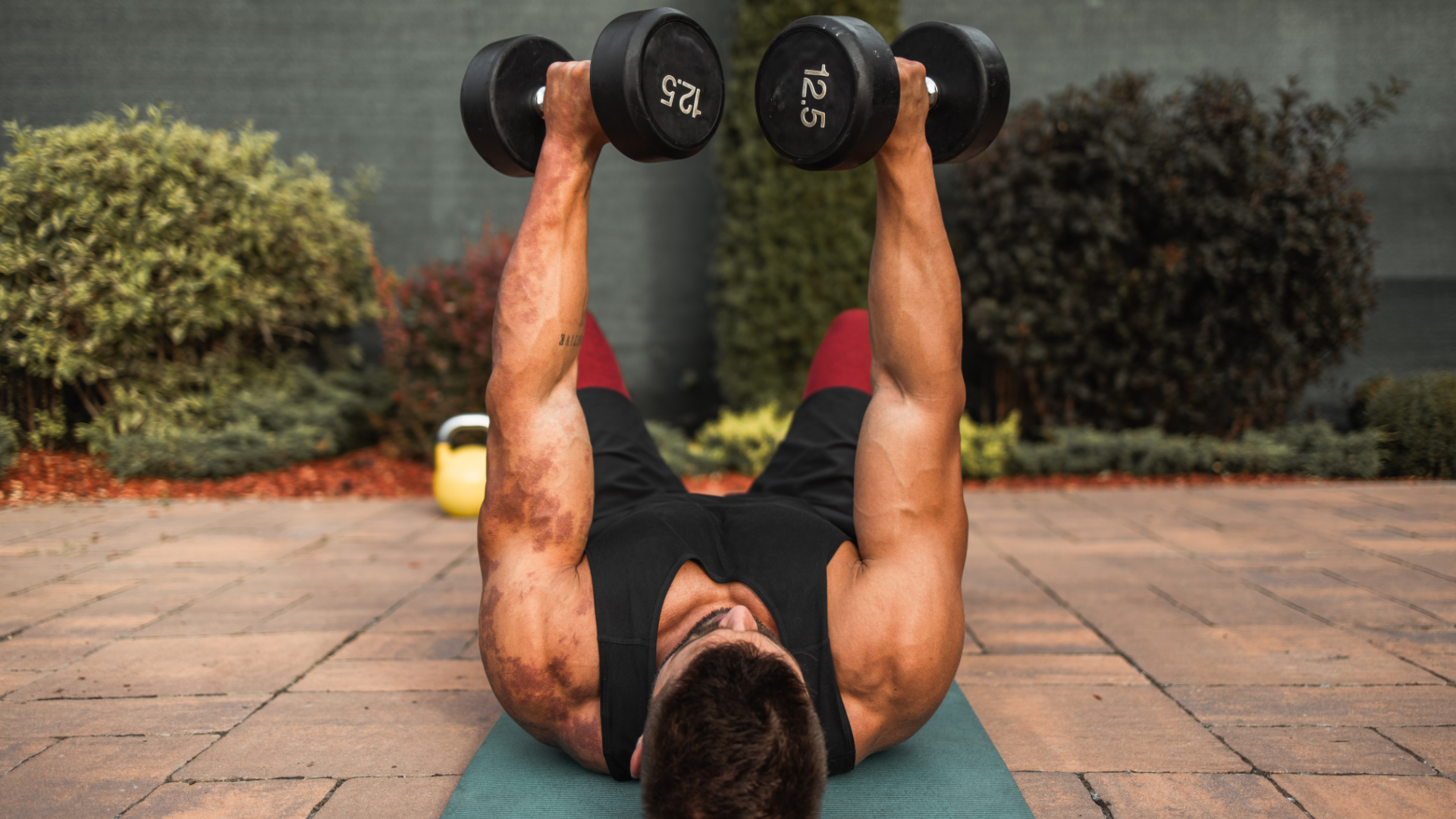
They allow you to perform exercises like bicep curls, shoulder presses, and chest flies. With dumbbells, you can easily control your range of motion and challenge your muscles effectively.
Resistance Bands
Resistance bands are affordable and take up very little space. They come in different tension levels, so you can adjust the difficulty as you improve. Using bands helped me break through plateaus, especially on days when heavy weights weren’t an option.
These bands add resistance during movements such as squats, rows, and lateral raises. They also help improve flexibility and stability, which is crucial for building muscle safely.
Pull-up Bar
A pull-up bar is a simple but powerful piece of equipment to build upper body strength. It targets your back, biceps, and shoulders in ways free weights can’t always match. I found that installing a pull-up bar at home made it easier to fit in quick, intense workouts.
Pull-ups and chin-ups are excellent for muscle growth and functional strength. If you can’t do a pull-up yet, many bars allow you to attach resistance bands for assistance.
Adjustable Weight Bench
An adjustable bench opens up many workout options by allowing you to perform exercises at different angles. It supports movements like bench presses, step-ups, and seated shoulder presses. I noticed that having a bench helped me focus better on form and target muscles more precisely.
Choosing one that can incline, decline, and lay flat gives you flexibility for varied workouts. It’s a worthwhile investment if you want to expand beyond basic bodyweight and dumbbell exercises.
Kettlebells
Kettlebells combine strength training with cardio and improve your grip strength. Their unique shape challenges your muscles in dynamic ways that traditional weights don’t. Adding kettlebell swings and goblet squats added a new level of intensity to my routine.
They are great for building power and endurance simultaneously. Kettlebells also allow you to perform compound movements that engage multiple muscle groups at once.
Bodyweight Exercises For Strength
Bodyweight exercises are a powerful way to build muscle without needing any equipment. They let you focus on strength and control, helping you develop muscle evenly. Plus, you can do them anywhere, which makes staying consistent easier than ever.
Push-up Variations
Push-ups are a classic move that target your chest, shoulders, and triceps. But sticking to just the standard push-up can get boring fast. Try mixing it up with variations like:
- Diamond Push-Upsto focus more on your triceps.
- Wide Push-Upsto hit the chest differently.
- Decline Push-Upsby elevating your feet to add more challenge.
Changing your hand placement or angle shifts the load, making your muscles work harder. Have you ever noticed how a small tweak in your form can suddenly make a move feel completely different?
Squat And Lunge Moves
Your legs hold some of the biggest muscles in your body, so targeting them helps build overall strength. Squats and lunges are perfect for this, and you don’t need weights to make them tough.
- Bodyweight Squatswith a slow descent improve muscle control.
- Jump Squatsadd explosive power and help build fast-twitch muscle fibers.
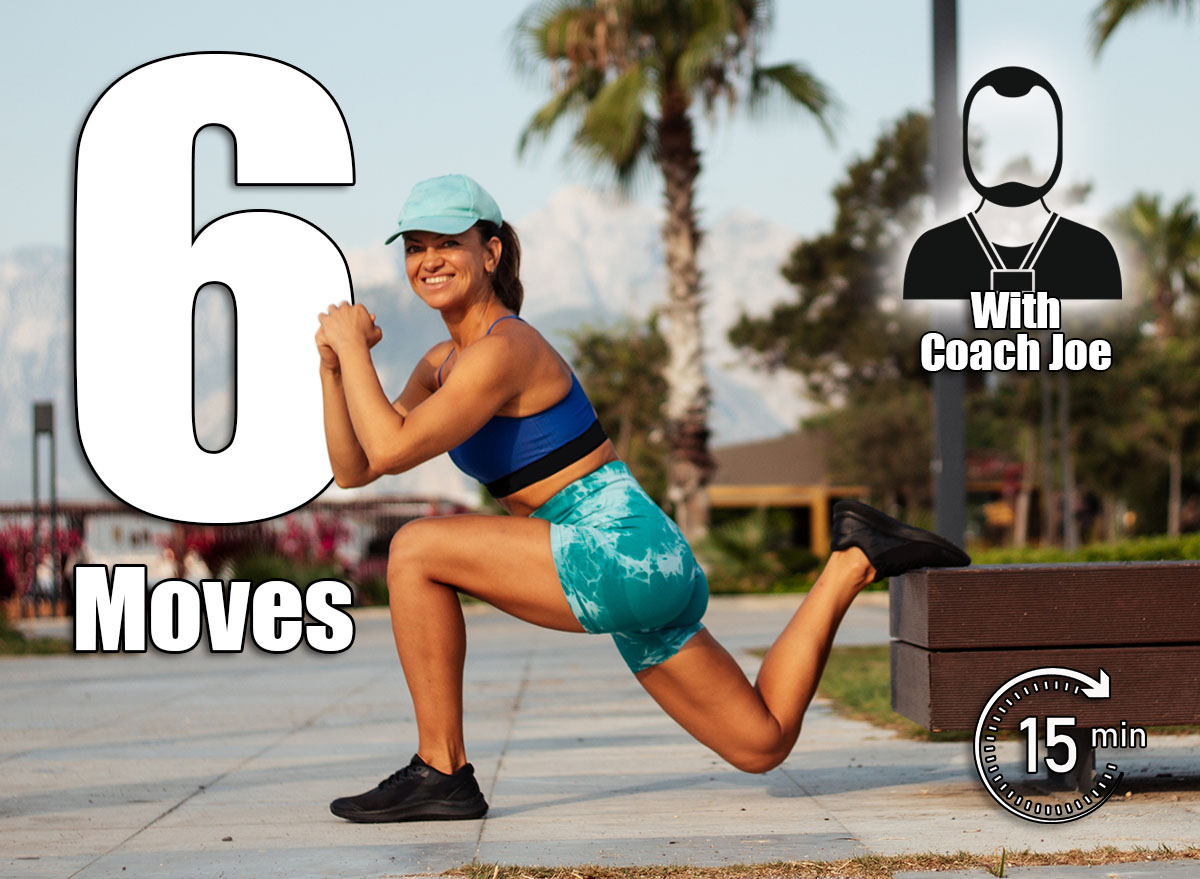
- Walking Lungestarget your glutes, quads, and hamstrings simultaneously.
Try focusing on form over speed. When you slow down, your muscles have to work harder to maintain balance. How slow can you go while still keeping perfect posture?
Core Strength Exercises
Building a strong core is key for overall muscle strength and injury prevention. You can hit your abs and lower back effectively with just your bodyweight.
- Plankschallenge your entire core and improve endurance.
- Leg Raisestarget the lower abs, which are often neglected.
- Bicycle Crunchesengage both your abs and obliques for balanced core strength.
Don’t rush through these moves. Holding a plank or controlling a leg raise forces your muscles to stay engaged. How long can you hold your plank before your form starts to slip?
Credit: www.eatthis.com
Using Resistance Bands Effectively
Resistance bands offer a simple way to build muscle at home. They provide steady tension to muscles, improving strength and tone. Bands are versatile and easy to use for many exercises. Proper technique helps prevent injury and maximizes results.
Choose bands with different resistance levels to match your strength. Start with lighter bands and increase resistance as you get stronger. Focus on slow, controlled movements to engage muscles fully. Use a full range of motion for each exercise. Keep your core tight and posture correct throughout your workout.
Upper Body Routines
- Bicep curls: Stand on the band, hold handles, curl arms up.
- Shoulder presses: Step on band, press handles overhead slowly.
- Chest presses: Anchor band behind, push handles forward like a push-up.
- Tricep extensions: Hold band overhead, stretch it by straightening arms.
- Rows: Anchor band in front, pull handles toward your waist.
Lower Body Workouts
- Squats: Stand on band, hold handles at shoulders, squat deeply.
- Leg lifts: Tie band around ankles, lift leg sideways or backward.
- Glute bridges: Place band above knees, lift hips while pushing knees out.
- Lunges: Step on band with front foot, hold handles, lunge down.
- Hamstring curls: Anchor band, loop around ankle, curl heel toward butt.
Full Body Circuits
- Squat to shoulder press: Squat with band, then press arms overhead.
- Deadlift to row: Stand on band, bend hips down, then pull handles back.
- Lunge with bicep curl: Lunge forward while curling handles upward.
- Chest press to tricep extension: Press forward, then extend arms overhead.
- Mountain climbers with band: Wrap band around feet, drive knees forward fast.
Dumbbell Workouts To Build Muscle
Dumbbell workouts offer a flexible way to build muscle at home. They target many muscle groups with simple equipment. These exercises improve strength, tone, and endurance. Dumbbells let you adjust weight for your fitness level. They also help maintain good form and balance.
Arm And Shoulder Exercises
- Bicep curls: Lift dumbbells to strengthen your arms.
- Tricep kickbacks: Extend your arms backward to tone triceps.
- Shoulder presses: Push dumbbells overhead to build shoulder muscles.
- Lateral raises: Raise dumbbells to your sides for shoulder definition.
Leg And Glute Moves
- Goblet squats: Hold a dumbbell at chest level while squatting.
- Deadlifts: Use dumbbells to work hamstrings and glutes.
- Lunges: Step forward with dumbbells to strengthen legs and glutes.
- Glute bridges: Place dumbbell on hips while lifting hips off the floor.
Combination Movements
- Squat to press: Squat down then press dumbbells overhead.
- Renegade rows: In plank position, row dumbbells to work core and back.
- Lunge with bicep curl: Combine lunges with arm curls.
- Deadlift to upright row: Lift dumbbells from floor and pull to chest level.
Designing A Weekly Workout Plan
Designing a weekly workout plan at home helps build muscle effectively. A good plan keeps your body balanced and avoids overuse injuries. It also sets clear goals for each workout session. Planning workouts in advance helps track progress and stay motivated. A structured week allows enough time for muscle growth and repair.
Balancing Muscle Groups
Train all major muscle groups evenly to prevent imbalances. Focus on chest, back, legs, shoulders, and arms throughout the week. Avoid working the same muscles two days in a row. This helps muscles recover and grow stronger. Use exercises targeting different areas, like push-ups for chest and rows for back.
- Day 1: Chest and triceps
- Day 2: Back and biceps
- Day 3: Legs and shoulders
- Day 4: Rest or light activity
This split allows balanced muscle development and prevents fatigue.
Rest And Recovery Days
Rest days are crucial for muscle growth. Muscles repair and grow stronger during recovery. Skipping rest can lead to injury and slow progress. Include at least one or two rest days each week. Use these days for stretching or light walking to stay active. Listen to your body’s signals to avoid overtraining.
Nutrition Tips For Muscle Growth
Nutrition plays a crucial role in building muscle at home. Without the right fuel, your hard work during workouts might not show the results you want. Paying attention to what you eat can boost muscle growth and improve recovery, helping you reach your goals faster.
Protein Intake And Timing
Protein is the building block of muscle. Aim to eat a source of protein with every meal, such as chicken, eggs, beans, or tofu. Spreading your protein intake evenly throughout the day can help your muscles repair and grow more efficiently.
Have you tried eating protein right after your workout? Many find that a protein-rich snack within 30 minutes post-exercise speeds up muscle recovery and reduces soreness.
Carbohydrates For Energy And Recovery
Carbs give you the energy needed to power through tough home workouts. Choose complex carbs like sweet potatoes, brown rice, and oats to keep your energy steady. After exercise, eating carbs helps refill your muscle’s glycogen stores, so you feel ready for the next session.
Think about pairing your protein with a good carb source after training—this combo supports muscle repair and refuels your body efficiently.
Healthy Fats And Hormone Support
Don’t skip healthy fats—they play a key role in hormone production, including testosterone, which is important for muscle growth. Include sources like avocados, nuts, seeds, and olive oil in your diet. These fats also help keep your joints healthy and reduce inflammation.
How often do you check that your meals contain a good fat source? Small adjustments here can make a big difference in your progress.
Hydration And Muscle Function
Water is often overlooked but vital for muscle function and growth. Staying hydrated helps transport nutrients to your muscles and flushes out toxins. Aim to drink water consistently throughout the day, not just during workouts.
Try keeping a water bottle nearby during your home workout to remind yourself to sip regularly.
Micronutrients And Muscle Health
Vitamins and minerals support many processes in your body, including muscle contraction and repair. Focus on eating a variety of colorful vegetables and fruits to cover your micronutrient needs. Iron, magnesium, and vitamin D are particularly important for muscle health.
If you suspect you’re not getting enough of these nutrients, a simple blood test can reveal any gaps that might be holding your muscle growth back.

Credit: www.youtube.com
Tracking Progress And Staying Motivated
Tracking progress and staying motivated are key to building muscle at home. Seeing results keeps you focused and encourages you to keep going. Without tracking, it is easy to lose sight of goals and stop exercising.
Simple tracking methods help measure strength, endurance, and muscle growth. Motivation grows as you notice improvements. Small rewards and clear goals make workouts more enjoyable and consistent.
Setting Clear And Measurable Goals
Set specific goals for each workout. For example, aim to do 15 push-ups or hold a plank for 30 seconds. Write down these goals and update them weekly. This creates a clear path and helps track improvements.
Using A Workout Journal Or App
Keep a journal or use a fitness app to record exercises, sets, and reps. Note how you feel after each workout. Tracking progress this way shows growth over time. It also highlights areas that need more focus.
Celebrating Small Wins
Recognize even small achievements. Did you add one more rep or increase weight? Celebrate these moments. They boost confidence and make workouts feel rewarding. Small wins build momentum for bigger goals.
Staying Consistent With A Routine
Create a workout schedule and stick to it. Consistency helps build muscle faster. Plan workouts on specific days and times. This turns exercise into a habit rather than a chore.
Finding Support And Encouragement
Share your goals with friends or family. Join online groups focused on home workouts. Support from others keeps motivation high. Encouragement helps push through tough days and stay committed.
Credit: www.t3.com
Frequently Asked Questions
What Are The Best At Home Workouts To Build Muscle?
Bodyweight exercises like push-ups, squats, lunges, and planks effectively build muscle at home. Resistance bands and dumbbells enhance strength training. Combining these with proper form and consistent routines maximizes muscle growth without gym equipment.
How Often Should I Do At Home Muscle Workouts?
Aim for 3 to 5 workout sessions per week. Rest days are important for muscle recovery and growth. Consistency and gradual intensity increase help achieve better muscle-building results at home.
Can I Build Muscle Without Weights At Home?
Yes, bodyweight exercises can build muscle effectively. Push-ups, pull-ups, and squats target major muscle groups. Using resistance bands or household items can add extra challenge for muscle growth.
How Long Does It Take To See Muscle Growth At Home?
Visible muscle growth usually appears after 6 to 8 weeks of consistent training. Results depend on workout intensity, nutrition, and recovery. Patience and dedication are key to building muscle at home.
Conclusion
Building muscle at home is simple and effective. You need only space, time, and focus. Bodyweight exercises and small weights work well. Consistency matters more than fancy equipment. Keep your workouts regular and increase intensity slowly. Rest and eat well to help muscles grow.
Stay patient; results come with steady effort. Your home can be your gym. Start today and enjoy the progress.







