
Are you ready to build stronger, more defined arms? Whether you want to boost your confidence, improve your strength, or simply look great in sleeveless shirts, the right arm workout routine can make all the difference.
You’ll discover simple, effective exercises that fit your schedule and deliver real results. Keep reading, and you’ll learn how to transform your arms step by step—no confusing jargon, just clear guidance that works for you. Don’t settle for average; it’s time to take your arm training to the next level.
Benefits Of Strong Arms
Strong arms do more than just look good—they play a crucial role in your daily life and overall fitness. Building arm strength can boost your physical abilities, improve how you look, and help keep injuries at bay. Are you ready to discover how your arms can make a real difference?
Improved Physical Performance
Strong arms give you more power for everyday tasks like lifting groceries, carrying kids, or moving furniture. They also help with sports and workouts by improving your grip, pushing, and pulling abilities.
Think about how much easier it is to open heavy doors or climb stairs when your arms feel strong and reliable. That extra strength can even increase your endurance during activities that seem arm-intensive, like rowing or swimming.
Enhanced Aesthetic Appeal
Defined arms contribute significantly to a balanced and fit appearance. Toned muscles can boost your confidence when wearing sleeveless shirts or tank tops.
Strong arms aren’t just about size; they create shape and improve your posture, making you look taller and more poised. Have you noticed how just a few weeks of arm workouts can change how you feel in your clothes?
Injury Prevention
Building strong arms supports your joints and reduces the risk of strains or sprains during physical activity. Your muscles act as shock absorbers, protecting bones and tendons from stress.
Strong arms also help maintain proper body mechanics, which lowers the chances of common injuries in the wrists, elbows, and shoulders. Are you protecting your arms enough to avoid pain and setbacks?
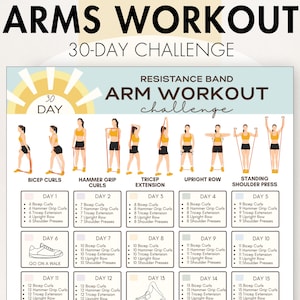
Credit: www.etsy.com
Key Muscles To Target
Building strong arms means focusing on the right muscles. Targeting key muscles helps improve strength and shape. Each muscle group plays a unique role in arm movement and appearance.
Knowing these muscles guides your workout plan. It ensures balanced growth and avoids injury.
Biceps
The biceps are the muscles at the front of your upper arm. They help bend the elbow and rotate the forearm. Strong biceps improve lifting and pulling power. Common exercises include curls and chin-ups.
Triceps
Triceps are at the back of the upper arm. They straighten the elbow and support pushing movements. Well-developed triceps create arm thickness and strength. Exercises like pushdowns and dips focus on this muscle.
Forearms
Forearms control wrist and hand movements. They help grip and carry objects. Training forearms improves overall arm function and endurance. Wrist curls and farmer’s walks are effective for this area.
Essential Arm Exercises
Building strong and toned arms requires focus on key muscle groups. Essential arm exercises target the biceps, triceps, and forearms. Balanced workouts improve strength and appearance. These exercises suit all fitness levels and help prevent injuries.
Bicep Curls Variations
Bicep curls work the front of the upper arm. Variations keep workouts interesting and effective. Use dumbbells, barbells, or resistance bands. Try hammer curls to engage different muscles. Concentration curls help isolate the biceps for better growth.
Tricep Dips And Extensions
Triceps make up most of the upper arm muscle. Dips use body weight to strengthen triceps and shoulders. Perform dips on parallel bars or a bench. Tricep extensions stretch and contract the muscle fully. Use dumbbells or cables for controlled movement.
Forearm Strengtheners
Strong forearms improve grip and arm endurance. Wrist curls build forearm muscles and prevent injury. Reverse curls work the opposite side of the forearm. Farmer’s walks develop grip and overall arm strength. Include these for balanced arm development.
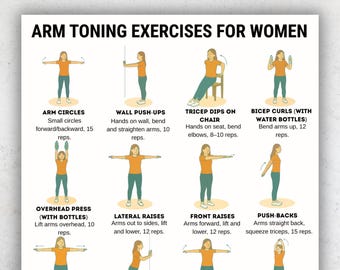
Credit: www.etsy.com
Designing Your Workout Plan
Designing your arm workout plan sets the foundation for effective muscle growth and strength. A clear plan helps you stay focused and track progress. It balances effort and rest to avoid injury and burnout.
Choosing The Right Weight
Select a weight that challenges your muscles but allows good form. Too light will not build strength. Too heavy may cause injury or poor technique. Aim for a weight that lets you complete your reps with effort.
Repetitions And Sets
Repetitions are how many times you do an exercise in one go. Sets are groups of repetitions with breaks between. For muscle growth, aim for 8 to 12 reps per set. Do 3 to 4 sets per exercise. Adjust reps based on your strength and goals.
Rest And Recovery
Muscles need time to repair and grow after workouts. Rest between sets should be 30 to 90 seconds for arm exercises. Take at least one full day off between arm workouts. Proper sleep and nutrition also help recovery.
Tips For Maximizing Results
Maximizing results in your arm workout routine goes beyond just lifting weights. Paying attention to how you perform exercises, gradually increasing challenge, and fueling your body properly can make a huge difference. Let’s look at practical ways to ensure your efforts translate into real gains.
Proper Form And Technique
Using proper form is crucial for targeting the right muscles and avoiding injury. Focus on slow, controlled movements rather than rushing through reps. For example, during bicep curls, keep your elbows close to your body and avoid swinging the weights.
Have you noticed that your arms feel sore in the wrong spots after a workout? That’s usually a sign your form needs adjustment. Recording yourself or working with a trainer can help you spot mistakes you might not feel.
Progressive Overload
Your muscles need to be challenged consistently to grow stronger. This means gradually increasing the weight, reps, or sets over time. If you lifted 15 pounds last week, try 17 pounds this week or add a couple more reps.
But don’t rush. Increasing too fast can cause injury or burnout. Instead, track your progress weekly and add small increments. Have you tried using a workout journal or app to keep yourself accountable?
Nutrition For Muscle Growth
Your muscles require fuel to repair and grow after workouts. Eating enough protein is key—aim for sources like chicken, fish, eggs, or plant-based options such as beans and lentils. Spreading protein intake across your meals supports steady muscle recovery.
Also, don’t forget about carbs and healthy fats. They provide energy and support hormone production, essential for muscle growth. Are you drinking enough water? Staying hydrated improves workout performance and recovery too.
Credit: www.gymshark.com
Common Mistakes To Avoid
A strong arm workout routine requires more than just lifting weights. Avoiding common mistakes helps you see better results and prevents injuries. Many people focus only on heavy lifting or skip important steps. This section highlights key errors to watch out for during your arm workouts.
Overtraining
Training your arms every day can cause strain and slow muscle growth. Muscles need time to recover and grow stronger. Overtraining leads to fatigue and increases injury risk. Aim for rest days between intense arm sessions. Quality beats quantity in muscle building.
Neglecting Other Muscle Groups
Focusing only on arms creates muscle imbalances. Strong arms need support from shoulders, back, and chest muscles. A balanced workout routine includes all upper body parts. Neglecting other groups can cause poor posture and limit strength gains.
Ignoring Warm-ups And Cool-downs
Skipping warm-ups makes muscles stiff and prone to injury. Warm-ups increase blood flow and prepare muscles for exercise. Cool-downs help reduce soreness and improve flexibility. Simple stretches before and after workouts support muscle health.
Sample Weekly Arm Routine
A well-structured arm workout routine helps build muscle and improve arm strength effectively. This sample weekly arm routine targets all major muscles in your arms. It balances strength, endurance, and recovery for steady progress. Follow this plan to see noticeable results and keep your workouts fresh.
Day 1: Strength Focus
Start with heavy weights and low repetitions. This day targets muscle growth and power.
- Barbell Bicep Curls – 4 sets of 6 reps
- Tricep Dips – 4 sets of 8 reps
- Hammer Curls – 3 sets of 6 reps
- Close-Grip Bench Press – 4 sets of 6 reps
- Concentration Curls – 3 sets of 8 reps
Day 2: Endurance And Toning
Use lighter weights and higher repetitions today. Focus on muscle definition and endurance.
- Alternating Dumbbell Curls – 3 sets of 15 reps
- Overhead Tricep Extensions – 3 sets of 15 reps
- Resistance Band Curls – 3 sets of 20 reps
- Tricep Kickbacks – 3 sets of 15 reps
- Wrist Curls – 3 sets of 20 reps
Day 3: Rest And Recovery
Rest is crucial for muscle repair and growth. Avoid heavy lifting today.
Light stretching or gentle yoga can help reduce soreness. Stay hydrated and eat protein-rich foods.
Frequently Asked Questions
What Are The Best Exercises For An Arm Workout Routine?
The best exercises include bicep curls, tricep dips, hammer curls, and push-ups. These target all major arm muscles for balanced strength and growth.
How Often Should I Do An Arm Workout Routine?
Aim to train your arms 2-3 times per week. Allow 48 hours of rest between sessions for muscle recovery and growth.
Can Arm Workouts Help Reduce Arm Fat Effectively?
Arm workouts tone muscles but don’t directly burn fat. Combine with cardio and a healthy diet for overall fat loss and leaner arms.
Should I Use Weights Or Bodyweight For Arm Workouts?
Both are effective. Weights build strength and size, while bodyweight improves endurance and tone. Mix both for a balanced routine.
Conclusion
Strong arms need regular training and good form. Stick to this arm workout routine to build strength and size. Rest well between sessions to help muscles grow. Eat healthy foods to support your workouts. Stay consistent, and results will come with time.
Enjoy the process and celebrate small gains. Keep pushing yourself, but listen to your body. This routine fits well into any fitness plan. You have the tools now—make the most of them.







