
Are you ready to unlock the secrets behind Andrew Huberman’s workout routine? You’re about to discover how this renowned neuroscientist and fitness enthusiast combines cutting-edge science with practical exercises to optimize both body and mind.
Imagine transforming your fitness regimen by tapping into the same principles that guide one of the most respected figures in neuroscience. This isn’t just another workout plan; it’s a holistic approach to fitness that could revolutionize how you train. Keep reading to find out how you can incorporate Andrew Huberman’s unique strategies into your own routine and elevate your performance to new heights.
Huberman’s Training Principles
Huberman’s Training Principlesfocus on optimizing both body and brain through a science-based workout routine. Andrew Huberman emphasizes the connection between physical exercise and neural function. His principles are designed to enhance performance, recovery, and mental clarity by targeting specific biological mechanisms.
Science Behind His Approach
Huberman’s workout routine is rooted in neuroscience and physiology. He prioritizes exercises that trigger beneficial hormonal and neural responses. Instead of just pushing hard every day, he stresses the importance of timing and type of movement to maximize results.
For example, he highlights how short, intense workouts increase dopamine levels, improving focus and motivation. This approach isn’t about working out endlessly but about working out smartly to influence brain chemistry positively.
Have you noticed how your mood shifts after different types of exercise? Huberman’s method helps you use those shifts to your advantage.
Focus On Neural Health
Andrew Huberman insists that neural health is key to long-term fitness success. His routine includes movements that promote neuroplasticity—the brain’s ability to adapt and grow. This means exercises aren’t just for muscles; they also stimulate your nervous system to function better.
He often recommends combining aerobic exercises with skill-based activities like balance training or controlled breathing. These practices increase blood flow to the brain and improve your mental resilience.
Think about your workout as a way to train both your body and your brain. How much attention do you give to exercises that improve your mental sharpness?
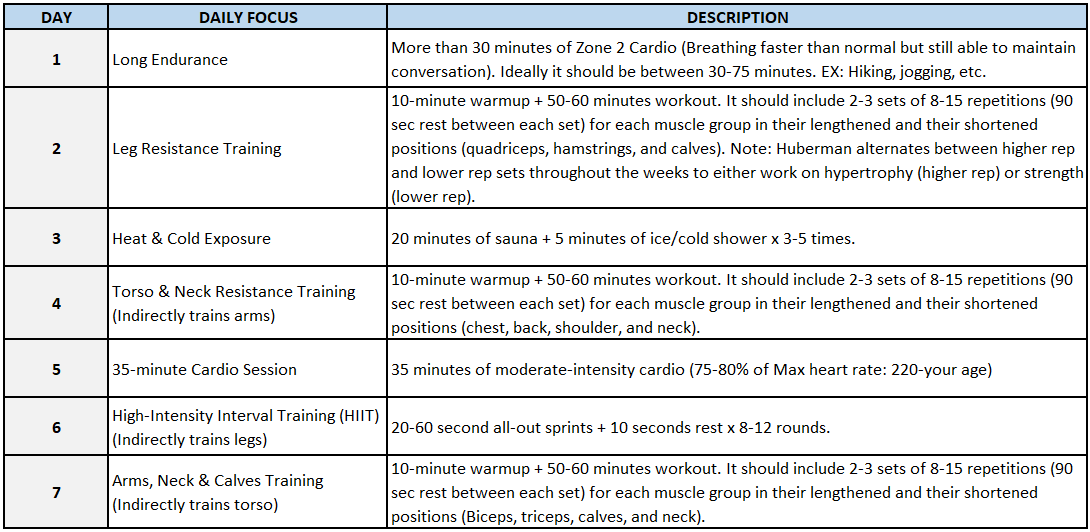
Credit: medium.com
Core Workout Components
Understanding the core workout components of Andrew Huberman’s routine can transform how you approach fitness. His method balances strength, mobility, and endurance to create a well-rounded program. Each element supports your body differently, helping you build resilience and maintain long-term health.
Strength Training Essentials
Huberman emphasizes building functional strength over just lifting heavy weights. Focus on compound movements like squats, deadlifts, and push-ups that engage multiple muscle groups at once.
Adding bodyweight exercises such as planks and pull-ups improves core stability and upper body strength. You don’t need fancy equipment to make progress—consistency matters more than complexity.
Have you tried mixing slow, controlled reps with explosive movements? This approach challenges your muscles in new ways, boosting both power and endurance.
Incorporating Mobility
Mobility isn’t about flexibility alone; it’s about moving through full ranges of motion without pain. Huberman suggests dedicating time to dynamic stretches and joint rotations before and after workouts.
Simple drills like hip circles, shoulder rolls, and ankle pumps enhance your movement quality. These small adjustments can prevent injuries and improve your performance in strength exercises.
Think about how often you pause to stretch during your day. Could adding short mobility sessions change how you feel and move?
Cardio And Endurance
Cardio in Huberman’s routine isn’t just about running miles. He encourages mixing steady-state sessions with high-intensity interval training (HIIT) to boost cardiovascular health efficiently.
Walking briskly, cycling, or short sprints can raise your heart rate and improve endurance without causing burnout. This variety keeps the routine interesting and sustainable.
How do you currently challenge your heart and lungs? Trying different cardio styles might reveal new energy levels and recovery speeds you didn’t expect.
Daily Routine Structure
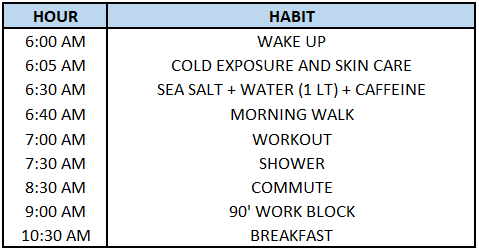
Andrew Huberman’s daily routine is designed to optimize your brain and body performance throughout the day. It balances activation, focus, and recovery to help you stay sharp and energized. Understanding how he structures his day can help you tailor your own routine for better results.
Morning Activation
Huberman starts his day with activities that jumpstart both mind and body. He prioritizes exposure to natural sunlight within 30-60 minutes of waking up to regulate his circadian rhythm. This simple habit boosts alertness and mood instantly.
He also includes light movement, like stretching or a brief walk, to get blood flowing without exhausting energy. You might try a few minutes of deep breathing or cold exposure to increase your wakefulness early on. How could shifting your morning habits impact your productivity?
Midday Focus Boost
Afternoon hours can be challenging for focus, so Huberman adds specific tools to maintain mental sharpness. He often uses controlled caffeine intake combined with hydration to enhance concentration without jitters. Timing caffeine around midday helps avoid sleep disruption later.
Engaging in brief, intense exercise sessions such as weightlifting or sprint intervals also recharges his brain. These bursts of activity increase dopamine and support cognitive function. Could a short workout break help you push through afternoon slumps?
Evening Recovery
Huberman emphasizes winding down with practices that support deep rest and muscle recovery. He avoids bright screens at least an hour before bedtime to allow melatonin production. This helps you fall asleep faster and improves sleep quality.
He includes gentle stretching or yoga to relax muscles and reduce tension built up during the day. Adding mindfulness or meditation calms the nervous system for better recovery. What changes in your evening routine might improve how well you rest?
Supplementing Workouts
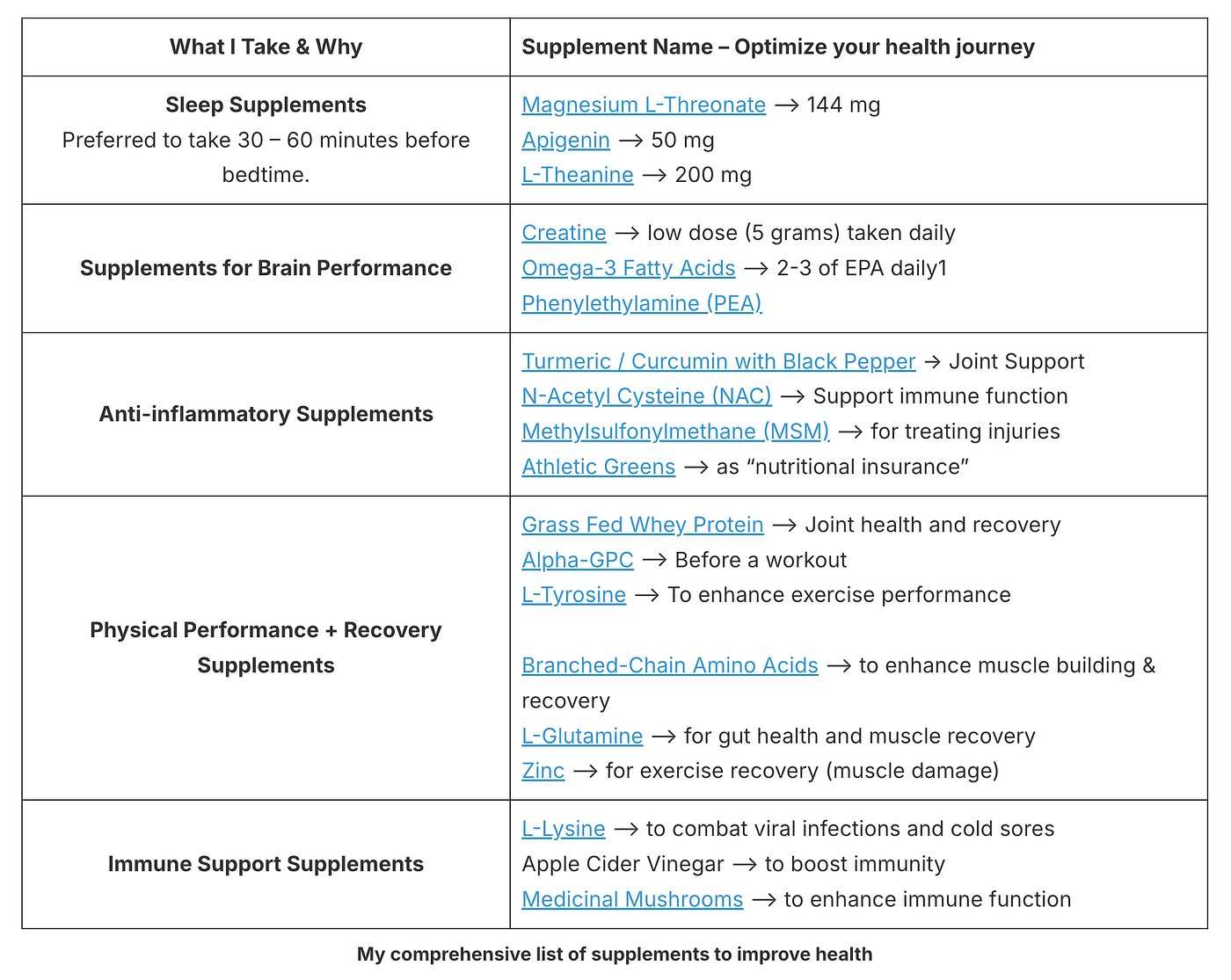
Supplementing workouts enhances results beyond exercise alone. It supports muscle growth, energy levels, and overall health. Andrew Huberman emphasizes the role of smart nutrition, effective recovery, and quality sleep for maximum performance. These elements work together to improve strength and mental focus.
Nutrition Tips
Fuel your body with the right nutrients. Focus on balanced meals with protein, healthy fats, and carbs. Protein helps repair muscles after workouts. Healthy fats support brain function and hormone balance. Carbs provide energy for intense training sessions.
- Eat lean meats, fish, eggs, and plant-based proteins
- Include avocados, nuts, and olive oil for healthy fats
- Choose whole grains, fruits, and vegetables for carbs and fiber
- Stay hydrated by drinking plenty of water throughout the day
Recovery Techniques
Recovery is key to progress. Without rest, muscles cannot rebuild. Huberman recommends active recovery, stretching, and cold exposure. Light movement helps blood flow and reduces soreness. Stretching improves flexibility and prevents injury. Cold exposure can lower inflammation and speed recovery.
- Try light walks or yoga on rest days
- Stretch major muscle groups after workouts
- Use ice baths or cold showers for 5-10 minutes
- Consider massages or foam rolling to ease tight muscles
Sleep Optimization
Sleep boosts muscle repair and mental clarity. Huberman stresses a consistent sleep schedule and a dark room. Avoid screens and bright lights before bed. Sleep helps regulate hormones and improves workout results. Aim for 7-9 hours of quality sleep every night.
- Go to bed and wake up at the same time daily
- Keep the bedroom cool and dark
- Limit caffeine and heavy meals before bedtime
- Use relaxation techniques like deep breathing to fall asleep
Mental Focus Strategies
Mental focus is a cornerstone of Andrew Huberman’s workout routine. It’s not just about physical strength but also about training your brain to stay sharp and present. The strategies he shares can help you maintain clarity and boost your performance during workouts and beyond.
Breathing Techniques
Huberman emphasizes breathing as a powerful tool to control your mental state. Deep, controlled breaths can calm your nervous system and sharpen your focus instantly.
Try the 4-7-8 technique: breathe in for 4 seconds, hold for 7, and exhale for 8. This simple pattern can reduce stress and increase concentration before or during exercise.
Have you noticed how your breathing changes when you’re stressed? Learning to regulate it can give you immediate control over your mental clarity.
Visual Focus Exercises
Visual focus drills are another key element Huberman highlights. These exercises train your eyes and brain to stay locked on a target, which helps reduce distractions.
One exercise is to pick a small object and keep your gaze fixed on it for 30 seconds without blinking much. This practice strengthens your ability to maintain attention.
Think about how often your mind wanders—training your eyes to focus can help anchor your thoughts, making your workouts more effective.
Mindfulness Integration
Mindfulness is more than meditation; it’s about being fully present in every moment of your workout. Huberman suggests briefly checking in with your thoughts and body throughout your routine.
This might mean noticing how your muscles feel during a lift or observing your breathing between sets. It helps you avoid auto-pilot mode and engage fully with your movements.
What if you paid attention to your body’s signals instead of rushing through reps? Mindfulness can enhance your workout quality and reduce injury risk.
Common Mistakes To Avoid
Understanding common mistakes helps improve your workout results. Andrew Huberman’s routine focuses on balance and smart training. Avoiding errors ensures steady progress and prevents injury. Pay close attention to these key points.
Overtraining Risks
Training too much can harm your body and mind. Overtraining leads to fatigue and weakens your immune system. Performance drops, and injury risk rises. Rest days are essential for muscle growth and energy recovery. Listen to your body and avoid pushing too hard.
Neglecting Recovery
Recovery is as important as the workout itself. Skipping rest can cause soreness and reduce strength gains. Use proper sleep, hydration, and nutrition to support recovery. Stretching and light activity help muscles heal faster. Balance training with recovery for best results.
Ignoring Neural Health
Neural health impacts movement, focus, and coordination. Ignoring it can slow progress and cause poor form. Include brain-boosting habits like meditation and proper breathing. Focus on exercises that improve mind-body connection. Protect your nervous system by avoiding stress and overexertion.
Tracking Progress Effectively
Tracking progress effectively is key to improving your workout routine. It helps you see what works and what needs change. Clear tracking boosts motivation and guides your efforts. Regular checks keep your workout aligned with your goals.
Performance Metrics
Use simple numbers to measure progress. Track weight lifted, reps completed, and sets done. Note how long you can hold a plank or run. Record rest times between sets. These numbers show strength and endurance gains.
Keep a workout journal or use a fitness app. Write down daily results and feelings after workouts. This helps identify patterns and improvements over time.
Adjusting Intensity
Change workout difficulty based on your tracked data. Increase weights or reps when exercises feel easy. Lower intensity if you feel too tired or sore. Balance challenge and recovery for steady progress.
Use the rate of perceived exertion (RPE) scale. Aim for moderate to hard effort most days. Listen to your body and adjust intensity accordingly.
Consistency Tips
- Set a regular workout schedule. Stick to specific days and times.
- Plan workouts ahead. Know which exercises to do each session.
- Track workouts to build habits. Seeing progress keeps motivation high.
- Rest well to avoid burnout. Recovery is part of consistency.
- Celebrate small wins to stay encouraged.
Credit: medium.com
Credit: medium.com
Frequently Asked Questions
What Is Andrew Huberman’s Workout Routine Focus?
Andrew Huberman’s workout routine emphasizes strength, mobility, and neurological health. He combines resistance training with breathwork to enhance physical and mental performance. His approach promotes long-term fitness and brain function, making workouts both efficient and sustainable.
How Often Does Andrew Huberman Train Weekly?
Andrew Huberman typically trains 4 to 5 times per week. He balances intense workouts with rest days to ensure recovery. Consistency and quality over quantity are key principles in his training schedule.
What Exercises Are Included In Huberman’s Workouts?
Huberman’s workouts include compound lifts like squats, deadlifts, and presses. He also incorporates bodyweight exercises and mobility drills. This mix supports overall strength, flexibility, and nervous system health.
Does Andrew Huberman Use Breathwork In Training?
Yes, breathwork is a vital part of Huberman’s routine. He uses controlled breathing to regulate stress and improve focus. Breathwork enhances workout efficiency and aids recovery.
Conclusion
Andrew Huberman’s workout routine focuses on balance and consistency. It blends strength, mobility, and recovery exercises well. Small daily efforts lead to steady progress over time. Staying patient and committed is key to success. This routine suits many fitness levels and goals.
Try it regularly to feel stronger and healthier. Your body will thank you for the care and effort. Keep moving, stay focused, and enjoy the journey ahead.







