
Unlocking the secrets to optimal health and fitness can be a daunting task. You might find yourself sifting through endless workout plans, each promising extraordinary results.
But what if you could follow a plan inspired by a renowned neuroscientist who understands the science of the body and mind? Enter the Andrew Huberman Workout Plan. Designed by Dr. Andrew Huberman, a leading figure in neuroscience, this plan is more than just a workout; it’s a science-backed approach to enhancing your physical and mental performance.
Imagine harnessing the power of neuroscience to elevate your workouts and achieve results you’ve only dreamed of. Curious to discover how this unique plan can transform your fitness routine? Let’s dive in and explore how Andrew Huberman’s insights can make a real difference for you.
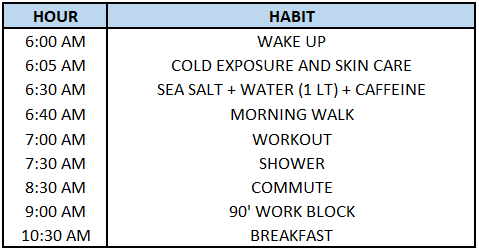
Credit: medium.com
Andrew Huberman Workout Principles
Andrew Huberman’s workout principles focus on more than just exercise. They blend science and practical steps to improve both body and brain. His approach helps build strength while supporting mental health and recovery.
Science Behind The Approach
Huberman bases his workout plan on neuroscience and physiology. He uses research to design exercises that boost brain function and physical health. The plan targets muscle growth and nervous system efficiency together.
He emphasizes how movement affects the brain’s plasticity. This means workouts can improve learning and mood. The science shows that physical activity changes brain circuits positively.
Focus On Nervous System
The nervous system controls all body movements and responses. Huberman’s workout focuses on training this system effectively. Exercises stimulate nerve signals, improving coordination and reflexes.
He includes drills that increase alertness and focus. This helps in both sports and daily activities. The workout avoids overloading the nervous system to prevent burnout.
Importance Of Recovery
Rest is a key part of Huberman’s workout plan. Recovery lets muscles heal and the nervous system reset. Without proper rest, performance and brain function decline.
He suggests specific recovery methods like controlled breathing and good sleep. These help reduce stress and improve repair processes. Recovery ensures steady progress and long-term health.
Credit: medium.com
Core Components Of The Workout
Andrew Huberman’s workout plan focuses on building a balanced and effective fitness routine. The core components target strength, endurance, and flexibility. Each part plays a vital role in overall health and performance.
Strength Training Techniques
Strength training in this plan uses controlled movements and proper form. Exercises include bodyweight routines and weight lifting. The goal is to build muscle steadily without causing injury. Huberman emphasizes compound movements like squats, deadlifts, and push-ups. These engage multiple muscle groups, improving efficiency. Short rest periods help maintain intensity and build endurance.
Cardio And Endurance
Cardio workouts boost heart health and stamina. Huberman suggests moderate-intensity sessions for at least 20 minutes. Activities like jogging, cycling, or brisk walking fit well. Interval training alternates between high and low intensity. This method improves aerobic and anaerobic capacity. Consistency is key for better endurance and energy levels.
Flexibility And Mobility
Flexibility and mobility exercises reduce injury risk and improve movement. Stretching routines focus on major muscle groups. Dynamic stretches prepare the body before workouts. Static stretches help muscles relax after exercise. Mobility drills enhance joint function and range of motion. These components support recovery and long-term fitness.
Daily Workout Structure
The daily workout structure of Andrew Huberman’s plan is designed to optimize both physical performance and mental clarity. It balances intensity with recovery, ensuring you stay consistent without burning out. Understanding how to organize your workout can change how you feel and perform throughout the day.
Warm-up Strategies
Huberman emphasizes warming up to prepare your body and mind for exercise. Instead of rushing through, spend at least 10 minutes on dynamic movements that increase your heart rate and loosen your joints.
- Start with light cardio like jogging or jumping jacks
- Add mobility drills targeting shoulders, hips, and ankles
- Include breathing exercises to boost oxygen flow and focus
Have you noticed how a proper warm-up improves your overall workout energy? It sets the tone and reduces injury risk.
Main Workout Sessions
The core of Huberman’s workout consists of focused strength and endurance exercises. He suggests alternating between compound lifts and bodyweight movements to build balanced strength.
- Squats, deadlifts, and presses for muscle engagement
- Push-ups, pull-ups, and planks to enhance core stability
- Short, high-intensity intervals to boost cardiovascular health
One surprising insight is how varying your exercise order can keep your nervous system engaged and avoid plateaus. How often do you change your workout routine to challenge yourself?
Cool-down And Stretching
Finishing your session with a cool-down helps your body recover faster. Huberman recommends a mix of static stretches and controlled breathing to lower your heart rate and relax your muscles.
- Hold stretches for major muscle groups for 20-30 seconds
- Focus on deep belly breathing to calm your nervous system
- Consider foam rolling to relieve muscle tightness
Many skip this part, but have you felt the difference in soreness or flexibility when you take the time to cool down properly?

Credit: routines.club
Nutrition For Peak Performance
Nutrition plays a vital role in Andrew Huberman’s workout plan. Proper fuel helps the body perform better and recover faster. Eating the right foods before and after exercise supports energy and muscle repair. Staying hydrated keeps the body balanced and focused. Each part of nutrition works together to boost workout results and overall health.
Pre-workout Nutrition
Eating the right foods before a workout provides energy and stamina. Focus on foods rich in complex carbohydrates and moderate protein. These help maintain steady energy levels throughout exercise.
- Oats with a banana
- Whole grain toast with peanut butter
- Greek yogurt with berries
- A small portion of nuts
Avoid heavy or fatty foods that slow digestion. Aim to eat 30 to 60 minutes before training.
Post-workout Recovery Foods
After exercise, the body needs nutrients to repair and grow muscles. Combining protein with carbohydrates helps restore energy and supports muscle recovery.
- Grilled chicken with sweet potatoes
- Protein smoothie with fruit
- Eggs with whole grain bread
- Cottage cheese and pineapple
Try to eat within 45 minutes of finishing your workout for best results.
Hydration Tips
Water is essential for peak physical and mental performance. Dehydration reduces strength, focus, and endurance.
- Drink water before, during, and after workouts
- Consider electrolyte drinks for intense sessions
- Aim for at least 8 cups of water daily
- Listen to your body’s thirst signals
Proper hydration helps muscles work efficiently and prevents cramps.
Supplement Recommendations
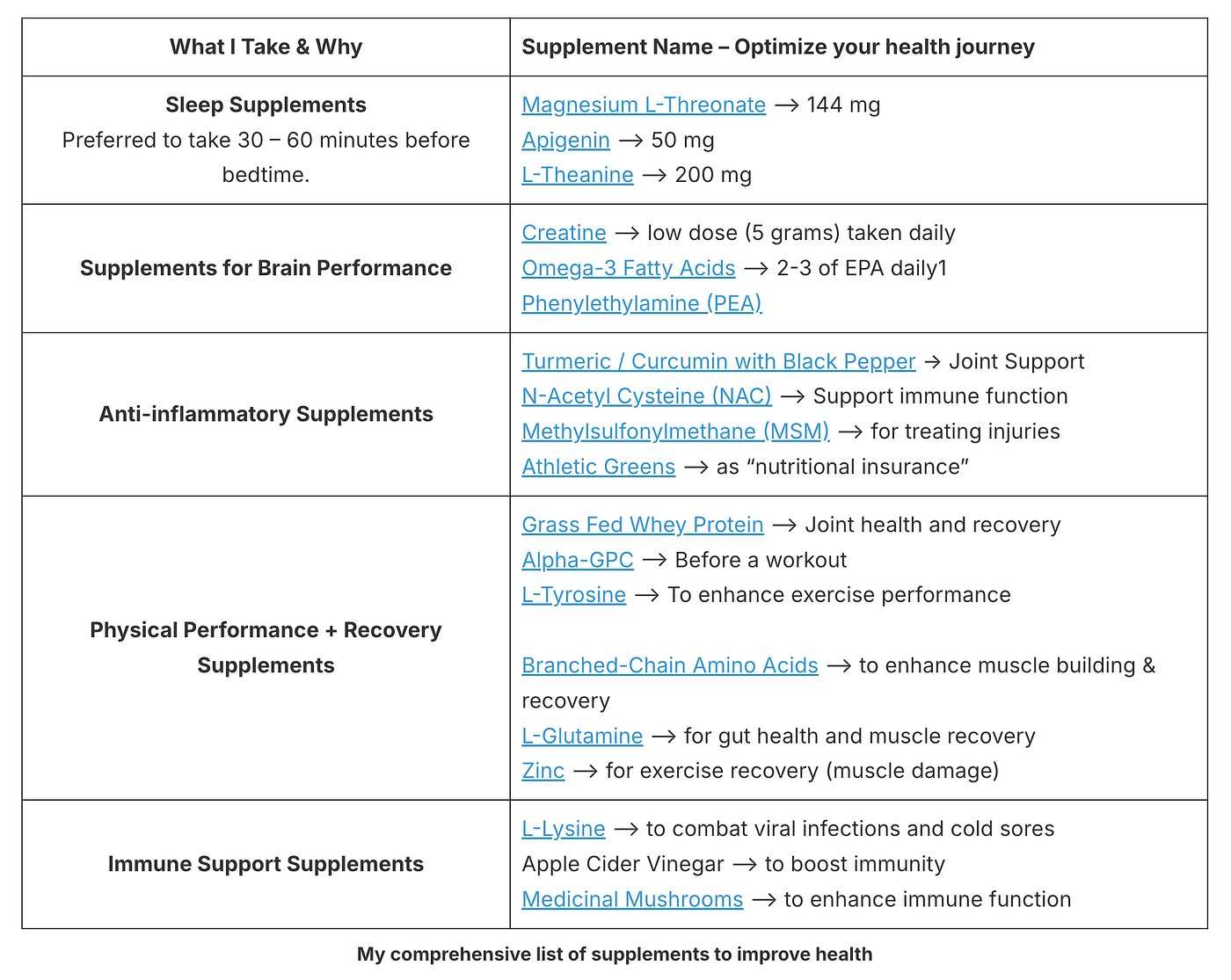
Andrew Huberman emphasizes the role of specific supplements to enhance workout performance, recovery, and overall brain health. His recommendations focus on supporting both the body and mind during intense training sessions. Understanding which supplements to take, how much, and when can make a significant difference in your results.
Essential Supplements
Huberman suggests a few key supplements that stand out for boosting energy, focus, and recovery:
- Creatine:Known for improving strength and muscle growth, creatine also supports brain function.
- L-Theanine:Often paired with caffeine, it helps increase focus without the jitters.
- Omega-3 Fatty Acids:These reduce inflammation and support cognitive health.
- Magnesium:Vital for muscle relaxation and reducing cramps after workouts.
- Vitamin D3:Important for bone health and immune support.
Each of these supplements plays a unique role in maintaining your workout intensity and mental clarity.
Timing And Dosage
Taking supplements at the right time can boost their effectiveness.
- Creatine:Best taken post-workout with a carbohydrate source for better absorption.
- L-Theanine and Caffeine:Combine before workouts or work sessions to enhance alertness.
- Magnesium:Take in the evening to aid relaxation and improve sleep quality.
- Vitamin D3:Ideally consumed with a meal containing fat for optimal absorption.
Dosages vary, but sticking to recommended daily amounts prevents waste and ensures safety.
Safety Considerations
You should always prioritize safety when adding supplements to your routine.
Consult a healthcare provider, especially if you have existing conditions or take medications.
Watch out for possible interactions and avoid exceeding suggested doses. Quality matters—choose reputable brands to avoid contaminants or inaccurate labeling.
Have you noticed any changes in your energy or focus after adjusting your supplement timing? Small tweaks can lead to big improvements.
Sleep And Recovery Optimization
Sleep and recovery are the foundation of Andrew Huberman’s workout plan. Without proper rest, your body cannot repair muscles or refresh your mind effectively. Optimizing sleep isn’t just about quantity; quality plays a crucial role in how you perform and recover.
Sleep’s Role In Performance
Sleep directly affects your strength, endurance, and mental focus. Missing just a couple of hours can reduce your workout intensity and slow down muscle repair. Have you ever noticed how sluggish you feel after a bad night’s sleep? That’s your body telling you it needs better recovery.
During deep sleep stages, your body releases growth hormones that rebuild muscle tissue. This process is essential for anyone training hard. Without enough deep sleep, gains from workouts can be delayed or diminished.
Techniques To Improve Sleep Quality
Improving sleep quality starts with creating a consistent bedtime routine. Try to go to bed and wake up at the same time every day, even on weekends. This helps regulate your body’s internal clock.
- Limit screen time at least an hour before bed to reduce blue light exposure.
- Keep your bedroom cool and dark to support natural melatonin production.
- Try relaxation techniques like deep breathing or meditation to calm your mind.
Huberman often highlights the impact of morning sunlight exposure. Getting sunlight early helps set your circadian rhythm, making it easier to fall asleep at night.
Balancing Rest With Training
Rest days are just as important as workout days. Your muscles need time to rebuild and strengthen. Ignoring rest can lead to overtraining, which causes fatigue and injuries.
Listen to your body’s signals. If you feel unusually tired or your performance drops, take it as a sign to dial back. Including active recovery, like light stretching or walking, can keep you moving without overloading your system.
Ask yourself: Are you pushing too hard at the expense of recovery? Finding that balance can boost your results more than extra training sessions ever will.
Tracking Progress And Adjustments
Tracking progress and making adjustments are key parts of Andrew Huberman’s workout plan. They ensure steady improvement and prevent plateaus. Regularly checking your progress helps tailor workouts to your needs. This approach keeps motivation high and results consistent.
Monitoring Performance Metrics
Track key workout metrics like weight lifted, reps, and sets. Note your energy levels and recovery times after workouts. Use a journal or app to record these details. Regular tracking shows strength gains and endurance improvements. Small changes in these numbers indicate progress or need for adjustment.
Adjusting Workouts For Growth
Increase intensity by adding weight or reps over time. Change exercise types or order to challenge muscles differently. Adjust rest periods to balance effort and recovery. Listen to your body’s signals to avoid injury. These tweaks promote muscle growth and better fitness.
Avoiding Overtraining
Watch for signs like fatigue, irritability, and poor sleep. Schedule rest days and active recovery sessions. Keep workouts varied to reduce strain on the same muscles. Overtraining slows progress and increases injury risk. Proper rest keeps your body strong and ready to improve.
Mental Focus And Motivation
Mental focus and motivation are key parts of Andrew Huberman’s workout plan. They help you stay consistent and push through tough workouts. Training your mind is as important as training your body. Clear focus improves performance and keeps you motivated over time.
Mindset Techniques
Andrew Huberman suggests using simple mindset tricks to boost focus. Visualizing success before workouts can prepare your brain. Setting small, clear goals helps keep your mind on track. Positive self-talk can reduce doubts and increase confidence. These techniques train your brain to stay engaged and driven.
Using Breathwork
Breathwork is a powerful tool to control your mind during exercise. Slow, deep breaths calm your nervous system and improve concentration. Huberman recommends rhythmic breathing to maintain energy and reduce fatigue. Breath control can also help manage pain and keep your focus sharp.
Managing Stress During Training
Stress can block your progress if not managed well. Huberman advises recognizing stress signals early during workouts. Techniques like focused breathing and short breaks help lower stress levels. Staying relaxed allows better muscle control and mental clarity. Managing stress leads to better results and a safer workout.
Frequently Asked Questions
What Is Andrew Huberman’s Workout Philosophy?
Andrew Huberman focuses on neuroscience-based workouts. He emphasizes consistency, recovery, and mental focus for optimal results. His plan blends strength, mobility, and cardiovascular exercises tailored to brain and body health.
How Often Should You Follow Andrew Huberman’s Workout Plan?
Huberman recommends working out 3 to 5 times weekly. This frequency balances muscle growth and recovery. It supports brain function and overall physical health without overtraining.
What Types Of Exercises Are In Andrew Huberman’s Plan?
His workout includes strength training, mobility drills, and cardio. Huberman highlights compound movements like squats and deadlifts. He also integrates breathing techniques to enhance performance and recovery.
Does Andrew Huberman Suggest Any Recovery Methods?
Yes, he promotes proper sleep, hydration, and cold exposure. Huberman stresses the importance of rest for nervous system repair. These methods improve workout benefits and mental clarity.
Conclusion
Andrew Huberman’s workout plan focuses on science and balance. It combines strength, movement, and rest for best results. This plan suits many fitness levels and goals. Consistency is key to seeing real progress over time. Remember to listen to your body and adjust as needed.
Small changes can lead to steady improvement. Keep your mind and body connected throughout each session. This approach promotes health and well-being beyond just exercise. Try the plan with patience and stay motivated every day.







