
Are you curious about what fuels the mighty American black bear? Imagine standing amidst the serene forests of North America, where these fascinating creatures roam freely.
Their diet is as diverse as the landscapes they inhabit. Understanding what they eat can unlock secrets about their behavior, survival, and the ecosystem they thrive in. You’ll discover the surprising variety in their menu, from sweet berries to unsuspecting insects.
Get ready to dive into the intriguing world of the American black bear’s diet and uncover how these choices shape their lives and the environment around them. Stay with us to find out how these dietary habits influence the very fabric of the wilderness you cherish.
Credit: www.alaska.org
Black Bear Eating Habits
Understanding the black bear’s eating habits reveals much about their survival and adaptability. These bears are not picky eaters; they adjust their diet based on availability, which changes with seasons and regions. Knowing what they eat daily and how their diet shifts throughout the year can help you appreciate their role in the ecosystem and how they coexist with their environment.
Daily Food Intake
Black bears consume a surprising amount of food each day, often eating up to 20,000 calories. Their diet includes a mix of plants, insects, and small animals, depending on what’s accessible. You might find them munching on berries one day and digging for ants the next.
They spend a significant part of their day foraging, sometimes up to 16 hours. This constant search for food helps them build fat reserves necessary for hibernation. Ever wondered how a bear manages to find enough food to last through winter? It’s all about daily effort and variety.
Seasonal Variations
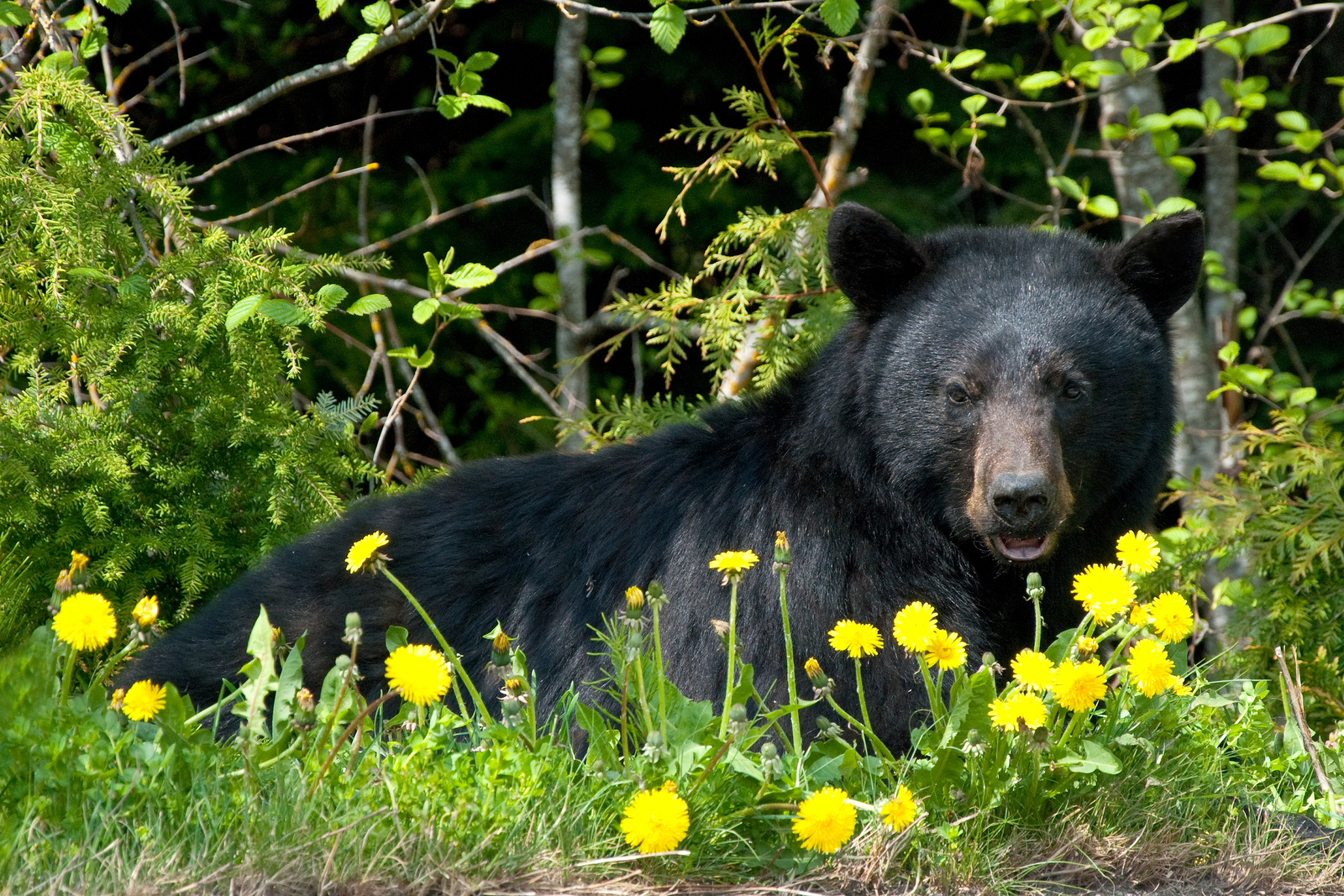
Their diet changes dramatically with the seasons. In spring, black bears focus on fresh shoots, roots, and insects to regain strength after hibernation. Summer brings an abundance of berries, nuts, and fruits, which are crucial for fat building.
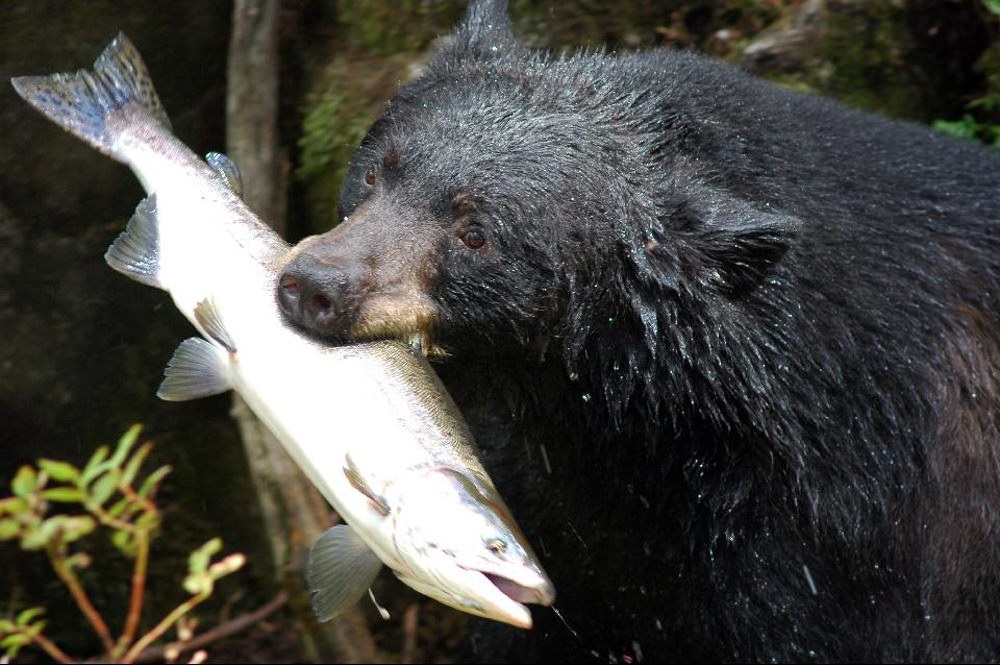
As fall approaches, they shift to high-calorie foods like acorns and salmon where available. This seasonal switch ensures they maximize their energy intake before winter. Have you noticed how your own eating habits shift with the seasons? Bears do this instinctively to survive.
Credit: www.oneearth.org
Fruits And Berries
Fruits and berries make up a vital part of the American Black Bear’s diet, especially as summer turns to fall. These natural treats provide essential nutrients and energy, helping bears build fat reserves for winter hibernation. Understanding which fruits and berries they prefer can give you a clearer picture of their feeding habits and overall well-being.
Favorite Wild Berries
Black bears show a clear preference for certain wild berries. Blueberries top the list, followed closely by blackberries and raspberries. These berries are abundant and easy for bears to find during the warmer months.
Bears also enjoy huckleberries and serviceberries, which grow in dense patches and offer a sweet, nutritious snack. You might be surprised to learn that bears sometimes eat chokecherries, despite their tartness, because of their high antioxidant content.
Have you ever wondered how bears decide which berries to eat first? It’s often about ripeness and taste, much like you choosing the juiciest fruit at a market.
Impact On Bear Health
The nutrients in fruits and berries play a direct role in a bear’s health. These foods provide sugars and fiber that fuel their daily activities and help maintain digestive health. The antioxidants found in many wild berries also support their immune system.
Eating a variety of berries ensures bears get a balanced intake of vitamins and minerals. This diversity in diet can affect their strength and stamina, especially during the demanding pre-hibernation period.
If you were a bear, wouldn’t you want a diet rich in both taste and health benefits? Their natural choices reflect a smart balance between energy intake and nutritional value, which you can appreciate even from a distance.
Nuts And Seeds
Nuts and seeds play a crucial role in the American Black Bear’s diet. These nutrient-packed foods provide essential energy and nutrients, especially as bears prepare for hibernation. Understanding which nuts and seeds bears prefer and how these foods affect their fat storage can give you a clearer picture of their survival strategies.
Preferred Nut Types
Black bears favor nuts that are high in fat and easy to gather. Acorns are a top choice, offering a rich source of calories. Hickory nuts and beechnuts also rank high on their list because of their availability in forested areas.
These nuts are often found in large quantities during fall, making them a reliable food source. Have you ever noticed squirrels gathering acorns? Bears do something similar but on a much larger scale, collecting to fuel their bodies for winter.
- Acorns: High in carbohydrates and fats, great for energy
- Hickory nuts: Rich in healthy fats, support muscle maintenance
- Beechnuts: Provide essential vitamins and minerals
Role In Fat Storage
The fats in nuts and seeds are vital for bears as they build up fat reserves before hibernation. This fat acts as insulation and an energy source during months without food. The quality of fat from nuts helps bears maintain strength and body heat.
Imagine your own diet—would eating more healthy fats help you stay energized longer? Bears rely on these fats to survive harsh winters when food is scarce.
By targeting high-fat nuts, black bears maximize their fat storage efficiently. This strategic eating ensures they wake up strong and ready when spring arrives.
Insects And Small Animals
American black bears have a diverse diet that includes insects and small animals. These foods provide essential protein and nutrients. Bears use their strong claws and keen sense of smell to find these tasty treats. Eating insects and small animals helps bears survive during spring and summer months.
Common Insect Choices
Black bears eat many types of insects. Some common choices are:
- Ants
- Beetles
- Termites
- Wasps and their larvae
- Grasshoppers
Bears often tear apart rotten logs or dig in the soil to find these insects. The high protein content helps bears stay strong and active.
Occasional Animal Prey
Besides insects, black bears sometimes hunt small animals. These include:
- Rodents like mice and squirrels
- Bird eggs
- Small birds
- Fish, especially during spawning seasons
These prey provide extra nutrition when plant food is scarce. Bears are opportunistic feeders and will eat small animals if the chance arises.
Surprising Plant Foods
American black bears surprise many with the variety of plant foods they eat. Their diet isn’t just about berries and nuts; they also munch on some unexpected vegetation. This diverse plant intake plays a key role in their survival and health.
Unusual Vegetation Eaten
Black bears don’t stick to the usual fruits and leaves. They often eat parts of plants you might not expect, like the inner bark of certain trees. This bark is rich in nutrients and provides energy during lean times.
They also consume wild grasses and ferns, which offer fiber that aids their digestion. Some bears have been seen eating skunk cabbage and cattails near wetlands. Have you ever thought about how these plants contribute to their diet?
Benefits Of Plant Variety
Eating a wide range of plants helps bears get a balanced diet full of vitamins and minerals. The variety keeps their immune systems strong and supports overall health.
Different plants also give bears energy throughout the seasons. In spring, fresh shoots provide vital nutrients, while in fall, nuts and berries help them build fat for winter. Do you notice how this plant diversity is like a natural multivitamin for bears?
Human Food And Garbage
American black bears are naturally foragers, but they don’t shy away from human food and garbage when it’s available. These easy meals can quickly become a regular part of their diet, especially near campsites and residential areas. Understanding why bears are drawn to these food sources helps you protect both yourself and the bears.
Attraction To Campsites
Bears have an incredible sense of smell that leads them straight to campsites. The scent of cooking food, snacks, and even toothpaste can attract them from miles away.
Campers often underestimate how tempting a small bag of chips or leftovers can be for a bear. Once a bear finds food at one campsite, it will likely return or even share this knowledge with other bears.
Have you ever noticed how quickly a garbage bin near a campsite gets raided? That’s because bears learn that these bins hold a treasure trove of high-calorie food that’s easier to get than foraging in the wild.
Risks Of Human Food Consumption
Eating human food can cause serious problems for black bears. Junk food and processed snacks are not part of their natural diet and can lead to poor health.
Bears that rely on garbage and human food lose their natural fear of people. This increases dangerous encounters, which often end badly for the bear.
Once bears become “food-conditioned,” they may have to be relocated or, in worst cases, euthanized to protect public safety. Your choice to secure food properly can save lives.
- Always store food in bear-proof containers
- Dispose of garbage in secured bins or pack it out
- Never feed bears or leave food scraps behind
What steps will you take next time you camp to avoid attracting bears? Your actions make a difference in keeping both bears and people safe.
Foraging Strategies
American Black Bears use smart foraging strategies to find food in the wild. Their diet changes with seasons, locations, and food availability. These bears spend a lot of time searching for food sources. They use their senses and adapt their behavior to survive in different habitats.
Food Searching Techniques
Black Bears rely mainly on their strong sense of smell. They can detect food from miles away. Bears often walk long distances to find berries, nuts, or small animals. They climb trees to reach fruits and honey. They also dig into the ground to find roots or insects.
Bears are mostly active during dawn and dusk. This timing helps them avoid heat and human contact. They use their sharp claws to break open logs and rocks. This way, they access insects and larvae hidden inside. Bears also watch other animals, learning where food might be found.
Adaptations For Different Habitats
Black Bears live in forests, mountains, and swamps. Each habitat offers unique food sources. In forests, they eat berries, acorns, and young plants. In mountains, they find roots and small animals. Swamp areas provide fish and amphibians.
Seasonal changes affect their food choices. In spring, bears eat fresh plants and insects. Summer brings fruits and berries. In fall, they focus on nuts and seeds to build fat for winter. Their body adjusts to store energy for hibernation.
Black Bears also change their foraging style based on the habitat. They may dig more in soft soil or climb more in dense forests. This flexibility helps them survive tough conditions and find enough food year-round.
Credit: animals.fandom.com
Impact Of Diet On Behavior
The diet of the American Black Bear plays a key role in shaping its behavior. Food availability affects how bears move, rest, and interact. Their eating habits directly influence daily routines and survival strategies. Understanding this link helps us see how bears adapt to changing environments and seasons.
Feeding And Movement Patterns
Black bears change their movement based on food sources. They travel more during times of plenty to find fresh food. Bears often visit berry patches, streams, or nut trees. Their routes shift as seasons bring different foods. This behavior helps them get enough calories to grow and store fat.
Bears feed on a mix of plants, insects, and small animals. Their diet changes with availability, causing shifts in activity. They move slowly when food is abundant nearby. In lean times, bears roam wider areas to find meals. These patterns protect energy and increase chances of survival.
Diet Influence On Hibernation
Hibernation depends heavily on the bear’s diet before winter. Bears eat large amounts of high-fat and sugary foods. This builds fat reserves needed to last through months of fasting. The quality and quantity of food determine hibernation length and health.
Bears with poor diets may have shorter or lighter hibernations. Good nutrition improves their chances of waking strong and healthy. They prepare by eating nuts, berries, and insects in late summer and fall. This diet fuels their long sleep and helps with reproduction afterward.
Frequently Asked Questions
What Do American Black Bears Primarily Eat?
American Black Bears mainly eat plants like berries, nuts, and fruits. They also eat insects, small mammals, and fish for protein. Their diet changes seasonally to include the most available food.
How Do American Black Bears Find Their Food?
American Black Bears use their strong sense of smell to locate food. They can detect berries and other edibles from miles away. Their climbing skills help them reach fruits and nuts in trees.
Do American Black Bears Eat Meat Regularly?
Meat is a smaller part of their diet. They occasionally eat insects, small animals, and carrion. However, they mostly rely on vegetation and plant-based foods for nutrition.
How Does The Diet Of American Black Bears Change Seasonally?
In spring, they eat fresh plants and insects. Summer brings abundant berries and fruits. In fall, they focus on nuts and seeds to build fat for winter hibernation.
Conclusion
American black bears eat many kinds of food to stay healthy. They enjoy plants, fruits, nuts, insects, and sometimes small animals. Their diet changes with the seasons and what is available. This variety helps bears get the nutrients they need.
Knowing what black bears eat helps us understand their habits better. It also helps keep both bears and people safe. Bears play an important role in nature by spreading seeds and controlling insects. Watching their diet shows how smart and adaptable these animals are.







