
Are you tired of dealing with chronic inflammation and autoimmune issues? The AIP (Autoimmune Protocol) Diet might be the game-changer you’ve been searching for.
Imagine waking up with more energy, less pain, and a clearer mind. Sounds like a dream, right? But it can be your reality. This diet plan is specifically designed to help you reduce inflammation and heal your gut, which can lead to a significant improvement in your symptoms.
In this guide, we’ll simplify everything you need to know about starting the AIP Diet, making it easy for you to follow. Ready to transform your health and feel better than ever? Let’s dive in!
Credit: www.etsy.com
What Is The Aip Diet?
The AIP Diet, or Autoimmune Protocol Diet, helps reduce inflammation in the body. It focuses on healing the gut and calming the immune system. Many people use this diet to manage autoimmune diseases and improve their overall health.
The AIP Diet removes foods that may trigger inflammation. It emphasizes nutrient-rich, whole foods that support healing. This way, the body can repair itself and reduce symptoms like pain and fatigue.
Purpose Of The Aip Diet
The main goal is to lower inflammation and heal the gut lining. It helps the immune system work better. Many find relief from autoimmune symptoms by following this plan.
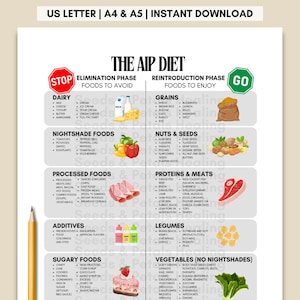
Foods To Avoid On The Aip Diet
- Grains such as wheat, rice, and oats
- Dairy products including milk, cheese, and yogurt
- Legumes like beans, lentils, and peanuts
- Nightshade vegetables such as tomatoes, peppers, and eggplants
- Sugar and processed foods
- Industrial seed oils like soybean and corn oil
Foods To Eat On The Aip Diet
- Grass-fed meats and wild-caught fish
- Vegetables, except nightshades
- Fruits in moderation
- Healthy fats such as coconut oil and olive oil
- Bone broth and fermented foods
- Herbs and spices like turmeric and ginger
How The Aip Diet Works
The diet starts with an elimination phase. This removes all inflammatory foods for several weeks. Then, foods are slowly reintroduced one at a time. This helps identify triggers causing symptoms.
Eating nutrient-dense foods supports gut repair. A healthy gut helps balance the immune system. This reduces flare-ups and improves energy and well-being.

Credit: www.amazon.com
Benefits Of The Aip Diet
The AIP Diet, or Autoimmune Protocol Diet, offers many benefits for people with autoimmune conditions. It focuses on healing the gut and reducing inflammation. This can lead to better health and less discomfort. The diet eliminates foods that may trigger immune reactions, helping the body calm down and recover.
Many beginners find the AIP Diet helpful for managing symptoms and improving energy. It supports overall wellness by promoting nutrient-rich foods. The diet encourages mindful eating habits, which can boost digestion and mood. Below are some key benefits of following the AIP Diet.
Reduces Inflammation And Autoimmune Symptoms
The AIP Diet removes foods that cause inflammation. This helps lower swelling and pain in the body. Many people notice fewer flare-ups in their autoimmune symptoms. A calmer immune system means less damage to tissues and organs.
Supports Gut Health
The diet focuses on healing the gut lining. It avoids foods that irritate the digestive system. A healthy gut improves nutrient absorption and immune function. Better digestion often leads to less bloating and discomfort.
Promotes Nutrient-dense Foods
AIP encourages eating vegetables, fruits, and high-quality meats. These foods provide vitamins and minerals needed for healing. Nutrient-rich meals help the body repair itself. This supports energy levels and overall health.
Improves Energy And Mental Clarity
Many people report feeling more energetic on the AIP Diet. Reduced inflammation and better digestion can clear brain fog. Improved mental clarity helps with focus and mood. The diet supports a balanced and healthy lifestyle.
Encourages Mindful Eating Habits
The AIP Diet promotes paying attention to food choices. This helps identify personal food sensitivities. Mindful eating can reduce overeating and improve digestion. It fosters a healthier relationship with food.
Foods To Avoid On Aip
Starting the AIP diet means cutting out certain foods that may cause inflammation or trigger symptoms. Avoiding these foods helps the body heal and reduces autoimmune reactions. Knowing what to skip is key to following the plan successfully.
Grains And Cereals
- Wheat
- Rice
- Corn
- Oats
- Barley
- Rye
- Sorghum
Grains can irritate the gut lining and increase inflammation.
Dairy Products
- Milk
- Cheese
- Yogurt
- Butter
Dairy contains proteins that may worsen autoimmune symptoms.
Legumes
- Beans
- Lentils
- Peas
- Peanuts
- Soy products
Legumes have compounds that can harm the gut and immune system.
Nightshade Vegetables
- Tomatoes
- Potatoes
- Eggplants
- Peppers
These vegetables may trigger inflammation and worsen symptoms.
Processed Foods And Sugars
- Refined sugars
- Artificial sweeteners
- Packaged snacks
- Fast food
Processed foods can increase inflammation and disrupt healing.
Eggs And Nuts (initially)
- Chicken and duck eggs
- Tree nuts
- Seeds
These foods may be reintroduced later but avoid them at first.
Foods To Include On Aip
The AIP diet focuses on healing the gut and reducing inflammation. Choosing the right foods is key. Foods on the AIP diet support the immune system and help calm the body. They are natural and nutrient-dense. This section lists foods to include for beginners starting the AIP journey.
Meats And Seafood
- Grass-fed beef and lamb
- Free-range poultry like chicken and turkey
- Wild-caught fish such as salmon and cod
- Shellfish including shrimp and scallops
- Organ meats like liver and heart
These protein sources provide essential nutrients without additives. They help repair the gut lining and reduce inflammation.
Vegetables
- Leafy greens like spinach and kale
- Cruciferous vegetables such as broccoli and cauliflower
- Root vegetables including sweet potatoes and carrots
- Zucchini, cucumbers, and asparagus
- Squash varieties like butternut and acorn
Vegetables are rich in vitamins and antioxidants. They support digestion and provide fiber for gut health.
Fruits
- Berries like blueberries and strawberries
- Apples and pears
- Melons such as cantaloupe and watermelon
- Pineapple and mango in moderation
Fruits add natural sweetness and important nutrients. They help balance the diet without causing inflammation.
Healthy Fats
- Olive oil and avocado oil
- Coconut oil and coconut milk
- Avocados
- Fatty fish rich in omega-3s
Good fats provide energy and support cell repair. They also help reduce inflammation in the body.
Herbs And Spices
- Turmeric and ginger
- Rosemary and thyme
- Basil and oregano
- Garlic and onion powder
Herbs and spices add flavor without harmful additives. Many have anti-inflammatory properties.
Simple Steps To Start Aip
Starting the AIP diet can feel overwhelming. Simple changes make the process easier. Focus on clear actions to set yourself up for success. Organizing your kitchen, planning meals, and shopping smartly are key. These steps help build a solid foundation for your AIP journey.
Preparing Your Kitchen
Clear out foods that are not allowed on the AIP diet. This includes grains, dairy, nightshades, and processed items. Clean your pantry and fridge to avoid temptation. Set aside AIP-friendly containers for meal storage. Equip your kitchen with basic tools like a slow cooker and blender. Having a tidy, organized space makes cooking stress-free.
Meal Planning Tips
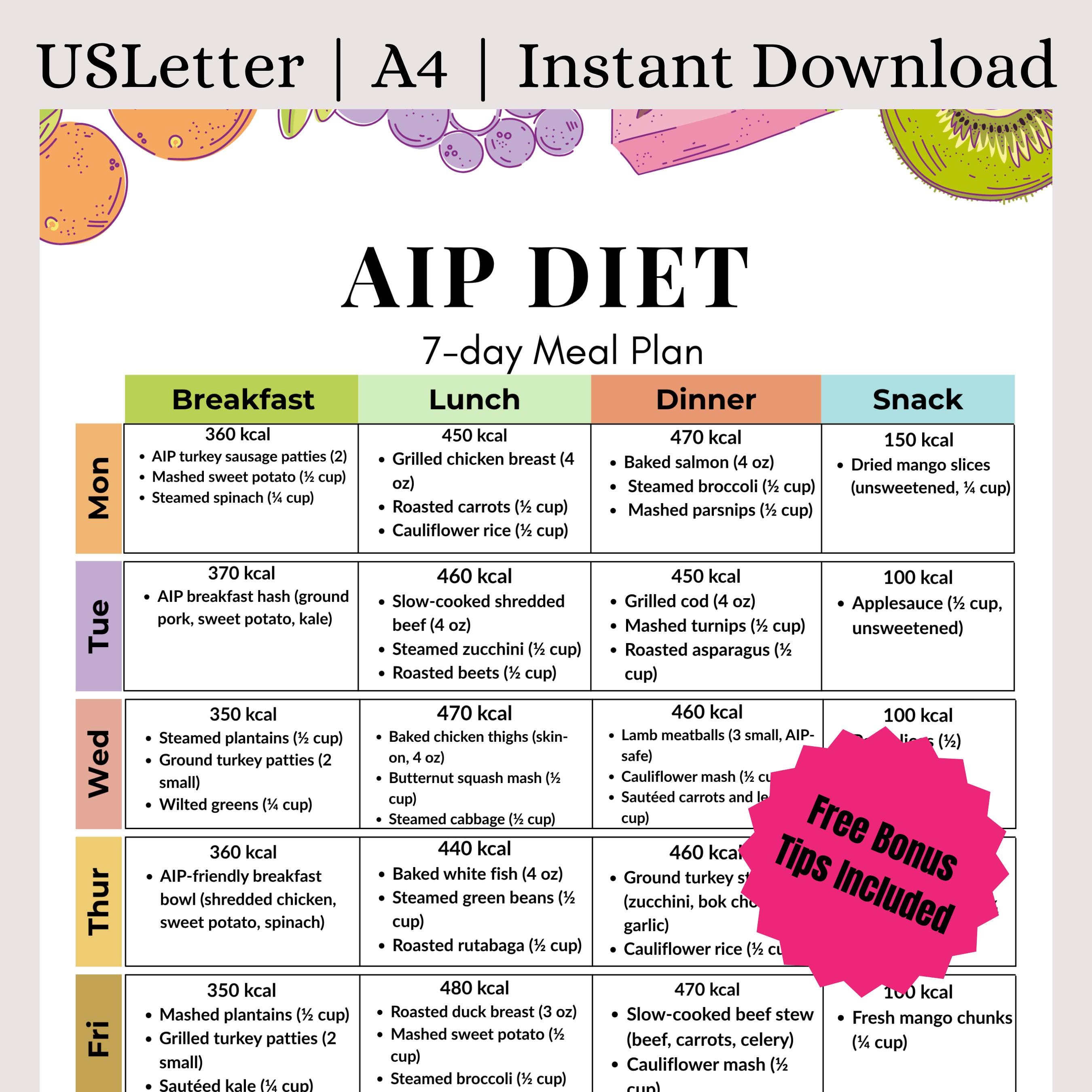
Create a weekly meal plan focusing on simple recipes. Choose meals with easy-to-find ingredients. Include a variety of vegetables, meats, and healthy fats. Prepare larger portions to save time on busy days. Use a template or app to track your meals. Planning reduces guesswork and helps maintain diet consistency.
Grocery Shopping Guide
Make a detailed shopping list before visiting the store. Shop mostly from the fresh produce and meat sections. Choose organic and wild-caught options when possible. Avoid processed foods with hidden ingredients. Stick to the perimeter of the store for natural foods. Buying the right ingredients sets you up for easy meal prep.
Credit: www.etsy.com
Sample Aip Meal Ideas
Sample AIP meal ideas help beginners understand what to eat. The AIP diet focuses on healing foods that reduce inflammation. This section shares simple meals that fit the AIP guidelines. These ideas make starting the diet easier and more enjoyable.
Breakfast Options
- Sweet potato hash with ground turkey and spinach
- Apple cinnamon porridge made with coconut milk and tigernut flour
- Bone broth with shredded chicken and steamed veggies
- Avocado slices with fresh herbs and a side of roasted carrots
Lunch And Dinner Recipes
- Grilled salmon with zucchini noodles and basil pesto
- Slow-cooked lamb stew with carrots, celery, and parsley
- Baked chicken thighs with roasted sweet potatoes and steamed broccoli
- Cauliflower rice stir-fry with shrimp and kale
Snack Suggestions
- Fresh cucumber slices with guacamole
- Homemade AIP-friendly meat jerky
- Mixed berries with coconut cream
- Carrot sticks with an avocado and herb dip
Managing Challenges On Aip
Managing challenges on the AIP diet can feel overwhelming, especially in the beginning. You might face moments where cravings hit hard, social situations complicate your food choices, or motivation dips. Recognizing these hurdles and preparing for them helps you stay on track and feel more in control.
Dealing With Cravings
Cravings are a natural response when you cut out familiar foods. Instead of fighting them, try to understand what your body really needs. Are you craving crunch? Try raw veggies like carrot sticks or jicama slices. Want something sweet? Fresh berries or a small baked apple can satisfy that urge.
Keep simple, AIP-friendly snacks on hand to avoid turning back to off-limit foods. Drinking plenty of water can also reduce false hunger signals. Have you noticed certain situations or emotions trigger your cravings more? Identifying these can help you plan better alternatives.
Eating Out Strategies
Eating out can seem tricky when you follow the AIP diet, but it doesn’t have to be. Check menus online before you go to spot safe options or call ahead to ask about ingredient details. Many restaurants are happy to customize dishes if you explain your dietary needs.
Choose places with simple, whole-food menus like grilled meats and steamed vegetables. Bringing your own sauces or dressings can give you peace of mind. How could you turn eating out into an opportunity to try new AIP-friendly dishes?
Staying Motivated
Motivation can wane, especially when results take time. Celebrate small victories like improved digestion or more energy, even if the scale doesn’t move immediately. Tracking your progress with a journal or photos keeps your efforts visible.
Connect with others on the AIP journey through online groups or local meetups. Sharing struggles and successes creates accountability and support. What motivates you more: knowing why you started or imagining how you’ll feel after sticking with it?
Tracking Progress And Healing
Tracking progress and healing is crucial on the AIP diet journey. It helps to understand how your body reacts and recovers. Careful monitoring guides your next steps and supports better results.
Monitoring Symptoms
Keep a daily journal of your symptoms and meals. Note any changes in pain, digestion, or energy levels. Small improvements show that healing is happening. Watch for new or returning symptoms too. This helps identify foods that may cause issues.
Reintroduction Phase
After the elimination phase, slowly add foods back one by one. Add one food every 3 to 5 days. Observe your body’s reaction carefully. Track any symptoms that reappear or worsen. This phase reveals which foods your body tolerates well. It also highlights those that trigger inflammation or discomfort.
Long-term Maintenance
Once you find your safe foods, focus on a balanced diet. Include a variety of nutrient-rich options daily. Continue tracking symptoms to catch any changes early. Adjust your diet as needed to stay healthy. Make AIP a lifestyle, not just a short-term plan.
Frequently Asked Questions
What Is The Aip Diet Plan For Beginners?
The AIP diet plan focuses on reducing inflammation by eliminating certain foods. Beginners start by removing grains, dairy, and processed foods. It emphasizes nutrient-dense, whole foods like vegetables, lean meats, and healthy fats. This approach helps improve autoimmune symptoms and gut health naturally.
Which Foods Are Allowed On The Aip Diet?
Allowed foods include fresh vegetables, fruits, lean meats, fish, and healthy fats like avocado and coconut oil. Bone broth and fermented foods are also encouraged. Avoid grains, legumes, dairy, nightshades, and processed sugars to reduce inflammation and promote healing.
How Long Should Beginners Follow The Aip Diet?
Beginners typically follow the elimination phase for 30 to 60 days. After that, foods are slowly reintroduced to identify triggers. The goal is to personalize the diet for long-term autoimmune support and symptom management.
Can The Aip Diet Help With Autoimmune Diseases?
Yes, the AIP diet can reduce inflammation and improve symptoms in many autoimmune conditions. It supports gut healing and immune regulation through nutrient-rich, anti-inflammatory foods. Always consult a healthcare provider before starting the diet.
Conclusion
Starting an AIP diet plan can improve your health step by step. Focus on fresh, whole foods and avoid processed items. Listen to your body and track how you feel daily. Small changes lead to big results over time. Stay patient and consistent for the best outcome.
Remember, this plan supports healing and wellness naturally. Keep meals simple and enjoy the journey to better health.







