
Are you ready to take your core strength to the next level? Ab exercises in the gym are the key to building a strong, toned midsection that supports your entire body.
Whether you want to improve your posture, boost your athletic performance, or simply feel more confident in your own skin, focusing on your abs can make a huge difference. You’ll discover simple yet effective gym workouts that target your abdominal muscles, helping you achieve real results faster than you might expect.
Keep reading to find out how to make every rep count and transform your core like never before.
Benefits Of Gym Ab Workouts
Hitting the gym for ab workouts offers more than just the promise of a six-pack. Engaging in these exercises can significantly enhance your overall fitness and well-being. Whether you’re a gym newbie or a seasoned athlete, there are numerous benefits to focusing on your core during your workout routine.
Strengthening Core Muscles
Building strong core muscles isn’t just about aesthetics. A strong core provides a solid foundation for nearly every movement you make, from lifting weights to daily activities like bending and twisting. When I first started focusing on my abs, I noticed a remarkable difference in my ability to perform other exercises with better form and increased strength.
Do you find yourself struggling with back pain after a long day at work? Strengthening your core might be the answer. A robust core can alleviate stress on your spine, reducing pain and preventing injuries.
Improving Posture And Balance
Good posture and balance start with your core. When your core muscles are strong, they support your spine and help you maintain proper posture. I used to slouch a lot at my desk, but after committing to regular ab workouts, my posture improved noticeably.
Have you ever tried balancing on one foot and found it challenging? Strengthening your core can enhance your stability, making everyday tasks and sports activities feel easier and more controlled.
Enhancing Athletic Performance
For athletes, a strong core is crucial. It plays a vital role in almost every sport, from running and swimming to basketball and soccer. When I integrated more ab exercises into my routine, my performance in other sports improved significantly.
Consider how your core aids in power transfer between your upper and lower body. Whether you’re sprinting down the track or serving a tennis ball, a powerful core can give you that competitive edge.
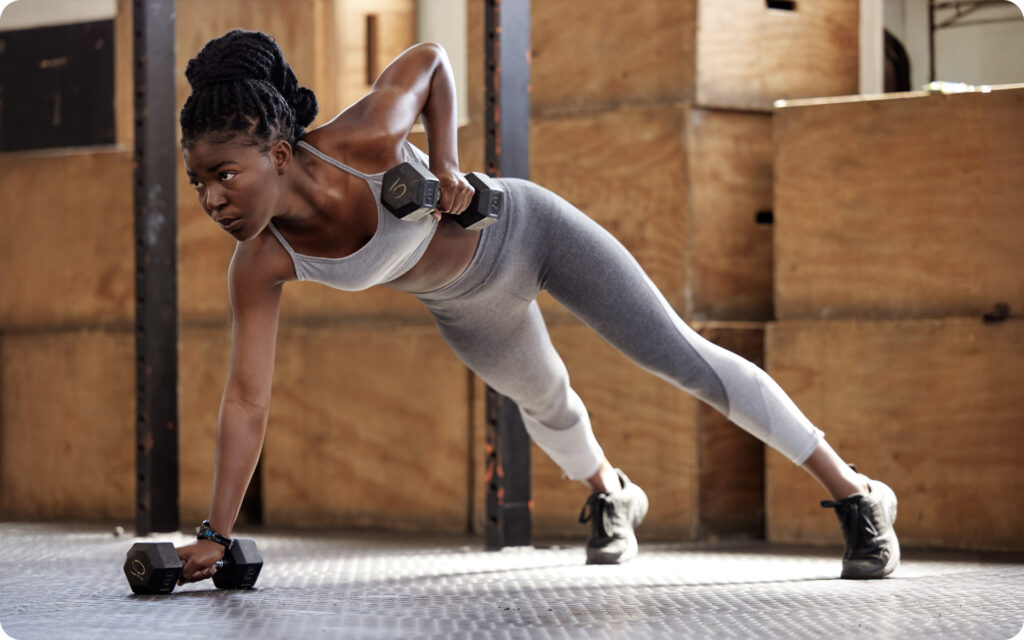
Credit: betterme.world
Top Gym Equipment For Abs
Building strong abs requires more than just crunches on the floor. The right gym equipment can challenge your core in new ways, helping you see better results faster. Let’s look at some top gym tools that target your abs effectively and how you can use them to boost your workouts.
Cable Machines
Cable machines offer adjustable resistance that lets you work your abs from multiple angles. You can do exercises like cable crunches or woodchoppers, which engage your entire core, not just the front muscles.
One time, I switched from regular sit-ups to cable crunches and immediately felt a deeper burn. This equipment helps you control the tension throughout the movement, making your workout more efficient.
Stability Balls
Stability balls force your abs to stabilize your body during exercises. This means your core works harder to keep balance, improving strength and coordination at the same time.
Try doing planks or crunches on a stability ball and notice how your muscles engage differently compared to the floor. It’s a simple tool but very effective for adding a new challenge.
Ab Rollers
Ab rollers are small but powerful tools that target the deep core muscles. Rolling out and back forces your abs to contract intensely to maintain control and prevent injury.
Using an ab roller regularly improved my core endurance and helped with better posture. It’s low cost and easy to carry, making it a great addition to any gym routine.
Roman Chairs
Roman chairs support your lower body while allowing your upper body to move freely during back extensions or leg raises. This setup isolates your lower abs and hip flexors effectively.
Incorporating Roman chair leg raises into your workout can strengthen muscles often neglected by traditional ab exercises. Have you tried focusing on your lower abs with this equipment before?
Effective Ab Exercises With Machines
Using machines for ab exercises can add resistance and variety to your routine, helping you target your core more effectively. Machines provide controlled movements, which can reduce the risk of injury and allow you to focus on the muscle contraction. If you want to challenge your abs beyond bodyweight exercises, these machine-based workouts might be just what you need.
Cable Crunches
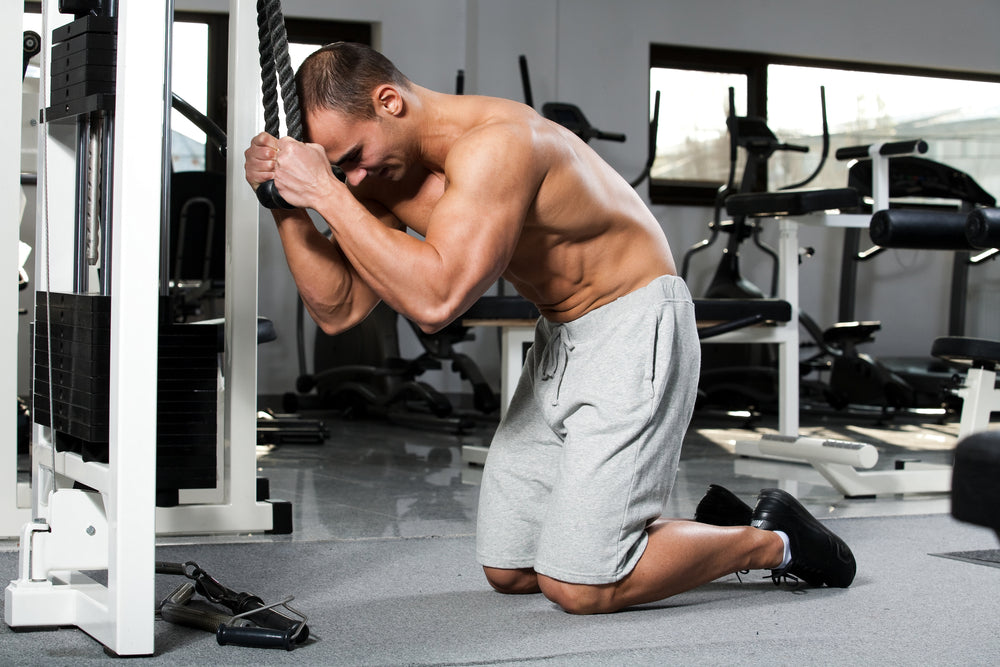
Cable crunches let you add weight to your ab workout, increasing the intensity. You kneel in front of a cable machine with a rope attachment, grabbing the ends behind your head. As you crunch down, you engage your core fully, feeling every rep.
What makes cable crunches stand out is the constant tension on your abs throughout the movement. This keeps your muscles working harder compared to regular crunches on the floor. Try adjusting the weight to find the right challenge without straining your neck or back.
Weighted Sit-ups
Weighted sit-ups use a bench and added weight, like a plate or dumbbell, to boost your abdominal strength. Lying back on the bench, you hold the weight against your chest and perform sit-ups with controlled motion. The extra load forces your abs to work harder than usual.
Many gym-goers overlook weighted sit-ups, but they offer a straightforward way to build core power. You can start light and increase the weight as your strength improves. Have you noticed how adding weight transforms a familiar move into a serious challenge?
Hanging Leg Raises
Hanging leg raises require a pull-up bar or a captain’s chair, making them a powerful machine-based ab exercise. You hang from the bar and lift your legs straight up, focusing on using your lower abs. It’s tough but highly effective for building definition.
This move also engages your hip flexors and stabilizers, giving you a more complete core workout. If your gym has a captain’s chair, it offers support to your back while isolating your abs. How often do you challenge your lower abs with hanging leg raises in your routine?
:max_bytes(150000):strip_icc()/Health-GettyImages-1408670689-bc8ab4a5531a4ea994468dabe1b19052.jpg)
Credit: www.health.com
Bodyweight Moves To Try At The Gym
Bodyweight exercises are some of the most effective moves you can do at the gym to strengthen your abs without any equipment. They allow you to focus on your form and control, helping you build core strength steadily. These moves are easy to modify, making them perfect whether you’re just starting out or looking to challenge yourself further.
Plank Variations
The classic plank is a staple for a reason—it targets your entire core. But switching up your plank can hit different muscles and keep your workout interesting.
- Forearm plank:Keep your elbows under your shoulders and hold your body in a straight line.
- Side plank:Balance on one forearm and the side of one foot, raising your hips to engage your obliques.
- Plank with shoulder taps:While holding a plank, tap each shoulder with the opposite hand to add instability and work your core harder.
Have you noticed how small changes in plank position can make your abs burn in different ways?
Mountain Climbers
Mountain climbers are a fantastic way to combine cardio and core work. They get your heart rate up while challenging your abdominal muscles.
- Start in a high plank position.
- Bring one knee toward your chest quickly, then switch legs in a running motion.
- Keep your hips low to maximize the core engagement.
Try timing yourself for 30 seconds and see how many reps you can complete without losing form. Can you keep your hips steady the entire time?
Bicycle Crunches
Bicycle crunches target the upper and lower abs as well as your obliques, making them a comprehensive ab move. The key is to move slowly and focus on the muscle contraction rather than speed.
- Lie on your back with hands behind your head.
- Lift your legs and alternate touching your elbow to the opposite knee while extending the other leg.
- Keep your lower back pressed into the floor for maximum effect.
Do you find it easier to feel your abs working when you slow down the movement?
Incorporating Resistance For More Intensity
Adding resistance to ab exercises increases their challenge and effectiveness. It forces your muscles to work harder. This helps build strength and tone your core faster. Resistance also improves muscle endurance and stability. It keeps workouts interesting and prevents plateaus.
Try to use light to moderate weights first. Focus on form to avoid injury. Gradually increase resistance as your strength improves.
Using Dumbbells And Plates
Dumbbells and weight plates add extra load to crunches and sit-ups. Hold a dumbbell on your chest during crunches. This increases the effort your abs put in. You can also hold a plate overhead during sit-ups. This makes your core stabilize more.
Weighted Russian twists with a dumbbell or plate work the obliques. Keep your movements slow and controlled. This prevents momentum from doing the work.
Resistance Bands For Core
Resistance bands offer adjustable tension and versatility. Loop the band around a stable object for woodchoppers. Pull the band across your body to engage the obliques. Bands also add resistance to leg raises and flutter kicks.
They are easy to carry and use anywhere. Bands increase time under tension, which builds muscle endurance.
Medicine Ball Twists
Medicine balls add weight and momentum to twisting exercises. Hold the ball close to your chest for seated twists. This targets the obliques and entire core. You can also perform standing twists with a medicine ball. It challenges your balance and stability.
Keep your feet firmly on the ground. Rotate your torso slowly to maximize muscle engagement.
Tips For Maximizing Core Training
Maximizing your core training in the gym isn’t just about doing countless reps of ab exercises. It’s about how you perform each movement, how you engage your muscles, and how regularly you challenge yourself. Paying attention to these details can dramatically improve your results and help you build a stronger, more stable core.
Proper Form And Technique
Proper form is the foundation of effective ab exercises. Without it, you risk injury and waste energy on incorrect muscle groups.
Focus on slow, controlled movements rather than rushing through reps. For example, during a plank, keep your body in a straight line from head to heels and avoid letting your hips sag. It’s better to hold a perfect plank for 20 seconds than a poor one for a minute.
Ask yourself, are you really feeling your abs working, or is your lower back taking over? Adjust your position until you feel the burn right where it should be.
Breathing And Engagement
Breathing might seem simple, but it’s often overlooked in core training. Proper breathing helps you engage your deep core muscles more effectively.
Try to exhale forcefully during the contraction phase of your exercise, like when you crunch up or twist. This helps activate the transverse abdominis, which stabilizes your spine.
Also, keep your core tight throughout the movement. Imagine pulling your belly button towards your spine. This subtle engagement can make a big difference in how much work your abs are doing.
Consistency And Progression
Core strength doesn’t build overnight. Consistency is key. Set a schedule that you can stick to, whether it’s three or five days a week.
As your core gets stronger, add challenges. Increase the duration of holds, add weight to your exercises, or try more complex moves like hanging leg raises or cable rotations.
Have you tracked your progress lately? Keeping a workout journal or using an app can help you notice improvements and keep you motivated to push further.
Common Mistakes To Avoid
Focusing on your abs in the gym can be rewarding, but there are common mistakes that might slow your progress or even cause injury. Avoiding these errors can make your workout more effective and enjoyable. Let’s look at some pitfalls you should watch out for during ab exercises.
Overtraining Abs
It’s tempting to work your abs every day, thinking more is better. But your abdominal muscles need time to recover just like any other muscle group. Training abs excessively can lead to fatigue and decreased performance.
Think about how your body feels the next day after an intense ab session. If soreness lingers or you feel weak, you might be overdoing it. Aim for 2-3 focused ab workouts per week instead, giving your muscles a chance to rebuild stronger.
Neglecting Other Muscle Groups
Many gym-goers obsess over their abs but forget the importance of a balanced workout. Your core includes more than just the visible abs; it involves your obliques, lower back, and hips. Neglecting these can cause imbalances and limit your overall strength.
Try adding exercises like planks, back extensions, and hip bridges to your routine. These moves support your abs and improve posture and stability. How often do you train your entire core rather than just your six-pack?
Using Momentum Instead Of Control
You might notice yourself swinging or jerking your body to finish an ab exercise faster. This is a common mistake that reduces the effectiveness of the workout and increases injury risk. Controlled, slow movements engage your abs more deeply.
Focus on the quality of each rep, not the quantity. For example, during crunches, lift your shoulders slowly and lower them gently. Can you feel the difference when you control the motion versus when you rush through it?
Credit: steelsupplements.com
Sample Gym Ab Workout Plan
A solid gym ab workout plan can transform your core strength and improve your overall fitness. You don’t need hours to see progress—just a focused routine targeting your abdominal muscles with the right exercises. Here’s a straightforward plan you can try that balances effort and recovery.
Warm-up Routine
Warming up your core prepares your muscles and prevents injury. Start with 5-7 minutes of light cardio like jogging or jumping rope to get your heart rate up.
Then, add dynamic stretches such as torso twists and standing side bends. These moves increase blood flow and loosen up your abdominal muscles, making your workout more effective.
Core Circuit
- Plank – 3 sets of 30 seconds:Keep your body straight and tighten your abs. Feel the burn along your entire core.
- Russian Twists – 3 sets of 20 reps:Sit on the floor, lean back slightly, and twist your torso side to side. Use a medicine ball if you want more challenge.
- Hanging Leg Raises – 3 sets of 12 reps:Hang from a pull-up bar and lift your legs straight up. This hits your lower abs hard.
- Bicycle Crunches – 3 sets of 20 reps:Alternate touching your elbow to the opposite knee while cycling your legs. It targets your obliques and upper abs.
- Ab Wheel Rollouts – 3 sets of 10 reps:Roll the ab wheel forward slowly, then pull back. It’s tough but excellent for core stability.
How long do you usually hold your plank? Try adding 5 seconds each session to push your endurance.
Cool-down Stretches
Cooling down helps your muscles relax and reduce soreness. Spend 5-10 minutes stretching with moves like the cobra stretch, where you lie face down and push your chest up.
Include seated forward bends to stretch your lower back and hamstrings, which support your core. Breathing deeply during these stretches can also calm your nervous system after an intense workout.
Frequently Asked Questions
What Are The Best Ab Exercises In The Gym?
The best ab exercises include planks, cable crunches, hanging leg raises, and Russian twists. These target all core muscles effectively.
How Often Should I Do Ab Exercises In The Gym?
Perform ab exercises 3 to 4 times a week. Allow at least one day of rest between sessions for muscle recovery.
Can Ab Exercises Reduce Belly Fat Quickly?
Ab exercises strengthen muscles but don’t directly burn belly fat. Combine with cardio and a healthy diet for fat loss.
Should I Use Weights For Ab Workouts In The Gym?
Yes, using weights like dumbbells or cables can increase intensity and help build stronger, more defined abdominal muscles.
Conclusion
Strong abs need regular gym workouts and proper form. Focus on core exercises that target all abdominal muscles. Consistency helps build strength and improves posture. Rest and nutrition support muscle growth and recovery. Track your progress and adjust workouts as needed.
Stay patient—results come with time and effort. Keep your routine simple and effective for best results. Your core strength will improve with steady practice.







