
Unlocking the full potential of your gym equipment can transform your fitness journey. Imagine stepping into the gym, armed with a workout routine that doesn’t just keep you busy, but actually delivers results.
You know the feeling of excitement when you see progress in the mirror? This is your guide to achieving that. With the right equipment and a well-structured plan, you can maximize every minute spent in the gym, turning effort into tangible results.
Whether you’re a beginner or a seasoned gym-goer, this workout routine will empower you to take control of your fitness goals. Ready to discover how you can make the most out of your gym time? Let’s dive in and get started on a path to a stronger, fitter you.

Credit: thenordstick.com
Choosing The Right Gym Equipment
Choosing the right gym equipment shapes your workout success. The right tools match your goals, fitness level, and comfort. Picking wisely helps avoid injury and boosts motivation.
Understanding equipment types guides your choices. Each tool serves a purpose in strength, endurance, or flexibility training. Knowing which suits you saves time and effort.
Free Weights Vs Machines
Free weights include dumbbells, barbells, and kettlebells. They improve balance and engage more muscles. Machines guide your movement, offering safety and ease. Free weights build functional strength. Machines target specific muscles with less risk. Both have benefits; your choice depends on skill and goals.
Essential Equipment For Beginners
- Dumbbells: Versatile and easy to use.
- Resistance bands: Great for stretching and strength.
- Adjustable bench: Supports various exercises.
- Basic machines: Leg press, chest press for guided workouts.
Start with light weights and simple machines. Focus on form and control. Gradual progress avoids strain and builds confidence.
Advanced Tools For Experienced Lifters
- Olympic barbells and plates for heavy lifting.
- Power racks for squats and bench presses.
- Cable machines for versatile movement and resistance.
- Kettlebells for dynamic, full-body workouts.
Advanced equipment challenges muscles differently. It allows varied routines and greater strength gains. Use advanced tools with proper technique and safety awareness.
Workout Plans By Equipment Type
Choosing the right workout plan based on the equipment you have can make your gym sessions more effective and enjoyable. Each type of equipment targets your muscles differently and offers unique benefits. Let’s look at workout plans tailored to various gym tools to help you build strength, grow muscle, and stay versatile.
Barbell Routines For Strength
Barbells are a powerhouse for building raw strength. They allow you to lift heavy weights with proper form, targeting major muscle groups like legs, back, and chest.
Try classic moves such as:
- Squats – for building lower body power
- Deadlifts – to strengthen your entire posterior chain
- Bench presses – focusing on chest and triceps
These compound exercises engage multiple muscles at once, making your workout efficient. Have you noticed how adding just 5 pounds to your barbell can make a huge difference in your progress?
Dumbbell Workouts For Muscle Growth
Dumbbells offer freedom of movement, allowing you to work muscles from different angles. They are perfect for isolating smaller muscles that barbells might miss.
Focus on exercises like:
- Bicep curls – to sculpt your arms
- Dumbbell presses – for chest and shoulder definition
- Goblet squats – targeting your quads and glutes
Using dumbbells also helps fix muscle imbalances since each side works independently. Have you tried alternating dumbbell rows to improve your back strength and posture?
Cable Machine Exercises For Versatility
Cable machines let you perform a wide range of exercises with constant resistance. They’re excellent for controlled, smooth movements that reduce joint strain.
Consider adding:
- Cable crossovers – to target your chest with precision
- Tricep pushdowns – for arm toning
- Face pulls – to strengthen your rear shoulders and improve posture
The adjustable cables allow you to hit muscles from multiple angles. What new movement can you add to break through your workout plateau?
Bodyweight Moves With Minimal Gear
You don’t always need machines or weights to build strength. Bodyweight exercises can challenge your muscles and improve your balance anywhere.
Include moves like:
- Push-ups – for upper body strength
- Planks – to engage your core deeply
- Bodyweight squats – to activate your legs
Adding variations like one-legged squats or plyometric push-ups can increase difficulty. How creative can you get with just your body as resistance?
Targeting Muscle Groups Effectively
Targeting muscle groups effectively is key to getting the most out of your gym equipment workout routine. Focusing on specific areas helps you build strength evenly and avoid injury. It also keeps your workouts interesting and results-driven.
Chest And Back Workouts
Working your chest and back together creates balance and improves posture. Machines like the chest press and lat pulldown are perfect for isolating these muscles.
Try alternating between pushing exercises for your chest and pulling exercises for your back. This not only maximizes muscle engagement but also gives one group a brief rest while the other works.
- Chest Press: Focus on controlled movements and full range of motion.
- Lat Pulldown: Keep your shoulders down and squeeze your shoulder blades together.
- Seated Row: Maintain a straight back and avoid leaning forward.
Leg And Glute Training
Leg and glute workouts build power and stability. Machines like the leg press and glute kickback can target these large muscle groups efficiently.
Don’t rush through reps; slower, controlled movements activate more muscle fibers. Feel the tension on both the quadriceps and hamstrings to get balanced development.
- Leg Press: Adjust foot placement to emphasize different parts of your legs.
- Glute Kickback Machine: Focus on squeezing your glutes at the top of each rep.
- Leg Curl: Use moderate weights to avoid straining your knees.
Shoulders And Arms Focus
Strong shoulders and arms improve your overall strength and daily functionality. Equipment like dumbbells, cable machines, and shoulder press machines help isolate these muscles.
Vary your grip and angles to hit all parts of the shoulder and arm muscles. This prevents plateaus and encourages balanced growth.
- Shoulder Press: Keep your core tight to avoid arching your back.
- Bicep Curl (Cable or Dumbbells): Control the lowering phase to increase muscle tension.
- Tricep Pushdown: Use a full range of motion and avoid swinging your body.
Core Strengthening Techniques
Your core stabilizes your entire body, so don’t neglect it. Machines like the cable woodchopper and ab crunch can help you build a strong midsection.
Focus on quality over quantity. Engage your abs with each rep and avoid using momentum to complete movements.
- Cable Woodchopper: Rotate your torso fully to activate obliques.
- Ab Crunch Machine: Exhale as you contract your abs and hold briefly at the top.
- Plank Variations (using equipment like a stability ball): Challenge your core endurance.
Which muscle group do you find most challenging to train? Focusing on that area with these targeted exercises can change your workout results dramatically.
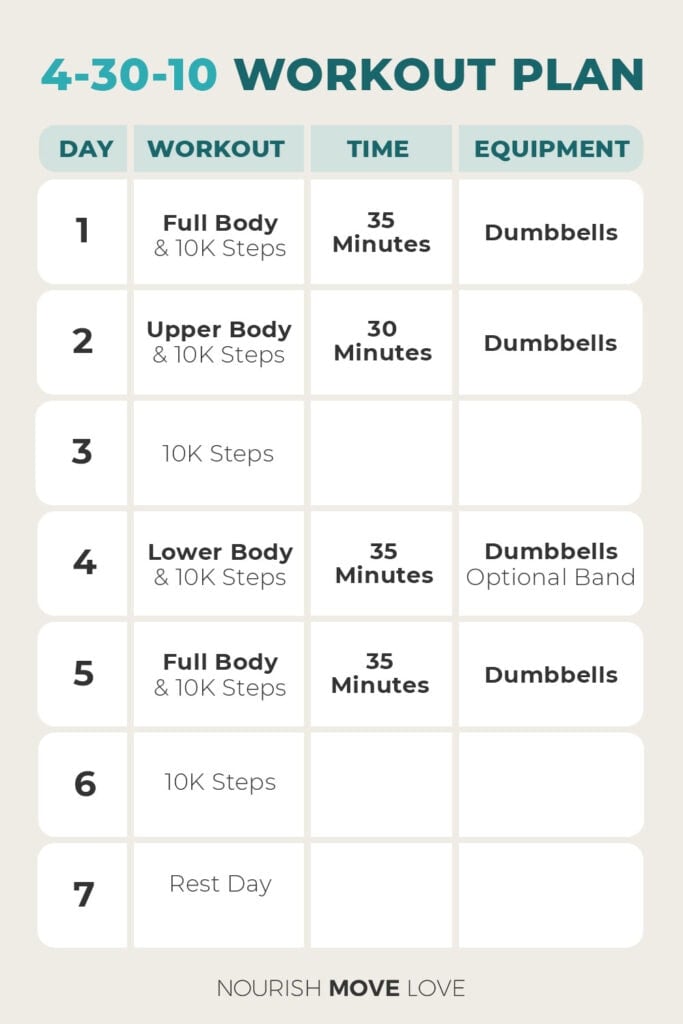
Credit: www.nourishmovelove.com
Maximizing Gains With Proper Technique
Maximizing your gains during a gym equipment workout routine depends heavily on how well you execute each movement. Proper technique not only boosts your results but also keeps injuries at bay. Paying attention to the small details in your form and workout rhythm can make a big difference in strength and muscle growth.
Form Tips For Injury Prevention
Focus on controlled movements rather than rushing through reps. Maintaining proper alignment, like keeping your back straight during deadlifts or avoiding knee collapse in squats, protects joints and muscles.
Use mirrors or ask a workout partner to check your form. Small corrections, such as adjusting grip width or foot placement, often prevent strains and improve muscle targeting.
Breathing And Tempo Control
Breathing isn’t just about oxygen—it’s a tool to enhance your performance. Exhale during the exertion phase, like pushing the weight up, and inhale as you lower it.
Control your tempo by slowing down the eccentric (lowering) part of the movement. This increases time under tension and stimulates muscle growth more effectively than fast, jerky motions.
Progressive Overload Strategies
To keep your muscles growing, you need to challenge them regularly. Add small increments in weight, increase reps, or reduce rest time between sets to push your limits.
Track your progress in a workout journal or app. This habit helps you avoid plateaus and stay motivated by seeing tangible improvements.
Creating Balanced Weekly Routines
Creating balanced weekly routines helps you train effectively and avoid injury. A good plan mixes different workouts and rest days. This balance supports muscle growth, strength, and overall fitness. It also keeps you motivated and consistent in the gym.
Split Vs Full-body Workouts
Split workouts target different muscle groups on different days. This lets muscles rest while others train. Full-body workouts hit all major muscles in one session. They are shorter but more frequent. Choose split if you want focus and volume. Full-body suits those who train fewer days.
Rest And Recovery Importance
Rest is key for muscles to repair and grow. Skipping rest leads to fatigue and injury. Recovery includes sleep, nutrition, and light activity. Plan rest days between hard workouts. Listen to your body to avoid overtraining. Recovery boosts strength and workout quality.
Sample Weekly Schedules
| Day | Split Workout | Full-Body Workout |
|---|---|---|
| Monday | Chest & Triceps | Full-Body |
| Tuesday | Back & Biceps | Rest |
| Wednesday | Legs | Full-Body |
| Thursday | Rest | Rest |
| Friday | Shoulders & Abs | Full-Body |
| Saturday | Rest | Rest |
| Sunday | Rest or Light Cardio | Rest or Light Cardio |
Tracking Progress And Adjustments
Tracking your progress and making necessary adjustments are crucial for maximizing results in any gym equipment workout routine. Without monitoring how you improve, it’s easy to lose motivation or unknowingly hit a plateau. Keeping a close eye on your workouts helps you stay on track and push your limits effectively.
Using Logs And Apps
Writing down your workouts or using a fitness app helps you remember the weights, reps, and sets you completed. This clarity shows your progress over weeks and months.
Apps like Strong or MyFitnessPal offer easy ways to log exercises and analyze trends. You can spot if you’re consistently increasing weights or if your reps have stalled.
Have you tried tracking your workouts? Even a simple notebook can reveal patterns you might miss otherwise.
Recognizing Plateaus
A plateau happens when your progress stalls despite regular training. Your strength, endurance, or muscle gains may stop improving for weeks.
Signs include feeling unusually tired during workouts or not being able to lift heavier weights. Don’t ignore these signals—they mean your body needs a change.
Ask yourself: Are you pushing harder, but seeing no gains? This moment is your cue to rethink your routine.
Modifying Routines For Continued Growth
Adjustments keep your workouts challenging and effective. Changing the number of reps, sets, or weights can shock your muscles into new growth.
Try swapping exercises or adding interval training to boost intensity. Even small tweaks, like shortening rest times, can make a big difference.
What part of your workout feels too easy right now? Target that area with fresh variations to keep progressing.
Nutrition And Supplement Tips
Nutrition and supplements are crucial parts of your gym equipment workout routine. They directly affect your energy levels, muscle growth, and recovery speed. Without the right fuel, even the best workouts can fall short of your goals.
Fueling Workouts Properly
Your body needs the right nutrients before and after workouts to perform well and recover. Eating a balanced meal with carbs and protein about 1-2 hours before training gives you sustained energy and supports muscle repair.
Think about a banana with peanut butter or a chicken sandwich on whole grain bread. These options provide quick energy and essential amino acids. Have you noticed how your energy dips when you skip this step?
Supplements To Support Gains
Supplements can boost your progress but shouldn’t replace whole foods. Creatine helps increase strength and power during weight training. Whey protein is a fast, convenient way to meet your daily protein needs.
Other helpful supplements include branched-chain amino acids (BCAAs) for muscle recovery and omega-3s for joint health. Have you tried any supplements that made a clear difference in your workouts?
Hydration And Recovery Foods
Staying hydrated is often overlooked but essential for performance and recovery. Drink water before, during, and after your workout to keep muscles working efficiently.
After training, eat foods rich in protein and antioxidants to reduce muscle soreness. Think of options like Greek yogurt with berries or grilled salmon with steamed veggies. How well do you prioritize hydration and recovery in your routine?

Credit: gym-mikolo.com
Frequently Asked Questions
What Is The Best Gym Equipment For Beginners?
For beginners, start with machines like the treadmill, stationary bike, and resistance bands. These are easy to use and reduce injury risk. They help build strength and stamina gradually, allowing a smooth fitness journey.
How Often Should I Use Gym Equipment For Results?
Using gym equipment 3-5 times per week is ideal. This frequency balances workout intensity and recovery. Consistency is key for muscle growth and endurance improvement. Always allow rest days to avoid overtraining.
Can Gym Equipment Target Specific Muscle Groups?
Yes, gym equipment like leg press, lat pulldown, and chest press target specific muscles. Using different machines helps develop balanced strength. Focus on form and controlled movements for best results.
What Is A Simple Gym Equipment Workout Routine?
A simple routine includes 5-6 machines targeting all major muscles. Start with cardio, then resistance machines for legs, back, chest, and arms. Finish with core exercises. Keep workouts under 60 minutes for efficiency.
Conclusion
Using gym equipment can boost your workout results. Stick to a routine that fits your goals and fitness level. Consistency helps build strength and improve health over time. Focus on proper form to avoid injuries. Small steps lead to big changes.
Stay patient and keep pushing forward. Your body will thank you for the effort. Enjoy the process and celebrate your progress.







