
Have you ever glanced at a playground or park and thought about how fun and effective those basic exercises could be for getting in shape? If you’re looking to build strength, improve flexibility, and boost your overall fitness without the need for fancy gym equipment, a calisthenics workout routine might be just what you need.
Imagine transforming your body using only your own weight, anywhere and anytime. It’s not just about exercise; it’s about gaining control over your body and mind. In this guide, you’ll uncover a beginner-friendly calisthenics routine that will not only strengthen your muscles but also ignite your passion for fitness.
Curious to see how you can harness the power of calisthenics to sculpt a healthier, more vibrant you? Keep reading to find out.
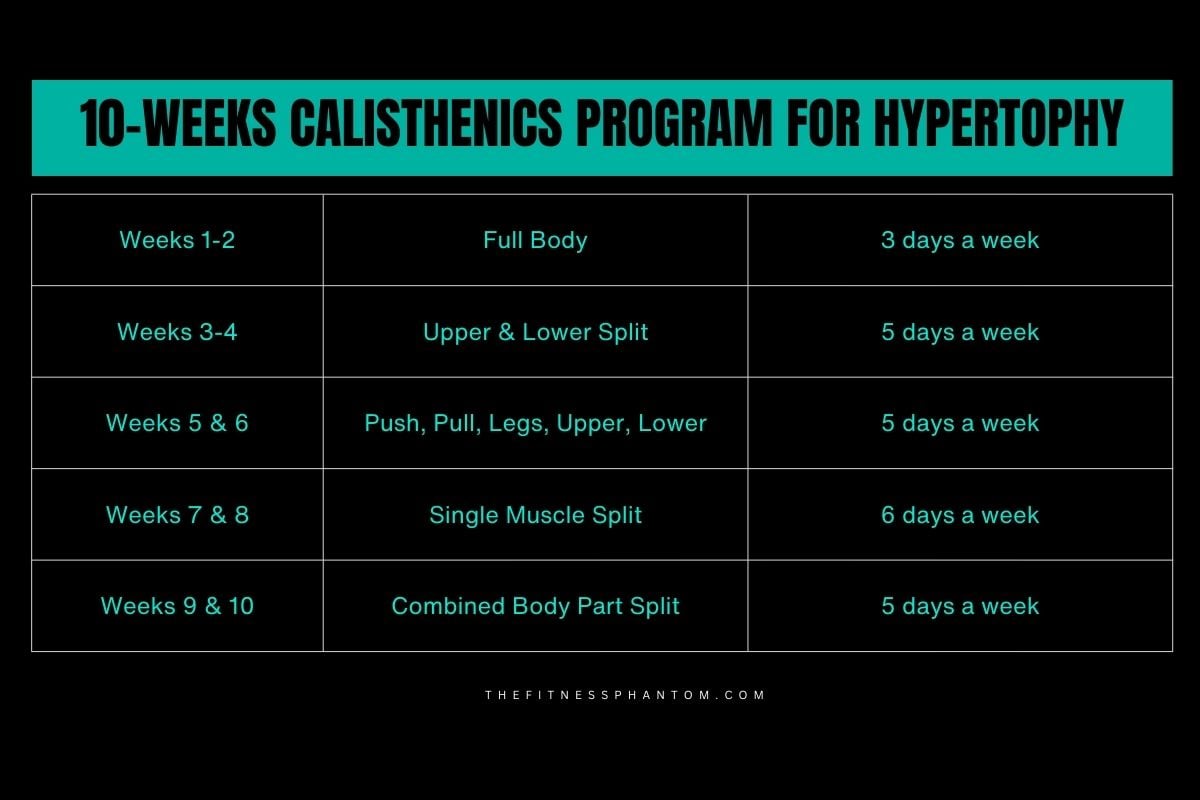
Credit: thefitnessphantom.com
Benefits Of Calisthenics
Calisthenics offers a unique way to build fitness without the need for fancy gyms or heavy weights. It focuses on using your own body to develop strength, flexibility, and control. You might wonder why so many beginners find calisthenics appealing—let’s look at the key benefits that could change how you approach your workouts.
Improved Strength And Flexibility
Calisthenics exercises challenge multiple muscle groups at once, helping you gain balanced strength. Unlike machines that isolate muscles, these movements mimic natural body patterns, making everyday activities easier. You’ll notice your flexibility improve as you stretch and move through full ranges of motion regularly.
Think about how a simple push-up not only strengthens your chest and arms but also engages your core and stabilizers. Over time, these exercises can help you move better and reduce the risk of injuries. What daily tasks could become easier if your body was both stronger and more flexible?
Minimal Equipment Needed
One of the best things about calisthenics is that you don’t need a gym membership or expensive gear. A pull-up bar or even just a sturdy ledge can be enough to get started. This makes it easier to workout anywhere—at home, in the park, or while traveling.
This simplicity means you can focus more on your form and consistency rather than worrying about machines or weights. Have you ever noticed how much time you spend just moving between gym equipment? With calisthenics, you cut out those distractions and stay in the flow.
Enhanced Body Awareness
Calisthenics requires you to control your body through space, which sharpens your awareness of how you move. You learn to engage muscles you might not have known existed and improve your balance and coordination. This awareness can carry over to all areas of life, from sports to posture improvement.
When I first started, I was surprised by how much I had to focus on small adjustments to get a movement right. This attention to detail helped me discover weaknesses and fix imbalances I hadn’t noticed before. What parts of your body might you be ignoring that could benefit from better control?
Essential Warm-up Exercises
Warming up before your calisthenics routine isn’t just a formality—it sets the tone for your entire workout. Essential warm-up exercises prepare your muscles and joints, helping you avoid injury and improve performance. Skipping this step might leave you stiff or sore, which can slow down your progress.
Dynamic Stretching
Dynamic stretching means moving your muscles through their full range of motion. Instead of holding a stretch, you actively move, like swinging your arms or leg swings. This wakes up your muscles and increases blood flow, making you feel ready to tackle more intense exercises.
Try arm circles, leg swings, or walking lunges. These movements are simple but effective for loosening tight spots. Have you noticed how a quick set of leg swings can make squats feel smoother?
Joint Mobility Drills
Your joints need attention too. Mobility drills focus on the shoulders, hips, knees, and ankles—the key players in calisthenics moves. Gentle rotations and controlled movements keep these joints healthy and flexible.
Think about shoulder circles, hip openers, or ankle rolls. These drills improve your range of motion and reduce stiffness. How much easier does a pull-up feel when your shoulder joints are properly warmed up?
Light Cardio Activation
Light cardio gets your heart pumping and your body temperature up. This can be jumping jacks, jogging in place, or skipping rope. Even a minute or two is enough to enhance blood flow and energize your muscles.
This step connects your warm-up to the workout ahead, making transitions smoother. Have you ever noticed how a few jumping jacks can quickly boost your focus and readiness?
Beginner Calisthenics Moves
Starting with beginner calisthenics moves sets a solid foundation for building strength and improving mobility. These exercises use your own body weight, making them accessible and effective for anyone. You can do them anywhere, and they prepare your muscles for more challenging routines without overwhelming you.
Push-ups Variations
Push-ups are a classic exercise that targets your chest, shoulders, and triceps. If regular push-ups feel too hard at first, try knee push-ups to build strength gradually. Another option is wall push-ups, which let you control the intensity while working the same muscle groups.
Once you feel stronger, mix in incline push-ups by placing your hands on a bench or table. This progression helps you avoid injury while pushing your limits. Have you noticed how even small changes in hand placement shift the workout focus?
Bodyweight Squats
Squats train your legs and glutes, improving balance and mobility. Stand with your feet shoulder-width apart, then lower your hips as if sitting in a chair. Keep your chest up and knees behind your toes to protect your joints.
Try holding the squat position for a few seconds to increase muscle engagement. Adding pulses at the bottom can also boost endurance. How long can you hold your squat without losing form?
Plank Holds
Planks strengthen your core, back, and shoulders. Start by holding a forearm plank with your body in a straight line from head to heels. Don’t let your hips sag or rise; keeping a neutral spine is key to maximizing benefits.
Begin with 15 to 20 seconds, then increase the duration as you get stronger. You can also try side planks to target your obliques. What changes do you feel in your posture after adding planks to your routine?
Glute Bridges
Glute bridges activate your glutes and lower back muscles, which are often weak in beginners. Lie on your back with your knees bent and feet flat on the floor, then lift your hips toward the ceiling. Squeeze your glutes at the top before lowering down slowly.
This move helps improve hip mobility and reduces lower back pain. Adding a hold at the peak can increase strength gains. Have you noticed how glute bridges improve your walking and running performance?
Structuring Your Workout
Structuring your calisthenics workout sets the foundation for steady progress. Without a clear plan, you might find yourself stuck or risking injury. A well-organized routine helps you track improvements and stay motivated.
Setting Reps And Sets
Decide how many repetitions (reps) and sets to perform based on your current fitness level. Starting with 8-12 reps per set is a good range for beginners aiming to build strength and endurance.
Try doing 3 sets per exercise with 1-2 minutes of rest between sets. This balance lets your muscles recover without cooling down completely. As you get stronger, increase reps or add more sets.
Rest And Recovery
Rest is just as important as the workout itself. Muscles grow and repair during rest periods, so avoid working the same muscle groups on consecutive days.
Plan rest days or alternate muscle groups to give your body enough time to recover. Listen to your body—if you feel unusually sore or tired, add extra rest.
Balancing Muscle Groups
Focus on exercises that target different muscle groups to avoid imbalances. Neglecting certain muscles can lead to poor posture and injury.
Create a routine that includes pushing movements (like push-ups), pulling movements (like bodyweight rows), and leg exercises (like squats). This approach helps build a strong, balanced physique.
Progression Techniques
Progressing in calisthenics is key to building strength and endurance. Without progression, workouts can become too easy and stall your results. Using progression techniques keeps your muscles challenged and helps you improve steadily.
These techniques focus on making exercises harder in smart ways. They target your muscles differently or increase workout volume. This approach prevents boredom and avoids injury by improving your form gradually.
Increasing Reps
One simple way to progress is by increasing repetitions. Add more reps as you feel stronger. This builds endurance and muscle size over time. Start with a number you can do with good form. Then add one or two reps each session or week.
Keep track of your reps in a journal or app. This helps you see progress clearly. Avoid rushing to do too many reps. Quality matters more than quantity for safety and gains.
Adding Variations
Changing the exercise slightly makes it harder. Variations can target muscles from different angles. For example, change hand or foot positions. Use a wider grip or try one-legged squats.
Variations also keep workouts fresh and fun. They help break through strength plateaus. Pick variations that challenge you but still allow good form. Progress slowly to avoid injury.
Incorporating Tempo Changes
Tempo means the speed of each movement. Slowing down the lowering phase increases muscle tension. This builds strength even with fewer reps. Try counting seconds as you lower or lift your body.
Pause holds in difficult positions also improve control. For example, hold the bottom of a push-up for a few seconds. Tempo changes improve muscle endurance and focus. They add variety without needing extra equipment.

Credit: www.scribd.com
Common Mistakes To Avoid
Starting a calisthenics workout routine is exciting, but beginners often stumble on the same hurdles. Avoiding common mistakes can make a big difference in your progress and help prevent injuries. Let’s look at some pitfalls that can slow you down or cause setbacks.
Poor Form
Using incorrect form is one of the biggest mistakes you can make. It not only reduces the effectiveness of your workout but also increases the risk of injury. For example, rounding your back during push-ups puts unnecessary strain on your shoulders and spine.
Focus on mastering the basic movements slowly. Record yourself or use a mirror to check your posture. Ask yourself: Am I feeling the right muscles working, or is something else taking the load?
Overtraining
It’s tempting to push hard when you’re motivated, but overtraining can backfire. Your muscles need time to recover and grow stronger. Training every day without rest can lead to fatigue, soreness, and even burnout.
Try setting a schedule that includes rest days or lighter sessions. Listen to your body—are you feeling excessively tired or struggling to complete your usual reps? Taking a break can actually speed up your progress.
Neglecting Warm-up
Skipping warm-ups may save time, but it’s risky. Warm-ups prepare your muscles and joints for exercise, reducing the chance of strains or pulls. Jumping straight into intense exercises increases injury risk and can leave you feeling stiff afterward.
Simple activities like arm circles, leg swings, or light jogging for 5-10 minutes can make a big difference. Ask yourself: Did I give my body a chance to wake up before diving in?
Nutrition Tips For Faster Results
Nutrition plays a crucial role in how fast you see results from your calisthenics workout routine. It’s not just about eating less or more but about eating right. What you fuel your body with impacts your strength, recovery, and overall progress.
Balanced Diet Essentials
Your body needs a mix of nutrients to perform and recover well. Focus on getting enough protein, carbohydrates, and healthy fats every day.
- Protein:Helps repair muscles after workouts. Include chicken, fish, beans, or tofu in your meals.
- Carbohydrates:Provide energy for your exercises. Opt for whole grains, fruits, and vegetables.
- Healthy fats:Support hormone production and joint health. Add nuts, seeds, and avocados to your diet.
Have you checked if your meals are hitting all these key nutrients?
Hydration Importance
Water is often overlooked but is vital for muscle function and recovery. Even mild dehydration can reduce your strength and endurance during workouts.
Drink water consistently throughout the day, not just during exercise. A good rule is to sip water before, during, and after your workout session.
Think about how much water you drink daily. Can you increase it to improve your workout performance?
Post-workout Nutrition
What you eat after exercising matters for muscle growth and recovery. Aim to eat a small meal or snack within 30 to 60 minutes after your workout.
This meal should combine protein and carbohydrates. For example, a smoothie with protein powder and a banana works well.
Skipping this window might slow down your progress. What quick and healthy post-workout options can you prepare in advance?
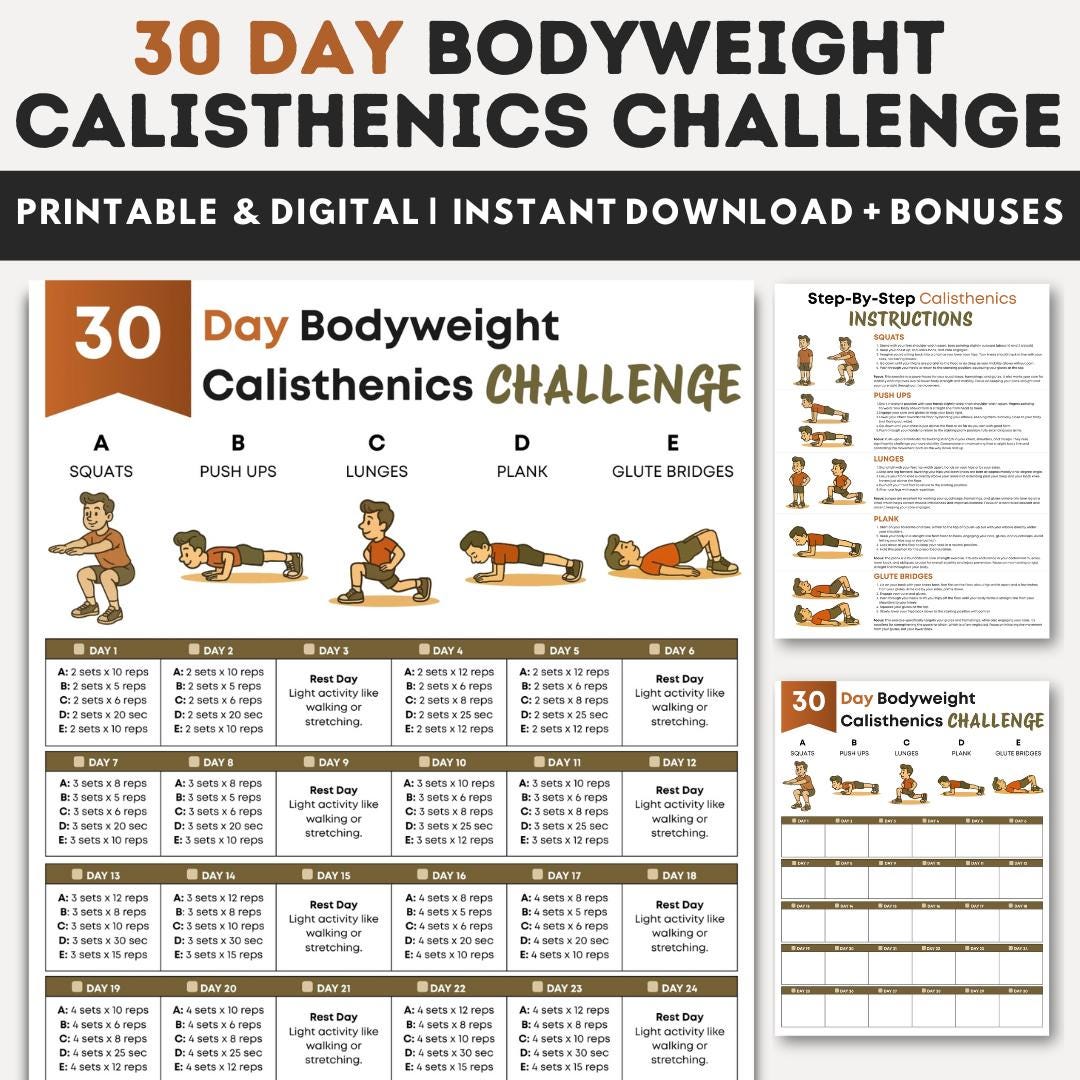
Credit: www.etsy.com
Tracking Your Progress
Tracking your progress is key to staying motivated in your calisthenics journey. It helps you see how far you have come and keeps you focused on your goals. Recording small wins builds confidence and keeps your routine on track.
Using Workout Logs
Workout logs are simple tools to record your exercises. Write down the number of reps, sets, and rest time after each session. This helps you notice improvements and areas needing work. You can use a notebook or a mobile app for logging.
- Note the exercises completed.
- Record the reps and sets.
- Track rest periods between sets.
- Write down how you feel after workouts.
Setting Realistic Goals
Realistic goals keep you motivated without causing frustration. Start with small targets like adding one more rep or holding a plank for five seconds longer. Adjust goals based on your progress. Clear, achievable goals help measure success clearly.
Celebrating Milestones
Celebrate every milestone to boost your morale. Completing your first full set or improving your form deserves recognition. Small rewards or a rest day can mark achievements. These celebrations encourage you to continue and enjoy the process.
Frequently Asked Questions
What Is The Best Calisthenics Workout For Beginners?
A beginner calisthenics workout includes push-ups, squats, planks, and pull-ups. Start with low reps and focus on form to build strength gradually.
How Often Should Beginners Do Calisthenics Workouts?
Beginners should do calisthenics workouts 3 to 4 times per week. This frequency allows proper muscle recovery and steady progress without overtraining.
Can Calisthenics Improve Overall Fitness Quickly?
Yes, calisthenics builds strength, flexibility, and endurance fast. Consistent practice improves muscle tone and cardiovascular health effectively.
Do I Need Equipment For A Beginner Calisthenics Routine?
Most beginner calisthenics exercises require no equipment. However, a pull-up bar can enhance your routine for upper body strength.
Conclusion
Starting calisthenics is simple and requires no special gear. Stick to the routine and practice regularly. You will notice your strength and balance improve. Small steps lead to big changes over time. Enjoy the process and stay patient with yourself.
Remember, consistency beats intensity for beginners. Keep your body moving and your mind focused. This workout can fit into any busy schedule. Challenge yourself gently and celebrate each success. Your journey to fitness begins with one move.







