
Are you ready to step into the gym for the first time but feeling a little unsure about what to do? You’re not alone.
Many people feel a mix of excitement and nerves when they plan their first gym workout. You might wonder about the right exercises, how to use the equipment, or even what to wear. Don’t worry—this guide is here to help you ease into your new fitness journey with confidence.
Imagine walking in with a clear plan and leaving with a sense of accomplishment. By the end of this article, you’ll feel prepared and motivated to make the most out of your first gym experience. Let’s dive in and discover the secrets to a successful first workout!

Credit: theeverygirl.com
Preparing For Your First Gym Day
Preparing for your first gym day sets the tone for your fitness journey. Feeling ready helps reduce nerves and boosts confidence. A little planning can make your visit more enjoyable and productive. Focus on three key areas before stepping into the gym.
Choosing The Right Gym
Pick a gym close to your home or work. Convenience helps you stay consistent with workouts. Check the gym’s equipment and cleanliness. Visit at the time you plan to work out. Notice the crowd size and staff friendliness. Choose a place where you feel comfortable and safe.
Essential Gym Gear
Wear breathable clothes that allow easy movement. Choose supportive shoes made for exercise. Bring a water bottle to stay hydrated. Carry a small towel to wipe sweat. A lock for lockers keeps your belongings safe. Pack a gym bag with these basics to stay prepared.
Setting Realistic Goals
Start with small, clear goals like exercising twice a week. Focus on improving strength, stamina, or flexibility step by step. Avoid setting goals that are too hard or too fast. Track your progress to stay motivated. Celebrate small wins to keep going strong.
Warm-up And Stretching Tips
Warming up and stretching are often overlooked, but they play a crucial role in your first gym workout. They prepare your body for exercise, reduce the risk of injury, and improve your overall performance. Think of them as a way to wake up your muscles and joints, setting the stage for a more effective session.
Dynamic Warm-up Exercises
Dynamic warm-ups get your blood flowing and muscles ready for action. Unlike static stretching, these involve movement that mimics the exercises you’ll do during your workout.
- Leg Swings:Stand next to a wall for balance and swing one leg forward and backward. This loosens up your hips and hamstrings.
- Arm Circles:Extend your arms and make small to large circles. This activates your shoulder joints and improves mobility.
- Walking Lunges:Step forward into a lunge, then bring the back foot forward and repeat. It warms up your legs and glutes while improving balance.
Have you noticed how these movements start to increase your heart rate gently? That’s exactly what you want before jumping into heavier exercises.
Key Stretching Techniques
Stretching after warming up helps maintain flexibility and reduce muscle tightness. Focus on controlled, gentle stretches rather than pushing to the point of discomfort.
- Standing Quadriceps Stretch:Hold your ankle behind you and pull gently toward your glutes. Keep your knees close to each other.
- Seated Hamstring Stretch:Sit with one leg extended and reach toward your toes. Keep your back straight to avoid strain.
- Chest Opener Stretch:Clasp your hands behind your back and lift your chest. This opens up your shoulders and chest muscles.
Stretching should feel like a relief, not pain. If you find any stretch uncomfortable, ease off and try a different angle. How flexible are you willing to become over time by adding these simple stretches?
Beginner-friendly Workout Plan
Starting a gym routine can feel challenging. A beginner-friendly workout plan makes it easier to begin. This plan focuses on simple exercises that build strength and improve fitness.
Each workout targets different parts of the body and includes easy moves. These exercises help you gain confidence and avoid injury. The goal is steady progress with clear, manageable steps.
Full-body Workouts
Full-body workouts engage multiple muscles at once. This saves time and helps build overall strength. A simple full-body routine might include:
- Bodyweight squats
- Push-ups (use knees if needed)
- Plank holds for core strength
- Walking lunges
- Light dumbbell rows
Perform each exercise for 30 seconds to 1 minute. Rest for 30 seconds between sets. Repeat the circuit 2-3 times depending on your energy.
Cardio Basics
Cardio exercises improve heart health and stamina. Start with low-impact activities like:
- Walking on the treadmill
- Using an elliptical machine
- Light cycling on a stationary bike
- Jump rope at a slow pace
Begin with 10-15 minutes and increase time gradually. Keep your pace steady but comfortable. Aim for 3 sessions per week to build endurance.
Strength Training Starter Moves
Strength training builds muscle and tones your body. Focus on basic moves using your body weight or light weights:
- Wall sits for leg strength
- Seated dumbbell presses
- Glute bridges
- Dead bugs for core
- Step-ups on a low bench
Complete 2 sets of 10-12 reps each. Rest for 30 seconds between sets. Increase weight or reps slowly as strength improves.
Proper Exercise Form And Technique
Mastering proper exercise form and technique is key to making your first gym workout effective and safe. It helps you target the right muscles and prevents injuries that can set you back. Focusing on form might feel slow at first, but it builds a solid foundation for all future workouts.
Common Mistakes To Avoid
Many beginners rush through exercises, sacrificing form for speed or heavier weights. This often leads to poor posture, like arching your back during squats or locking your knees during leg presses.
Here are some common mistakes you should watch out for:
- Not engaging your core, which reduces stability.
- Using momentum instead of controlled movements.
- Holding your breath instead of breathing steadily.
- Letting your knees collapse inward during lunges or squats.
Have you ever felt pain during or after a workout? That’s usually a sign your form needs adjustment. Taking time to learn and practice the correct technique pays off in the long run.
Using Gym Equipment Safely
Gym machines and free weights can be intimidating on your first visit. Learning how to use them correctly protects you from injury and helps you get the most from your workout.
Always start by adjusting the equipment to fit your body. For example, setting the seat height on a leg press so your knees bend at about 90 degrees.
Follow these tips for safe equipment use:
- Read instructions or watch demonstration videos before trying new machines.
- Start with lighter weights to focus on form.
- Ask gym staff for help if you’re unsure.
- Use collars on barbells to keep weights secure.
Using equipment safely isn’t just about avoiding injury—it also helps you build confidence as you learn. What’s one machine you’re curious to try but haven’t dared yet?
Post-workout Recovery
Post-workout recovery is key to feeling good after your first gym session. It helps your body heal and get ready for the next workout. Taking time to recover reduces soreness and lowers injury risk. A proper recovery plan improves your strength and stamina over time.
Cool-down Routines
Cooling down slows your heart rate gradually. It stops your body from feeling stiff or dizzy. Simple stretches loosen tight muscles. Gentle walking or slow cycling helps blood flow. Focus on breathing deeply to relax your body. Spend at least 5 to 10 minutes on these activities.
Nutrition And Hydration Tips
Eating the right foods fuels muscle repair. Choose meals rich in protein and healthy carbs. Examples include chicken, eggs, rice, and vegetables. Drink water before, during, and after exercise. Staying hydrated prevents cramps and fatigue. Avoid sugary drinks and alcohol as they dehydrate you.
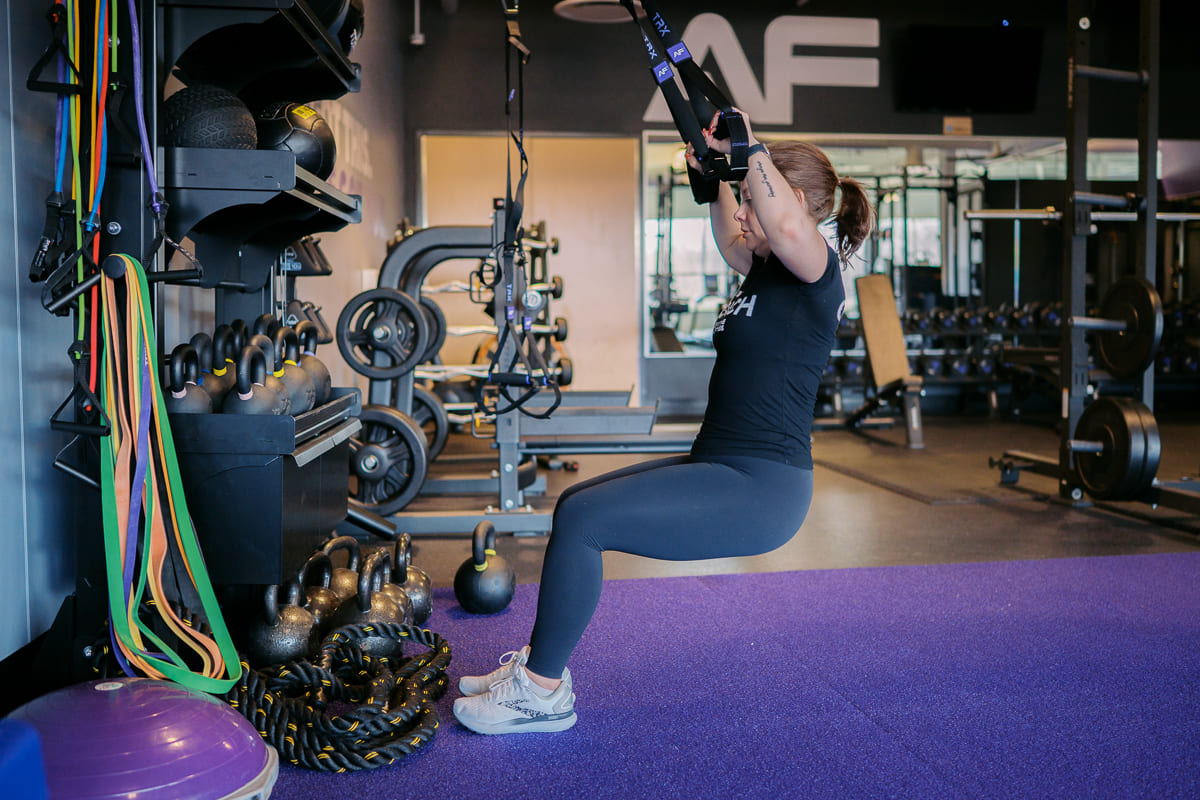
Credit: www.anytimefitness.com
Staying Motivated And Consistent
Staying motivated and consistent is key for a successful first time gym workout. Motivation drives you to start, but consistency keeps you going. It builds habits and helps you see real progress. Without steady effort, results stay far away. Small daily wins add up to big changes. Focus on your goals and celebrate every step forward.
Tracking Progress
Tracking progress helps you stay motivated. Write down your workouts and weights. Note how many reps and sets you complete. Use a journal or a simple app. Seeing your growth boosts confidence and pushes you further.
- Record workout dates and exercises
- Track weights and repetitions
- Note how you feel after each session
- Review progress weekly or monthly
Overcoming Challenges
Challenges are normal in your fitness journey. Feeling tired or busy can stop you. Plan workouts around your schedule. Rest when needed but avoid skipping too often. Find a workout buddy or join group classes. They help keep you accountable and motivated.
- Set realistic goals to avoid frustration
- Break workouts into smaller, manageable parts
- Celebrate small achievements to stay positive
- Learn from setbacks and keep trying

Credit: www.majorfitness.com
Frequently Asked Questions
What Should I Wear For My First Gym Workout?
Wear comfortable, breathable clothes and supportive shoes. Avoid restrictive fabrics. Dress appropriately for the workout type and gym rules.
How Long Should A First-time Gym Workout Last?
Start with 30 to 45 minutes. Include warm-up, main exercises, and cool-down. Avoid overexertion to prevent injury.
What Exercises Are Best For First-time Gym Users?
Focus on basic compound movements like squats, push-ups, and light cardio. These build a solid fitness foundation.
How Often Should A Beginner Go To The Gym?
Aim for 3 times per week with rest days. Consistency helps build strength and endurance safely.
Conclusion
Starting your first gym workout can feel hard but is worth it. Keep your goals clear and take small steps each time. Rest well and eat healthy to help your body grow strong. Stay patient; progress comes with time and effort.
Enjoy the process and celebrate every little win. The gym becomes easier with practice and confidence. You are on a good path to better health and fitness. Keep going, and you will see great results soon.







