
Feeling overwhelmed with the idea of committing to a daily workout routine? You’re not alone.
The good news is that you don’t need to hit the gym every day to see results. Working out just three times a week can transform your health, boost your energy, and even improve your mood. Imagine feeling fitter, stronger, and more confident with just a few hours of exercise each week.
Curious about how this can fit into your busy schedule and deliver noticeable benefits? Stick around, because we’re about to reveal the secrets to maximizing your workout effectiveness without sacrificing too much of your precious time. Your body and mind will thank you for it!
Benefits Of A Three-day Workout Plan
Committing to a workout three times a week can transform your health without overwhelming your schedule. This balanced approach gives your body enough time to recover while consistently pushing it toward better fitness. The benefits stretch beyond just physical changes—they impact how you feel and function every day.
Boosting Metabolism
Working out three times a week keeps your metabolism active without causing burnout. Each session sparks your body’s calorie-burning engine, even after you’ve finished exercising. Have you noticed how a well-paced routine makes it easier to maintain or lose weight without starving yourself?
Short, intense workouts increase your metabolic rate for hours. This means your body continues to burn calories while you rest. This approach is more effective than sporadic, longer sessions that can leave you drained.
Improving Muscle Tone
Regular workouts spaced out over the week help you build and maintain muscle tone steadily. You don’t need daily gym visits to see your muscles become firmer and more defined. The key is consistency and allowing muscles to recover between sessions.
Try mixing strength training and bodyweight exercises in your routine. You’ll notice your clothes fit better and your body looks more sculpted. Have you tried tracking your progress with photos? It can reveal subtle changes that the scale might miss.
Enhancing Mental Health
Exercise three times a week can lift your mood and reduce stress significantly. Physical activity releases endorphins that help combat anxiety and depression. Even on tough days, a short workout can change how you feel.
Have you ever finished a workout feeling clearer and more focused? This mental boost improves your productivity and overall well-being. Consistency matters here—regular movement keeps your mind sharp and your outlook positive.
Choosing The Right Exercises
Choosing the right exercises for your three-times-a-week workout can make all the difference in how effective and enjoyable your routine feels. The key is to balance different types of movements that build strength, boost endurance, and keep your body flexible. Think about what your goals are and what your body needs to stay strong and healthy over time.
Strength Training Essentials
Strength training is crucial for building muscle and improving bone density. Focus on compound exercises like squats, deadlifts, and push-ups that work multiple muscle groups at once. These moves save time and give you better results.
Start with weights or resistance bands that challenge you without causing strain. Pay attention to form to avoid injury, and gradually increase the weight as you get stronger. Have you noticed how just a few sessions of strength training can boost your energy throughout the day?
Incorporating Cardio
Cardio workouts keep your heart healthy and improve your stamina. You don’t need to run marathons; even brisk walking, cycling, or jumping rope for 20-30 minutes can make a big impact.
Try mixing steady-state cardio with short bursts of higher intensity. This variety keeps your workouts exciting and helps burn more calories. What’s your favorite way to get your heart rate up without feeling like a chore?
Flexibility And Mobility Moves
Flexibility and mobility exercises help prevent injuries and improve your overall movement quality. Stretching after your workout or doing yoga sessions on rest days can keep your muscles loose and joints healthy.
Simple moves like hip openers, shoulder rolls, and hamstring stretches support your strength and cardio work. Have you ever felt how much easier daily tasks become when your body moves freely without tightness?
Sample Weekly Workout Schedule
A well-structured workout plan helps maintain balance and progress. Exercising three times a week fits many busy schedules. This sample weekly workout schedule targets strength, cardio, core, and recovery. Each day focuses on a specific goal to improve overall fitness. Follow this plan to build strength, boost endurance, and enhance flexibility.
Day 1: Full Body Strength
Start with a warm-up to prepare muscles and joints. Focus on major muscle groups during strength training. Use weights or bodyweight exercises for variety.
- Squats – 3 sets of 12 reps
- Push-ups – 3 sets of 10 reps
- Dumbbell Rows – 3 sets of 12 reps per arm
- Plank – 3 sets of 30 seconds
- Lunges – 3 sets of 10 reps per leg
End with light stretching to cool down.
Day 2: Cardio And Core
Warm up with light jogging or jumping jacks. Cardio exercises improve heart health and burn calories. Core workouts strengthen abdominal and back muscles.
- Running or brisk walking – 20 minutes
- Bicycle Crunches – 3 sets of 15 reps
- Mountain Climbers – 3 sets of 20 seconds
- Leg Raises – 3 sets of 12 reps
- Russian Twists – 3 sets of 20 reps
Cool down with gentle stretches focused on the core.
Day 3: Mobility And Recovery
Focus on gentle movements to improve flexibility and reduce soreness. Use foam rolling or light stretching for recovery. This day helps your body heal and stay flexible.
- Dynamic stretches – 10 minutes
- Yoga poses like Child’s Pose and Downward Dog – 15 minutes
- Foam rolling on tight muscles – 10 minutes
- Deep breathing exercises – 5 minutes
End with slow, relaxed breathing to calm your mind and body.
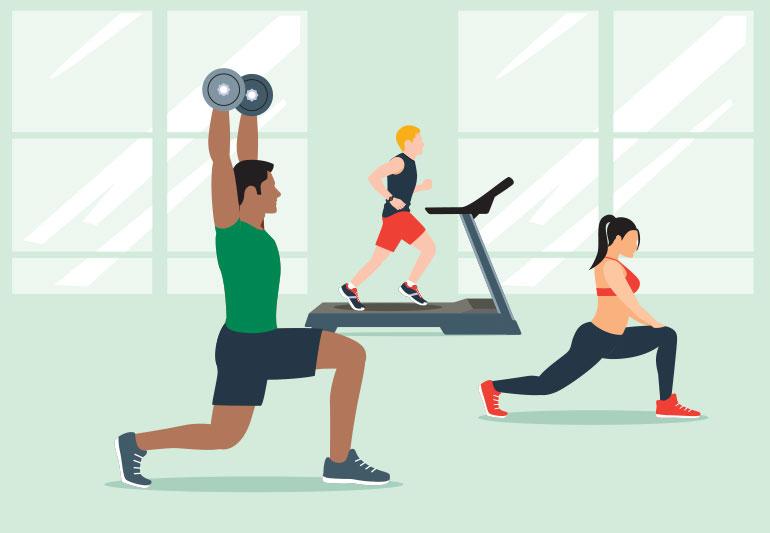
Credit: health.clevelandclinic.org
Maximizing Results With Nutrition
Nutrition plays a crucial role in how your body responds to working out three times a week. Eating the right foods at the right times can boost your energy, speed up recovery, and help you see better results faster. Have you ever noticed how some days your workouts feel tougher? What you eat before and after exercise could be the reason.
Pre-workout Fuel
Eating before a workout gives you the energy you need to push harder. Aim for a mix of carbs and protein about 30 to 60 minutes before exercising. Good options include a banana with peanut butter, a small bowl of oatmeal, or yogurt with some berries.
Avoid heavy, greasy foods that can weigh you down. Instead, choose snacks that digest quickly so you don’t feel sluggish. What’s your go-to snack before hitting the gym?
Post-workout Recovery Meals
After your workout, your body needs nutrients to repair muscles and replenish energy stores. Focus on meals rich in protein and carbohydrates within an hour of finishing. Think grilled chicken with quinoa and veggies or a smoothie with protein powder, spinach, and fruit.
Adding healthy fats, like avocado or nuts, can also help reduce inflammation. Skipping your post-workout meal can slow progress and leave you feeling drained. Have you noticed how eating right after exercise changes your recovery?
Hydration Tips
Staying hydrated is just as important as what you eat. Water helps transport nutrients and keeps your muscles working properly. Drink at least 8 ounces of water before your workout and sip regularly during exercise.
If you sweat heavily, consider a drink with electrolytes to replace lost minerals. Watching your hydration can make a big difference in how you feel and perform. How often do you check your water intake throughout the day?
Tracking Progress And Staying Motivated
Tracking progress keeps your workouts focused and effective. It helps you see improvements clearly. Staying motivated becomes easier when you notice small wins regularly. This section covers simple ways to track your journey and keep your energy high.
Setting Realistic Goals
Goals give your workouts a clear direction. Choose targets that are easy to reach at first. For example, aim to increase your workout time by five minutes each week. Realistic goals prevent frustration and encourage steady progress. Write your goals down and review them often.
Using Fitness Apps
Fitness apps help track workouts and measure progress. They offer features like timers, calorie counters, and workout logs. Many apps send reminders to keep you on schedule. Choose an app that fits your needs and is easy to use. Regular app use creates a habit and builds motivation.
Celebrating Milestones
Small wins deserve recognition. Celebrate reaching a new goal or sticking to your plan for a month. Rewards can be simple, like a relaxing day or a favorite healthy treat. Marking milestones boosts confidence and makes workouts enjoyable. Share your achievements with friends for extra support.

Credit: betterme.world
Avoiding Common Workout Mistakes
Working out three times a week can bring great results, but only if you avoid some common mistakes that many people make. These errors can slow your progress, cause injuries, or leave you feeling frustrated. Let’s look at some key pitfalls and how to steer clear of them.
Overtraining Risks
Exercising too much without enough rest can harm your body more than help it. Your muscles need time to recover and grow stronger after workouts.
Have you ever felt exhausted or sore days after a session? That might be a sign you’re pushing too hard. Stick to your three-day schedule and listen to your body’s signals. Rest days are just as important as workout days.
Ignoring Proper Form
Using incorrect technique is a fast track to injury and poor results. Even if you’re eager to lift heavier or move faster, your form should always come first.
I once ignored form during squats, which led to knee pain for weeks. Fixing my posture and slowing down made a big difference. If you’re unsure, ask a trainer or watch reliable videos to learn the right movements.
Skipping Warm-ups And Cool-downs
Jumping straight into intense exercise can shock your muscles and joints. Warm-ups prepare your body for activity, while cool-downs help it recover.
Try spending 5-10 minutes warming up with light cardio or dynamic stretches. After your workout, take time to stretch and breathe deeply. This simple habit reduces soreness and improves flexibility.

Credit: parade.com
Frequently Asked Questions
How Effective Is Working Out Three Times A Week?
Working out three times a week improves fitness, builds strength, and supports weight management. It balances exercise with recovery, reducing injury risk. Consistency is key for noticeable results over time.
What Types Of Workouts Suit Three Times Weekly Schedule?
Full-body strength training, cardio, and flexibility exercises fit well. Combining these ensures balanced fitness. Each session should last 30-60 minutes for optimal benefits.
Can Working Out Thrice Weekly Help With Weight Loss?
Yes, regular exercise boosts metabolism and burns calories. Combined with a healthy diet, working out three times weekly supports sustainable weight loss.
How To Stay Motivated Exercising Only Three Times Per Week?
Set clear goals, track progress, and vary workouts to avoid boredom. Rest days help recovery and maintain enthusiasm.
Conclusion
Working out three times a week helps keep your body strong and healthy. It gives you energy and improves your mood. You don’t need to spend hours at the gym. Short, regular workouts make a big difference. Stay consistent and enjoy the benefits over time.
Small steps lead to lasting results. Keep moving, stay active, and feel better every day. Your body will thank you for the effort. Simple habits create a healthy lifestyle. Give yourself the time to grow stronger.







