
Are you ready to transform your fitness journey with just a pair of dumbbells? Imagine sculpting your body, boosting your energy, and building strength—all from the comfort of your home.
The best part? You don’t need to be a gym pro to get started. This beginner workout routine with dumbbells is your perfect gateway to achieving your fitness goals. Whether you’re looking to tone your muscles, shed some extra pounds, or simply improve your overall health, this routine is designed with you in mind.
Get ready to discover simple yet effective exercises that will keep you motivated and on track. By the end of this article, you’ll have the confidence and knowledge to kickstart a new chapter in your fitness journey. So, are you ready to unlock the secrets to a fitter, healthier you? Let’s dive in!
Credit: dazzlingdustbusters.com
Benefits Of Dumbbell Workouts
Dumbbell workouts offer a versatile and effective way to build strength, improve coordination, and boost overall fitness. They allow you to target multiple muscle groups with a wide range of exercises, making your workouts more dynamic and engaging.
Using dumbbells can help you achieve better muscle balance since each side of your body must work independently. This can reduce the risk of injury and improve your posture over time. Have you ever felt stuck in your fitness progress? Adding dumbbell exercises might be the key to breaking through plateaus.
Improved Muscle Activation And Balance
Dumbbells require each arm to move separately, which activates more stabilizing muscles. This leads to better muscle coordination and balance than machines or barbells. You’ll notice improvements in your daily movements and athletic activities as your muscles learn to work in harmony.
Versatility In Exercise Options
With just a pair of dumbbells, you can perform hundreds of exercises targeting every muscle group. This variety keeps your workouts interesting and lets you focus on your specific fitness goals. Whether you want to tone your arms, build chest strength, or sculpt your legs, dumbbells have you covered.
Convenience And Accessibility
Dumbbells are compact and easy to use at home or in the gym. You don’t need bulky equipment or a lot of space to get a full-body workout. This convenience can help you stay consistent, especially on busy days when getting to the gym feels impossible.
Progressive Overload Made Simple
Increasing your strength is straightforward with dumbbells because you can add small weight increments. This helps you challenge your muscles gradually without risking injury. Have you tried switching to heavier dumbbells after mastering a weight? It’s a great way to keep improving.
Enhanced Joint Health And Mobility
Because dumbbells allow a natural range of motion, they put less strain on your joints compared to some machines or fixed bars. This can reduce pain and improve flexibility over time. If you experience joint discomfort during workouts, dumbbells might offer a gentler alternative.
Essential Equipment For Beginners
Starting a workout routine with dumbbells needs the right tools. Choosing basic equipment helps beginners exercise safely and effectively.
Simple items can make a big difference in comfort and results. Focus on quality and usability over quantity.
Dumbbells
Dumbbells are the main tool for this workout. Beginners should pick a pair that fits their strength. Lighter weights help learn correct form. Adjustable dumbbells save space and money.
Workout Mat
A workout mat provides cushioning for floor exercises. It prevents slipping and protects joints. Mats come in different thicknesses. Choose one that feels comfortable and stable.
Resistance Bands
Resistance bands add variety to dumbbell workouts. They help with stretching and muscle activation. Bands come in different tension levels. Beginners start with light or medium resistance.
Water Bottle
Staying hydrated is important during workouts. A water bottle nearby encourages regular drinking. Choose a bottle that is easy to carry and clean.
Comfortable Clothing
Wear clothes that allow free movement. Breathable fabrics keep you cool. Proper shoes support your feet during exercises.
Full-body Dumbbell Routine
A full-body dumbbell routine targets all major muscle groups using simple equipment. This type of workout helps build strength, improve balance, and burn calories. It suits beginners who want an easy way to start exercising at home or in the gym.
Using dumbbells allows for a wide range of movements. It also helps correct muscle imbalances by training each side separately. This routine includes warm-up exercises and moves for upper body, lower body, and core strengthening.
Warm-up Exercises
Start with gentle movements to increase blood flow and prepare muscles. Warm-ups reduce injury risk and improve performance during the workout.
- Arm circles: rotate arms forward and backward for 30 seconds.
- Bodyweight squats: perform 10 slow squats to activate legs.
- Marching in place: lift knees high for 1 minute.
- Shoulder shrugs: lift and lower shoulders 15 times.
Upper Body Moves
Dumbbells help strengthen arms, shoulders, and chest with controlled resistance. Focus on form and controlled movement for best results.
- Bicep curls: lift dumbbells from hips to shoulders slowly.
- Overhead shoulder press: press dumbbells straight up above head.
- Dumbbell rows: bend forward, pull weights toward ribs.
- Chest presses: lie down and push dumbbells up from chest.
Lower Body Moves
Work legs, hips, and glutes with dumbbell exercises that improve strength and stability. Keep your back straight and knees aligned.
- Goblet squats: hold one dumbbell close to chest, squat down.
- Lunges: step forward holding dumbbells, bend knees.
- Deadlifts: keep dumbbells in front, bend at hips, stand up.
- Calf raises: hold dumbbells at sides, rise onto toes.
Core Strengthening
Engage your core with dumbbell moves that build stability and support posture. Control your breathing and avoid arching your back.
- Russian twists: sit with feet off floor, twist holding one dumbbell.
- Dumbbell side bends: stand and bend sideways holding dumbbell.
- Plank rows: in plank position, row dumbbells one arm at a time.
- Weighted sit-ups: hold dumbbell on chest, perform sit-ups slowly.

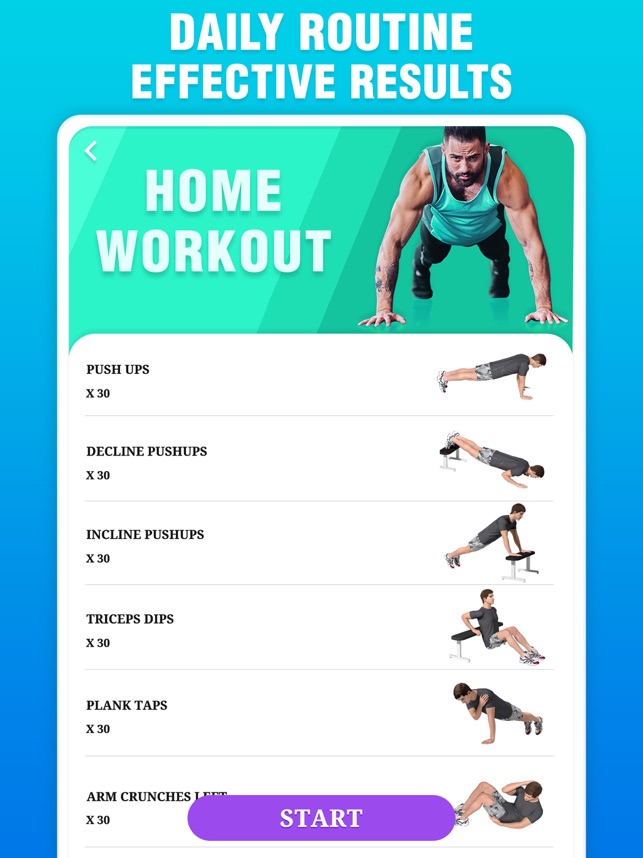
Credit: apps.apple.com
Proper Form And Technique
Proper form and technique are essential for safe and effective dumbbell workouts. Using correct posture reduces injury risk and helps target the right muscles. It also improves workout results and builds strength evenly.
Focus on controlled movements instead of speed. Keep your muscles engaged throughout each exercise. Breathing steadily supports your effort and keeps you energized.
Maintain A Neutral Spine
Keep your back straight and avoid rounding your shoulders. Align your head with your spine. A neutral spine protects your back during lifts.
Control Your Movements
Lift and lower weights slowly. Avoid swinging dumbbells or using momentum. Controlled motion increases muscle engagement and prevents strain.
Engage Your Core
Tighten your abdominal muscles during exercises. A strong core supports balance and protects your lower back. It also improves overall stability.
Use Proper Grip
Hold dumbbells firmly but not too tight. Your wrists should stay straight and stable. Avoid bending wrists to reduce injury risk.
Breathe Correctly
Exhale during the lifting phase. Inhale while lowering the dumbbells. Proper breathing helps maintain rhythm and provides oxygen to muscles.
Setting Reps And Sets
Setting reps and sets correctly helps beginners build strength safely. It guides workout intensity and duration. Choosing the right number keeps muscles challenged without causing injury. Beginners should focus on form and steady progress.
Reps mean how many times you do an exercise continuously. Sets are groups of those reps with rest in between. Both affect how your muscles grow and recover.
Understanding Reps For Beginners
Start with 8 to 12 reps per set. This range improves muscle strength and endurance. Use a weight that feels hard but lets you finish all reps. Stop if form breaks or pain occurs. Gradually increase reps as strength grows.
Choosing The Right Number Of Sets
Begin with 2 to 3 sets for each exercise. This volume helps muscles adapt without too much strain. Take 30 to 60 seconds rest between sets. Rest allows muscles to recover for the next effort. Add more sets only if you feel ready.
Adjusting Reps And Sets Over Time
Track your progress every week. Add reps or sets slowly to avoid overtraining. Changing reps and sets boosts muscle growth and fitness. Vary the routine to keep workouts interesting and effective.
Credit: www.nourishmovelove.com
Tips To Avoid Injury
Starting a dumbbell workout routine is exciting but carries some risks. Avoiding injury is key to staying consistent and making progress. Proper care and attention during exercises protect your muscles and joints.
Following simple safety tips helps you work out confidently. These tips keep your body safe and reduce pain after workouts. Injury prevention means better results and a more enjoyable fitness journey.
Warm Up Before Lifting
Warming up increases blood flow to your muscles. It prepares your body for the workout ahead. Spend 5 to 10 minutes on light cardio or dynamic stretches. This reduces muscle stiffness and lowers injury risk.
Use Correct Form
Proper technique protects joints and muscles. Avoid swinging or jerking dumbbells. Keep movements slow and controlled. Watch yourself in a mirror or record your form to improve. Correct form builds strength safely.
Start With Light Weights
Begin with weights you can lift comfortably. Too heavy weights cause strain and poor form. Gradually increase weight as your strength grows. This approach helps your muscles adapt safely.
Listen To Your Body
Pain is a warning sign. Stop if you feel sharp or persistent pain. Differentiate between muscle burn and injury pain. Rest and recover if something feels wrong. Never push through pain to avoid damage.
Maintain A Balanced Routine
Work all major muscle groups evenly. Avoid overworking one area to prevent imbalances. Include rest days for recovery. Balanced workouts support long-term fitness and injury prevention.
Progress Tracking And Adjustments
Tracking progress and making adjustments are key for a successful beginner workout routine with dumbbells. Keeping an eye on your improvements helps stay motivated and prevents plateaus. Adjustments ensure the routine stays challenging and effective as your strength grows.
Setting Clear And Simple Goals
Start with small, clear goals. For example, aim to increase reps or weight every two weeks. Write down your targets to keep focused. Clear goals make progress easy to measure and encourage consistency.
Using A Workout Journal Or App
Record your workouts in a journal or app. Note down exercises, sets, reps, and weights used. Tracking details helps spot trends and areas needing improvement. A journal creates a visual progress timeline.
Recognizing Signs To Increase Weight
Feel ready to push more? Increase dumbbell weight if exercises become too easy. If you finish sets without much effort, it’s time to go heavier. Gradual increases help build strength safely.
Adjusting Reps And Sets
Change reps and sets based on your energy and goals. More reps improve endurance; more sets build strength. Adjust these to keep workouts fresh and challenging without overdoing it.
Listening To Your Body
Pay attention to how your body feels after workouts. Soreness is normal but sharp pain is not. Rest or reduce intensity if you feel pain. Healthy progress comes from balance and care.
Sample Weekly Schedule
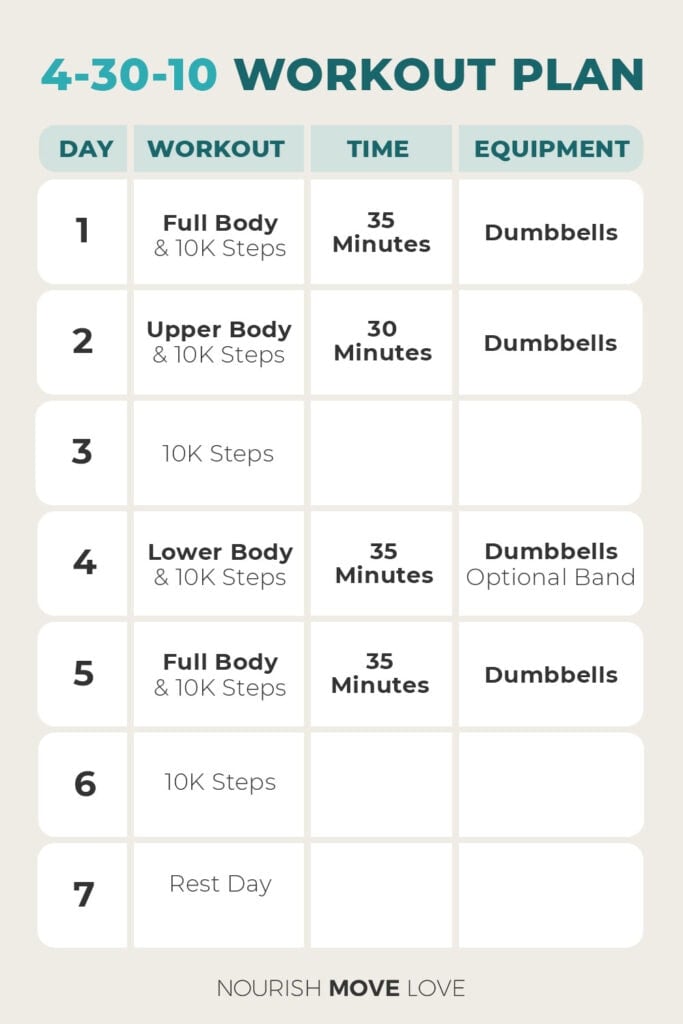
Creating a sample weekly schedule for your beginner dumbbell workouts helps you stay consistent and track your progress. The right balance of exercise days and rest days can keep your muscles growing without causing burnout. Let’s look at a simple plan that targets different muscle groups while giving your body time to recover.
Monday: Upper Body Strength
Focus on exercises like dumbbell presses, rows, and shoulder raises. These moves help build your chest, back, and shoulders. Keep the weights light at first, aiming for 2-3 sets of 10-12 reps each.
Wednesday: Lower Body And Core
Use dumbbells for squats, lunges, and deadlifts to strengthen your legs and glutes. Add planks or Russian twists for core work. This day boosts your stability and overall strength.
Friday: Full Body Workout
Combine upper and lower body exercises for a full-body session. Try a circuit of dumbbell thrusters, bent-over rows, and goblet squats. This keeps your heart rate up and builds endurance.
Rest Days And Recovery
Take Tuesday, Thursday, and the weekend off or do light activities like walking or stretching. Recovery is where your muscles repair and grow stronger. Have you noticed how skipping rest affects your energy during workouts?
Frequently Asked Questions
What Are The Best Dumbbell Exercises For Beginners?
Start with basic exercises like bicep curls, shoulder presses, dumbbell rows, squats, and lunges. These moves build strength safely and improve muscle coordination for beginners.
How Often Should Beginners Use Dumbbells Weekly?
Aim for 3 to 4 sessions per week. This frequency allows muscle recovery and steady strength gains without overtraining or injury risk.
What Weight Dumbbells Should Beginners Start With?
Choose a weight that allows 10-15 reps with good form. Typically, 5-15 pounds works well, but adjust based on your strength level.
How Long Should A Beginner Dumbbell Workout Last?
Keep workouts between 20 to 40 minutes. This duration balances effective muscle training and prevents fatigue for beginners.
Conclusion
Dumbbell workouts help build strength and improve fitness. Start slow and focus on good form. Consistency brings better results over time. Use this routine to stay active at home. Enjoy small progress and keep your goals clear. Exercise can be simple and effective for everyone.
Stay motivated and make this routine part of your day. You have what it takes to get stronger. Keep moving and feel the difference soon.







