
Are you trying to figure out the perfect workout routine? You’re not alone.
Many people wonder how many times they should exercise in a day to see results without overdoing it. Whether you’re aiming to lose weight, build muscle, or just feel better, the frequency of your workouts plays a crucial role. We’ll dive into the science and secrets behind daily workouts.
By the end, you’ll have a clear understanding of what works best for your body and goals. Keep reading to unlock the key to optimizing your fitness routine and achieving the results you’ve always wanted.

Credit: www.reddit.com
Benefits Of Multiple Workouts
Working out multiple times a day can transform your fitness routine in ways you might not expect. It’s not just about burning more calories; splitting your exercise into shorter sessions can lead to unique benefits that a single workout might miss. Think about how you feel after a quick morning jog and then a light evening stretch—your body and mind stay active and engaged throughout the day.
Enhanced Fat Burning
Multiple workouts can increase the total amount of fat your body burns. Instead of one long session, shorter workouts spread out can keep your fat-burning mechanisms active for longer periods. This happens because each workout triggers your body’s fat metabolism, so doing two or three sessions means multiple fat-burning boosts.
Have you noticed how your energy feels different when you move a bit several times a day versus sitting for hours? That’s your metabolism getting a nudge every time you exercise. You can use this to your advantage by scheduling workouts around your day, like a brisk walk during lunch and a strength session after work.
Improved Skill Acquisition
Practicing skills in smaller, focused workouts helps you learn faster. For example, if you’re training for a sport or trying to improve your form, doing short sessions multiple times allows your brain to absorb new movements better. Each time you practice, your muscles get clearer instructions, and your coordination improves more efficiently.
Instead of tiring yourself out with one long session, breaking it into parts lets you focus on quality. You’ll notice your technique sharpening quicker, and it becomes easier to build complex skills over time. How often do you pause to reflect on what you’ve learned during your workouts?
Boosted Metabolism
Working out multiple times a day can keep your metabolism elevated throughout the day. After each session, your body experiences a rise in metabolic rate, known as excess post-exercise oxygen consumption (EPOC), which means you keep burning calories even when resting. Spreading your workouts keeps this effect going longer than a single session.
This approach helps avoid the mid-day energy slump many people experience. Instead of feeling sluggish, you get regular boosts of energy that can improve your mood and productivity. What if your workout schedule could make your entire day feel more energized?
Credit: medium.com
Risks Of Overtraining
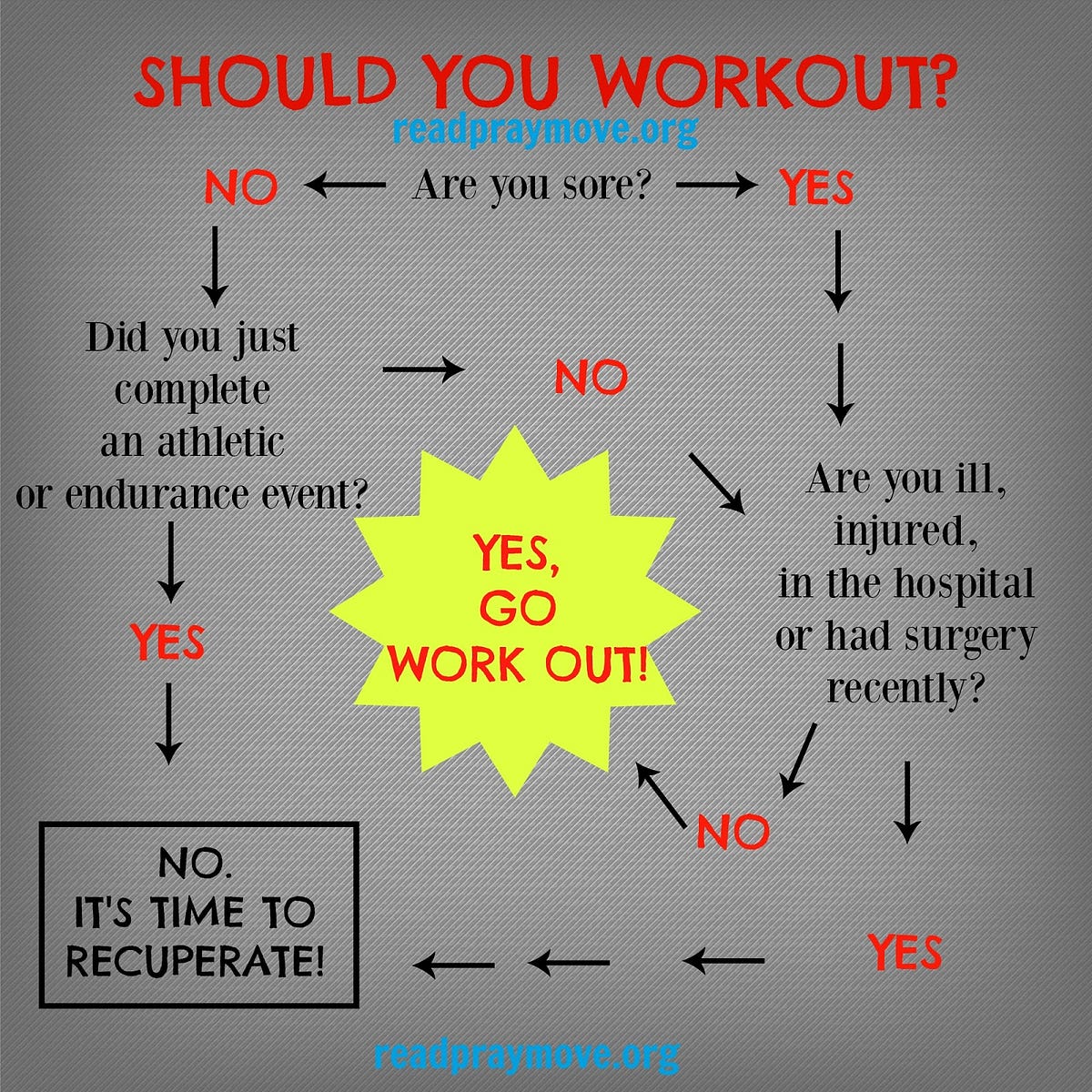
Working out multiple times a day might sound like a fast track to fitness, but it carries serious risks if not managed carefully. Overtraining can sneak up on you, reducing your performance instead of boosting it. Understanding these risks helps you protect your body and mind while still making progress.
Signs Of Fatigue
Feeling unusually tired after workouts is more than just a normal part of training. Persistent soreness, heavy limbs, and longer recovery times are red flags. If you find yourself dragging through workouts or lacking motivation, your body may be telling you it needs a break.
Have you noticed your usual workouts feeling harder than before? That’s a clear sign to pause and reassess your routine.
Injury Potential
Training too often without enough rest increases your risk of injuries like strains, sprains, or stress fractures. When your muscles and joints don’t have time to recover, they become vulnerable to damage.
Think about how often you’ve ignored a small ache only to have it turn into a bigger problem. Avoid that by listening to your body and allowing proper recovery days.
Mental Burnout
Overtraining doesn’t just affect your body; it can wear you down mentally. Constant fatigue and pressure can lead to frustration, loss of focus, and even anxiety about workouts.
Ask yourself: Are you excited to train, or is it starting to feel like a chore? If it’s the latter, it’s time to slow down and prioritize your mental health.
Factors Influencing Workout Frequency
Deciding how often to work out depends on several key factors. These elements shape your routine and affect your progress. Understanding them helps create a balanced and effective fitness plan.
Fitness Goals
Your workout frequency depends on what you want to achieve. For weight loss, more frequent sessions might help burn extra calories. Building muscle often requires rest days between workouts. Endurance training may call for consistent daily activity. Each goal needs a different approach to exercise timing.
Experience Level
Beginners should start with fewer workouts to avoid injury. The body needs time to adapt to new stress. Advanced exercisers can handle more frequent sessions safely. Experience influences how much exercise your body can take. Adjust workout days based on your fitness history.
Available Recovery Time
Recovery is vital for muscle repair and energy restoration. Limited recovery time means fewer workouts per day or week. More recovery allows for higher workout frequency and intensity. Sleep, nutrition, and stress levels also affect recovery quality. Prioritize rest to maintain consistent progress.
Ideal Workout Frequencies
Finding the right workout frequency depends on your goals and lifestyle. Some people thrive with one solid session a day. Others prefer splitting workouts to fit their energy and schedule. Understanding different workout frequencies helps you choose the best plan. Each style offers unique benefits and suits different needs.
Once Daily Sessions
Working out once a day is simple and effective. It allows focus on one main workout without rushing. Most common for those with busy schedules. You can mix strength, cardio, or flexibility in one session. Rest and recovery are easier to manage with this routine. Consistency is key for progress with daily sessions.
Two-a-day Workouts
Two workouts a day split your exercise into shorter sessions. It can boost calorie burn and improve fitness faster. Morning and evening sessions help maintain energy levels. Use one session for strength and the other for cardio. Not suitable for beginners or those with little recovery time. Proper nutrition and rest are essential here.
Multiple Short Sessions
Several short workouts throughout the day keep you active all day long. Great for those who struggle to find large time blocks. Even 5-10 minute bursts add up to good exercise. This method improves metabolism and reduces sitting time. Combine light cardio, stretching, and strength moves. Perfect for busy people wanting regular movement.
Designing A Balanced Routine
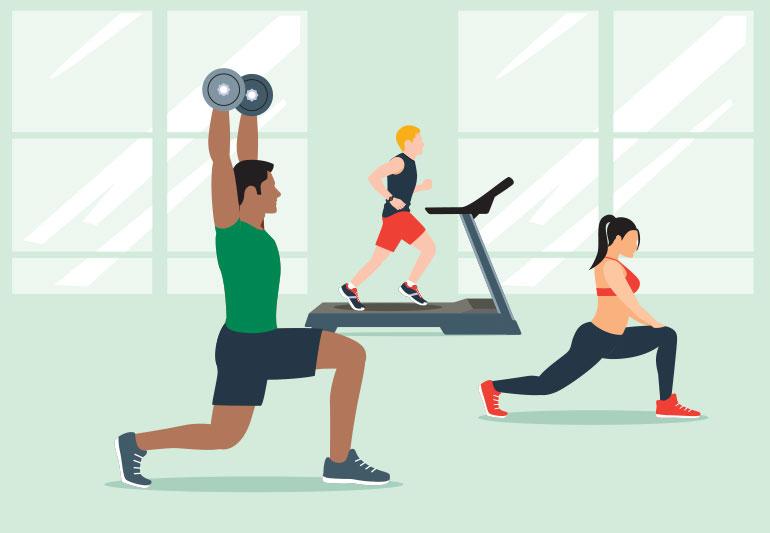
Designing a balanced workout routine helps you stay fit without burning out. It supports steady progress and reduces injury risk. A good routine mixes different exercise types and gives your body time to recover. This balance keeps workouts effective and enjoyable.
Mixing Cardio And Strength
Cardio exercises improve heart health and stamina. Strength training builds muscles and tones your body. Combining both in your routine gives full-body benefits. For example, alternate running days with weight lifting days. This mix prevents boredom and keeps your body challenged.
Scheduling Rest Days
Rest days let your muscles recover and grow stronger. Skipping rest can cause fatigue and injury. Plan at least one or two rest days each week. Use rest days for light activities like walking or stretching. This helps your body heal while staying active.
Listening To Your Body
Your body shows signs when it needs a break. Watch for pain, tiredness, or lack of motivation. Adjust your workout intensity or rest more if needed. Staying in tune with your body helps avoid overtraining. It supports long-term fitness and well-being.
Credit: health.clevelandclinic.org
Nutrition And Hydration Tips
Proper nutrition and hydration are essential for those who train multiple times a day. Eating the right foods and drinking enough fluids supports energy levels and muscle recovery. It helps you perform better and avoid fatigue. Below are key tips to manage your diet and hydration effectively during frequent workouts.
Fueling For Multiple Sessions
Eating balanced meals before workouts boosts energy. Focus on carbohydrates for quick fuel. Include protein to support muscles. Healthy fats provide lasting energy for longer sessions.
- Eat a small meal 1-2 hours before exercise
- Choose easily digestible carbs like fruits or toast
- Add lean protein such as chicken or yogurt
- Avoid heavy or greasy foods that cause discomfort
Between sessions, have light snacks to maintain energy. Nuts, bananas, or protein bars work well. Avoid skipping meals to prevent energy drops.
Post-workout Recovery
Recovery foods help repair muscles and replenish energy. Eat a mix of protein and carbs soon after exercising. This supports muscle growth and restores glycogen stores.
- Consume 20-30 grams of protein like eggs or whey
- Add carbs such as rice, potatoes, or fruit
- Include some healthy fats like avocado or nuts
- Try to eat within 30-60 minutes after training
Proper recovery reduces soreness and prepares you for the next workout. Avoid high sugar foods that may cause energy crashes.
Hydration Strategies
Staying hydrated maintains performance and prevents cramps. Drink water before, during, and after workouts. For long or intense sessions, consider electrolyte drinks.
- Start your day with a glass of water
- Drink 7-10 ounces every 10-20 minutes during exercise
- Rehydrate with 16-24 ounces after each session
- Monitor urine color; pale yellow means good hydration
Limit caffeine and alcohol as they can dehydrate you. Consistent hydration supports overall health and workout recovery.
Tracking Progress And Adjustments
Tracking your workout progress is crucial for understanding how your body responds to exercise frequency. Without monitoring, it’s easy to push too hard or not enough. Adjustments based on real data help you reach your fitness goals efficiently and avoid burnout or injury.
Monitoring Performance
Keep a simple log of your workouts to track key details like reps, sets, weights, and how you feel during each session. Tracking these metrics reveals patterns—are you improving, plateauing, or regressing? Paying attention to fatigue levels and energy can also tell you if your current workout frequency suits your body.
Ask yourself: Are you consistently able to lift more or complete more reps? Or do you feel drained and sore days after a workout? These signs help gauge whether your routine is effective or needs change.
Adjusting Frequency Based On Results
If you notice steady progress, your current workout frequency is likely appropriate. However, if gains stall or you feel constantly tired, it might be time to tweak how often you train. Sometimes, reducing frequency allows better recovery; other times, adding sessions can push progress.
Consider small changes—cutting back one day or adding an extra session focusing on a weak area. Give yourself a couple of weeks to see how these adjustments affect your performance and energy. What if a single extra day boosts your strength without overwhelming you?
Using Technology And Apps
Technology offers easy ways to track workouts and progress. Apps can record exercises, sets, reps, and rest times automatically. Many also provide visual graphs to spot trends over weeks and months.
Using a fitness app can motivate you to stick with your routine and quickly highlight when your progress slows. Some apps even suggest workout frequency changes based on your logged data, taking guesswork out of adjustments.
Which app would you trust to help you fine-tune your workout schedule? Trying different ones might reveal surprising insights about your habits and results.
Frequently Asked Questions
How Many Times Should I Workout A Day For Fat Loss?
For fat loss, exercising once a day is effective. Focus on 30-60 minutes of moderate to high-intensity workouts. Consistency and diet matter more than multiple daily sessions.
Is It Safe To Workout Twice A Day Daily?
Working out twice daily can be safe with proper rest and nutrition. Avoid overtraining by alternating intensity and targeting different muscle groups.
Can Working Out Multiple Times A Day Improve Fitness Faster?
Yes, multiple workouts can boost fitness if well-planned. Split sessions into cardio and strength training to enhance results without burnout.
How Long Should Each Workout Session Last Per Day?
Aim for 30-60 minutes per session. This duration balances effectiveness and recovery, fitting most fitness goals.
Conclusion
Finding the right workout frequency depends on your goals and body. Some people do well with one session daily. Others prefer shorter workouts twice a day. Rest and recovery matter just as much as exercise. Listen to your body’s signals and adjust as needed.
Consistency beats intensity for long-term success. Keep your routine simple and enjoyable. Stay patient and give your muscles time to grow. Fitness is a journey, not a race. Keep moving, stay healthy, and enjoy each step.







