
After a workout, you’re probably wondering when the best time to eat is. You’ve put in the effort, you’ve broken a sweat, and now your body is craving nourishment.
But when should you satisfy that hunger to maximize your fitness goals and recovery? Timing can be everything. Eating at the right moment can boost your energy, help build muscle, and even speed up recovery. Imagine feeling more energetic, seeing better results, and feeling less sore—all because you ate at the right time.
Sounds intriguing, right? Keep reading to discover the perfect post-workout eating window and how it can transform your fitness journey.
Credit: www.lemon8-app.com
Post-workout Nutrition Importance
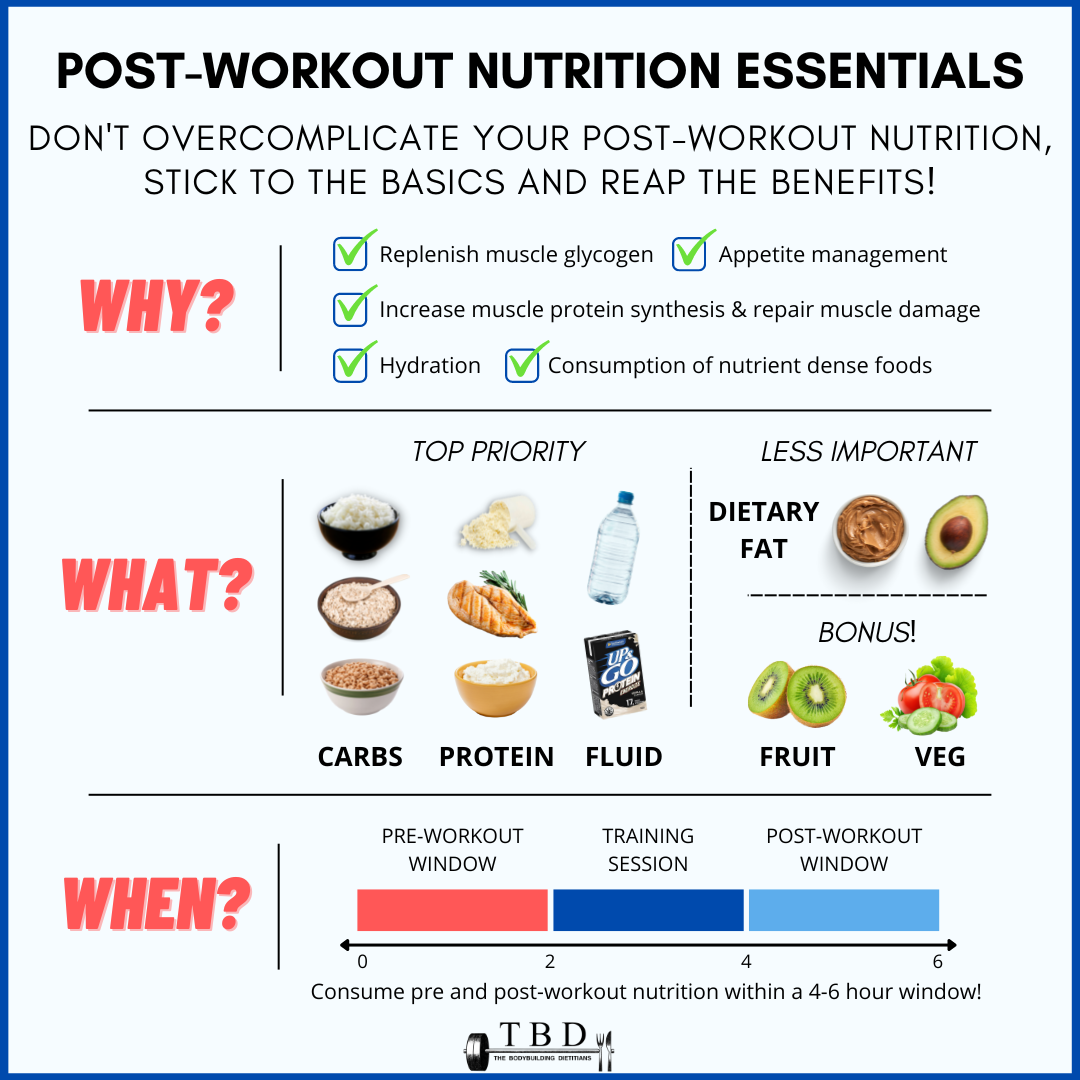
After you finish your workout, what you eat can make a big difference in how your body heals and performs next time. Post-workout nutrition is not just about filling your stomach; it’s about giving your body the right fuel at the right time. Getting this timing and the nutrients right can help you recover faster, feel energized, and keep your metabolism working efficiently.
Muscle Recovery Basics
Your muscles undergo tiny tears during exercise, especially after strength training. Eating protein soon after your workout gives your body the building blocks it needs to repair these tears.
Think about a time when you skipped eating after a tough session—you probably felt sore longer or weak the next day. Consuming a mix of protein and carbs within 30 to 60 minutes can speed up muscle recovery and reduce soreness.
Energy Replenishment
Exercise uses up your glycogen stores, which are your muscles’ main source of energy. If you don’t replenish these stores, your next workout could feel harder than it should.
Eating carbohydrates after your workout helps restore glycogen. Combining carbs with a bit of protein not only refuels your energy but also supports muscle repair.
Metabolism Boost
Your metabolism stays elevated for hours after exercise, meaning your body burns more calories even while resting. Eating the right nutrients post-workout can maximize this effect.
Skipping your post-workout meal may slow your metabolism and reduce muscle gains. Have you noticed how your energy feels different when you eat right after training versus when you don’t?
Try to include a balanced mix of protein, carbs, and healthy fats to keep your metabolism active and support your fitness goals.
Ideal Eating Window
Eating after a workout helps the body recover and build muscle. The timing of this meal can affect how well you regain energy and repair tissues. Knowing the ideal eating window ensures you get the most benefit from your post-workout nutrition. It is about choosing the right moment to refuel and support your fitness goals.
Anabolic Window Myth
The idea of a short “anabolic window” after exercise is common. It suggests you must eat within 30 minutes to gain muscle. Research shows this window is not as narrow as once thought. Your body remains able to absorb nutrients for several hours. The focus should be on overall daily nutrition, not just immediate post-workout meals.
Recommended Time Frames
A good rule is to eat within two hours after your workout. This gives your body nutrients to start recovery. If you had a meal before exercise, the window can be longer. If you trained fasted, try to eat sooner. Balanced meals with protein and carbs work best to restore energy and repair muscles.
Factors Influencing Timing
- Workout intensity and duration: Longer or harder sessions need quicker refueling.
- Meal timing before exercise: Recent meals can delay the need to eat after.
- Fitness goals: Muscle gain may require more precise timing than general health.
- Personal digestion: Some people feel better eating right after, others wait.
Best Foods To Eat After Exercise
Choosing the right foods after your workout can make a huge difference in how quickly your body recovers and how well you perform in your next session. Your muscles need specific nutrients to repair and grow stronger, while your energy stores must be replenished efficiently. What you eat after exercise sets the foundation for your progress and overall fitness.
Protein Choices
Protein is essential after exercise because it helps repair muscle tissues and supports growth. Aim for lean and easily digestible sources like chicken breast, turkey, or fish. If you prefer plant-based options, try lentils, chickpeas, or tofu.
Whey protein shakes are popular for a quick, convenient option. Remember, the goal is to get about 20-30 grams of protein within an hour after your workout to maximize muscle repair.
Carbohydrate Options
Carbohydrates restore the glycogen your muscles use up during exercise. Opt for complex carbs like sweet potatoes, brown rice, or whole grain bread to keep your energy steady. Adding fruit like bananas or berries can provide quick sugars and antioxidants.
Think about how your body feels—do you need a slow energy release or a fast boost? This helps decide whether to go for slower or quicker-digesting carbohydrates.
Hydration Tips
Rehydrating is as important as eating after a workout. Water is usually enough, but if you sweat heavily or did intense training, consider drinks with electrolytes like sodium and potassium. Coconut water is a natural option to replace lost minerals.
Don’t wait until you feel thirsty—try to drink fluids gradually within 30 minutes post-exercise to stay ahead of dehydration. How much you drink depends on your sweat rate and workout intensity, so listen to your body carefully.
Credit: miradorsanjose.com
Differences By Workout Type
Eating after exercise depends on the type of workout you do. Different workouts use energy in different ways. Your body needs specific nutrients to recover well. Timing and food choices vary based on your activity.
Strength Training Needs
Strength workouts break down muscle fibers. Your body repairs and builds muscle after lifting weights. Eat protein soon after to support muscle growth. Carbohydrates help refill energy stores. Try to eat within 30 to 60 minutes post-workout.
Endurance Exercise
Endurance exercises like running or cycling use lots of energy. Your muscles burn glycogen for fuel. Replenish glycogen by eating carbs after your session. Include some protein to aid muscle repair. Aim to eat within 1 hour to recover fully.
High-intensity Sessions
High-intensity workouts combine strength and cardio. They use both glycogen and muscle fibers. A balanced meal with protein and carbs is essential. Eating quickly helps reduce muscle soreness. Try to eat within 30 minutes for best results.
Individual Factors To Consider
Timing your meal after exercise depends on many personal factors. Each person’s body reacts differently to food and activity. Understanding these factors helps you choose the best post-workout eating time. The goal is to support recovery and reach your fitness targets efficiently.
Body Composition Goals
Your goals shape when and what to eat after exercise. For muscle gain, eating protein and carbs soon after workout helps recovery. For fat loss, waiting a bit longer before eating may support fat burning. Adjust meal timing based on whether you want to build muscle or lose fat.
Meal Frequency
How often you eat during the day affects your post-workout meal timing. People who eat many small meals might eat soon after exercise. Those who eat fewer, larger meals may wait longer to eat. Choose timing that fits your usual meal pattern and keeps energy steady.
Personal Preferences
Your comfort and routine matter. Some prefer eating right away to avoid hunger. Others feel better waiting to eat until they cool down. Listen to your body and pick a time that feels natural. Enjoying your meal helps with digestion and recovery.
Common Mistakes To Avoid
Knowing the best time to eat after a workout is important. Many people make mistakes that hurt their recovery and energy. Avoiding these common errors helps your body heal and grow stronger faster.
Skipping Post-workout Meals
Skipping a meal after exercise slows muscle repair. The body needs protein and carbs to recover well. Missing this window leaves muscles tired and weak. Eating soon after training fuels energy and rebuilds tissue.
Overeating Too Soon
Eating too much immediately after a workout can cause discomfort. The stomach may feel heavy and bloated. This slows digestion and makes you feel sluggish. Start with a small balanced meal, then eat more later.
Ignoring Hydration
Water is as important as food after exercise. Not drinking enough slows recovery and causes fatigue. Sweating leads to fluid loss that must be replaced. Drink water or an electrolyte drink to stay hydrated and support healing.
Expert Tips For Optimal Results
Getting the most out of your post-workout meal isn’t just about timing—it’s about smart choices that support your body’s recovery and growth. Experts suggest practical strategies that can help you maximize your energy, muscle repair, and overall results. Let’s dive into proven tips that make your nutrition plan work harder for you.
Meal Prep Strategies
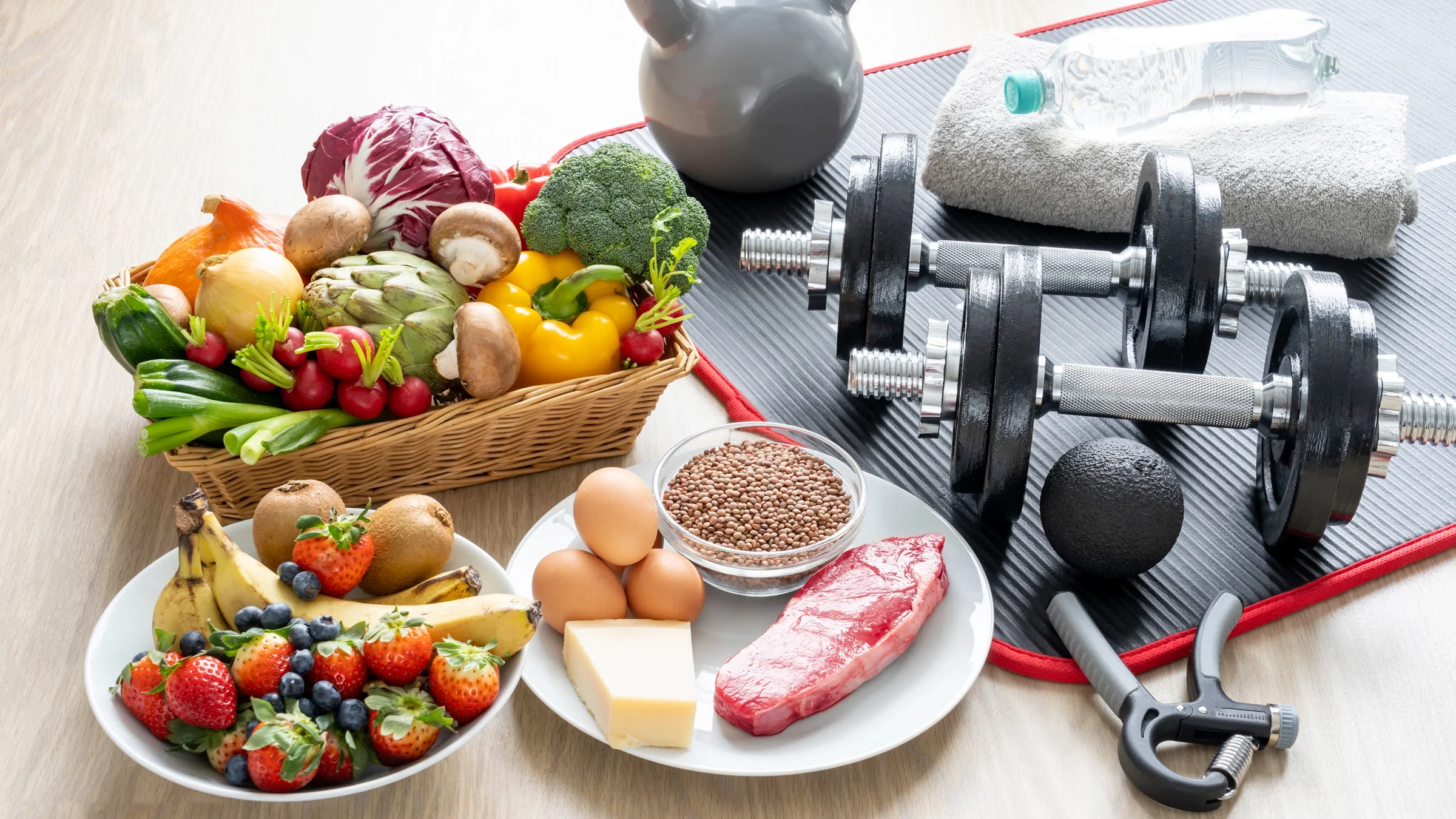
Preparing your meals ahead of time ensures you always have the right fuel ready when your workout ends. Try setting aside a few hours each week to cook balanced meals rich in protein, healthy fats, and carbs. This way, you avoid grabbing unhealthy snacks or skipping your post-workout nutrition altogether.
Think about meals that travel well and store easily, like grilled chicken with quinoa and steamed veggies, or a smoothie packed with protein and fruits. What if you could open your fridge and instantly have a nutrient-packed meal waiting? That’s the power of meal prep.
Supplement Use
Supplements can be a helpful addition but shouldn’t replace real food. Protein powders, BCAAs, or creatine often support muscle recovery and growth when used correctly. However, they work best when paired with a solid diet, not as a shortcut.
Ask yourself if a supplement fits your specific needs or if you’re just following trends. For example, I found that adding a simple whey protein shake post-workout helped me bounce back faster after tough sessions. Have you tried tracking your recovery improvements with or without supplements?
Consistency Importance
Eating a balanced post-workout meal consistently is key to seeing results over time. Skipping or delaying meals can slow recovery and reduce the benefits of your hard work. Your body thrives on routine, so make post-exercise nutrition a non-negotiable habit.
Challenge yourself: can you commit to eating within 30 to 60 minutes after every workout? Sticking to this window regularly helps your muscles rebuild and replenishes energy stores efficiently. Small daily choices add up to big progress.
Credit: www.goodrx.com
Frequently Asked Questions
When Should I Eat After A Workout For Best Results?
You should eat within 30 to 60 minutes after a workout. This helps replenish glycogen and supports muscle recovery efficiently.
What Is The Ideal Post-workout Meal Timing?
Consuming a meal rich in protein and carbs within an hour post-exercise maximizes muscle repair and energy restoration.
Can Waiting Too Long To Eat Affect Muscle Recovery?
Yes, delaying your post-workout meal beyond two hours can slow muscle recovery and reduce energy replenishment.
How Does Eating Soon After Exercise Improve Performance?
Eating soon after exercise boosts muscle protein synthesis and restores glycogen, enhancing overall recovery and future performance.
Conclusion
Eating soon after exercise helps your body recover well. Aim to eat within 30 to 60 minutes after your workout. Choose foods with protein and carbs to rebuild muscles and restore energy. Drinking water also keeps you hydrated and supports recovery.
Your meals do not have to be big, just balanced and timely. This habit helps you feel stronger and ready for the next session. Remember, good nutrition after exercise supports your progress and overall health. Keep it simple and consistent for the best results.







