
Are you tired of back workouts that just don’t deliver the results you’re after? Imagine feeling stronger, standing taller, and having a well-defined back that turns heads.
The secret could be simpler than you think. With just a pair of dumbbells, you can transform your back routine into a powerhouse of strength and definition. This blog is your go-to guide for a dumbbell back workout routine that fits seamlessly into your life, no matter your fitness level.
Get ready to discover exercises that maximize muscle engagement, boost your energy, and leave you feeling unstoppable. Curious? Keep reading to unlock the potential of your back muscles and achieve the physique you’ve always wanted.
Benefits Of Dumbbell Back Workouts
Dumbbell back workouts offer unique benefits that can elevate your fitness routine and help you build a stronger, more balanced back. Using dumbbells challenges your muscles in a way that machines or barbells often can’t, promoting better control and coordination. Let’s look at some key advantages that might change how you approach your back training.
Improved Muscle Balance
Dumbbells force each side of your back to work independently. This helps fix muscle imbalances that can develop if one side is stronger or more dominant.
When you use a barbell, the stronger side can compensate for the weaker one, but dumbbells stop that from happening. Have you noticed one arm pulling harder during rows? Dumbbells make sure both sides get equal work.
Increased Range Of Motion
Dumbbells allow for a greater range of motion compared to machines or barbells. You can pull your arms farther back and lower them more naturally, which fully engages your back muscles.
This improved movement can lead to better muscle activation and flexibility. Think about how reaching further can stretch and strengthen your lats more effectively during exercises like dumbbell rows.
Versatility And Convenience
Dumbbells are extremely versatile and can be used for many back exercises like rows, pullovers, and shrugs. You don’t need bulky machines or a gym membership to get an effective back workout.
Plus, dumbbells are easy to store and use at home, making it simple to stick to your routine. Do you have limited space but want a solid back workout? Dumbbells might be your best option.
Credit: swolverine.com
Essential Dumbbell Exercises For Back
Building a strong back is crucial not just for aesthetics but also for improving posture and preventing injuries. Dumbbells offer a versatile and effective way to target various muscles in your back. These exercises allow you to focus on form and muscle engagement, helping you see better results in less time.
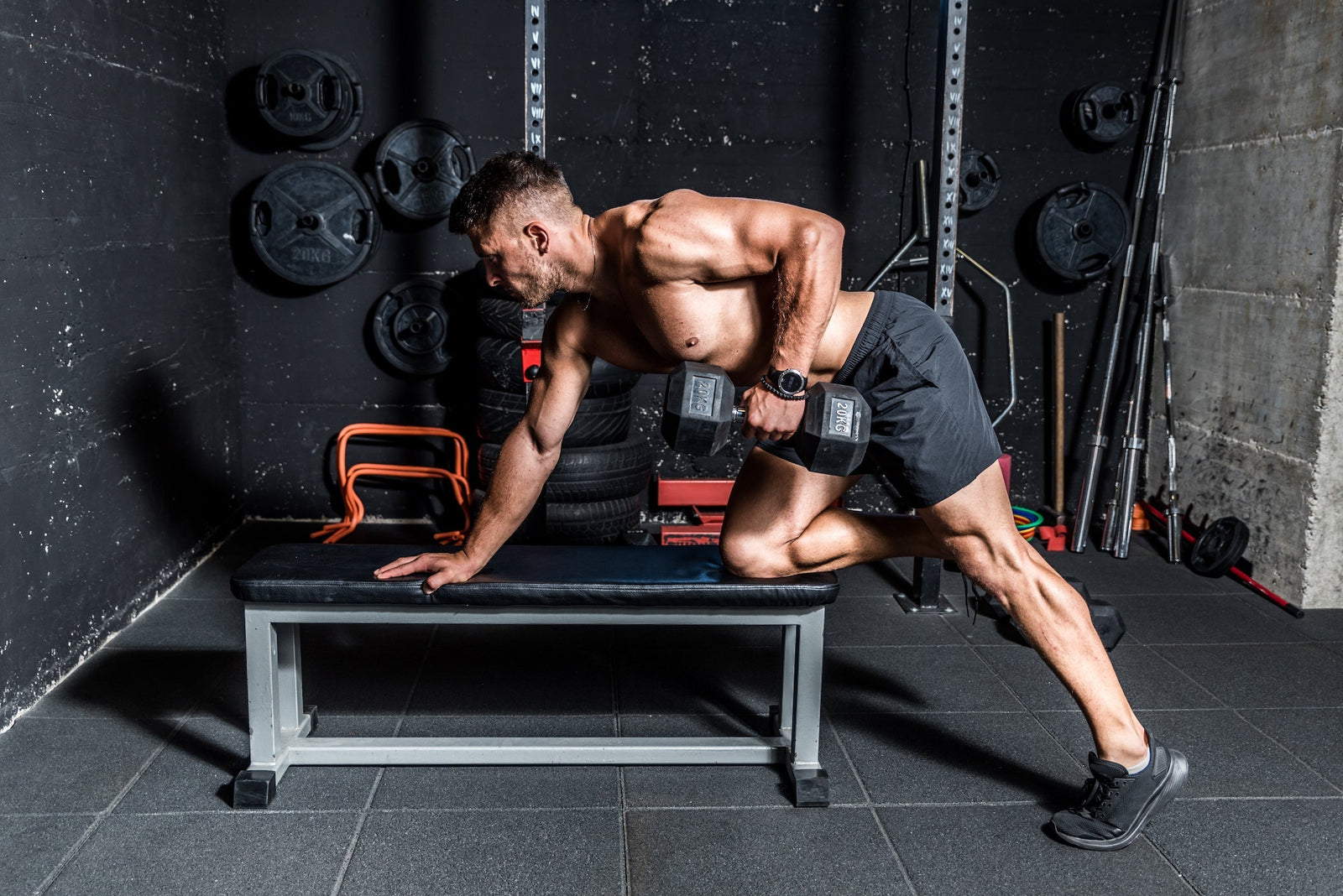
Single-arm Dumbbell Row
This exercise targets your upper and middle back, especially the lats and rhomboids. Support your body with one hand on a bench, keeping your back straight, and pull the dumbbell towards your hip. Controlling the movement on both the lift and the lowering phase makes a big difference in muscle activation.
Have you noticed how much stronger your grip gets with this move? It’s a subtle bonus that helps with other lifts.
Dumbbell Deadlift
Dumbbell deadlifts work your lower back, glutes, and hamstrings all at once. Holding dumbbells in front of you, hinge at the hips while keeping your back flat and lower the weights toward the floor. This helps you develop strength and stability in your posterior chain without needing a barbell.
Try focusing on squeezing your glutes as you rise. That extra muscle engagement will protect your spine and boost power.
Renegade Row
This full-body move targets your back and core simultaneously. Start in a plank position holding dumbbells, then row one dumbbell to your side while keeping your hips steady. It challenges your balance and forces your back muscles to work harder.
Do you feel the difference when you keep your body as still as possible? That’s where the magic happens.
Reverse Fly
Reverse flies hit the rear deltoids and upper back, improving shoulder stability and posture. Bend slightly at the hips with dumbbells in hand, then lift your arms out to the sides in a wide arc. Slow and controlled movement here is key to really engaging the muscles.
Notice how this exercise helps counteract all the forward hunching from screen time? It’s a simple fix with big benefits.
Creating An Effective Routine
Creating an effective dumbbell back workout routine is essential to build strength and muscle without wasting time. The key lies in selecting the right weight, structuring your reps and sets, and giving your muscles enough time to recover. Let’s break down how you can design a routine that challenges your back while fitting your personal fitness level.
Choosing The Right Weight
Picking the right dumbbell weight can make or break your workout. If the weight is too light, your muscles won’t be challenged enough to grow. Too heavy, and you risk poor form or injury.
Start with a weight that allows you to complete your reps with good form but feels tough in the last few repetitions. For example, if you’re doing bent-over rows, the last two reps should feel challenging yet manageable.
Ask yourself: Are you struggling to maintain control, or do you finish too easily? Adjust the weight accordingly to find that sweet spot where progress happens.
Reps And Sets For Strength
Building back strength requires more than just lifting dumbbells—it demands smart rep and set schemes. Generally, aiming for 6 to 12 reps per set works well for muscle growth and strength.
Try doing 3 to 4 sets of each exercise. If you can do more than 12 reps easily, increase the weight. If you can’t reach 6 reps, lower the weight.
Think about your goals: Are you focusing on endurance or raw strength? Adjust the reps and sets to match. For strength, fewer reps with heavier weights work best.
Incorporating Rest Periods
Rest between sets is crucial for recovery and performance. Short rests (30-60 seconds) keep your heart rate up and improve endurance. Longer rests (1.5-3 minutes) help you lift heavier weights and build strength.
Listen to your body. If you feel overly fatigued, take a longer break. If you want to push endurance, shorten the rest time.
Have you noticed how your performance changes with different rest lengths? Experiment to find what helps you lift better and feel stronger.
Techniques For Maximum Muscle Activation
Maximizing muscle activation during your dumbbell back workout is key to building strength and achieving visible results. How you perform each exercise can make a huge difference in targeting the right muscles effectively. Paying attention to specific techniques can help you get more from every rep and avoid common pitfalls that reduce workout quality.
Proper Form Tips
Maintaining proper form ensures the right muscles are engaged and reduces the risk of injury. Keep your back straight and shoulders pulled down and back to avoid strain and focus on your lats and rhomboids.
For exercises like bent-over rows, hinge at your hips instead of rounding your lower back. This position keeps tension on your back muscles rather than shifting it to your lower spine.
- Keep elbows close to your body to engage the lats
- Avoid using momentum; lift with controlled strength
- Use a full range of motion to stretch and contract muscles fully
Mind-muscle Connection
Are you actually feeling your back muscles work during each rep? Focusing your mind on the muscle you want to target can boost activation significantly. This connection helps your nervous system recruit more muscle fibers, making each rep count.
Try visualizing your lats pulling the dumbbell rather than just moving the weight. Slow down your reps if needed to focus on this sensation.
Controlled Movement
Speed often steals the quality of your reps. Moving too quickly reduces muscle tension and shifts effort to momentum. Slow and controlled movements keep constant tension on the muscle throughout the entire set.
Lower the dumbbells with control—don’t just drop them. This eccentric phase causes more muscle damage, which is essential for growth.
- Count 2-3 seconds when lowering the weight
- Pause briefly at the top of each rep to squeeze the muscles
- Focus on smooth, steady movements rather than jerks
Common Mistakes To Avoid
When you’re working on your dumbbell back routine, certain mistakes can hold you back more than you realize. Avoiding these common errors can help you build strength faster and prevent injuries. Let’s break down some pitfalls that often trip people up and how you can steer clear of them.
Using Too Much Weight
Lifting heavier dumbbells might seem like the fastest way to grow your back muscles, but it often backfires. When the weight is too heavy, your form suffers, and other muscles take over, reducing the effectiveness of the workout.
Think about the last time you struggled to complete a set. Were you using momentum to lift instead of controlled muscle contractions? Try lowering the weight and focusing on slow, deliberate movements to really target your back.
Neglecting Warm-up
Skipping your warm-up is a common mistake that can lead to stiffness and injury. Your muscles need time to prepare for the stress of lifting dumbbells, especially for a complex area like your back.
Spend 5-10 minutes on light cardio or dynamic stretches before you start. You’ll notice your muscles feel more ready, and your performance improves. Would you jump into a sprint without stretching first? Your back deserves the same care.
Poor Posture
Maintaining proper posture is crucial during every dumbbell back exercise. Rounded shoulders, an arched lower back, or a twisted torso can strain your spine and reduce the exercise’s impact.
Check your alignment in a mirror or record yourself to catch any form issues. Align your shoulder blades and keep your spine neutral throughout the movement. How much better could your results be if you tightened up your posture today?

Credit: parade.com
Progress Tracking And Adjustments
Tracking progress and making adjustments is key to effective dumbbell back workouts. It helps you see your improvements clearly. It also guides you on when to increase challenge or change exercises. Without tracking, you may stall or risk injury.
Use simple and consistent methods to measure your strength gains. Adjust your routine based on your body’s response. This keeps your back muscles growing and your workouts safe.
Measuring Strength Gains
Keep a workout journal or use a fitness app. Record the weight lifted, sets, and reps for each exercise. Note any changes in form or ease of movement. Track how many reps you do before muscle fatigue.
Look for steady increases in weight or reps over weeks. Small improvements add up and show your strength is building. Also, notice better control and less effort during exercises.
Increasing Difficulty Safely
Raise the dumbbell weight gradually to avoid injury. Increase by small amounts, such as 2.5 to 5 pounds. Add more reps or sets if you cannot increase weight safely.
- Focus on form before adding weight.
- Rest enough between sets for full recovery.
- Use slower, controlled movements to boost difficulty.
Stop increasing difficulty if you feel sharp pain. Consult a professional if unsure.
Adapting To Plateaus
Plateaus happen when progress stalls despite effort. Change your routine to break through plateaus. Switch exercises targeting different back muscles. Adjust rep ranges or rest times.
- Try supersets or circuit training.
- Increase workout frequency slightly.
- Focus on weaker areas with isolation moves.
Listen to your body and give it time to recover. Patience and variety help overcome plateaus effectively.

Credit: www.ruimtevoorautisme.nl
Frequently Asked Questions
What Are The Best Dumbbell Exercises For Back?
Effective dumbbell exercises for back include rows, deadlifts, and reverse flys. These target upper and lower back muscles for strength and definition. Incorporate variations to engage different muscle groups and improve overall back health.
How Often Should I Do Dumbbell Back Workouts?
Aim to train your back with dumbbells 2-3 times per week. This frequency allows muscle recovery and growth. Avoid overtraining to prevent injury and fatigue while maximizing strength gains.
Can Dumbbell Workouts Build A Strong Back?
Yes, dumbbell workouts can build a strong back by targeting key muscles. Consistent training with proper form improves muscle tone, posture, and reduces injury risk. Progressive overload enhances strength over time.
What Is The Ideal Dumbbell Weight For Back Training?
Choose a dumbbell weight that challenges you while maintaining good form. Typically, moderate weights with 8-12 reps per set work best for strength and hypertrophy. Adjust weight as you progress.
Conclusion
Dumbbell back workouts help build strength and improve posture. They work many muscles in your back. You can do these exercises at home or the gym. Start with light weights and increase gradually. Consistency is key to seeing progress. Rest and proper form keep you safe.
This routine fits well into any fitness plan. Stay patient and keep moving. Stronger back, better health ahead.







