
How many times should you work out each week to get the best results? This question might seem simple, but the answer can change everything about your fitness journey.
Whether you want to build muscle, lose weight, or just feel healthier, finding the right workout frequency is key. If you’re not sure how often to hit the gym or exercise at home, this guide is for you. Keep reading, and you’ll discover the perfect balance that fits your lifestyle and helps you reach your goals faster.

Credit: www.reddit.com
Benefits Of Regular Workouts
Regular workouts offer many benefits for both body and mind. Exercising often helps improve physical health, boosts mood, and supports long-term wellness. Consistent activity strengthens muscles and bones while reducing health risks.
Working out regularly also sharpens focus and reduces stress. It encourages better sleep and increases energy levels. Over time, these habits build a healthier and happier lifestyle.
Physical Health Improvements
Exercise strengthens the heart and lungs. It helps control weight by burning calories. Muscles become stronger and more flexible. Regular movement lowers the chance of diseases like diabetes and heart problems. It also improves balance, reducing fall risks.
Mental Health Boosts
Physical activity releases chemicals that lift mood. It reduces anxiety and feelings of depression. Exercise improves focus and memory. It gives a sense of achievement and confidence. Regular workouts help control stress and promote relaxation.
Long-term Wellness Gains
Consistent exercise supports healthy aging. It maintains mobility and independence. Regular workouts improve sleep quality over time. They boost immune function to fight illness. Staying active helps keep bones strong and prevents chronic pain.
Factors Influencing Workout Frequency
Deciding how often to work out each week depends on many factors. These factors affect your progress and how your body responds. Understanding them helps create a balanced workout plan. Consider your goals, current fitness, time, and recovery needs.
Fitness Goals
Your workout frequency changes with your goals. For weight loss, more frequent sessions help burn calories. For muscle gain, fewer workouts with more rest work best. For general health, moderate frequency keeps you active and healthy.
Current Fitness Level
Beginners should start with fewer sessions to avoid injury. Gradually increase workout days as strength and stamina build. Experienced exercisers can train more often without risk. Fitness level guides safe and effective workout frequency.
Available Time
Time limits affect how many days you can exercise. Busy schedules may allow only a few workouts weekly. Short, efficient sessions fit better than long, infrequent ones. Planning workouts around your time ensures consistency and progress.
Recovery Needs
Muscles need rest to grow and repair. Overworking leads to fatigue and injury. Recovery needs depend on workout intensity and type. Allow enough rest days to help your body heal and improve performance.
Workout Frequency For Different Goals
How often you work out depends largely on what you want to achieve. Different goals require different approaches to frequency. Understanding how many times to exercise each week can help you avoid burnout and get better results faster.
Weight Loss
If your goal is weight loss, aim for at least 4-5 workout sessions weekly. Combining cardio and strength training helps burn calories and build muscle, which boosts your metabolism.
Consistency matters more than intensity at first. Even 30-minute workouts spread across the week can create a calorie deficit. Ask yourself: are you balancing your workouts with enough rest to recover?
Muscle Building
Building muscle often means working out 3-6 times a week, focusing on different muscle groups each day. This split allows muscles to recover while you keep training other areas.
Overtraining can stall progress. I once pushed myself to hit every muscle group daily and ended up feeling drained. Quality rest days are as important as lifting heavier weights.
Endurance Training
For endurance, your workouts might range from 4 to 6 times per week, mixing longer sessions with shorter, high-intensity ones. This variety helps improve stamina without causing injury.
Pay attention to how your body responds. If you feel unusually tired or your performance drops, you might be doing too much. How can you tweak your schedule to stay energized?
Flexibility And Mobility
Improving flexibility and mobility can be done daily or almost daily. Short, focused sessions of 10-20 minutes can make a big difference over time.
Unlike other goals, flexibility training is gentle enough to do every day. Stretching after workouts or even during breaks can keep your joints healthy and reduce pain.
Types Of Workouts And Scheduling
Choosing the right types of workouts and setting a schedule is key to fitness success. Different workouts serve different purposes. Combining them keeps your routine balanced. Planning workout days helps your body rest and recover. A good schedule fits your goals and lifestyle.
Strength Training
Strength training builds muscle and strengthens bones. It includes lifting weights or using resistance bands. Aim for two to three sessions per week. Allow a day of rest between sessions. Focus on different muscle groups each time. This prevents injury and improves muscle growth.
Cardio Sessions
Cardio improves heart health and burns calories. Common types are running, cycling, and swimming. Try three to five sessions per week. Sessions can last 20 to 60 minutes. Mix low and moderate intensity for best results. This keeps your heart strong and energy high.
Hiit Workouts
High-Intensity Interval Training (HIIT) is short and intense. It alternates quick bursts of effort with rest. HIIT boosts metabolism and burns fat fast. Limit sessions to two or three times a week. Each session lasts 15 to 30 minutes. HIIT fits well with strength or cardio days.
Yoga And Stretching
Yoga and stretching improve flexibility and reduce stress. They also help prevent injuries. Include yoga or stretching two to four times per week. Sessions can be short, from 10 to 30 minutes. These workouts support recovery and increase body awareness.
Signs Of Overtraining
Recognizing the signs of overtraining is crucial if you want to maintain a healthy workout routine and avoid setbacks. Overtraining doesn’t just drain your energy; it can impact your body and mind in ways that slow down your progress. Paying attention to these warning signs helps you adjust your schedule before things get worse.
Physical Symptoms
Have you noticed persistent muscle soreness that doesn’t go away after rest? That’s a common physical sign of overtraining. Other symptoms include frequent injuries, joint pain, and unusual fatigue even after a good night’s sleep.
Your body might feel weaker instead of stronger, and you may experience headaches or trouble sleeping. These physical cues tell you it’s time to cut back and allow your muscles to recover properly.
Mental Fatigue
Overtraining doesn’t just affect your body—it wears down your mind too. If you find yourself lacking motivation, feeling irritable, or struggling to focus during workouts, mental fatigue might be the reason.
Have you ever felt like giving up halfway through your routine? That can be a red flag signaling your brain needs a break. Mental exhaustion often leads to burnout, making it harder to stick with your fitness goals.
Performance Decline
One of the most obvious signs you’re overdoing it is a drop in performance. Maybe you’re lifting less weight, running slower, or not completing your usual number of reps.
If your progress stalls or reverses despite consistent effort, it’s time to rethink your training frequency. Tracking your workouts can help spot these declines early, so you can adjust before it affects your overall health.
Credit: www.lemon8-app.com
Tips For Consistency And Progress
Consistency and progress are key to any workout routine. Staying consistent helps build habits. Progress keeps motivation high and goals in sight. Small changes over time lead to big results. Here are some tips to maintain consistency and see steady progress.
Setting Realistic Goals
Choose goals that fit your current fitness level. Avoid setting goals that feel too hard or too easy. Break big goals into smaller, clear steps. Celebrate small wins to stay motivated. Realistic goals make workouts feel achievable and rewarding.
Tracking Progress
Keep a simple workout journal or use an app. Record exercises, weights, sets, and reps. Note how you feel after each session. Tracking shows improvements and areas needing work. Visual progress encourages you to keep going.
Rest And Recovery
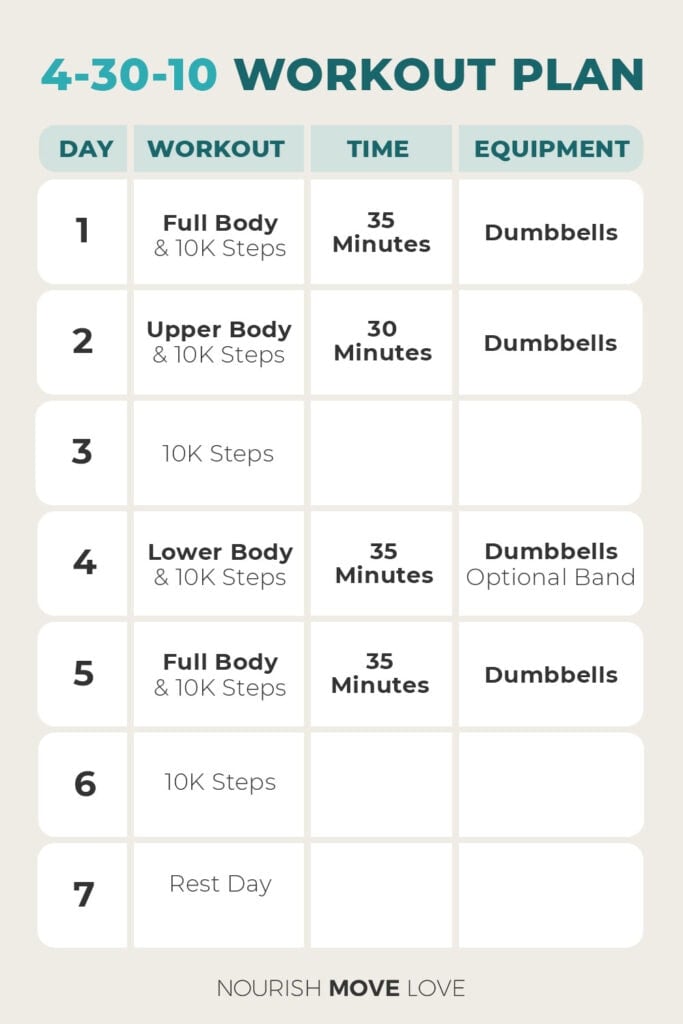
Rest days are as important as workout days. Muscles need time to repair and grow. Lack of rest can cause burnout and injury. Include light activities like walking or stretching on rest days. Quality sleep supports recovery and energy.
Nutrition Support
Fuel your body with balanced meals and snacks. Include proteins, healthy fats, and carbohydrates. Stay hydrated before, during, and after workouts. Proper nutrition helps build muscle and boosts energy. Avoid skipping meals to keep performance steady.
Credit: www.nourishmovelove.com
Frequently Asked Questions
How Many Times Should I Workout Per Week For Fitness?
For general fitness, aim to workout 3-5 times per week. This frequency balances exercise with recovery, boosting strength and endurance effectively.
Is It Okay To Workout Every Day Of The Week?
Daily workouts are possible but should vary in intensity. Incorporate light or rest days to prevent burnout and injury.
How Many Workouts Are Needed To Lose Weight Weekly?
To lose weight, exercise 4-6 times a week. Combine cardio and strength training for best fat-burning results.
Can I Build Muscle With 2 Workouts Per Week?
Yes, twice weekly strength training can build muscle if workouts are intense and focused with proper recovery.
Conclusion
Finding the right workout routine is crucial. Aim for balance. Exercise three to five times a week. This helps build strength and improves health. Listen to your body. Rest is important for recovery. Don’t forget to enjoy your workouts. Choose activities you love.
This keeps you motivated. Keep your goals realistic. Small steps lead to big changes. Stay consistent and patient. Progress takes time. Remember to consult a fitness expert if needed. Adjust your routine as you grow. Fitness is a journey, not a race.
Keep moving, stay healthy.







