
Are you ready to transform your glutes and boost your confidence? A strong, well-shaped backside isn’t just about looks—it helps improve your posture, enhance your athletic performance, and even reduce back pain.
But knowing where to start can feel overwhelming. That’s why this Glute Workout Plan is designed just for you. It’s simple, effective, and tailored to give you real results. Keep reading, and you’ll discover easy-to-follow exercises that fit into your routine and help you build the glutes you’ve always wanted.
Your journey to a stronger, firmer behind starts here.
Benefits Of Strong Glutes
Strong glutes do more than shape your body. They support your daily movements and boost overall health. Building powerful glute muscles improves how you move and feel every day.
Improved Posture And Balance
Strong glutes help keep your spine straight. They support your lower back and pelvis. This reduces slouching and prevents back pain. Better posture leads to more confidence and comfort. Good balance also becomes easier. Strong glutes stabilize your hips and legs during walking or standing. This lowers the risk of falls and makes movement smoother.
Enhanced Athletic Performance
Glutes provide power for running, jumping, and lifting. They drive force from your hips, boosting speed and strength. Strong glutes improve your endurance and agility. Sports like soccer, basketball, and cycling benefit from better hip control. This leads to faster sprints and higher jumps. Your workouts become more effective with strong glute muscles.
Injury Prevention
Weak glutes cause other muscles to work too hard. This imbalance often leads to injuries in knees, hips, and lower back. Strengthening glutes protects joints and ligaments. It reduces strain on your body during activities. Strong glutes also help correct movement patterns. This lowers chances of strains and muscle tears. Staying injury-free means more consistent training and daily comfort.
Credit: medium.com
Anatomy Of The Glute Muscles
The glute muscles are key to strong hips and a stable lower body. They help with movement, balance, and power. Understanding their anatomy helps create better workout plans. Each muscle has a special role in how your body moves and looks.
Gluteus Maximus
The gluteus maximus is the largest glute muscle. It forms the shape of your buttocks. This muscle helps you stand up, climb stairs, and run. It also supports your lower back and pelvis during movement.
Gluteus Medius
The gluteus medius lies under the gluteus maximus. It controls side-to-side hip movement. This muscle keeps your hips stable when you walk or run. Strong gluteus medius muscles reduce the risk of injury.
Gluteus Minimus
The gluteus minimus is the smallest and deepest glute muscle. It works with the gluteus medius to stabilize the hip. This muscle helps lift your leg to the side. It also assists in rotating the thigh outward.
Key Principles For Muscle Growth
Building strong, shapely glutes requires more than just showing up at the gym. You need to understand the core principles that drive muscle growth. These principles help you design a workout plan that actually delivers results and prevents frustration.
Progressive Overload
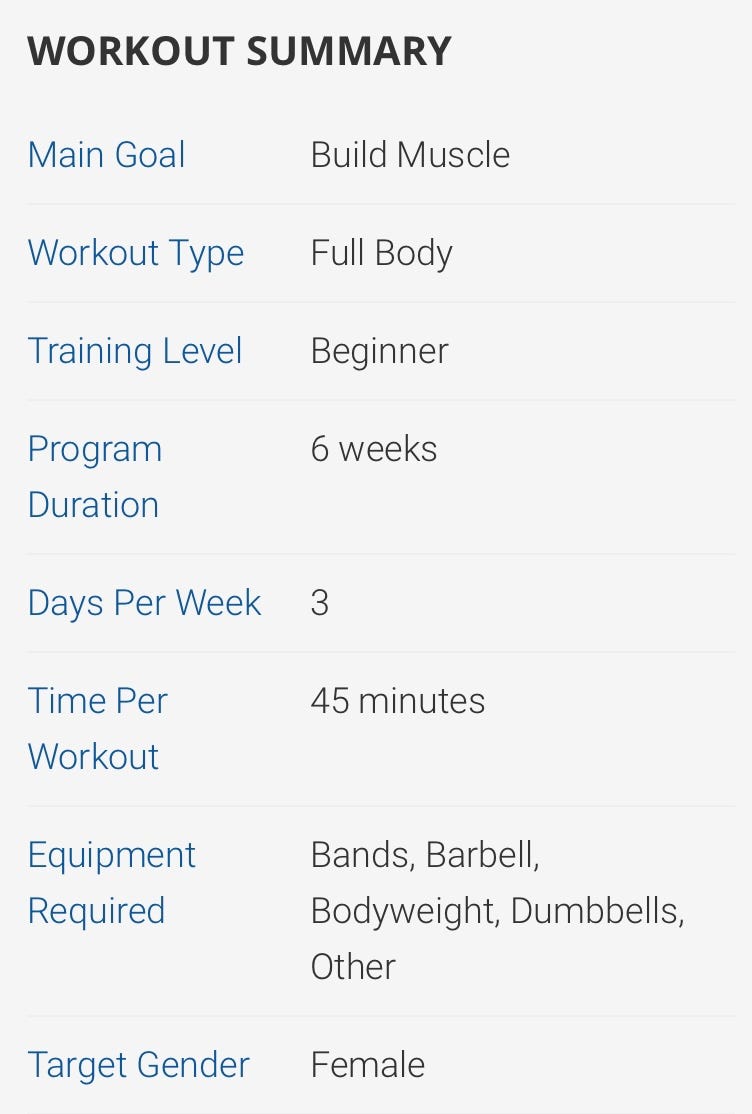
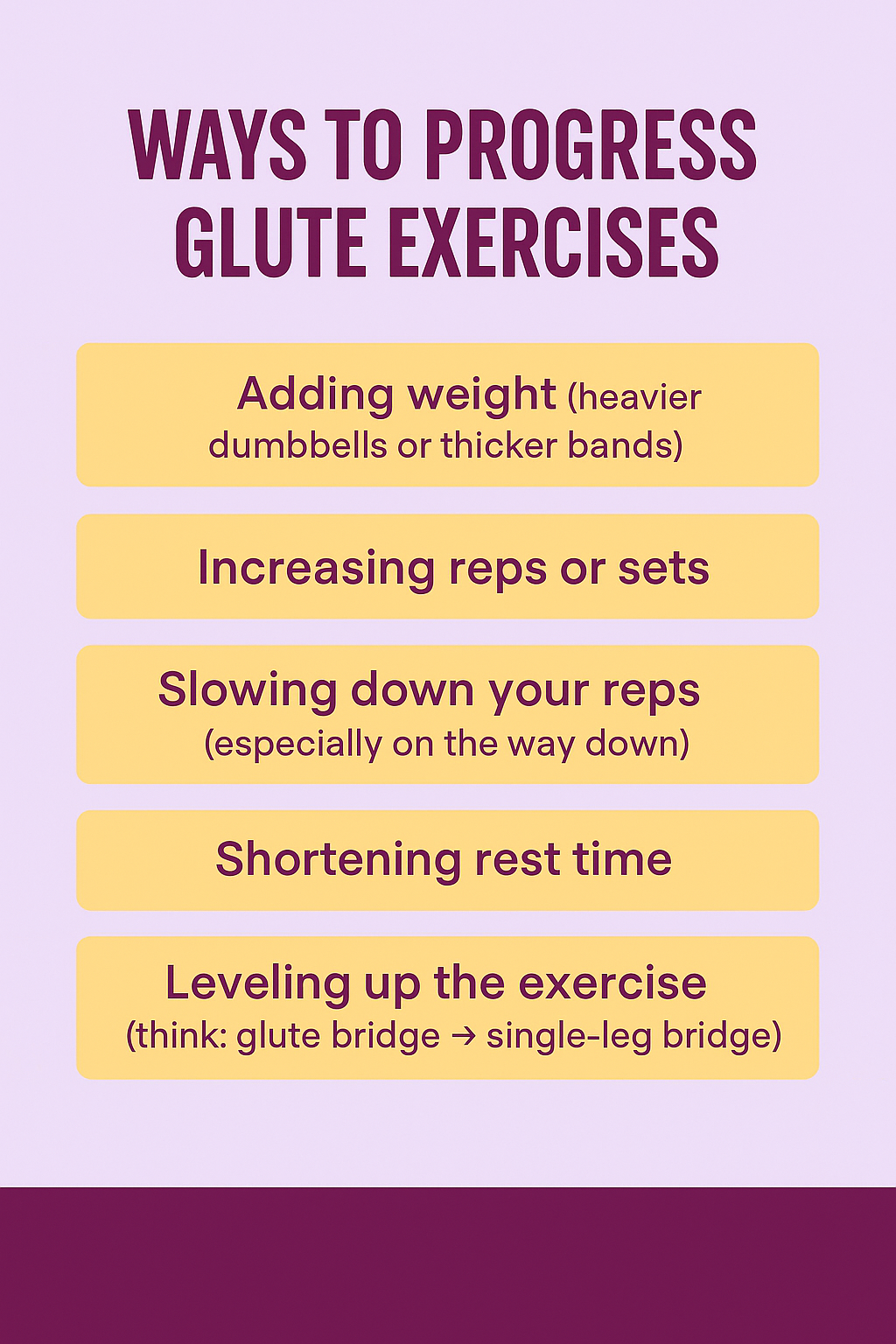
Muscles grow when you challenge them beyond what they’re used to. That means gradually increasing the weight, reps, or intensity of your glute exercises over time.
Start with a weight that feels challenging but manageable. Once you can complete your sets easily, add more resistance or increase the reps. This constant challenge forces your glutes to adapt and grow stronger.
Have you tracked your progress lately? Without progressive overload, your gains will stall fast.
Proper Nutrition
Your glute workout alone won’t build muscle if your nutrition isn’t on point. Muscles need fuel—especially protein—to repair and grow.
Focus on eating enough protein daily, aiming for sources like lean meats, beans, or dairy. Don’t forget healthy fats and carbs; they provide energy for your workouts and recovery.
Think about your meals as building blocks for your muscles. Are you fueling your body with what it truly needs to grow?
Rest And Recovery
Muscle growth happens outside the gym when your body is resting. Overtraining without proper rest can lead to injury and halt your progress.
Make sure you give your glutes time to recover by spacing out intense workouts and prioritizing quality sleep. Even active recovery like light stretching or walking helps blood flow to your muscles.
Are you listening to your body’s signals, or pushing through fatigue and risking setbacks?
Top Glute Exercises
Building strong and well-shaped glutes requires more than just random exercises. Choosing the right moves can make a huge difference in your results. Here are some top glute exercises that target your muscles effectively and help you shape your lower body with precision.
Squats Variations
Squats are a classic glute builder, but mixing up the variations keeps your muscles guessing. Try sumo squats to hit the inner glutes or Bulgarian split squats for unilateral strength. Adding weights or resistance bands can push your progress faster.
Have you noticed how subtle changes in your squat stance change the muscle activation? Experiment with foot position to find what works best for your body.
Hip Thrusts
Hip thrusts directly target the gluteus maximus and are excellent for building power and size. You can perform them with a barbell, dumbbells, or just your body weight. Holding the top position and squeezing your glutes maximizes muscle engagement.
I found that pausing for a second at the peak of the thrust made my glutes work harder and grow more noticeable. Could this simple tweak improve your workout too?
Deadlifts
Deadlifts strengthen your glutes, hamstrings, and lower back simultaneously. Romanian deadlifts focus more on the glutes by keeping the legs straighter, while conventional deadlifts spread the work across several muscles. Proper form is crucial to avoid injury and get the most from this exercise.
Do you feel your glutes activating fully during deadlifts, or is your lower back taking over? Fine-tuning your form might make all the difference.
Lunges
Lunges target your glutes along with your thighs, improving balance and muscle symmetry. Forward, reverse, and walking lunges each offer unique benefits. Using dumbbells adds extra resistance, helping your glutes work harder.
Try slowing down the movement to increase tension on your glutes. How does controlling the tempo change the challenge for you?
Glute Bridges
Glute bridges are a simple yet powerful exercise you can do anywhere. Lying on your back, you lift your hips to activate the glutes. Adding a resistance band around your thighs increases the intensity and helps target the outer glutes.
Have you tried pausing at the top of the bridge and squeezing your glutes tight? This small hold can boost your muscle engagement significantly.
Sample Weekly Workout Plan
A well-structured weekly workout plan helps develop strong and toned glutes. This sample plan balances intensity, recovery, and variety. Each day targets the muscles with different approaches to prevent plateaus and overuse. Follow this routine to build strength, endurance, and muscle activation effectively.
Day 1: Heavy Lifting
Focus on lifting heavy weights with low reps to build strength. Include exercises like barbell hip thrusts, deadlifts, and squats. Aim for 4 sets of 6-8 reps per exercise. Rest 1-2 minutes between sets.
Day 2: Active Recovery
Engage in light activities to promote blood flow and muscle healing. Try walking, gentle cycling, or yoga. Avoid intense exercise. Keep movement easy and relaxing.
Day 3: Volume Training
Perform multiple sets with moderate weights and higher reps. Use exercises such as lunges, step-ups, and glute bridges. Target 3-4 sets of 12-15 reps. Short rest periods help increase endurance.
Day 4: Rest
Take a full rest day to allow muscles to recover. Avoid strenuous activities. Rest supports muscle growth and prevents injury.
Day 5: Plyometrics And Glute Activation
Include explosive movements to improve power and activation. Try jump squats, box jumps, and clamshells. Perform 3 sets of 10-12 reps. Focus on controlled, powerful motions.
Day 6: Mixed Strength
Combine heavy and moderate weights for a balanced session. Use exercises like Bulgarian split squats, kettlebell swings, and sumo deadlifts. Perform 3-4 sets of 8-10 reps. Keep rest between 60-90 seconds.
Day 7: Rest
Another rest day to finalize recovery before the next cycle. Stretch lightly if needed. Prepare your body for the upcoming week.
Common Mistakes To Avoid
Building strong, well-shaped glutes requires more than just showing up at the gym. Many people make avoidable mistakes that slow progress or lead to injury. Identifying and fixing these common errors can make your glute workout plan far more effective and rewarding.
Neglecting Form
Proper form is the foundation of every effective glute exercise. Skipping it might feel like you’re pushing harder, but it often means other muscles take over, reducing the work your glutes actually do.
Think about squats or hip thrusts: if your knees cave in or your back rounds, you risk injury and miss the target muscle. Are you paying enough attention to how your body moves during each rep?
Focus on slow, controlled movements and use mirrors or record yourself to check your technique. Small adjustments can make a big difference in activating your glutes properly.
Overtraining
It’s tempting to hit the glutes every day, hoping for faster gains. But your muscles need recovery time to grow stronger and prevent injury.
If you feel persistent soreness or your performance stalls, you might be pushing too hard. Quality beats quantity when it comes to muscle building.
Try spacing your workouts with at least one rest day between intense glute sessions. This allows your muscles to repair and come back more powerful.
Ignoring Other Muscle Groups
Focusing only on glute exercises can create imbalances that affect your posture and performance. Your hamstrings, lower back, and core all support glute function.
Neglecting these areas can limit your progress and even cause pain during workouts. Have you included exercises that strengthen these supporting muscles?
Add movements like deadlifts, planks, and back extensions to your routine. This balanced approach helps your glutes work more efficiently and reduces injury risk.
Tips To Maximize Results
Maximizing your glute workout results means going beyond just showing up at the gym. It’s about smart habits that keep you motivated and help your muscles grow stronger and more defined. Let’s dive into some practical tips that can push your progress further and make every workout count.
Tracking Progress
Keeping track of your workouts helps you stay focused and motivated. Write down the exercises, weights, and reps you complete each session. Over time, you’ll see clear evidence of improvement, which keeps you pushing harder.
Using a simple notebook or a fitness app can make this process easy and quick. Have you noticed how small increases in weight or reps make a big difference in your muscle tone? Tracking turns those small wins into big achievements.
Incorporating Mobility Work
Good mobility improves your range of motion and reduces injury risk. Spend a few minutes before and after your workout doing stretches and movement drills that target your hips and lower back. This helps your glutes activate better during exercises.
Try hip circles, lunges with a twist, or pigeon stretches to loosen tight muscles. You might be surprised how much mobility work boosts your strength and recovery. What’s one stretch you can add today to feel more flexible?
Using Resistance Bands
Resistance bands are simple tools that can change your glute workout completely. Adding bands increases tension and activates muscles you might not hit with weights alone. Use them for exercises like glute bridges, lateral walks, or kickbacks.
They’re great for warming up and adding extra challenge without heavy equipment. Next time you train, grab a band and feel your glutes working in a new way. How could adding resistance bands transform your current routine?
Credit: fitasamamabear.com
Credit: www.etsy.com
Frequently Asked Questions
What Is The Best Glute Workout Plan For Beginners?
A beginner glute workout plan should focus on basic exercises like squats, lunges, and glute bridges. These moves build strength and activate muscles. Start with 2-3 sessions weekly, gradually increasing intensity to avoid injury and promote muscle growth.
How Often Should I Do Glute Workouts Weekly?
For optimal results, perform glute workouts 2-4 times per week. Allow 48 hours of rest between sessions to enable muscle recovery and growth. Consistency combined with proper rest maximizes strength and muscle tone in the glute area.
Which Exercises Target Glute Muscles Effectively?
Key exercises include squats, deadlifts, hip thrusts, lunges, and glute bridges. These compound movements activate all major glute muscles. Incorporate variations and resistance bands to increase intensity and improve overall glute development.
Can Glute Workouts Reduce Cellulite Appearance?
Glute workouts improve muscle tone and skin firmness, which can reduce cellulite visibility. While exercise helps, combining workouts with a healthy diet and hydration improves skin texture. Regular training enhances blood flow and muscle definition in the glutes.
Conclusion
Achieving strong glutes requires dedication and a solid workout plan. Consistency is key. Keep your routine varied to engage all muscle groups. Regular exercise boosts strength and improves overall health. Listen to your body to avoid injury. Rest is crucial for muscle recovery and growth.
Stay motivated with progress tracking. Celebrate small victories along your fitness journey. A balanced diet supports your workout efforts. Maintain hydration for optimal performance. Remember, patience and persistence lead to success. Your glute goals are within reach with commitment and focus.
Keep pushing forward for the results you desire.







