
Stuck without access to a gym but still want to get stronger, fitter, and healthier? A jail workout plan might be exactly what you need.
It’s simple, effective, and requires no fancy equipment—just your body and a little space. Imagine building muscle, boosting your endurance, and feeling more confident using moves anyone can do. Ready to discover how you can transform your body no matter where you are?
Keep reading, because this workout plan is designed to help you crush your fitness goals, right here, right now.
Benefits Of Jail Workouts
Jail workouts offer many benefits that go beyond simple exercise. They help build strength, improve mental health, and save space and time. These workouts use body weight and limited space effectively. Anyone can do them with little or no equipment. The benefits make jail workouts a smart choice for fitness.
Strength Gains Without Equipment
Jail workouts focus on bodyweight exercises. Push-ups, squats, and pull-ups build muscle without weights. This trains many muscle groups at once. Strength grows naturally and safely. No gym or machines are needed. It also improves balance and coordination. Consistent effort leads to steady progress.
Improved Mental Toughness
Working out in a small space tests your willpower. It teaches discipline and patience. You learn to push through discomfort. This builds mental toughness and focus. The routine helps reduce stress and anxiety. Exercise releases chemicals that improve mood. This keeps your mind strong and clear.
Space And Time Efficiency
Jail workouts require very little space. A small corner or cell is enough. They take less time than traditional gym sessions. You can exercise anytime without waiting for machines. This fits well into busy or limited schedules. Efficient workouts help maintain fitness without extra hassle.
Credit: calisthenics.com
Key Principles Of Bodyweight Training
Bodyweight training builds strength using your own body as resistance. This type of workout suits limited spaces and no equipment. It focuses on control, balance, and endurance. Understanding key principles helps improve results safely and steadily.
Progressive Overload Techniques
Progressive overload means increasing challenge over time. It pushes muscles to grow stronger. You can apply this by:
- Increasing reps or sets gradually
- Slowing down movement speed for more tension
- Changing exercises to harder variations
- Reducing rest time between sets
These methods keep muscles adapting and prevent plateaus.
Proper Form And Injury Prevention
Maintaining proper form is crucial to avoid injury. Focus on:
- Keeping your body aligned
- Engaging core muscles during exercises
- Controlling movement, not rushing through reps
- Listening to your body’s signals
Good technique protects joints and enhances muscle activation.
Balancing Strength And Mobility
Strength alone is not enough for overall fitness. Mobility improves range of motion and flexibility. Combine exercises that:
- Build muscle strength
- Stretch tight muscles
- Enhance joint movement
- Prevent stiffness
This balance supports long-term health and workout performance.
Essential Upper Body Exercises
Building upper body strength is key for a jail workout plan. It helps improve muscle tone, endurance, and overall fitness. Exercises focus on the chest, back, shoulders, and arms. No equipment? No problem. These bodyweight movements work well in small spaces.
Start with basic moves and increase difficulty over time. Consistency is important for steady progress. These essential exercises offer variety and target multiple muscle groups. They keep workouts effective and engaging.
Push-up Variations
Push-ups strengthen the chest, shoulders, and triceps. Changing hand positions shifts the focus.
- Standard push-ups: Hands shoulder-width, body straight.
- Wide push-ups: Hands wider than shoulders, target chest.
- Diamond push-ups: Hands form a diamond, hit triceps.
- Incline push-ups: Hands on a raised surface, easier on shoulders.
- Decline push-ups: Feet elevated, increase shoulder work.
Pull-up Alternatives
Pull-ups build back and biceps strength. Bars are rare in jail, so try these moves.
- Inverted rows using a sturdy table or bed frame.
- Towel rows: Grab a towel wrapped around a pole or door.
- Negative pull-ups: Jump up and slowly lower down.
- Doorway holds: Grip door frame and hold body weight.
Dips And Tricep Workouts
Dips focus on triceps, chest, and shoulders. Use stable surfaces.
- Bench dips with hands on a bench or chair.
- Chair dips: Feet on the ground, lower body carefully.
- Tricep push-ups: Hands close together, elbows tight.
- Isometric holds: Hold halfway down during dips for time.
Core Strengthening Moves
Building a strong core is essential for overall fitness and stability. Core strength improves posture, balance, and power in many movements. These core exercises do not need equipment and fit well in a jail workout plan. Focus on control and form to get the best results.
Plank Holds And Variations
Planks target the entire core, including the abs, back, and shoulders. Holding a plank tightens these muscles and builds endurance. Variations like side planks and forearm planks challenge different areas of the core. Keep the body straight and avoid sagging hips. Start with short holds and increase the time as strength grows.
Leg Raises And Hanging Knee Tucks
Leg raises focus on the lower abs and hip flexors. Lying flat on the back, lift legs slowly without bending the knees. Hanging knee tucks require a bar or sturdy surface to hang from. Pull knees towards the chest to work the lower core deeply. Both moves improve muscle control and help flatten the stomach.
Dynamic Core Exercises
Dynamic exercises involve movement that activates the core continuously. Examples include mountain climbers, bicycle crunches, and Russian twists. These moves increase heart rate and build strength simultaneously. Perform them in controlled, steady motions to avoid injury. Dynamic exercises enhance endurance and improve coordination.
Lower Body Workouts
Lower body workouts build strength and endurance in your legs and hips. These exercises improve balance and mobility. They also help prevent injuries and support daily activities.
Training the lower body is possible without weights. Use bodyweight movements that target multiple muscles. Focus on form and control to get the best results.
Squat Variations
Squats are a core lower body exercise. They work the thighs, hips, and buttocks. Try different squat styles to challenge your muscles:
- Bodyweight squats for endurance
- Pulse squats for extra burn
- Wide stance squats to target inner thighs
- Single-leg squats to improve balance
Keep your back straight and knees behind toes. Lower yourself slowly and rise with control.
Lunges And Step-ups
Lunges and step-ups build leg strength and coordination. They also work your glutes and calves. Try these variations for variety:
- Forward lunges for overall leg strength
- Reverse lunges to reduce knee stress
- Walking lunges to increase endurance
- Step-ups using a bench or stable surface
Maintain good posture and avoid leaning forward. Control your movement for better results.
Glute Bridges And Hip Thrusts
Glute bridges and hip thrusts focus on your hips and glutes. They improve hip mobility and lower back support. Follow these tips:
- Lie on your back with knees bent
- Lift hips until your body forms a straight line
- Pause at the top, squeeze glutes hard
- Lower hips slowly back to the ground
Add single-leg bridges to increase difficulty. These exercises help balance your lower body strength.

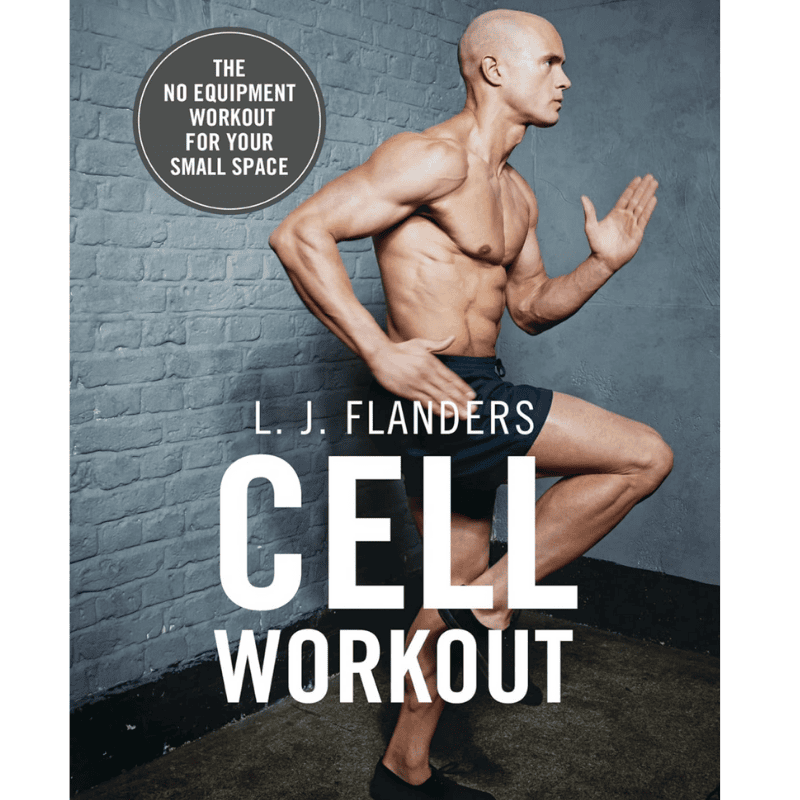
Credit: www.amazon.com
Sample Weekly Routine
A solid weekly routine is key to staying fit during incarceration. It balances workouts and rest, promoting strength and endurance. The plan fits limited space and equipment, focusing on bodyweight exercises.
This routine builds muscle, improves stamina, and keeps the mind sharp. Each day targets different muscle groups and fitness aspects. Consistency helps maintain progress and boosts overall health.
Daily Workout Structure
Start each session with a warm-up to prepare your body. Use jumping jacks or running in place for five minutes. Follow with a mix of strength and cardio exercises.
- Push-ups to build upper body strength
- Squats for legs and core
- Plank holds to strengthen the core
- Burpees for full-body cardio
- Dips using a bench or bed for triceps
End with stretching to improve flexibility and prevent injury. Keep workouts between 30 to 45 minutes for best results.
Rest And Recovery Days
Rest days are essential for muscle repair and growth. Use these days for light activity like walking or stretching. Avoid intense exercises to allow your body to recover fully.
Listen to your body’s signals to prevent overtraining. Good sleep and hydration support recovery. Rest strengthens your performance for the next workout.
Adjusting Intensity Levels
Start with moderate intensity to avoid burnout or injury. Increase reps or sets as strength and endurance improve. Add variations like incline push-ups or jump squats to challenge yourself.
Lower intensity if feeling too tired or sore. Adjust the pace and rest periods based on your fitness level. Progress happens through consistent, gradual effort.
Nutrition Tips For Strength
Building strength inside jail walls requires more than just consistent workouts; your nutrition plays a huge role too. Fueling your body with the right foods can help you recover faster and build muscle even when options are limited. Let’s break down some practical nutrition tips that will boost your strength without needing fancy supplements or expensive ingredients.
Eating On A Budget
Eating well doesn’t mean spending a lot. Focus on simple, affordable foods that pack a nutritional punch. Staples like rice, beans, and canned vegetables provide energy and essential nutrients without breaking the bank.
Look around for deals or bulk options if possible. Even small savings add up over time and let you stretch your food supply. Have you checked the commissary for value items that deliver good nutrition for less?
Protein Sources Without Supplements
Protein is crucial for muscle repair and growth, but you don’t need protein powders to get enough. Lean meats like chicken or turkey, eggs, and canned tuna are usually accessible and rich in protein.
If animal products are limited, beans, lentils, and peanut butter offer plant-based protein options. Combining different protein sources throughout the day helps ensure you get all essential amino acids. How creative can you get mixing what’s available to meet your protein needs?
Hydration And Meal Timing
Drinking enough water is often overlooked but vital for strength and recovery. Aim to sip water consistently throughout the day rather than chugging large amounts at once.
Timing your meals around your workouts can also make a difference. Eating a protein-rich snack before and after training helps fuel your muscles and speeds up recovery. Have you tried adjusting your meal times to see how your energy and strength respond?

Credit: www.amazon.com
Tracking Progress
Tracking progress in a jail workout plan keeps motivation high and results clear. It helps you see small wins and understand what works best. Without tracking, workouts can feel random and less effective.
Regularly checking progress shows improvement and points out areas to adjust. This section covers simple ways to track your fitness journey using realistic goals, bodyweight measures, and workout changes.
Setting Realistic Goals
Start with clear, simple goals that match your current fitness level. Avoid goals that feel too hard or too easy. Goals could focus on reps, workout time, or consistency.
Break big goals into smaller steps. For example, increase push-ups by one every week. This keeps progress steady and encourages daily effort.
Using Bodyweight Metrics
Bodyweight exercises are perfect for tracking in jail workouts. Track how many push-ups, squats, or sit-ups you can do in one set. Note changes in form and ease over time.
Record the number of reps or sets completed. Use a notebook or simple chart to log results. This gives a clear picture of strength and endurance growth.
Adapting Workouts Over Time
Change your workouts based on tracked progress. Increase reps, sets, or workout duration as strength improves. Add harder variations of exercises to challenge muscles.
Listen to your body. If progress slows, try resting more or adjusting intensity. Regular adaptation keeps workouts effective and prevents boredom.
Frequently Asked Questions
What Is A Jail Workout Plan?
A jail workout plan is a fitness routine using minimal or no equipment. It focuses on bodyweight exercises like push-ups, squats, and planks. This plan builds strength, endurance, and flexibility in confined spaces. It is ideal for maintaining fitness without gym access.
How To Start A Jail Workout Safely?
Begin with a warm-up to prevent injuries. Start with basic exercises like push-ups and squats. Maintain proper form to avoid strain. Gradually increase repetitions and intensity. Listen to your body and rest as needed. Consistency is key for progress.
Which Exercises Are Best For Jail Workouts?
Best exercises include push-ups, squats, lunges, planks, and burpees. These movements target multiple muscle groups effectively. They require no equipment and can be modified easily. Combining strength and cardio improves overall fitness. These exercises fit well in small spaces.
Can Jail Workouts Build Muscle Effectively?
Yes, jail workouts can build muscle using bodyweight resistance. Progressive overload through increasing reps or intensity promotes growth. Focus on compound movements to engage multiple muscles. Consistent training and proper nutrition enhance muscle development. Results depend on effort and routine consistency.
Conclusion
Achieving fitness doesn’t require fancy gyms. The jail workout plan proves this. Consistency and dedication are key. Use your body weight for strength training. Push-ups, squats, and planks work wonders. They build muscle and endurance. No equipment needed. Stay motivated by setting small goals.
Challenge yourself every week. Track progress to see improvements. Remember to listen to your body. Rest is essential for recovery. Stay hydrated and eat well. Good nutrition supports your efforts. Fitness is a journey, not a race. Enjoy each step towards a healthier you.
Keep pushing. Stay committed. Results will follow.







