
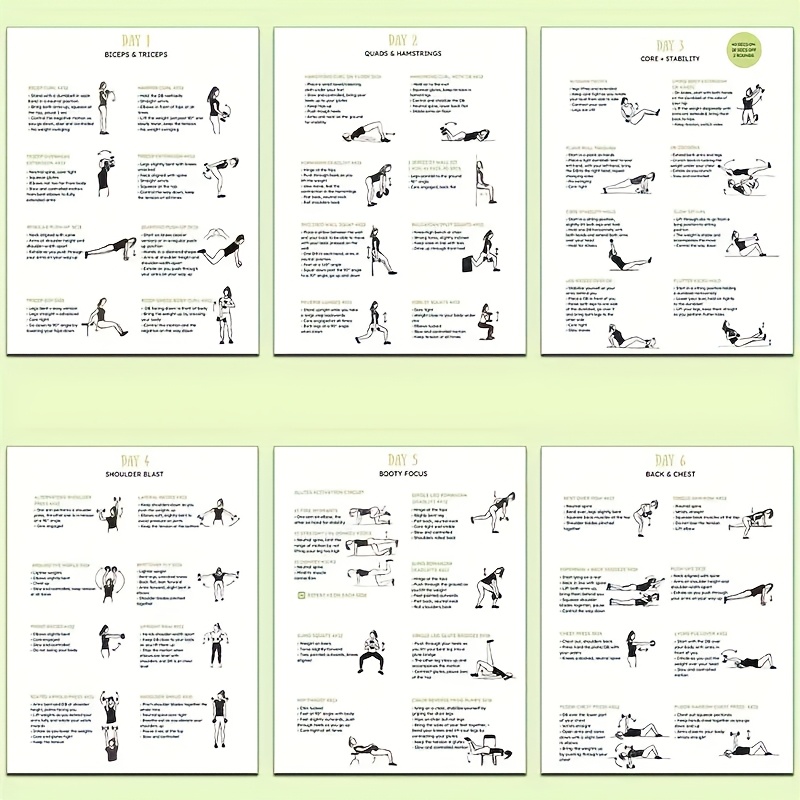
Imagine having a complete workout plan at your fingertips, ready to guide you every step of the way towards achieving your fitness goals. That’s exactly what you’ll get with our Dumbbell Workout Plan PDF with Pictures.
Whether you’re a fitness newbie or a seasoned gym-goer looking to spice up your routine, this guide is your perfect companion. Why settle for vague instructions when you can have clear, concise visuals to ensure you’re doing each exercise correctly?
This plan is designed to help you maximize your results, minimize your risk of injury, and keep you motivated. Are you ready to transform your workouts and see real progress? Dive in and discover how this comprehensive plan can change the way you train!
Benefits Of Dumbbell Workouts
Dumbbell workouts offer a range of benefits that can transform your fitness routine. They provide a simple yet effective way to build strength, improve movement, and adapt to your personal goals. Whether you’re new to exercise or have been training for years, dumbbells can add value to your sessions.
Muscle Growth Advantages
Dumbbells allow you to target muscles more precisely than many machines. You can work each side of your body independently, which helps fix strength imbalances. This leads to more balanced muscle growth and reduces the risk of injury.
Using dumbbells also challenges your muscles through a full range of motion. This stimulates muscle fibers differently compared to barbells or cables. Have you noticed how your arms or shoulders feel more engaged after dumbbell presses or curls? That’s the muscle activation at work.
Improved Flexibility And Balance
Unlike fixed machines, dumbbells require you to stabilize your body during exercises. This engages smaller muscles that support your joints and improve your balance. Over time, you’ll notice better coordination and fewer instances of wobbling during movements.
Improved flexibility often comes as a byproduct of dumbbell workouts. The freedom of movement lets you adjust angles and grips, which can gently stretch muscles and tendons. Have you tried dumbbell lunges or overhead presses? They naturally enhance your mobility while building strength.
Versatility For All Fitness Levels
Dumbbells are incredibly versatile and suit every fitness level. You can start with light weights and gradually increase as your strength improves. This makes them perfect for beginners, intermediates, and advanced trainers alike.
Besides strength training, you can combine dumbbells with cardio or functional exercises. This mix keeps workouts fresh and prevents boredom. How often do you switch up your routine to keep your body guessing? Dumbbells make that easy.

Credit: workoutlabs.com
Essential Equipment For Dumbbell Training
Having the right equipment can make a huge difference in your dumbbell training. It’s not just about grabbing any weights off the shelf. The right tools help you train smarter, avoid injury, and see faster progress.
Choosing dumbbells that fit your strength level and goals is key. Plus, adding a few smart accessories can take your workouts to the next level. Let’s break down what you really need to get started and stay consistent.
Choosing The Right Dumbbells
Pick dumbbells that match your current strength and training style. If you’re new, start with lighter weights—around 5 to 15 pounds—to master your form. Too heavy, and you risk injury; too light, and you won’t challenge your muscles enough.
Adjustable dumbbells are great if you want variety without clutter. They let you increase weight as you get stronger, saving space and money. Fixed-weight dumbbells are simpler and often more durable, perfect if you have a specific weight range in mind.
Think about the grip too. Some dumbbells have textured handles that prevent slipping, which helps you keep control during sweaty sessions. Have you ever dropped a dumbbell mid-set? Choosing the right grip can prevent that and keep your workout flowing.
Additional Gear To Enhance Workouts
Besides dumbbells, a few extra items can improve your training experience. A sturdy workout bench helps you perform exercises like chest presses and rows with proper support. Without it, your form might suffer, limiting results.
Consider wrist wraps or gloves if you plan to lift heavier weights. They provide extra support and reduce strain on your wrists. This can make a big difference during intense sets or high-rep workouts.
A yoga mat or padded floor protects your joints when doing floor exercises or stretches. It also keeps your space clean and comfortable. Would you rather workout on a hard floor or a cushioned surface that helps you focus on your moves?
- Workout bench for support
- Wrist wraps or gloves for grip and protection
- Yoga mat or padding for comfort
- Storage rack to keep dumbbells organized
Having the right equipment isn’t just about convenience; it’s about setting yourself up for success every time you train. What gear do you already have, and what could you add to improve your dumbbell workouts today?
Muscle Groups Targeted With Dumbbells
Dumbbells are incredibly versatile tools that can help you sculpt and strengthen multiple muscle groups effectively. Using a well-structured dumbbell workout plan with clear pictures lets you visualize proper form and target specific areas efficiently. Understanding which muscles you engage helps you tailor your workouts for balanced strength and better results.
Upper Body Exercises
Dumbbells allow you to hit every major muscle in your upper body with precision. You can work your biceps, triceps, shoulders, chest, and back by choosing the right moves.
- Bicep curlsfocus directly on your biceps, giving your arms definition and strength.
- Overhead pressestarget your shoulders, improving stability and power.
- Chest pressesbuild your pectoral muscles and enhance upper body strength.
- Rowsengage your back muscles, which helps improve posture and balance.
Have you ever noticed how some exercises make you feel stronger in your daily tasks? That’s because they work muscles you use all the time.
Lower Body Movements
Dumbbells aren’t just for your upper body. Adding weight to squats, lunges, and deadlifts ramps up your lower body strength dramatically.
- Goblet squatsengage your quads, hamstrings, glutes, and calves, boosting your leg power.
- Weighted lungeshelp improve balance and tone your thighs and glutes.
- Romanian deadliftsfocus on hamstrings and glutes, improving hip strength and flexibility.
When you hold dumbbells during these moves, you challenge your muscles more, which speeds up strength gains.
Core Strengthening Routines
Your core keeps your body stable and supports every movement. Dumbbells can add resistance to core exercises, making them more effective.
- Russian twistswith a dumbbell engage your obliques and improve rotational strength.
- Dumbbell side bendstarget your side abdominal muscles, helping define your waist.
- Weighted sit-upsincrease the intensity for your upper abs.
Have you tried adding a dumbbell to your core routine? It often reveals weak spots you didn’t know existed, helping you build a stronger midsection.
Sample Dumbbell Workout Plan
A well-structured dumbbell workout plan can make a huge difference in your fitness journey. Having a clear routine helps you stay consistent and track progress. Whether you’re just starting or aiming to challenge yourself further, a sample workout plan with pictures makes exercises easier to follow and perform correctly.
Beginner Routine
This routine focuses on building foundational strength and learning proper form. You’ll work major muscle groups with simple movements that are easy to master.
- Dumbbell Squats:3 sets of 12 reps – Hold dumbbells at your sides and keep your back straight while squatting.
- Chest Press:3 sets of 10 reps – Lie on a bench or floor and press dumbbells upward.
- Dumbbell Rows:3 sets of 12 reps – Bend at the hips and pull dumbbells toward your waist.
- Overhead Press:3 sets of 10 reps – Press dumbbells above your head while standing.
- Bicep Curls:3 sets of 12 reps – Curl dumbbells with controlled movement.
Focus on slow and controlled movements. Ask yourself, are you feeling the muscle working? If not, adjust your form before adding more weight.
Intermediate Routine
This routine adds volume and targets muscles from different angles. You’ll start combining exercises to increase intensity.
- Goblet Squats:4 sets of 15 reps – Hold one dumbbell close to your chest for added resistance.
- Incline Dumbbell Press:4 sets of 12 reps – Use an incline bench or prop your back to hit upper chest muscles.
- Renegade Rows:4 sets of 10 reps per side – Combine plank and row for core and back strength.
- Arnold Press:4 sets of 12 reps – Rotate wrists while pressing to engage shoulder muscles fully.
- Hammer Curls:4 sets of 15 reps – Keep palms facing each other to target different parts of the biceps.
Notice how small changes in grip or angle affect the challenge. Are you pushing yourself just enough to grow without risking injury?
Advanced Routine
This routine pushes your limits with complex movements and higher intensity. It’s designed for those comfortable with dumbbell exercises and looking for serious gains.
- Bulgarian Split Squats:4 sets of 12 reps per leg – Elevate your back foot for a deeper squat.
- Dumbbell Chest Flyes:4 sets of 15 reps – Stretch your chest muscles fully while controlling the weight.
- Single-Arm Dumbbell Snatch:4 sets of 10 reps per side – Explosive movement combining strength and speed.
- Push Press:4 sets of 12 reps – Use a slight leg drive to help press dumbbells overhead.
- Zottman Curls:4 sets of 15 reps – Rotate wrists mid-curl to target both biceps and forearms.
Are you ready to challenge your coordination and power? These exercises require focus and control, so keep your form sharp to avoid setbacks.
Proper Form And Technique
Mastering proper form and technique is key to getting the most out of your dumbbell workout plan. It helps you target the right muscles, avoid injuries, and make steady progress. Paying attention to how you move during each exercise can transform your results.
Common Mistakes To Avoid
- Using momentum:Swinging the dumbbells instead of controlled lifting reduces muscle engagement and increases injury risk.
- Incorrect wrist position:Letting your wrists bend or collapse puts strain on joints and weakens your grip.
- Overarching the back:Arching your lower back during lifts can lead to discomfort and long-term damage.
- Incomplete range of motion:Not fully extending or contracting muscles limits strength gains.
- Holding breath:Forgetting to breathe properly can cause dizziness and reduce performance.
I once rushed through dumbbell curls, swinging the weights to lift heavier. Not only did I feel less muscle burn, but I also ended up with wrist pain. Slowing down and focusing on strict form made all the difference.
Tips For Safe Lifting
- Start with lighter weights:Perfect your form before adding more weight to avoid bad habits.
- Keep your core engaged:A tight core supports your spine and stabilizes your movements.
- Maintain neutral wrist alignment:Keep wrists straight to reduce strain and improve control.
- Use a mirror or record yourself:Visual feedback helps spot and correct form errors.
- Breathe steadily:Exhale during exertion and inhale on the return to keep oxygen flowing.
Have you ever noticed how a small adjustment, like keeping your elbows closer during presses, changes the entire exercise feel? Paying attention to these details ensures every rep counts and keeps you safe.
Credit: www.temu.com
Using Pictures To Enhance Workouts
Pictures can make workouts easier and more effective. They show exactly how to perform exercises. This helps avoid mistakes and injuries. Visuals also keep motivation high by showing clear goals. Using pictures in a dumbbell workout plan turns complex moves into simple steps.
Images work well with text. They guide through each movement and posture. This way, you can follow the plan without confusion. Seeing the right form builds confidence. It helps maintain consistency in your workouts.
Visual Guides For Each Exercise
Each exercise in the dumbbell workout plan comes with pictures. These images demonstrate the start and end positions. They highlight key body alignments and hand grips. This visual guidance ensures correct execution.
Visual guides reduce guesswork. They make learning new exercises faster. You can pause and study the image before trying. This reduces the risk of poor form. Clear pictures act like a personal trainer in your hands.
Tracking Progress With Images
Taking photos of your workouts helps track progress. You can compare past and current pictures. This shows improvements in muscle tone and posture. Visual progress boosts motivation to keep going.
Images also highlight areas needing improvement. You can adjust your technique based on what you see. Progress photos make your workout journey visible and rewarding. They keep you focused and committed.
Nutrition Tips To Support Muscle Gain
Nutrition plays a key role in building muscle alongside your dumbbell workout plan. Eating the right foods helps muscles repair and grow stronger after exercise. Proper nutrition fuels your body to perform and recover well.
Focus on balanced meals that include protein, healthy fats, and carbohydrates. Stay hydrated to support muscle function and overall health. Understanding how much protein to eat and when to eat can boost your muscle gain results.
Protein Intake Recommendations
Protein is essential for muscle repair and growth. Aim to consume 1.2 to 2.0 grams of protein per kilogram of body weight daily. This range helps support muscle gain effectively.
Good protein sources include:
- Chicken breast
- Fish and seafood
- Eggs
- Beans and lentils
- Greek yogurt
- Tofu and tempeh
Spread your protein intake evenly over the day. Eating protein every 3-4 hours helps maintain muscle repair.
Meal Timing And Hydration
Eating meals at the right times supports energy and muscle recovery. Have a protein-rich meal within 1-2 hours after your workout. This helps muscles rebuild faster.
Drink plenty of water throughout the day. Proper hydration keeps muscles working well and prevents cramps. Aim for at least 8 cups (2 liters) of water daily.
Before workouts, eat a small meal with carbs and protein for energy. After workouts, focus on protein and some carbs to refill energy stores.

Credit: www.ebay.com
Frequently Asked Questions
What Is Included In A Dumbbell Workout Plan Pdf?
A dumbbell workout plan PDF includes step-by-step exercises with images. It guides you on form, reps, and sets. It helps beginners and advanced users build muscle and strength efficiently at home or gym.
How Do Pictures Improve Dumbbell Workout Plans?
Pictures demonstrate correct posture and movement. They reduce injury risk and improve exercise effectiveness. Visual aids make the workout plan easier to follow and motivate consistent training.
Can Dumbbell Workouts Build Muscle Effectively?
Yes, dumbbell workouts target multiple muscle groups. They allow progressive overload, essential for muscle growth. With proper form and routine, dumbbells help increase strength and tone muscles.
Are Dumbbell Workout Pdfs Suitable For Beginners?
Absolutely, dumbbell workout PDFs often start with beginner-friendly exercises. They provide clear instructions and visuals. This helps beginners learn safe techniques and gradually increase workout intensity.
Conclusion
This dumbbell workout plan PDF with pictures helps you train at home. It shows clear steps and exercises to follow easily. You can improve strength and stay fit with simple tools. Keep the plan steady and rest well between workouts.
Track your progress and enjoy feeling stronger each day. Small efforts bring big results over time. Use this guide often and make fitness part of your life.







