
Ready to transform your fitness routine with a suspension trainer workout plan? Imagine getting stronger, more flexible, and toned without needing a bulky gym setup.
A suspension trainer is your compact gym that promises maximum results with minimal equipment. If you’ve ever felt overwhelmed by complicated workout routines or cluttered gym spaces, you’re not alone. Many people crave a straightforward, effective fitness plan that fits seamlessly into their busy lives.
This is where a suspension trainer comes in, offering versatility and effectiveness right at your fingertips. Curious about how this simple tool can revolutionize your workout game? Keep reading, and discover how you can harness its full potential to achieve your fitness goals faster than you ever imagined.

Credit: www.amazon.com
Benefits Of Suspension Training
Suspension training offers many benefits for fitness enthusiasts. It uses body weight and gravity for resistance. This type of workout improves strength, balance, and flexibility. It suits all fitness levels and goals.
Improved Core Stability
Suspension training forces your core to work constantly. It activates deep muscles that support your spine. This leads to better posture and less risk of injury. Strong core muscles help in daily activities and sports.
Enhanced Muscle Engagement
Suspension exercises involve multiple muscle groups at once. This increases muscle coordination and strength. Your muscles work harder to keep balance and control. It helps build functional strength useful in real life.
Versatility And Portability
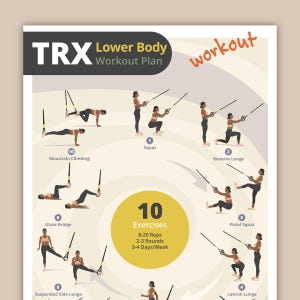
Suspension trainers are lightweight and easy to carry. You can set them up almost anywhere. They allow a wide variety of exercises for the whole body. Ideal for home, gym, or outdoor workouts.
Credit: www.etsy.com
Essential Suspension Trainer Equipment
Having the right suspension trainer equipment is key to getting the most out of your workout plan. The right gear ensures you can perform exercises correctly, stay safe, and keep motivated. Let’s look at what you need to start and what can boost your training experience.
Choosing The Right Suspension Trainer
Not all suspension trainers are created equal. Look for models with adjustable straps, sturdy handles, and durable materials. A good trainer should support your full body weight without slipping or fraying.
Think about where you’ll use it most. Some trainers come with door anchors, while others have options for ceiling or wall mounts. This flexibility can make a huge difference in how often you use it.
Setting Up Safely At Home Or Gym
Safety is non-negotiable. Before each workout, check that your suspension trainer is securely attached to a solid anchor point. Whether it’s a door, beam, or gym rig, it must hold steady under tension.
Test the setup with a gentle pull to avoid accidents. Don’t ignore the space around you either. Clear enough room to move freely without hitting furniture or walls.
Key Accessories To Enhance Workouts
Want to add variety or comfort? Consider extras like padded handles or extension straps. These can help with grip and allow you to target muscles from different angles.
Resistance bands or workout mats also pair well with suspension trainers. They provide additional support for floor exercises and help protect your joints during intense sessions.
Warm-up Exercises For Suspension Training
Warming up is vital before starting suspension trainer workouts. It prepares your body for the unique demands of suspension training. Proper warm-up increases blood flow, improves flexibility, and reduces injury risk. Use warm-up exercises to activate muscles and loosen joints.
Dynamic Stretching Routines
Dynamic stretches involve controlled movements that gently stretch muscles. These stretches improve range of motion and prepare muscles for action. Examples include leg swings, arm circles, and torso twists. Perform each stretch for 30 seconds to one minute. Keep movements smooth and steady to avoid strain.
Activation Drills For Core And Upper Body
Activation drills wake up key muscle groups used in suspension training. Focus on the core, shoulders, and upper back. Try exercises like planks, scapular push-ups, and band pull-aparts. These drills enhance muscle engagement and stability. Perform 2 to 3 sets of 10 to 15 reps for each drill.
Joint Mobility Movements
Joint mobility exercises increase fluid movement in shoulders, hips, and wrists. They help prevent stiffness and improve workout performance. Include movements like shoulder rolls, hip circles, and wrist flexion/extension. Perform slow, controlled motions for 30 seconds each. This keeps joints healthy and ready for training.
Credit: www.etsy.com
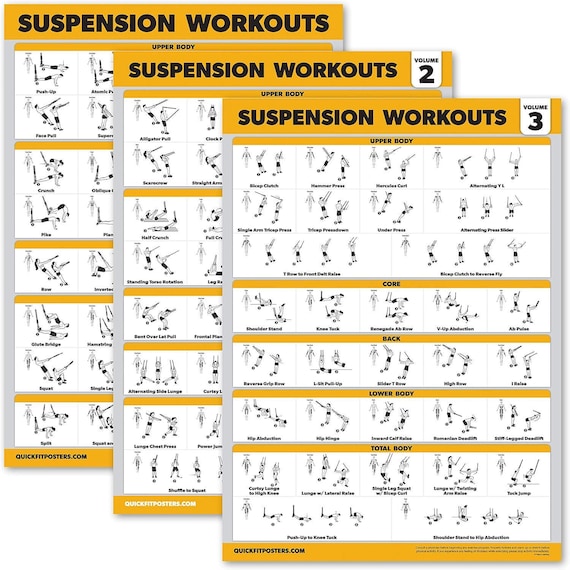
Beginner Suspension Trainer Workouts
Beginner suspension trainer workouts build strength using your body weight. These exercises improve balance, coordination, and flexibility. They suit all fitness levels and require minimal equipment.
Start slow and focus on form. The suspension trainer supports your movements and adds resistance. This plan targets major muscle groups to create a balanced routine.
Basic Push And Pull Movements
Push and pull exercises work your upper body muscles. They improve arm, chest, and back strength.
- Suspended Push-Ups:Hold the handles and lean forward. Lower your chest and push back up.
- Body Rows:Grab the handles, lean back, and pull your chest to the trainer.
- Chest Flys:Stand facing away, extend arms wide, and bring hands together in front.
Foundational Lower Body Exercises
Lower body moves strengthen legs and glutes. They increase stability and power.
- Suspended Squats:Hold the handles, squat down, and stand back up.
- Hamstring Curls:Place heels in straps, lie on your back, and pull heels toward your glutes.
- Lunges:One foot in the strap behind you, lower your back knee toward the floor.
Simple Core Strength Drills
Core exercises improve balance and protect the spine. They engage your abs and lower back.
- Plank Holds:Place feet in straps and hold a plank position on your hands.
- Knee Tucks:From plank, pull knees toward your chest using the straps.
- Mountain Climbers:Feet in straps, alternate bringing knees toward your chest quickly.
Intermediate Suspension Trainer Workouts
Intermediate Suspension Trainer Workouts push you beyond basic moves and help you build strength with more complexity. These workouts blend different muscle groups, challenge your balance, and raise your workout intensity in a safe way. If you want to see real progress, it’s time to step up your game and get strategic with your training.
Combining Upper And Lower Body Exercises
Mixing upper and lower body exercises in one workout boosts efficiency and engages your whole body. Try pairing a push-up with a single-leg squat to work your chest, arms, and legs simultaneously. This approach keeps your heart rate up and improves coordination.
Here’s a simple combo to try:
- Chest press (upper body)
- Alternating lunges (lower body)
- Body row (upper body)
- Hamstring curl (lower body)
How can you balance these moves to fit your fitness level? Start with fewer reps and focus on form, then gradually add more as you get stronger.
Incorporating Balance And Stability Challenges
Suspension trainers naturally test your balance, but you can increase this challenge to improve core strength and stability. Try performing exercises on one leg or with your eyes closed. These tweaks make your muscles work harder to keep you steady.
One favorite move is the single-leg plank using the suspension straps. It targets your core and forces your body to stabilize in an unstable position.
Why not add a balance challenge to your next workout? It can reveal weaknesses you didn’t know you had and help prevent injury.
Increasing Intensity Safely
Increasing intensity doesn’t mean rushing or pushing to failure every session. You want to challenge your muscles without risking injury.
To safely boost intensity, try these tips:
- Slow down your movements to increase time under tension
- Add more repetitions or sets gradually
- Decrease rest time between exercises
- Adjust strap length to make exercises harder
Remember, listen to your body. If you feel sharp pain or excessive fatigue, dial back the intensity. How do you know when you’re pushing just enough? When your muscles feel challenged but you can still maintain control and proper form.
Advanced Suspension Trainer Workouts
Advanced suspension trainer workouts push your limits by blending strength, speed, and endurance. These routines demand control and focus, helping you build muscle while challenging your cardiovascular system. Are you ready to step up your game and test your body in new ways?
Explosive Power Movements
Explosive power moves use quick, forceful actions to build strength and speed. Try jump squats combined with suspension straps to boost your leg power and improve coordination. Adding plyometric push-ups with your feet in the straps can ignite upper body explosiveness.
These exercises require precision and control. You’ll need a strong core to stabilize your body during rapid movements. Do you feel how this style of training demands both strength and agility at the same time?
Complex Full Body Circuits
Full body circuits combine multiple exercises targeting different muscle groups in one flow. For example, you might do a set of suspended rows, followed by pistol squats, and then a plank to push-up transition. This approach keeps your heart rate high while improving muscular endurance and balance.
Performing circuits means less rest and more challenge, so your body adapts quickly. You’ll notice how fatigue tests your form and mental focus. Can you maintain perfect technique as your muscles tire?
Timed Intervals For Endurance
Timed intervals alternate between intense work and short rest periods to enhance stamina. Try doing 40 seconds of mountain climbers with your feet in the straps, then 20 seconds rest, repeated for several rounds. This method trains your body to recover quickly and sustain effort longer.
Tracking your intervals can push you to beat your previous performance. It’s a simple way to quantify progress and stay motivated. How long can you maintain maximum effort before your form breaks down?
Designing Your Weekly Workout Plan
Creating a weekly workout plan with your suspension trainer can transform your fitness routine. It’s not just about squeezing in exercises but about setting a balanced schedule that pushes your limits while giving your body the rest it needs. You want to build strength steadily without risking burnout or injury.
Balancing Strength And Recovery
Strength gains happen when you challenge your muscles, but recovery is when those gains stick. Plan your workout days with enough rest in between to let your muscles heal and grow stronger.
Try alternating heavy workout days with lighter sessions or rest days. This approach keeps your body fresh and ready for the next round. Have you noticed how skipping rest days sometimes leads to slower progress or even pain?
Sample 3-day Split Routine
| Day | Focus | Exercises |
|---|---|---|
| Day 1 | Upper Body Strength |
|
| Day 2 | Lower Body & Core |
|
| Day 3 | Full Body & Mobility |
|
This split allows you to hit every major muscle group while keeping your workouts varied and engaging. You’ll avoid overworking any one area and keep motivation high.
Adjusting Workouts For Different Goals
Your suspension trainer workouts should shift depending on what you want to achieve. Are you aiming for muscle building, fat loss, or improving endurance?
For muscle building, increase sets and lower reps with challenging resistance. To burn fat, focus on higher reps with shorter rest and add cardio bursts between sets.
If endurance is your goal, keep your reps high and rest minimal but maintain good form to avoid injury. What’s one specific goal you want your suspension trainer to help you reach this month?
Tips For Maximizing Results
Maximizing results from your suspension trainer workout plan requires focus and consistency. Small adjustments can make your exercises more effective. Paying attention to how you perform each move helps prevent injuries and builds strength faster.
Using the right strategies keeps your muscles challenged and growing. Tracking progress shows what works and where to improve. These tips help you get the most from every workout session.
Proper Form And Technique
Good form protects your joints and muscles. It ensures the right muscles work during exercises. Keep your core tight and body straight. Avoid letting hips sag or shoulders rise. Move slowly and control every motion. Use a mirror or record yourself to check posture.
Progressive Overload Strategies
Gradually increase the challenge to grow stronger. Change the angle of your body to add resistance. Increase reps or sets over time. Shorten rest periods between exercises. Use single-leg or single-arm variations to boost difficulty. These methods push your muscles to adapt and improve.
Tracking Your Progress
Write down your exercises, sets, and reps each workout. Note how you feel and any changes in strength. Use a simple journal or fitness app. Review your records weekly to spot patterns. Adjust your plan based on progress and goals. Tracking helps maintain motivation and focus.
Common Mistakes To Avoid
Many people jump into suspension trainer workouts eager to build strength quickly but end up making avoidable mistakes. These errors can slow your progress, cause injuries, or leave you feeling frustrated. Recognizing common pitfalls helps you train smarter and get the most from every session.
Neglecting Warm-up And Cool-down
Skipping warm-ups before your suspension workout is a fast track to muscle strains and poor performance. Your body needs time to increase blood flow and loosen joints for the dynamic moves ahead.
Cooling down is just as important. It helps your muscles relax and reduces soreness. Taking even 5 minutes for stretches after training can improve your recovery and prepare you for the next workout.
Overtraining And Poor Recovery
Doing too many suspension trainer sessions without enough rest can wear your muscles down instead of building them up. Your body grows stronger during recovery, not during the workout itself.
If you feel constant fatigue or persistent soreness, it’s a sign to slow down. Listen to your body and schedule rest days. Quality sleep and hydration also play key roles in helping your muscles repair.
Ignoring Body Alignment
Proper body alignment is crucial when using a suspension trainer. Poor form puts unnecessary stress on your joints and reduces the effectiveness of each exercise.
Focus on keeping your core tight and your spine neutral. Small adjustments like this can make a big difference in preventing injuries and maximizing strength gains. Are you paying attention to how your body feels during each movement?
Supplementing Suspension Training
Suspension training builds strength, balance, and flexibility using body weight. Enhancing this workout with supportive habits and tools improves results. Focus on nutrition, cardio, and diverse equipment to create a balanced fitness plan. These elements boost endurance and overall fitness alongside suspension exercises.
Nutrition For Strength Gains
Eating the right foods supports muscle growth and recovery. Prioritize protein sources like chicken, fish, beans, and eggs. Include complex carbs such as brown rice, oats, and sweet potatoes. Healthy fats from nuts, seeds, and olive oil help with energy. Drink plenty of water to stay hydrated and aid muscle repair.
Incorporating Cardio And Flexibility
Cardio improves heart health and stamina for better workout performance. Try walking, jogging, or cycling three times a week. Stretching increases flexibility and reduces injury risks. Add yoga or simple stretching routines after suspension sessions. These habits keep muscles loose and ready for exercise.
Using Other Equipment For Variety
Adding different tools prevents workout boredom and targets muscles differently. Use resistance bands for extra tension and muscle activation. Dumbbells or kettlebells build strength in specific areas. Stability balls improve core balance and control. Mixing equipment keeps the body challenged and engaged.
Frequently Asked Questions
What Is A Suspension Trainer Workout Plan?
A suspension trainer workout plan uses body weight and straps for resistance. It improves strength, flexibility, and balance through varied exercises targeting multiple muscle groups.
How Often Should I Do Suspension Trainer Workouts?
For best results, perform suspension trainer workouts 3 to 4 times weekly. Allow rest days to enable muscle recovery and prevent overtraining.
Can Beginners Follow Suspension Trainer Workout Plans Safely?
Yes, beginners can safely use suspension trainers by starting with basic exercises. Gradually increase intensity and duration as strength and confidence improve.
What Muscles Does Suspension Training Target Most?
Suspension training primarily targets the core, arms, shoulders, chest, back, and legs. It engages stabilizing muscles, enhancing overall functional strength and endurance.
Conclusion
Suspension trainer workouts build strength and improve balance. You can do them anywhere, anytime. They use your body weight for resistance. This makes workouts safe and effective. Stick to the plan and stay consistent. Your muscles will grow stronger over time.
Feel your body getting fitter and healthier. Enjoy the variety and challenge each session brings. Keep moving, and see progress step by step. Suspension training fits all fitness levels well. Start today and feel the difference soon.







