
Feeling pressed for time but still want to stay fit and healthy? You’re not alone.
Many of us juggle busy schedules, leaving little room for lengthy workout sessions. But here’s some great news: you don’t need hours at the gym to see results. A 30-minute workout can be just as effective, if not more so, when done right.
Imagine squeezing in a complete workout that boosts your energy, enhances your mood, and transforms your body, all in the time it takes to watch a TV episode. Sounds intriguing, doesn’t it? Stick with me, and discover how this efficient plan can seamlessly fit into your hectic day, helping you achieve your fitness goals without overwhelming your schedule. Let’s dive into the details and make every minute count!
Benefits Of A 30 Minute Workout
Finding time to exercise can be tough, but a 30 minute workout can fit seamlessly into your day and still offer powerful benefits. Short, focused sessions help you stay consistent without feeling overwhelmed. You might be surprised how much impact just half an hour can have on your body and mind.
Boost Metabolism Quickly
A 30 minute workout can accelerate your metabolism faster than you might expect. High-intensity exercises raise your heart rate and keep your body burning calories long after you finish. Think of it as a small investment of time that pays off by helping you burn more energy throughout the day.
Have you noticed how sometimes you feel more energetic after a quick workout? That’s your metabolism kicking into gear.
Fits Busy Schedules
When your day is packed, finding an hour or more for exercise feels impossible. A 30 minute workout fits easily between meetings, errands, or family time. It’s a flexible option that helps you stay active without rearranging your entire schedule.
You don’t need a gym membership or fancy equipment—just 30 minutes and a bit of space. This makes it easier to stick with your routine, even on the busiest days.
Improves Cardiovascular Health
Regular 30 minute workouts strengthen your heart and lungs efficiently. Even short sessions of aerobic activity can lower blood pressure and improve circulation. These benefits add up quickly, reducing risks of heart disease over time.
Imagine improving your endurance and feeling less winded on daily tasks, all from dedicating just half an hour. How might that change your daily energy levels?
Warm-up Exercises
Warming up is the key to a successful 30-minute workout. It prepares your muscles and joints for the exercises ahead, reducing the risk of injury and improving your performance. Taking just 5 to 10 minutes to warm up can make a noticeable difference in how you feel during and after your workout.
Dynamic Stretching
Dynamic stretching involves moving your muscles through a full range of motion. Unlike static stretching, it keeps your body active and ready for action. Try leg swings, arm circles, and torso twists to get your blood flowing and joints loosened up.
These movements increase flexibility and help your body adapt to the workout’s demands. Have you noticed how your body feels more responsive after a few dynamic stretches? That’s your muscles waking up and getting ready to work.
Light Cardio Moves
Adding light cardio moves like jogging in place or jumping jacks raises your heart rate gradually. This step is crucial to avoid sudden strain on your heart and muscles. It also boosts oxygen delivery to your muscles, making your workout more effective.
Spend about 3 to 5 minutes on these exercises. You can mix and match to keep it interesting—try high knees, butt kicks, or a brisk walk around your space. What simple cardio move do you enjoy that gets you energized quickly?
Fat-burning Workout Moves
Fat-burning workout moves help you burn calories fast. These exercises boost your heart rate and increase metabolism. They target multiple muscle groups at once. This makes them effective for weight loss and fitness. You can do these moves anywhere. No special equipment needed.
Jumping Jacks
Jumping jacks raise your heart rate quickly. They work your legs, arms, and core. Start with feet together and arms at sides. Jump feet out while raising arms overhead. Jump back to start. Repeat for 30 to 60 seconds.
Burpees
Burpees combine strength and cardio in one move. Begin standing, then squat down and place hands on the floor. Kick feet back into a plank. Do a push-up, then jump feet forward. Stand and jump up with arms raised. Repeat for 10 to 15 reps.
Mountain Climbers
Mountain climbers target your core and legs. Start in a plank position. Bring one knee toward your chest. Quickly switch legs, like running in place. Keep your hips low and back straight. Do this for 30 to 60 seconds.
Squat Jumps
Squat jumps build leg strength and burn calories. Stand with feet shoulder-width apart. Lower into a squat, keeping knees behind toes. Explode upward into a jump. Land softly and go back into squat. Repeat for 15 to 20 reps.
High Knees
High knees boost cardio and leg power. Stand tall with feet hip-width apart. Run in place, lifting knees toward your chest. Pump your arms fast. Keep your core tight. Continue for 30 to 60 seconds.
Credit: slowjam-japan.jp
Strength Training Basics
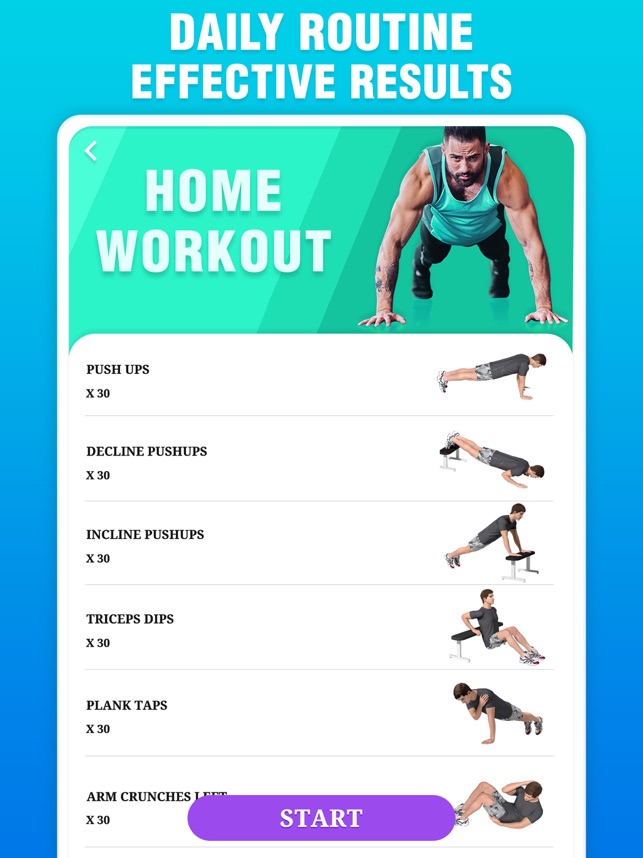
Strength training builds muscle, improves posture, and boosts metabolism. It helps the body burn more calories even at rest. This training type uses resistance to make muscles stronger. Beginners benefit from simple moves that target major muscle groups. These exercises require little or no equipment, perfect for quick workouts. Consistency and proper form matter most for progress and safety.
Bodyweight Squats
Bodyweight squats strengthen legs, hips, and core muscles. Stand with feet shoulder-width apart. Lower your hips as if sitting on a chair. Keep your chest up and knees behind toes. Rise back to the start position. Squats improve balance and flexibility too.
Push-ups
Push-ups work the chest, shoulders, and arms. Start in a plank position with hands under shoulders. Lower your body until your chest almost touches the floor. Push back up to the starting pose. Keep your body straight and tight throughout the move.
Lunges
Lunges target thighs, glutes, and calves. Stand tall and step one foot forward. Lower your hips until both knees bend at 90 degrees. The back knee should hover just above the floor. Push through the front heel to return. Switch legs to work both sides evenly.
Plank Variations
Planks strengthen the core and improve stability. Start in a forearm plank position, elbows under shoulders. Hold your body in a straight line from head to heels. Try side planks to focus on obliques. Maintain steady breathing and avoid sagging hips. Planks enhance posture and reduce back pain.
Creating Your 30 Minute Routine
Creating a 30 minute workout routine helps you stay fit without spending hours at the gym. It fits well into busy schedules and boosts energy fast. A clear plan keeps you focused and motivated.
Choosing the right exercises and timing is key to making the most of your workout. Short bursts of effort with proper rest can improve strength and endurance quickly. This structure also helps avoid injury and burnout.
Interval Training Format
Interval training mixes high and low intensity exercises. You work hard for a short time, then recover briefly. This cycle repeats to complete the workout.
For example, sprint for 30 seconds and walk for 60 seconds. This pattern challenges your heart and muscles efficiently. It burns more calories in less time.
Rest Periods And Timing
Rest periods let your body recover before the next effort. They are as important as the workout itself. Too little rest causes fatigue. Too much rest lowers the workout’s intensity.
Keep rest between 15 to 60 seconds depending on your fitness level. Shorter rests increase challenge. Longer rests help beginners keep pace.
Sample Workout Plan
| Exercise | Duration | Rest |
|---|---|---|
| Jumping Jacks | 30 seconds | 15 seconds |
| Bodyweight Squats | 30 seconds | 15 seconds |
| Push-ups | 30 seconds | 30 seconds |
| Mountain Climbers | 30 seconds | 15 seconds |
| Plank | 30 seconds | 30 seconds |
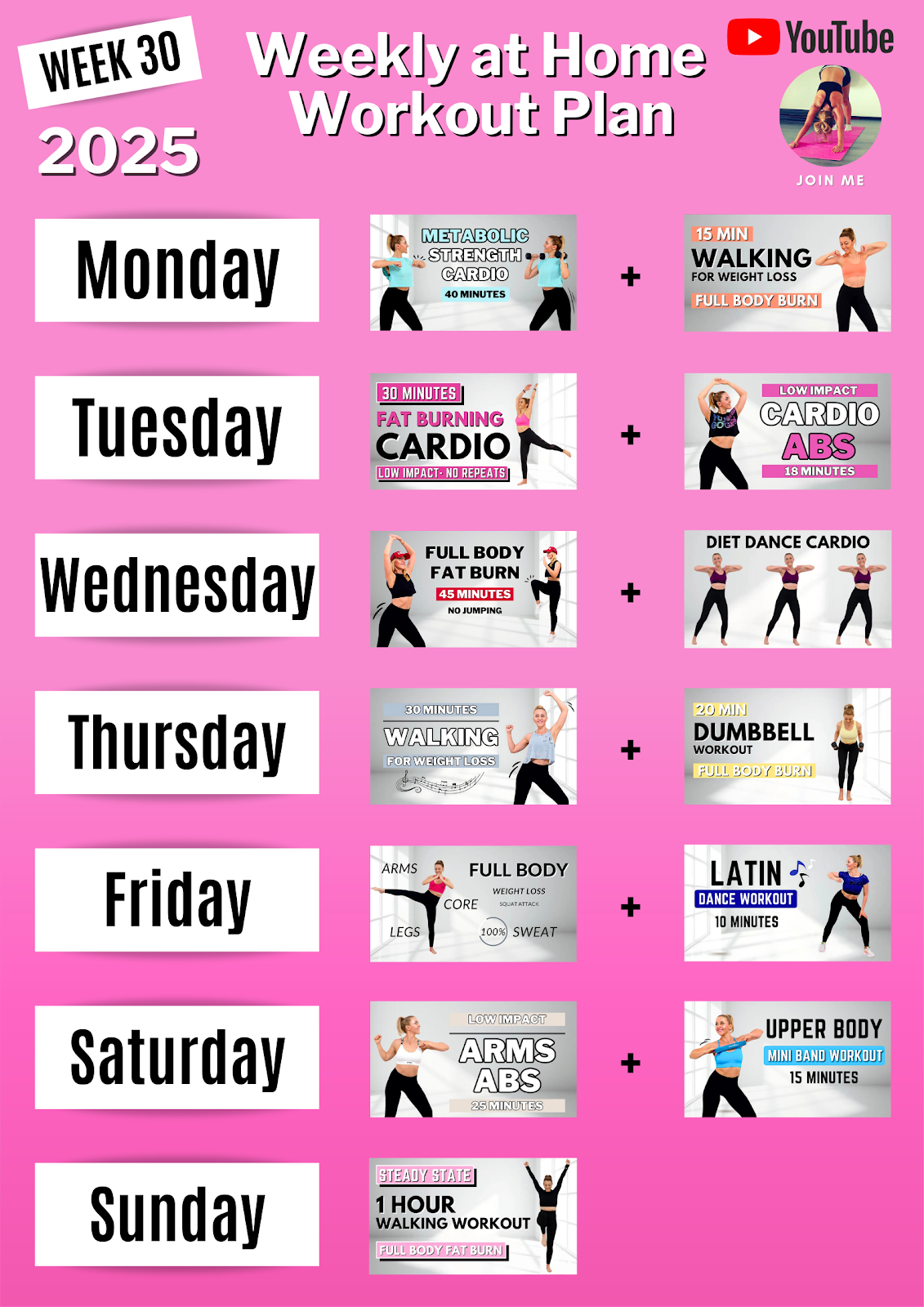
Repeat the circuit 3 times for a full 30 minute session. Adjust rest times or reps based on your fitness. This plan targets all major muscle groups and keeps the heart rate up.
Credit: m.youtube.com
Cool-down And Stretching
Cooling down after a workout is as important as the exercise itself. It helps your body transition from intense activity to rest. Stretching during this time reduces muscle tightness and lowers the chance of injury. It also promotes flexibility and improves blood flow to muscles.
Taking time to cool down can help reduce soreness the next day. It calms your heart rate and breathing. This phase sets a good habit for overall fitness and recovery.
Static Stretches
Static stretches involve holding a position for 15 to 30 seconds. These stretches target major muscle groups used during your workout. They help lengthen muscles and improve flexibility.
- Hamstring stretch: Sit and reach for your toes.
- Quad stretch: Stand and pull your foot toward your buttock.
- Shoulder stretch: Cross one arm over your chest and hold.
- Calf stretch: Lean against a wall with one leg behind.
Hold each stretch gently without bouncing. Stretch until you feel mild tension, not pain.
Breathing Techniques
Breathing deeply helps your body relax during cool-down. It lowers your heart rate and calms your mind. Focus on slow, deep breaths through your nose.
- Inhale slowly for four seconds.
- Hold your breath for two seconds.
- Exhale slowly for six seconds.
Repeat this pattern several times. Deep breathing supports oxygen flow and aids muscle recovery. It also reduces stress and clears your head.
Tips For Staying Motivated
Staying motivated during a 30 minute workout plan is key to seeing results. Motivation can fade quickly without the right mindset and strategies. Simple tips can keep energy high and help maintain a steady routine. Small changes make a big difference in staying on track.
Setting Realistic Goals
Set clear and achievable goals. Goals should match your current fitness level and lifestyle. Avoid setting goals that feel too hard or too easy. Break big goals into smaller steps. Celebrate small wins to boost confidence and keep moving forward.
Tracking Progress
Keep a record of your workouts and improvements. Use a journal, app, or calendar to note your efforts. Seeing progress visually helps stay motivated. Track things like time, reps, or how you feel after each session. Review your progress weekly to stay encouraged.
Finding Workout Buddies
Exercise with friends or family members. Having a workout buddy creates accountability. It makes workouts more fun and less of a chore. Share your goals and encourage each other. A buddy can push you to keep going on tough days.
Nutrition To Support Fat Loss
Nutrition plays a key role in fat loss. Eating the right foods helps fuel workouts and supports muscle recovery. It also controls hunger and boosts metabolism. A good nutrition plan works with your 30-minute workout to create lasting results.
Balanced Meal Ideas
- Grilled chicken with quinoa and steamed vegetables
- Oatmeal topped with berries and a spoon of peanut butter
- Salmon with brown rice and mixed greens
- Greek yogurt with nuts and sliced fruit
- Vegetable stir-fry with tofu and a small serving of noodles
Meals should include lean protein, healthy fats, and complex carbs. This mix helps keep energy steady and controls cravings.
Hydration Tips
- Drink water before, during, and after your workout
- Carry a reusable water bottle to stay hydrated all day
- Limit sugary drinks and sodas that add empty calories
- Try herbal teas or infused water for flavor without sugar
- Aim for at least 8 cups of water daily
Proper hydration supports digestion and helps flush out toxins. It also improves workout performance and aids fat loss.
Foods To Avoid
- Processed snacks like chips and cookies
- Sugary beverages such as soda and energy drinks
- Fast food high in unhealthy fats and salt
- Refined carbs like white bread and pastries
- Excessive amounts of fried foods
These foods can slow down fat loss and cause energy crashes. Focus on whole, natural foods instead for better results.
Common Mistakes To Avoid
Even a quick 30-minute workout can bring great results if done right. But skipping key steps or making simple errors can hold you back or even cause injury. Knowing what to avoid helps you stay on track and make every minute count.
Skipping Warm-up Or Cool-down
Jumping straight into intense exercise without warming up puts your muscles and joints at risk. Warm-ups increase blood flow and prepare your body for movement, reducing injury chances.
Cool-downs are just as important. They help your heart rate return to normal and prevent muscle stiffness. Have you ever felt sore the day after a workout? Skipping cool-downs could be why.
Overtraining
Pushing yourself too hard every day might seem like dedication, but it can backfire fast. Overtraining leads to fatigue, slower progress, and even injury.
Listen to your body’s signals. Feeling exhausted or noticing persistent soreness means you might need more rest. Could taking a day off actually improve your results?
Ignoring Proper Form
Doing exercises quickly without focusing on form reduces effectiveness and increases injury risk. Proper posture and technique ensure you target the right muscles.
Even if you have only 30 minutes, quality beats quantity. If you’re unsure about your form, try slowing down or using a mirror. How often do you check your form during workouts?
Credit: www.lemon8-app.com
Frequently Asked Questions
What Exercises Are Best For A 30 Minute Workout?
A balanced 30-minute workout includes cardio, strength, and flexibility exercises. Combining squats, push-ups, jumping jacks, and planks maximizes efficiency and targets multiple muscle groups.
How Often Should I Do A 30 Minute Workout Plan?
For best results, perform the workout 3 to 5 times weekly. Consistency helps build endurance, strength, and improves overall fitness without overtraining.
Can Beginners Follow A 30 Minute Workout Plan?
Yes, beginners can start with modified exercises and slower pace. Gradually increase intensity and reps to safely build strength and stamina over time.
Is A 30 Minute Workout Effective For Weight Loss?
Yes, a well-structured 30-minute workout burns calories and boosts metabolism. Pair it with a healthy diet for effective and sustainable weight loss results.
Conclusion
This 30-minute workout plan fits into any busy day. You can build strength, burn calories, and feel better fast. Consistency matters more than time spent. Small steps lead to big changes. Try the plan regularly and notice your energy grow.
Stay motivated by tracking your progress. Your health deserves this simple, quick effort. Start today and enjoy the benefits soon.







