
Are you tired of feeling self-conscious about your midsection? Does your abdomen not look or feel the way it used to?
If you’ve noticed a separation in your abdominal muscles, you might be dealing with diastasis recti, a common condition, especially after pregnancy. But don’t worry—you’re not alone, and there’s something you can do about it. Imagine regaining your core strength and confidence with a diastasis recti workout plan tailored just for you.
This isn’t just about aesthetics; it’s about improving your overall health and well-being. Dive into this article to discover effective exercises that can help you close the gap, strengthen your core, and reclaim your body. Your journey to a stronger, more confident you starts right here.

Credit: www.youtube.com
Causes And Symptoms
Understanding the causes and symptoms of diastasis recti is essential before starting any workout plan. Knowing what triggers this condition and how to spot it early helps you tailor exercises that truly support your recovery. Let’s break down the common triggers and signs you should be aware of.
Common Triggers
Diastasis recti often occurs when the pressure inside your abdomen increases too much. This can happen during pregnancy, especially in the later stages, as your growing baby stretches your abdominal muscles beyond their limit.
Other triggers include heavy lifting without proper form, rapid weight gain, or intense core workouts that strain your midsection. Even activities like chronic coughing or constipation can add pressure and worsen the separation.
Have you noticed certain movements or habits that make your belly feel weaker or more unstable? These could be clues pointing toward diastasis recti.
Signs To Watch
One of the most common signs is a visible bulge or ridge running down the middle of your belly when you contract your abs. This ridge often appears when you sit up or strain.
You might also feel a sense of weakness or discomfort in your core, which can affect your posture and balance. Some people experience lower back pain because their abdominal muscles can’t support the spine properly.
- Notice any difficulty doing simple core exercises without pain?
- Is your stomach still protruding months after childbirth?
- Do you feel a gap when you press your fingers into your midline?
Pay close attention to these signs—they can guide you in adjusting your workout plan to heal effectively and avoid further injury.
Benefits Of Targeted Workouts
Targeted workouts designed for Diastasis Recti offer more than just physical recovery. They help rebuild your core in a way that supports daily activities and overall well-being. Focusing on specific exercises can bring noticeable changes, making your journey smoother and more effective.
Core Strength Gains
Strengthening your core is essential when dealing with Diastasis Recti. Targeted workouts focus on the deep abdominal muscles, helping to close the gap and restore stability.
Stronger core muscles improve your ability to perform everyday tasks like lifting, bending, and even standing for long periods. Have you noticed how a weak core can make simple movements feel exhausting?
Improved Posture
Weak abdominal muscles often lead to poor posture, which can worsen Diastasis Recti symptoms. Targeted exercises help realign your body by supporting your spine properly.
Better posture reduces strain on your back and neck, making you feel more confident and comfortable. Think about how standing tall changes the way you carry yourself throughout the day.
Reduced Discomfort
Pain and discomfort are common with Diastasis Recti, especially in the lower back and abdomen. Engaging in the right workouts can ease this discomfort by strengthening muscles that support your core.
Many people find relief from chronic aches once they add these specific exercises to their routine. What if the right movement could actually reduce your daily pain?
Safe Exercise Guidelines
Keeping your workout safe is key when dealing with Diastasis Recti. You want to strengthen your core without making the gap wider or causing pain. Knowing what to avoid, how to breathe, and maintaining proper form will help you move confidently and see progress.
Movements To Avoid
Certain exercises can put too much pressure on your abdominal muscles and worsen Diastasis Recti. Avoid crunches, sit-ups, and any twisting motions that cause your belly to bulge outward. Also, skip heavy lifting that makes you strain or hold your breath.
Pay attention to your body during workouts. If you notice any doming or coning along your midline, stop immediately. This is a sign that your abdominal muscles are under too much stress.
Breathing Techniques
Breathing correctly supports your core and helps reduce pressure on your stomach muscles. Try to breathe deeply into your belly rather than your chest. This type of breathing activates your diaphragm and engages your core gently.
Practice exhaling slowly as you lift or move during exercises. This helps you avoid holding your breath, which increases intra-abdominal pressure. Have you noticed how your body feels different when you focus on your breath?
Proper Form Tips
Good form is essential to protect your healing muscles. Always keep your ribs down and avoid arching your back during exercises. Imagine pulling your belly button gently toward your spine to engage your deep core muscles.
Start each movement slowly and with control. It’s better to do fewer reps correctly than to rush and risk injury. Ask yourself: Am I feeling my muscles work without pain or discomfort? If not, adjust your form or take a break.
Beginner-friendly Moves
Starting a workout plan for diastasis recti can feel overwhelming, but choosing beginner-friendly moves helps you build strength safely. These exercises focus on gentle activation of your core and pelvic muscles without putting pressure on the separated abdominal muscles. You’ll find that consistent practice with simple moves can bring noticeable improvements and boost your confidence.
Pelvic Tilts
Pelvic tilts are a gentle way to engage your lower abdominal muscles. Lie on your back with knees bent and feet flat on the floor. Slowly tilt your pelvis upward by flattening your lower back against the floor, then release.
This movement helps strengthen your deep core muscles and improves pelvic alignment. How often do you consciously engage your pelvic muscles during the day? Adding pelvic tilts to your routine can increase your body awareness and support your recovery.
Heel Slides
Heel slides are another beginner-friendly move that targets your core without straining your abdomen. Lie on your back with knees bent. Slowly slide one heel away from your body, keeping your foot in contact with the floor, then slide it back.
This exercise encourages controlled movement and core activation. Try to keep your lower back pressed gently to the floor throughout. It’s a simple way to build strength and improve coordination, especially if you’re cautious about intense core work.
Modified Planks
Modified planks allow you to strengthen your core while protecting your abdominal separation. Instead of a full plank, support your body on your forearms and knees. Keep your back straight and engage your core muscles gently.
Holding this position for short intervals challenges your core without excessive pressure. Have you noticed how supporting your body weight differently changes the muscle activation? This move helps you gradually build endurance and stability in your core.
Intermediate Workouts
Intermediate workouts for diastasis recti focus on building core strength safely. These exercises help close the gap between abdominal muscles. They also improve stability and posture. This level challenges your muscles more than beginner workouts.
Perform each exercise slowly. Keep your core engaged. Avoid any movement that causes pain or bulging in the abdomen.
Leg Lifts
Leg lifts target lower abdominal muscles. Lie on your back with knees bent. Slowly lift one leg at a time without arching your back. Hold for a few seconds. Lower the leg gently. Repeat with the other leg.
- Keep your core tight throughout.
- Do 10 to 12 lifts per leg.
- Rest between sets as needed.
Seated Ball Exercises
Sitting on a stability ball activates core muscles deeply. Sit with feet flat on the floor. Keep your spine straight. Gently roll the ball forward and backward using your hips. This movement engages your abdominal muscles.
- Perform 15 to 20 small rolls.
- Focus on controlled, smooth motions.
- Stop if you feel discomfort in your belly.
Wall Push-ups
Wall push-ups strengthen the upper body and core. Stand facing a wall. Place hands shoulder-width apart on the wall. Slowly bend your elbows and bring your chest closer to the wall. Push back to the starting position.
- Keep your core muscles tight.
- Do 10 to 15 repetitions.
- Maintain a straight line from head to heels.
Advanced Core Strengtheners
Advanced core strengtheners target the deeper muscles around the abdomen. They help rebuild strength safely after Diastasis Recti. These exercises improve stability and support healing. They also enhance posture and reduce back pain. Focus on controlled movements and steady breathing. Avoid any strain on the midline.
Full Planks
Full planks engage the entire core, including the transverse abdominis. Start in a forearm or straight-arm plank position. Keep your body in a straight line from head to heels. Tighten your belly without holding your breath. Hold the position for 20 to 30 seconds. Rest and repeat 3 to 5 times. Stop if you feel any bulging or discomfort in the belly.
Side Planks
Side planks strengthen the obliques and improve balance. Lie on one side with legs stacked. Place your elbow under your shoulder. Lift your hips to form a straight line. Keep your neck and spine neutral. Hold for 15 to 25 seconds per side. Perform 3 sets on each side. Modify by bending knees if needed. Avoid twisting or collapsing the hips.
Dead Bug Variations
Dead bug exercises promote core control and coordination. Lie on your back with arms extended upward. Bend your knees at 90 degrees. Slowly lower the opposite arm and leg toward the floor. Keep your lower back pressed gently into the ground. Return to the starting position and switch sides. Perform 8 to 12 repetitions per side. Move slowly and focus on maintaining a stable core.
Incorporating Pilates And Yoga
Adding Pilates and yoga to your diastasis recti workout plan can make a big difference in your recovery. Both focus on gentle, controlled movements that strengthen your core without putting too much pressure on your abdomen. These exercises help rebuild the connection between your abdominal muscles and improve your overall stability.
Core-focused Pilates Moves
Pilates offers exercises that target the deep core muscles, which are essential for healing diastasis recti. Moves like the pelvic tilt, heel slides, and modified plank help engage your transverse abdominis safely.
Try to maintain slow, precise motions during each exercise. Avoid any movement that causes your belly to bulge outward, as that can worsen the separation.
- Pelvic Tilt:Lie on your back with knees bent, gently tilt your pelvis to flatten your lower back against the floor while drawing your belly button in.
- Heel Slides:Slowly slide one heel away from your body while keeping your core engaged, then return and switch legs.
- Modified Plank:Hold a plank position on your knees, focusing on drawing your belly button toward your spine without letting your belly sag.
Have you noticed how small, mindful movements can activate muscles you didn’t know you had? That’s the power of Pilates for your core recovery.
Yoga Poses For Stability
Yoga encourages balance and stability by combining strength with flexibility. Certain poses can help you reconnect with your core and improve posture, which is crucial for healing diastasis recti.
Focus on poses that are gentle yet effective. Avoid deep backbends or strong abdominal twists that might strain your midsection.
- Cat-Cow Pose:Flow slowly between arching and rounding your spine, syncing breath with movement to engage your core gently.
- Bridge Pose:Lift your hips while pressing feet and shoulders into the mat, activating your glutes and lower abs.
- Modified Boat Pose:Sit with knees bent, lean back slightly, and engage your core to hold the position without strain.
How does your body feel when you focus on stability instead of pushing through intensity? Yoga teaches you to listen deeply to your core’s needs.
Tracking Progress
Tracking your progress during a Diastasis Recti workout plan is essential. It helps you see changes and stay motivated. Regular checks show how your body improves over time. Monitoring both the gap and your strength gives a clear picture of your recovery.
Measuring Gap Reduction
Measure the gap between your abdominal muscles with your fingers. Lie on your back, knees bent, and lift your head slightly. Feel along the midline from your rib cage to your belly button. Note the number of finger widths that fit into the gap. Record this measurement weekly to track changes. A smaller gap means your muscles are coming closer together.
Noting Strength Improvements
Track your core strength by testing how long you hold exercises. Planks, pelvic tilts, and modified crunches work well. Write down how many seconds you can hold each pose. Also, note if the exercises feel easier over time. Increased strength supports your abdominal muscles and helps close the gap.
When To Seek Professional Help
Knowing when to seek professional help during your diastasis recti workout plan is crucial. While many exercises can be done safely at home, certain signs indicate that expert guidance is necessary. Ignoring these signals can slow your recovery or even cause further injury.
Physical Therapy Options
If your diastasis recti gap is wide or doesn’t improve after a few weeks of exercise, a physical therapist can help. They specialize in tailored routines that target your core safely and effectively.
Physical therapists use hands-on techniques and biofeedback to teach you how to engage the right muscles. They also monitor your progress and adjust your plan as needed.
Have you ever tried to fix a problem on your own only to realize a professional’s advice made all the difference? That’s exactly why consulting a physical therapist can speed up your recovery and prevent setbacks.
Signs Of Complications
Watch out for pain in your lower back or abdomen that doesn’t go away with rest. Sharp pain during exercises or daily activities is a clear warning sign.
If you notice a bulge or hernia near your belly button, it’s time to get checked by a healthcare provider. Difficulty breathing or changes in posture can also indicate deeper issues.
Are you feeling frustrated because your diastasis recti isn’t improving or is getting worse? These signs mean you shouldn’t delay seeking professional help to avoid long-term problems.
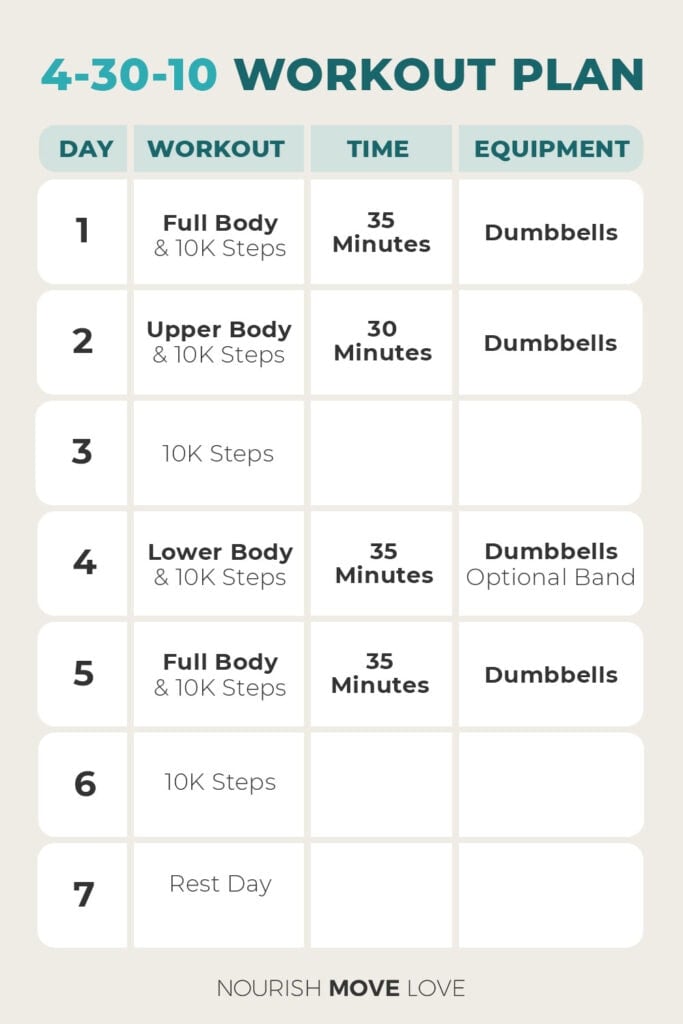
Credit: www.nourishmovelove.com
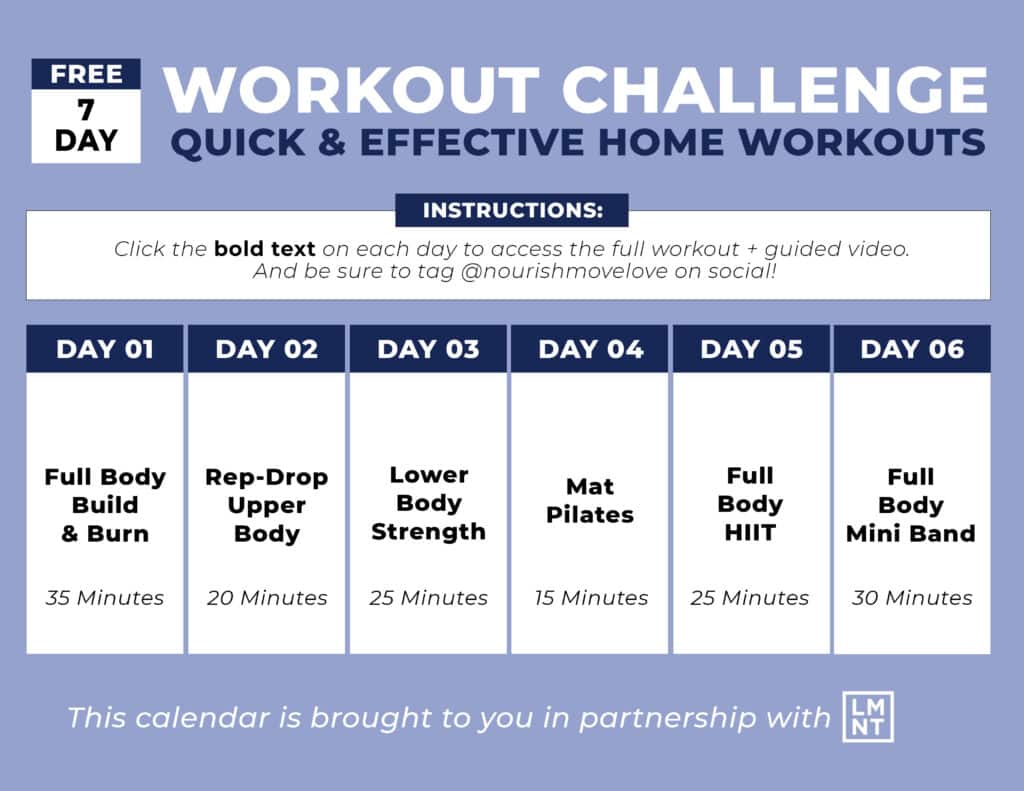
Credit: www.nourishmovelove.com
Frequently Asked Questions
What Is The Best Workout For Diastasis Recti Recovery?
The best workout focuses on gentle core strengthening and pelvic floor exercises. Avoid crunches or heavy lifting. Consistency and proper technique are crucial for healing diastasis recti safely.
How Long Does It Take To Heal Diastasis Recti?
Healing time varies but typically takes 8 to 12 weeks with proper exercises. Consistent workouts and avoiding strain help close the abdominal gap effectively.
Can Diastasis Recti Exercises Be Done Postpartum?
Yes, postpartum exercises designed for diastasis recti are safe. They help restore core strength and improve abdominal separation when done correctly and gradually.
Which Exercises Should Be Avoided With Diastasis Recti?
Avoid traditional sit-ups, crunches, and heavy weightlifting. These increase abdominal pressure and can worsen the separation. Focus on safe, controlled movements instead.
Conclusion
A good workout plan helps heal diastasis recti safely. Start slow and focus on gentle moves. Consistency brings steady progress and better core strength. Listen to your body and avoid pain. Small steps add up to big changes. Keep your goals clear and stay patient.
Your core will get stronger with time. This plan supports your healing journey well.







