
Are you ready to push your limits and discover what you’re truly capable of? The Spartan Race isn’t just another obstacle course—it’s a test of your grit, strength, and resilience.
But before you dive headfirst into the mud and adrenaline, you need a solid Spartan Race workout plan. This isn’t about just surviving the race; it’s about conquering it with confidence and power. Imagine crossing that finish line, adrenaline pumping, a smile of triumph on your face.
With the right training, that victory can be yours. Dive in, and let’s transform your workout routine into a Spartan-worthy regimen that prepares you for every climb, crawl, and sprint the race will throw your way. Ready to unleash your inner warrior? Let’s get started!

Credit: www.spartan.com
Race Preparation Basics
Preparing for a Spartan Race requires focus on several key areas. The race tests your body and mind in many ways. Understanding the basics helps build a solid foundation for training. Start by knowing what the race demands physically and mentally. This knowledge guides your workouts and mindset.
Physical Demands Of Spartan Race
Spartan Races combine running with tough obstacles. You run on uneven, rough terrain. Expect hills, mud, and water. Obstacles need climbing, lifting, crawling, and jumping. These challenges require strength, endurance, and agility. Your body must handle varied movements for hours. Training must prepare you for all these tasks.
Key Fitness Components
Focus on these fitness parts:
- Endurance:Build stamina for long runs and constant movement.
- Strength:Develop upper and lower body power for obstacles.
- Agility:Improve balance and coordination on uneven ground.
- Flexibility:Help prevent injuries and ease obstacle navigation.
- Speed:Increase pace on flat and hilly sections.
Balanced training covering these areas boosts race performance.
Mental Toughness Training
The Spartan Race is as much mental as physical. You face fatigue, discomfort, and fear. Mental toughness pushes you past limits. Practice staying calm under pressure. Use positive self-talk to keep motivated. Visualize completing tough obstacles. Embrace challenges as chances to grow. This mindset helps finish strong and enjoy the experience.
Strength Training
Strength training is the backbone of any Spartan Race workout plan. It builds the muscle power you need to conquer obstacles, carry heavy loads, and push through fatigue. Without solid strength, endurance alone won’t get you over those walls or through the mud.
Think about the last time you struggled with a pull-up or a heavy carry. That moment highlights exactly why targeted strength workouts matter. Let’s break down the key areas to focus on, starting with your upper body.
Upper Body Workouts
Your upper body drives many Spartan Race movements like rope climbs, monkey bars, and spear throws. Focus on exercises that develop your back, shoulders, chest, and arms.
- Pull-ups:Perfect for building back and arm strength. Try assisted pull-ups if you’re just starting out.
- Push-ups:Great for chest and shoulder endurance. Vary hand positions to target different muscles.
- Dumbbell Rows:Strengthen your upper back and improve grip, crucial for obstacles requiring pulling motions.
Challenge yourself to increase reps or add weight gradually. The goal is to build functional strength, not just look strong.
Lower Body Workouts
Strong legs power your sprint, jump, and climb. They also reduce injury risk during uneven terrain runs.
- Squats:Bodyweight or weighted, they build quads, hamstrings, and glutes.
- Lunges:Improve balance and unilateral leg strength, essential for uneven obstacles.
- Deadlifts:Develop overall posterior chain strength, which helps in lifting heavy objects and stabilizing your body.
Focus on form before adding weight. Ask yourself—how stable do you feel when pushing off or landing?
Core Stability Exercises
Your core connects upper and lower body strength, making it essential for obstacle control and injury prevention.
- Planks:Build endurance in your abdominal muscles, improving posture and balance.
- Russian Twists:Enhance rotational strength, useful for swinging or twisting through obstacles.
- Hanging Leg Raises:Strengthen lower abs and hip flexors, which help with knee drives and climbing.
Don’t underestimate your core’s role—it’s the engine that drives every movement. Are you engaging these muscles during your workouts or just going through the motions?
Endurance Training
Endurance training builds stamina for Spartan Race challenges. It helps your body keep moving longer without tiring. Improving endurance boosts your overall race performance. Focus on consistent workouts that push your limits gradually.
Running Techniques
Proper running form saves energy and reduces injury risk. Keep your shoulders relaxed and your arms bent at 90 degrees. Land softly on the middle of your foot. Maintain a steady, controlled breathing pattern. Short, quick strides help keep momentum steady.
Interval Training
Alternate between high-intensity sprints and slower recovery jogs. This trains your body to recover quickly under stress. Example workout:
- Run fast for 30 seconds
- Jog slowly for 90 seconds
- Repeat 6 to 8 times
Intervals improve speed and aerobic capacity. They simulate race conditions that require bursts of power.
Long Distance Runs
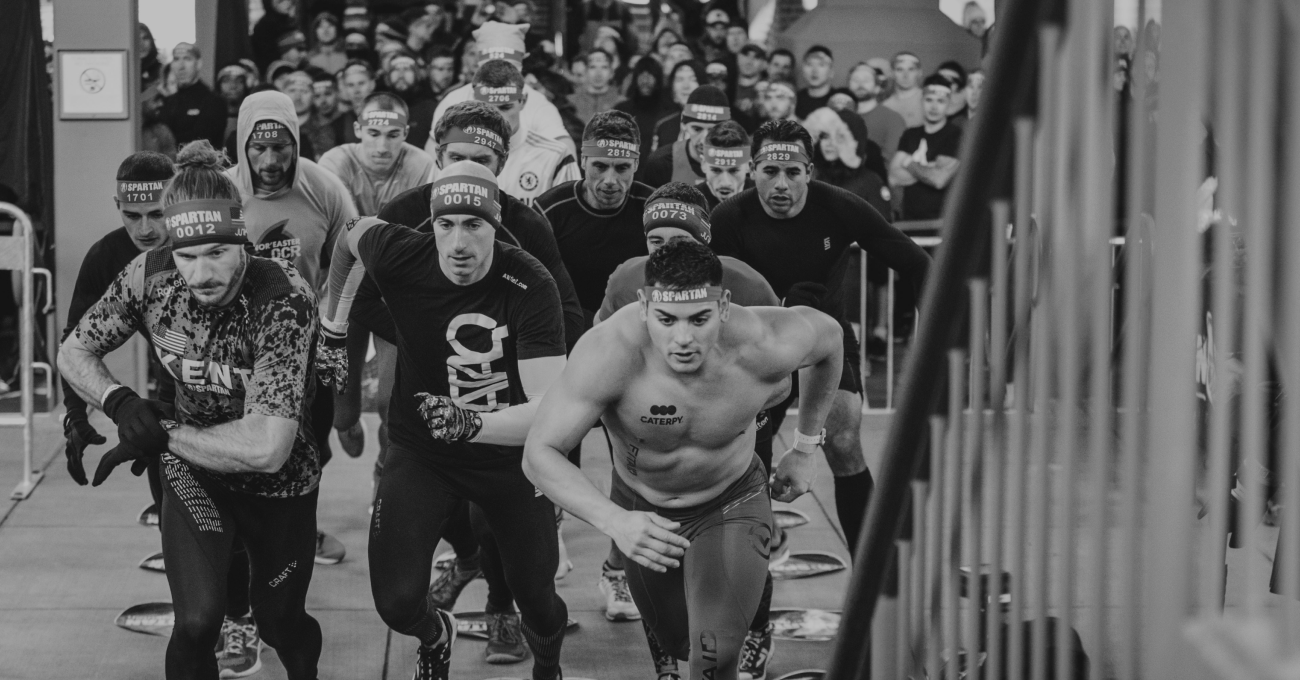
Run longer distances at a comfortable pace to build endurance. Aim for steady runs lasting 45 minutes to 2 hours. These runs strengthen your heart and muscles. They also improve mental toughness for race day. Increase distance gradually to avoid injury.
Credit: www.spartan.com
Obstacle-specific Drills
Obstacle-specific drills prepare your body for the unique challenges of a Spartan Race. These workouts target the skills needed to overcome walls, ropes, and uneven terrain. Training with focused exercises helps build confidence and reduces race-day surprises.
Grip Strength Exercises
Strong hands and forearms make climbing and hanging easier. Use exercises like dead hangs from a bar or farmer’s carries with heavy weights. Squeezing stress balls or using grip trainers also improves endurance. These drills increase your ability to hold on during tough obstacles.
Climbing And Crawling
Practice climbing ropes and walls to build upper body strength. Use monkey bars or pull-up bars to simulate race obstacles. Crawling under low barriers trains your core and shoulder muscles. These drills improve coordination and help you move efficiently through tight spaces.
Balance And Agility
Balance is key on uneven surfaces and narrow beams. Use balance boards or walk along logs to enhance stability. Agility drills like ladder runs and cone drills boost quick footwork. These exercises help you stay steady and move fast without falling.
Recovery And Nutrition
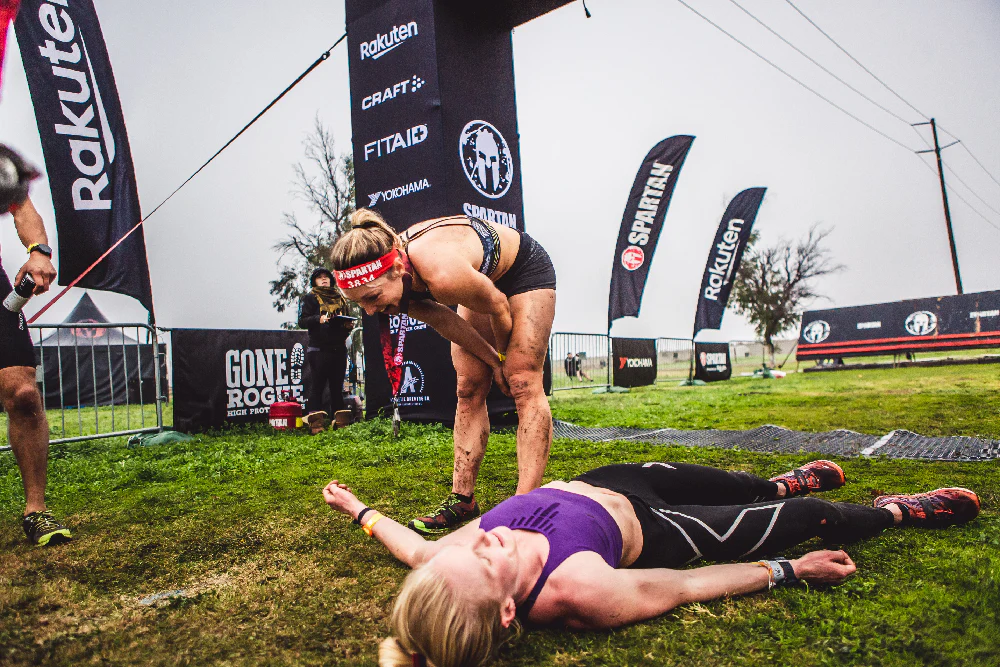
Recovery and nutrition play a vital role in any Spartan Race workout plan. They help your body heal and prepare for the next challenge. Proper recovery prevents injuries and improves your overall performance. Nutrition fuels your muscles and aids in faster healing.
Rest And Injury Prevention
Rest days allow muscles to repair and grow stronger. Avoid overtraining to reduce the risk of injury. Sleep at least 7 to 8 hours every night. Listen to your body’s signals and take breaks when needed. Stretching and foam rolling can ease muscle tightness. Warm up before workouts and cool down afterward.
Hydration Strategies
Water is essential for muscle function and energy. Drink water before, during, and after training. Electrolyte drinks help replace minerals lost through sweat. Avoid sugary or caffeinated drinks as they can dehydrate you. Carry a water bottle during workouts. Monitor urine color to check hydration—light yellow is ideal.
Fueling For Performance
Eat balanced meals with carbs, protein, and healthy fats. Carbohydrates provide energy for intense training. Protein helps repair muscles and build strength. Healthy fats support long-lasting energy and brain function. Snack on nuts, fruits, and yogurt between meals. Timing matters—eat a small meal 1 to 2 hours before training. Refuel within 30 minutes after exercise with protein and carbs.
Credit: www.spartan.com
Race Day Tips
Race day brings a mix of excitement and nerves. Knowing how to prepare beyond training can make a big difference in your Spartan Race experience. These tips focus on practical ways to help you stay strong, focused, and ready to face the course.
Gear And Equipment
Your gear can either boost your performance or slow you down. Choose lightweight, moisture-wicking clothes that dry fast and prevent chafing. Don’t forget trail shoes with good grip—they make climbing and mud sections much easier.
Bring gloves if your hands get sore easily; they protect during rope climbs and monkey bars. Pack a small, resealable bag for any essentials like energy gels or a phone. Test all your gear during training to avoid surprises on race day.
Pacing Strategies
Starting too fast can drain your energy quickly. Find a pace that lets you breathe steadily and maintain strength for obstacles. Break the race into sections and set mini-goals to stay motivated.
Use walking to recover on flat or uphill parts if you feel tired. Keep an eye on your breathing and heart rate—can you still hold a conversation? If not, slow down. Remember, finishing strong beats finishing fast.
Overcoming Common Challenges
Obstacles like wall climbs or mud pits can be intimidating. Focus on technique rather than brute force. For example, use your legs more than your arms to climb walls and keep your body close to the surface.
When stuck in mud, don’t panic—slow, deliberate movements help you avoid exhaustion. If an obstacle seems impossible, don’t hesitate to move on and return later if allowed. Have you prepared mentally for setbacks? Staying calm and adaptable is your secret weapon.
Frequently Asked Questions
What Is A Spartan Race Workout Plan?
A Spartan Race workout plan prepares you physically for obstacle course challenges. It combines strength, endurance, and agility training. This plan focuses on running, climbing, lifting, and functional exercises. It helps build stamina, power, and mental toughness needed for race success.
How Often Should I Train For Spartan Race?
Training 4 to 5 times per week is ideal. Include a mix of cardio, strength, and obstacle practice. Rest days are essential for recovery. Consistency and gradual progression reduce injury risk and improve performance. Tailor workouts to your fitness level and goals.
Which Exercises Improve Spartan Race Performance?
Key exercises include running, burpees, pull-ups, and kettlebell swings. Functional movements like rope climbs and tire flips build race-specific strength. Core workouts enhance stability for obstacles. Combining cardio and strength helps boost endurance and power.
How Long Should A Spartan Race Training Plan Last?
A 12-week training plan is recommended for beginners. This allows gradual fitness improvement and skill development. Experienced athletes may need 6 to 8 weeks of focused training. The plan should adapt to your current fitness and race difficulty.
Conclusion
This Spartan Race workout plan helps build strength and endurance. Stick to the routine and track your progress each week. Rest days matter just as much as training days. Eat well and stay hydrated to support your body. Challenge yourself, but listen to your limits to avoid injury.
Consistency leads to better results and confidence. Prepare well, and enjoy the thrill of the race. You have what it takes to finish strong. Keep pushing forward, step by step.







