
Are you ready to transform your fitness routine and ignite your strength like never before? Imagine having the endurance, agility, and power of a firefighter, ready to tackle any challenge head-on.
With the right workout plan, you can achieve just that. In this guide, you’ll discover a tailored firefighter workout plan designed to boost your physical abilities and enhance your overall fitness. Not only will this plan help you build muscle and improve stamina, but it will also instill a level of confidence and resilience that only firefighters possess.
Prepare to be inspired and motivated as you unlock the secrets to a workout regimen that’s as dynamic and impactful as the heroes who serve on the front lines. Keep reading, and take the first step towards becoming the strongest version of yourself.
Key Fitness Goals For Firefighters
Firefighters face tough physical challenges daily. Their fitness must cover several key areas. These areas help them perform well and stay safe during emergencies. Training focuses on strength, endurance, flexibility, and mental toughness. Each goal supports different parts of their demanding job.
Building Explosive Strength
Firefighters need quick, powerful moves. Explosive strength helps in lifting heavy equipment fast. It aids in breaking down doors or moving debris. Exercises like squats, deadlifts, and box jumps build this strength. This power reduces injury risk and improves job performance.
Enhancing Cardiovascular Endurance
Long shifts and heavy gear demand great stamina. Cardiovascular endurance keeps firefighters active without tiring. Running, cycling, and high-intensity interval training improve heart and lung health. Better endurance means faster recovery and sustained effort during rescues.
Improving Flexibility And Mobility
Firefighters move in tight, awkward spaces often. Flexibility prevents strains and sprains. Mobility allows smooth, efficient movements under pressure. Stretching, yoga, and dynamic warm-ups increase joint range and muscle elasticity. This makes work safer and easier.
Boosting Mental Toughness
Stress and danger are constant in firefighting. Mental toughness helps firefighters stay calm and focused. Training includes breathing techniques and visualization exercises. Strong mental health improves decision-making and emotional control in crises.

Credit: www.amazon.com
Essential Strength Training Exercises
Strength training is key for firefighters to perform tough tasks safely. Building muscle power helps lift heavy equipment and carry victims. It also reduces injury risks and improves endurance. Focused exercises target major muscle groups used in firefighting.
Compound Lifts For Power
Compound lifts work multiple muscles at once. They build overall strength and power quickly. Key lifts include:
- Squats – strengthen legs and core
- Deadlifts – develop back, legs, and grip
- Bench Press – build chest and arm strength
- Overhead Press – improve shoulder and arm power
These lifts mimic real-life lifting and pushing demands. Proper form is critical to avoid injury.
Functional Movements For Firefighting Tasks
Functional exercises train muscles used on the job. They improve movement patterns and endurance. Examples are:
- Kettlebell swings – simulate lifting and carrying
- Sled pushes – build leg strength and stamina
- Farmer’s walks – enhance grip and core stability
- Box jumps – increase explosive leg power
These movements help firefighters move efficiently under stress.
Bodyweight Exercises For Core Stability
Core strength supports balance and posture. Bodyweight exercises are simple and effective. Try these:
- Planks – stabilize the entire core
- Push-ups – strengthen chest, arms, and core
- Mountain climbers – improve core endurance
- Leg raises – target lower abdominal muscles
Strong core muscles reduce back pain and improve lifting ability.
Incorporating Weight Vests And Sandbags
Adding weight vests or sandbags increases workout intensity. They simulate carrying heavy gear or victims. Use them for:
- Push-ups and pull-ups with added weight
- Walking lunges to build leg endurance
- Sandbag carries to mimic real rescue tasks
- Step-ups to improve leg strength
Gradually increase weight to avoid strain and injury.
Cardio Workouts To Improve Stamina
Cardio workouts are essential for firefighters to build stamina and endurance. Stamina helps firefighters perform physically demanding tasks without getting tired quickly. These workouts improve heart and lung capacity, which supports long hours of intense activity. Regular cardio training prepares the body to handle emergencies efficiently.
High-intensity Interval Training (hiit)
HIIT involves short bursts of intense exercise followed by brief rest periods. This type of training boosts cardiovascular fitness and burns fat fast. It mimics the quick, intense efforts firefighters face during rescues. A typical HIIT session lasts 20 to 30 minutes. Exercises include sprints, jumping jacks, and burpees. HIIT helps improve stamina by challenging the body repeatedly.
Steady-state Running And Cycling
Steady-state cardio means exercising at a consistent, moderate pace for a longer time. Running and cycling build endurance by strengthening the heart and lungs. Sessions usually last 30 to 60 minutes. This type of workout improves oxygen delivery to muscles. It trains the body to sustain activity without fatigue. Steady-state cardio is easy to track and adjust based on fitness levels.
Stair Climbing And Hill Sprints
Stair climbing and hill sprints add resistance to cardio workouts. These exercises improve leg strength and cardiovascular health. Climbing stairs mimics carrying heavy equipment up ladders. Hill sprints increase power and speed in short bursts. Both workouts challenge the lungs to work harder. They build stamina needed for steep and tough terrain.
Circuit Training For Endurance
Circuit training combines cardio and strength exercises in a sequence. It keeps the heart rate elevated while working different muscle groups. Circuits may include jumping rope, push-ups, and running in place. This workout enhances overall fitness and stamina. Circuits last 20 to 40 minutes with minimal rest. They prepare firefighters for continuous, varied physical demands.
Credit: medium.com
Flexibility And Recovery Techniques
Flexibility and recovery techniques play a key role in a firefighter workout plan. Firefighting demands agility and strength. Without proper recovery, the risk of injury increases and performance drops. Stretching and recovery help muscles stay loose and ready for action. These techniques also reduce soreness and improve movement quality. Consistent practice of flexibility and recovery methods supports long-term fitness and health for firefighters.
Dynamic Stretching Routines
Dynamic stretching prepares the body for intense work. It involves active movements that increase blood flow. Movements mimic firefighting actions to improve mobility. Examples include leg swings, arm circles, and torso twists. These stretches warm up muscles and joints. They reduce stiffness and boost range of motion. Dynamic stretching before workouts lowers injury risks.
Yoga And Mobility Drills
Yoga enhances flexibility and mental focus. It stretches tight muscles and improves balance. Mobility drills target joint movement and control. These drills help firefighters move smoothly in tight spaces. Simple poses like downward dog or cat-cow can ease tension. Combining yoga with mobility exercises improves body awareness. This combination aids recovery and prevents stiffness.
Foam Rolling And Myofascial Release
Foam rolling loosens tight muscles and fascia. It uses body weight to apply pressure on knots. Myofascial release improves blood flow and muscle elasticity. This technique speeds up muscle recovery after tough workouts. Firefighters can focus on calves, back, and shoulders. Foam rolling also reduces muscle soreness and fatigue. Using a foam roller regularly helps maintain muscle health.
Rest And Sleep Strategies
Rest is crucial for muscle repair and energy restoration. Sleep allows the body to heal and recharge fully. Firefighters should aim for 7 to 9 hours of sleep. Establishing a regular sleep schedule enhances recovery quality. Avoiding screens and caffeine before bed supports better sleep. Quality rest improves strength, focus, and overall performance on duty.
Sample Weekly Workout Plan
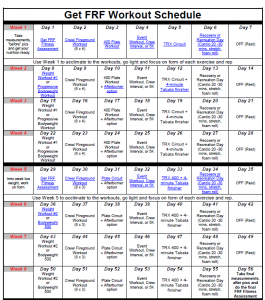
A firefighter workout plan needs to be clear and practical. This sample weekly plan guides you through a balanced routine. It builds strength, endurance, and agility. Each day has specific goals to keep you prepared for physical challenges. Follow it to improve your fitness steadily and safely.
Day-by-day Breakdown
- Monday:Strength training focusing on upper body and core.
- Tuesday:Cardio session with running or cycling for endurance.
- Wednesday:Functional training using bodyweight and firefighting movements.
- Thursday:Interval cardio to boost stamina and recovery speed.
- Friday:Lower body strength exercises and core stability work.
- Saturday:Mixed circuit training combining strength and cardio elements.
- Sunday:Rest day with light stretching or yoga.
Balancing Strength And Cardio
Strength and cardio both matter in firefighting fitness. Strength helps with lifting and carrying heavy gear. Cardio improves heart and lung health. Alternate between these workouts to avoid burnout. This balance keeps your body ready for sudden, intense tasks.
Incorporating Rest Days
Rest days help muscles recover and grow stronger. Skipping rest can cause injuries or fatigue. Use rest days for gentle activities like walking or stretching. This keeps your body moving without strain. Proper rest improves your overall performance.
Adjusting Intensity For Progression
Start with easier exercises if you are new to training. Increase weights, time, or reps gradually. Track your progress to know when to push harder. Adjust intensity to avoid plateaus and stay motivated. This approach builds strength and endurance safely over time.

Credit: firerescuefitness.com
Nutrition Tips For Firefighter Fitness
Fueling your body correctly is just as important as the workouts you do as a firefighter. Nutrition directly impacts your strength, endurance, and recovery—key factors for staying ready on the job. Let’s break down the essential nutrition tips that support the demanding fitness routine you follow.
Macronutrient Priorities
Your body needs the right balance of macronutrients to perform at its best. Focus on getting enough proteinto repair muscles and build strength—think lean meats, eggs, and legumes. Carbohydratesare your main energy source, so include whole grains, fruits, and vegetables to keep your stamina high.
Don’t neglect healthy fats, which support brain function and joint health. Avocados, nuts, and olive oil are great options. Have you ever tracked your meals to see if your plate has enough of these? It might reveal surprising gaps.
Hydration Strategies
Staying hydrated is crucial, especially during intense workouts and long shifts. Drink water steadily throughout the day, not just when you feel thirsty. Sweat can cause rapid fluid loss, so replenishing is non-negotiable.
Electrolyte drinks can help when you’re sweating heavily, but avoid sugary sports drinks that can cause energy crashes. Try adding a pinch of salt and a squeeze of lemon to your water for a natural electrolyte boost. How often do you check your hydration before a workout?
Pre- And Post-workout Meals
Eating the right foods before and after exercise can transform your performance and recovery. Before a workout, choose a meal rich in complex carbs and moderate protein—like oatmeal with nuts or a turkey sandwich—to fuel your session.
After working out, prioritize protein to kickstart muscle repair and carbs to replenish energy stores. A smoothie with Greek yogurt and berries or grilled chicken with sweet potatoes works well. Timing matters too: try to eat within 30 to 60 minutes post-exercise to maximize benefits.
Supplements For Performance
Supplements can support your diet but shouldn’t replace whole foods. Whey protein is a convenient way to meet your protein goals when you’re short on time. Creatine is another option that may boost your strength and endurance during high-intensity efforts.
Omega-3 fish oil supports joint health and reduces inflammation, which is helpful for recovery. Before adding supplements, ask yourself if your diet already covers your needs. Quality and dosage are key—choose trusted brands and consult a healthcare professional when in doubt.
Tracking Progress And Staying Motivated
Tracking progress is key to staying motivated during a firefighter workout plan. It helps you see how far you have come. It also shows what needs more work. Regular tracking keeps your goals clear and your mind focused. Motivation grows when you notice small wins and improvements.
Setting Realistic Milestones
Start with small, clear goals. These milestones should be easy to reach but still challenge you. For example, increase your push-ups by five every two weeks. Realistic milestones prevent frustration and keep you moving forward. Celebrate each milestone to boost confidence and drive.
Using Fitness Apps And Journals
Fitness apps can track workouts, time, and progress automatically. They remind you to train and help measure improvements. Journals let you write down how you feel after each session. You can note strengths and areas to improve. Both tools create a clear record of your journey.
Group Training And Accountability
Training with others creates support and friendly competition. Group workouts push you to work harder and stay consistent. Sharing goals with friends or teammates builds accountability. You are less likely to skip sessions when others count on you. Team effort makes workouts more fun and rewarding.
Overcoming Plateaus
Plateaus happen when progress slows or stops. Change your routine by adding new exercises or increasing intensity. Focus on weak areas to improve overall strength. Rest and recovery are important to avoid burnout. Keep pushing with small changes to break through plateaus.
Frequently Asked Questions
What Is A Firefighter Workout Plan?
A firefighter workout plan is a fitness routine designed to build strength, endurance, and agility. It prepares firefighters for physically demanding tasks. The plan includes cardio, strength training, and functional exercises specific to firefighting needs.
How Often Should Firefighters Exercise Weekly?
Firefighters should exercise at least 4 to 5 times per week. Consistent training improves stamina and muscle strength. Regular workouts reduce injury risk and enhance overall job performance.
Which Exercises Improve Firefighting Strength?
Key exercises include squats, deadlifts, push-ups, and pull-ups. These build core, leg, and upper body strength. Functional movements like sled drags and stair climbs also mimic real firefighting tasks.
Can A Firefighter Workout Plan Aid Weight Loss?
Yes, it promotes fat burning through cardio and strength training. High-intensity workouts increase metabolism and muscle mass. This combination supports healthy weight loss and overall fitness.
Conclusion
Staying fit is key for firefighters’ safety and strength. This workout plan builds endurance, power, and agility. Regular exercise helps handle tough and quick tasks. Simple routines fit busy schedules and improve health. Keep consistency, listen to your body, and stay motivated.
Strong firefighters save lives and protect communities every day. Start today and see steady progress soon.







