
Imagine tapping into the extraordinary strength and resilience of an Army Ranger. Their workout plan is not just about building muscles; it’s about sculpting a body capable of enduring the toughest challenges.
You may not be gearing up for a mission, but this intense regimen can help you push your limits and elevate your fitness level. Curious about how you can transform your workouts and achieve peak performance? Dive in, as we uncover the secrets behind the Army Ranger Workout Plan, and discover how you can incorporate these elite training techniques into your routine to unleash your ultimate potential.
Training Principles
The Army Ranger Workout Plan is built on key training principles that shape every session. These principles focus on improving physical fitness and mental strength. They ensure readiness for the toughest challenges. Each principle targets a crucial area of overall performance.
Building Endurance
Endurance is the backbone of any Army Ranger. The plan includes long runs, ruck marches, and interval training. These exercises increase stamina and boost heart health. They train the body to keep moving under stress. Regular endurance work helps delay fatigue during missions.
Strength Development
Strength is essential for carrying heavy gear and overcoming obstacles. The workout plan uses bodyweight exercises like push-ups and pull-ups. Weight training is added to build muscle power. Strong muscles improve injury resistance and overall performance. Balanced strength training targets all major muscle groups.
Flexibility And Mobility
Flexibility prevents injuries and improves movement efficiency. Stretching routines are part of daily workouts. Mobility drills enhance joint range of motion. These exercises help in quick, agile movements. Being flexible aids in handling uneven terrain and obstacles.
Mental Toughness
Mental toughness is as important as physical fitness. Training includes challenging workouts that push limits. Focus and discipline develop through consistency and hard effort. Visualization and breathing techniques help manage stress. Mental strength prepares Rangers to stay calm and focused in tough situations.
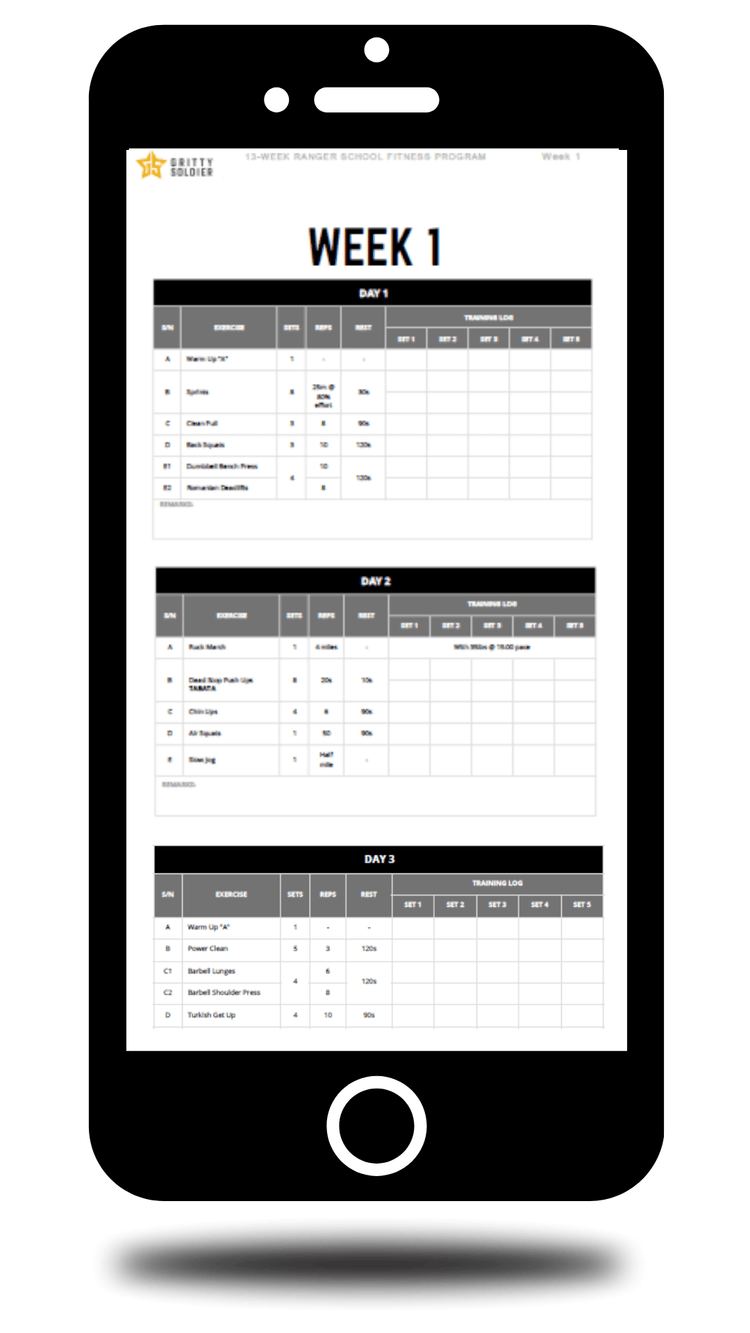
Credit: www.grittysoldier.com
Daily Workout Structure
The daily workout structure of an Army Ranger is intense and well-planned. Each day focuses on building strength, endurance, and agility. The routine starts with warm-up exercises to prepare the body. Then it moves to cardio sessions that improve stamina. Strength training follows to build muscle power. Finally, cool-down techniques help the body recover and prevent injuries. This balanced approach develops both physical and mental toughness.
Warm-up Routines
Warm-ups increase blood flow and loosen muscles. Start with light jogging or jumping jacks for 5-10 minutes. Dynamic stretches like arm circles, leg swings, and lunges prepare joints. These exercises reduce injury risk and improve flexibility. A proper warm-up makes the main workout more effective.
Cardio Sessions
Cardio builds endurance and heart strength. Running is a key part of the Army Ranger workout. Include sprints, long-distance runs, and interval training. Swimming and cycling can add variety and reduce joint stress. Aim for at least 30 minutes of cardio daily to improve stamina.
Strength Training
Strength training targets major muscle groups. Use bodyweight exercises like push-ups, pull-ups, and sit-ups. Weightlifting focuses on squats, deadlifts, and bench presses. High repetitions with moderate weight build endurance. This training enhances power, speed, and injury resistance.
Cool-down Techniques
Cooling down helps muscles recover and reduces soreness. Slow jogging or walking for 5 minutes lowers heart rate gradually. Stretching major muscles improves flexibility and prevents stiffness. Deep breathing exercises relax the mind and body. Cool-down is essential after a tough workout.
Key Exercises
The Army Ranger workout plan focuses on building strength, speed, and endurance. Key exercises target all major muscle groups and improve cardiovascular fitness. This balanced approach prepares the body for the demands of Ranger training and combat readiness.
Running And Sprint Drills
Running builds stamina and boosts cardiovascular health. Sprint drills develop fast-twitch muscle fibers for explosive power. Training includes:
- Long-distance runs for endurance
- Interval sprints to increase speed
- Hill runs to improve leg strength
- Shuttle runs for agility
Bodyweight Movements
Bodyweight exercises enhance strength and muscular endurance. They require no equipment and can be done anywhere. Key movements are:
- Push-ups for upper body strength
- Pull-ups to build back and arm muscles
- Squats to strengthen legs and hips
- Planks for core stability
Weightlifting Essentials
Weightlifting increases overall power and muscle mass. Focus on compound lifts that work multiple muscles. Important exercises include:
- Deadlifts for posterior chain strength
- Bench press to develop chest and arms
- Squats to build leg power
- Overhead press for shoulder strength
Functional Training
Functional training improves movement patterns and coordination. It prepares the body for real-life tasks and challenges. Common exercises are:
- Kettlebell swings to enhance hip power
- Farmer’s carries for grip and core strength
- Box jumps to boost explosive leg power
- Battle ropes for full-body conditioning

Credit: apps.apple.com
Weekly Training Schedule
Creating a weekly training schedule for the Army Ranger workout plan is essential to build strength, endurance, and mental toughness. It’s not just about pushing hard every day; it’s about knowing when to challenge yourself and when to let your body recover. This balance helps prevent injuries and keeps your progress steady.
Balancing Intensity And Recovery
You might think more is always better, but intense workouts need recovery time to be effective. Your muscles repair and grow stronger during rest, not during exercise. Ignoring recovery can lead to burnout or injury, which will slow you down in the long run.
Try mixing high-intensity days with lighter sessions or active recovery like stretching and walking. This approach keeps your body moving while giving it time to heal. Have you ever noticed how skipping rest days made your performance drop? That’s your body telling you it needs a break.
Sample Workout Plan
| Day | Workout Focus | Details |
|---|---|---|
| Monday | Endurance & Running | 5-mile run + interval sprints (6 x 400m) |
| Tuesday | Strength Training | Pull-ups, push-ups, deadlifts, and squats (3 sets of 10-12 reps) |
| Wednesday | Active Recovery | Light jogging, stretching, or yoga |
| Thursday | Speed & Agility | Hill sprints + agility ladder drills |
| Friday | Strength & Endurance | Weighted carries + circuit training |
| Saturday | Long Hike or Ruck March | 8-10 miles with weighted pack |
| Sunday | Rest | Complete rest or gentle stretching |
This plan pushes you hard but gives enough recovery to keep you improving. Are there parts of the schedule that challenge you more than others? Focus on those to grow stronger.
Adjusting For Fitness Levels
Not everyone starts at the same point, and that’s okay. If you’re new to this type of training, reduce running distances or lower weights. The goal is steady progress, not quick exhaustion.
Listen to your body and adjust reps, sets, or workout duration as needed. Even small changes, like adding an extra rest day or swapping a run for a swim, make a big difference. What’s one adjustment you could make today to keep moving forward without burning out?
Nutrition For Peak Fitness
Nutrition plays a crucial role in achieving peak fitness, especially when following an intense Army Ranger workout plan. The right fuel can boost your energy, speed up recovery, and improve overall performance. Without proper nutrition, even the toughest workouts won’t deliver the results you want.
Macronutrient Breakdown
Your body needs a balance of macronutrients: protein, carbohydrates, and fats. Protein helps repair muscles after grueling training sessions. Aim for lean sources like chicken, fish, eggs, and legumes.
Carbohydrates provide the energy required for endurance and strength. Choose complex carbs such as whole grains, sweet potatoes, and vegetables to keep your energy steady throughout the day. Don’t shy away from healthy fats either—avocados, nuts, and olive oil support brain function and hormone production.
Think about your meals like a well-structured tool kit. Are you giving your body all the tools it needs to build strength and stamina?
Hydration Strategies
Water is your workout’s best friend. Staying hydrated improves focus, prevents cramps, and maintains your energy levels. Drink water consistently before, during, and after training.
If you’re sweating heavily, replace lost electrolytes with drinks that contain sodium, potassium, and magnesium. Coconut water or specially formulated sports drinks work well. Monitor your urine color to check hydration—clear or light yellow is ideal.
Ever felt drained halfway through a workout? Chances are, dehydration was the culprit.
Supplements And Recovery
Supplements can support your nutrition but shouldn’t replace whole foods. Protein powders help meet your daily protein targets when you’re on the go. Creatine can boost power and muscle endurance during intense workouts.
Don’t overlook omega-3 fatty acids for reducing inflammation and improving joint health. After training, focus on recovery nutrition—eat a mix of protein and carbs within 30 minutes to repair muscles and replenish energy.
What’s your recovery routine missing that could make your next workout easier and more productive?
Tracking Progress
Tracking progress is key to success in the Army Ranger workout plan. It helps you see how far you’ve come and what needs work. Without tracking, it’s easy to lose focus or stop improving. Regular checks keep motivation high and push you to meet your goals.
Performance Metrics
Measure your strength, endurance, and speed regularly. Track push-ups, pull-ups, runs, and rucksack marches. Write down your times and reps after each session. Use a notebook or a fitness app to keep data organized. These numbers show clear progress or areas needing more effort.
Setting Goals
Set small, clear goals for every week or month. Goals should be specific and realistic. For example, add five more push-ups or shave 30 seconds off your run. Having targets keeps workouts focused and purposeful. Celebrate when you hit goals to stay motivated.
Adapting The Plan
Use your tracked data to change the workout plan. Increase intensity if you grow stronger or faster. Slow down or rest more if progress stalls or pain appears. Flexibility in training helps prevent injuries and avoids burnout. Adjustments ensure steady improvement over time.
Injury Prevention
Injury prevention plays a key role in any Army Ranger workout plan. Training hard is important, but staying healthy matters more. Avoiding injuries helps maintain steady progress and reduces downtime. Paying attention to the body’s signals limits risks. Smart workout choices support long-term fitness and readiness.
Common Injuries
- Sprains and strains from sudden movements
- Knee pain due to overuse or poor technique
- Lower back pain from heavy lifting or bad posture
- Shin splints caused by running on hard surfaces
- Shoulder injuries from repetitive overhead exercises
Recovery Techniques
- Rest and avoid intense activity after injury
- Apply ice packs to reduce swelling and pain
- Use compression wraps to support injured areas
- Elevate limbs to decrease inflammation
- Stretch gently to maintain flexibility
- Consider massage or foam rolling for muscle relief
- Follow a gradual return to training plan
Proper Form Tips
- Keep your spine neutral during lifts
- Engage core muscles to support posture
- Use controlled movements, avoid jerking
- Align knees with toes in squats and lunges
- Maintain shoulder stability during overhead presses
- Warm up thoroughly before workouts
- Cool down with stretching after exercise

Credit: www.amazon.com
Frequently Asked Questions
What Is The Army Ranger Workout Plan?
The Army Ranger workout plan is a high-intensity training routine. It focuses on strength, endurance, and agility to prepare candidates for Ranger School.
How Often Should I Do The Army Ranger Workout?
You should train 5 to 6 days a week. Consistent workouts build the stamina and strength needed for the program.
What Exercises Are Included In The Army Ranger Workout?
The plan includes running, push-ups, pull-ups, sit-ups, and rucksack marches. These exercises improve overall fitness and military readiness.
Can Beginners Follow The Army Ranger Workout Plan?
Yes, beginners can start with modified exercises. Gradually increase intensity to avoid injury and build endurance safely.
Conclusion
Following the Army Ranger workout plan builds strength and endurance fast. It challenges your body with varied exercises and tough routines. Stay consistent and listen to your body’s needs. Rest and nutrition matter just as much as training. This plan helps prepare you for real challenges ahead.
Keep pushing yourself, but also stay safe and smart. Your effort today shapes your fitness tomorrow. Ready to take on the challenge?







