
Unlock your true strength and transform your fitness journey with a powerlifting workout plan designed just for you. Imagine lifting heavier weights, building muscle, and boosting your confidence both inside and outside the gym.
Powerlifting is not just about lifting; it’s about mastering your body and mind. Whether you’re a beginner eager to learn the ropes or an experienced lifter looking to refine your technique, this guide will give you the tools you need to succeed.
Ready to discover how a structured powerlifting routine can elevate your fitness game? Stick around, because this could be the game-changer you’ve been searching for.
Credit: medium.com
Key Powerlifting Movements
Mastering key powerlifting movements is essential to building strength and improving your performance. These core lifts—squat, bench press, and deadlift—form the foundation of any effective powerlifting workout plan. Understanding different variations and techniques can help you target muscles better, prevent injury, and push past plateaus.
Squat Variations
The squat is more than just bending your knees and standing back up. Different squat variations focus on different muscle groups and movement patterns.
- Back Squat:This classic move targets your quads, glutes, and lower back. Keeping your chest up and core tight helps maintain good form.
- Front Squat:Holding the barbell in front shifts the load, putting more stress on your quads and upper back. This variation demands greater core strength and mobility.
- Box Squat:Sitting back onto a box before standing up can improve your hip engagement and control. It’s especially useful for learning depth and explosive power.
Which squat variation challenges you the most? Try mixing them to find what builds your strength while protecting your joints.
Bench Press Techniques
The bench press isn’t just about pushing the bar up; technique plays a huge role in maximizing your lift and staying safe.
- Grip Width:A wider grip targets the chest more, while a narrower grip activates the triceps. Experiment to see which feels strongest for you.
- Bar Path:The bar should travel in a slight arc, starting above your shoulders and touching your lower chest or upper abdomen. This path reduces shoulder strain.
- Leg Drive:Using your legs to create tension helps stabilize your entire body, giving you more power during the press.
Ever noticed how small adjustments in your grip or bar path can add pounds to your bench? Paying attention to these details can transform your progress.
Deadlift Styles
Deadlifts engage your entire body, but the style you choose affects which muscles take the lead.
- Conventional Deadlift:Feet hip-width apart, grip outside knees. It focuses on your hamstrings, glutes, and lower back.
- Sumo Deadlift:Wider stance with hands inside the knees. This style puts more emphasis on the quads and reduces stress on the lower back.
- Trap Bar Deadlift:Using a hex bar allows a more upright torso and can be easier on the lower back. It’s great if you’re working on overall strength without risking injury.
Which deadlift style feels most natural to your body? Trying different ones can help you break through sticking points and build balanced strength.

Credit: www.muscleandfitness.com
Designing Your Weekly Schedule
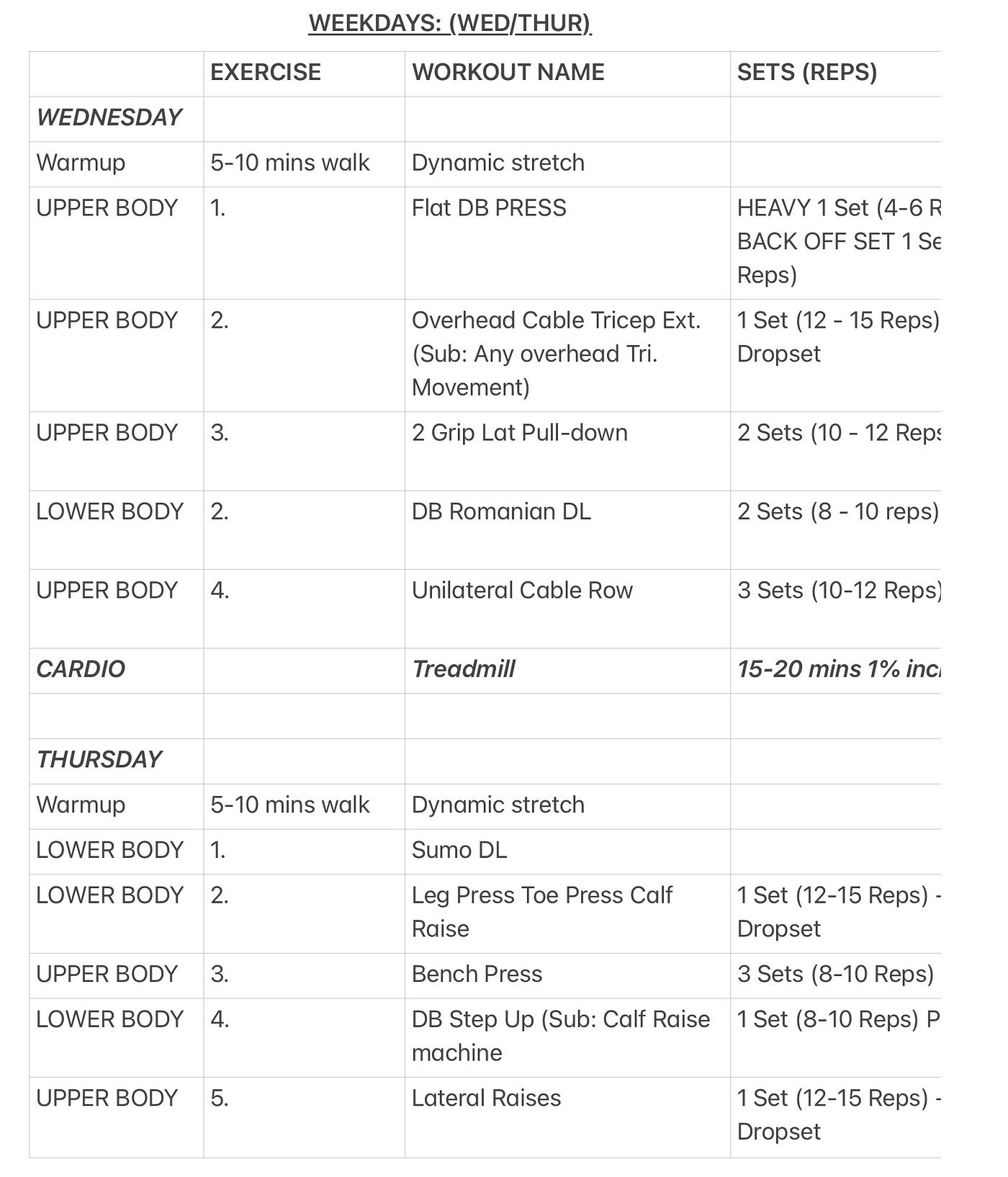
Designing your weekly powerlifting schedule is crucial for steady progress. It helps you manage effort, avoid burnout, and target key muscle groups efficiently. A well-planned routine allows you to push your limits while giving your body time to rebuild stronger.
Balancing Volume And Intensity
Finding the right balance between volume and intensity is key to making gains without overtraining. Volume refers to the total amount of work you do—think sets and reps—while intensity is about how heavy the weights are.
For example, you might do more reps with lighter weights early in the week and save heavy lifts for later. This approach helps build strength without wearing you down too quickly.
Ask yourself: Are you pushing too hard every session? Sometimes dialing back the intensity can actually speed up your progress.
Rest And Recovery Days
Rest days aren’t just breaks—they’re when your muscles actually grow and repair. Skipping them can stall your progress or lead to injury.
Schedule at least one or two full rest days each week. On these days, focus on stretching, light mobility work, or simply relaxing.
How well are you listening to your body’s signals for rest? Ignoring fatigue often does more harm than good.
Incorporating Accessory Work
Accessory exercises target smaller muscles that support your main lifts. Adding them helps fix imbalances and improve overall strength.
- Include exercises like rows, lunges, or core work on lighter days.
- Keep accessory sessions shorter—15 to 30 minutes is enough.
- Choose movements that complement your weaknesses or stuck points.
For example, if your bench press stalls, adding tricep extensions can make a big difference. What small areas could you improve to boost your main lifts?
Warm-up And Mobility Drills
Warming up and doing mobility drills prepares your body for heavy lifts. These exercises raise your heart rate and increase blood flow. They also help prevent injuries and improve performance. A good warm-up loosens muscles and joints. Mobility drills enhance your range of motion. Both are essential in a powerlifting workout plan.
Dynamic Stretching Routines
Dynamic stretching moves your body through active motions. It warms muscles and improves flexibility. Common routines include leg swings, arm circles, and walking lunges. Perform each exercise for 30 seconds to one minute. These stretches boost muscle activation and reduce stiffness. They get your body ready for squats, deadlifts, and bench presses.
Joint Mobility Exercises
Joint mobility drills focus on improving joint movement and stability. They target hips, shoulders, knees, and ankles. Exercises like hip circles, shoulder rolls, and ankle rotations increase joint lubrication. This helps with smooth, pain-free motion during lifts. Spend five to ten minutes on these drills before starting heavy sets. Consistent practice can improve lifting form and reduce injury risk.
Nutrition For Strength
Nutrition plays a key role in building strength for powerlifting. It fuels your muscles and supports recovery. Without proper nutrition, gains can be slow and progress may stall. Eating the right foods helps you lift heavier and recover faster.
Macronutrient Breakdown
Protein is vital for muscle repair and growth. Aim for 1.6 to 2.2 grams per kilogram of body weight daily. Carbohydrates provide energy for intense training sessions. Include complex carbs like oats, rice, and sweet potatoes. Fats support hormone production and overall health. Healthy fats from nuts, seeds, and fish are best.
Meal Timing Tips
Eating around workouts improves performance and recovery. Have a balanced meal 1 to 2 hours before training. Include protein and carbs to fuel your session. After training, eat a meal rich in protein and carbs within 30 to 60 minutes. This helps muscle repair and glycogen replenishment.
Supplements That Help
- Creatine boosts strength and power output.
- Whey protein supports muscle repair and growth.
- BCAAs can reduce muscle soreness and fatigue.
- Fish oil promotes joint health and reduces inflammation.
- Multivitamins cover any nutritional gaps in your diet.
Tracking Progress And Adjustments
Tracking your progress and making adjustments is crucial to getting stronger in powerlifting. Without keeping an eye on how you perform, it’s easy to miss signs that your routine needs change. Paying attention to your workouts helps you push past limits and avoid plateaus that stall your gains.
Logging Workouts
Writing down every set, rep, and weight lifts more than just numbers—it shows your journey. Use a notebook or an app to record details like rest times and how you felt during each session. This habit helps you spot patterns and improvements you might overlook otherwise.
For example, noting how your squat felt on heavy days can reveal if you’re ready to increase the load or need more recovery. Have you ever thought about how small details in your log could predict your next breakthrough?
Recognizing Plateaus
Plateaus happen when your progress stalls despite consistent effort. You might hit the same weight for weeks, or reps feel harder than before. Recognizing these signs early prevents frustration and wasted time.
Ask yourself: Are you pushing the same weights without improvement? Do you feel stuck even though you’re training hard? These questions help identify when it’s time to change things up.
Making Program Tweaks
Adjusting your plan doesn’t mean completely overhauling it. Small tweaks like changing rep ranges, adding accessory exercises, or altering rest periods can spark new progress. Sometimes, reducing volume for a week helps your body recover and come back stronger.
If your bench press has stalled, consider adding paused reps or speed work. These changes target weaknesses and keep your muscles adapting. What minor change could make a big difference in your next session?
Preventing Injuries
Preventing injuries is key to a successful powerlifting workout plan. Staying injury-free helps keep progress steady. Small mistakes can cause pain and long breaks. Focus on safety to lift smarter, not just harder.
Proper Form Checks
Good form protects muscles and joints. Always start with light weights to practice correct posture. Use a mirror or record yourself to spot errors. Ask a coach or experienced lifter for feedback. Avoid rounding your back or locking joints tightly. Proper form reduces strain and improves lifting efficiency.
Recovery Techniques
Rest days are vital for muscle repair. Use stretching to keep muscles flexible. Foam rolling helps reduce soreness and tightness. Apply ice or heat if muscles feel inflamed or stiff. Sleep well to allow the body to heal fully. Recovery prevents overtraining and long-term damage.
Common Injury Signs
- Sharp or sudden pain during lifts
- Swelling or bruising around joints
- Persistent soreness that worsens over days
- Reduced range of motion or stiffness
- Numbness or tingling in limbs
Notice these signs early. Stop training if pain occurs. Seek medical advice for serious symptoms. Prompt action helps avoid lasting injuries.
Mental Strategies For Powerlifting
Mental strength plays a big role in powerlifting success. Training your mind helps you push through tough workouts and improve your lifts. It also prepares you for the pressure of competition. Focused mental strategies build confidence and control nerves. This makes every lift smoother and more powerful.
Goal Setting
Clear goals give your training direction. Set specific targets for each lift. Break big goals into smaller, easy steps. Write your goals down. Review and update them often. This keeps motivation high and progress steady. Visualize achieving your goals before each workout. Picture yourself lifting with perfect form and strength.
Building Confidence
Confidence grows from consistent effort. Track your progress to see improvements. Celebrate small wins. Use positive self-talk to stay motivated. Remind yourself of past successes. Practice lifting with focus and calm. Confidence helps you stay relaxed under pressure. It allows your body to perform at its best.
Handling Competition Nerves
Nerves are normal before competing. Use deep breathing to stay calm. Focus on your technique, not the outcome. Create a pre-lift routine to center yourself. Avoid negative thoughts by staying in the present. Trust your training and preparation. Accept nerves as energy that can boost your performance.
Credit: thefitnessphantom.com
Frequently Asked Questions
What Is The Best Powerlifting Workout Plan For Beginners?
A beginner’s powerlifting plan focuses on mastering form and building strength. Start with basic lifts: squat, bench press, and deadlift. Train 3-4 times weekly with moderate weights. Increase loads gradually while prioritizing recovery and proper technique.
How Often Should I Do Powerlifting Workouts Weekly?
Most powerlifters train 3-4 times per week. This frequency balances intensity and recovery. It allows targeting each lift effectively while avoiding overtraining. Rest days are crucial for muscle repair and strength gains.
What Are The Key Lifts In A Powerlifting Workout?
Powerlifting centers on three main lifts: squat, bench press, and deadlift. These compound movements build overall strength and power. Training focuses on improving form, increasing weight, and enhancing performance in these lifts.
Should I Include Accessory Exercises In Powerlifting Training?
Yes, accessory exercises strengthen supporting muscles and improve lifts. They help fix weaknesses and prevent injuries. Common accessories include rows, lunges, and core work, complementing the main powerlifting movements.
Conclusion
Powerlifting takes time and steady effort. Stick to your workout plan each week. Focus on good form to avoid injuries. Rest and eat well to help your muscles grow. Track your progress to see small gains daily. Stay patient, strong, and consistent in your training.
This routine builds strength step by step. Enjoy the challenge and celebrate your improvements. Keep pushing forward and trust the process. Your hard work will bring results.







