
Feeling fabulous in your 40s is all about embracing a healthy lifestyle, and working out at home can make that journey both convenient and effective. You might have noticed that your body doesn’t respond to exercise quite like it did in your 20s or 30s.
That’s perfectly normal, but it doesn’t mean you can’t achieve your fitness goals. In fact, a tailored workout plan can help you gain strength, boost your energy, and elevate your mood—all from the comfort of your living room. Imagine feeling stronger, more confident, and vibrant every day.
Intrigued? Let’s dive into how you can make this a reality with a workout plan designed just for you, right where you are.
Benefits Of Home Workouts After 40
Exercising at home after 40 offers many benefits. It fits into busy schedules easily. It creates a comfortable space to focus on health. Home workouts help maintain fitness without gym memberships. They support a balanced lifestyle and promote long-term wellness.
Boosting Metabolism And Energy
Regular exercise at home increases metabolism naturally. It helps burn calories faster throughout the day. Higher metabolism supports weight management and fat loss. Energy levels improve with consistent physical activity. Feeling more energetic makes daily tasks easier.
Improving Muscle Tone And Strength
Strength training at home builds lean muscle effectively. Muscles become firmer and more defined over time. Strong muscles support joints and reduce injury risk. Improved strength boosts confidence and physical performance. Simple equipment like dumbbells can enhance workouts.
Enhancing Flexibility And Balance
Stretching exercises improve flexibility and reduce stiffness. Better flexibility helps prevent muscle strains and aches. Balance exercises lower the chance of falls and injuries. Enhanced balance increases stability in everyday movements. Yoga and Pilates are great home workout options.
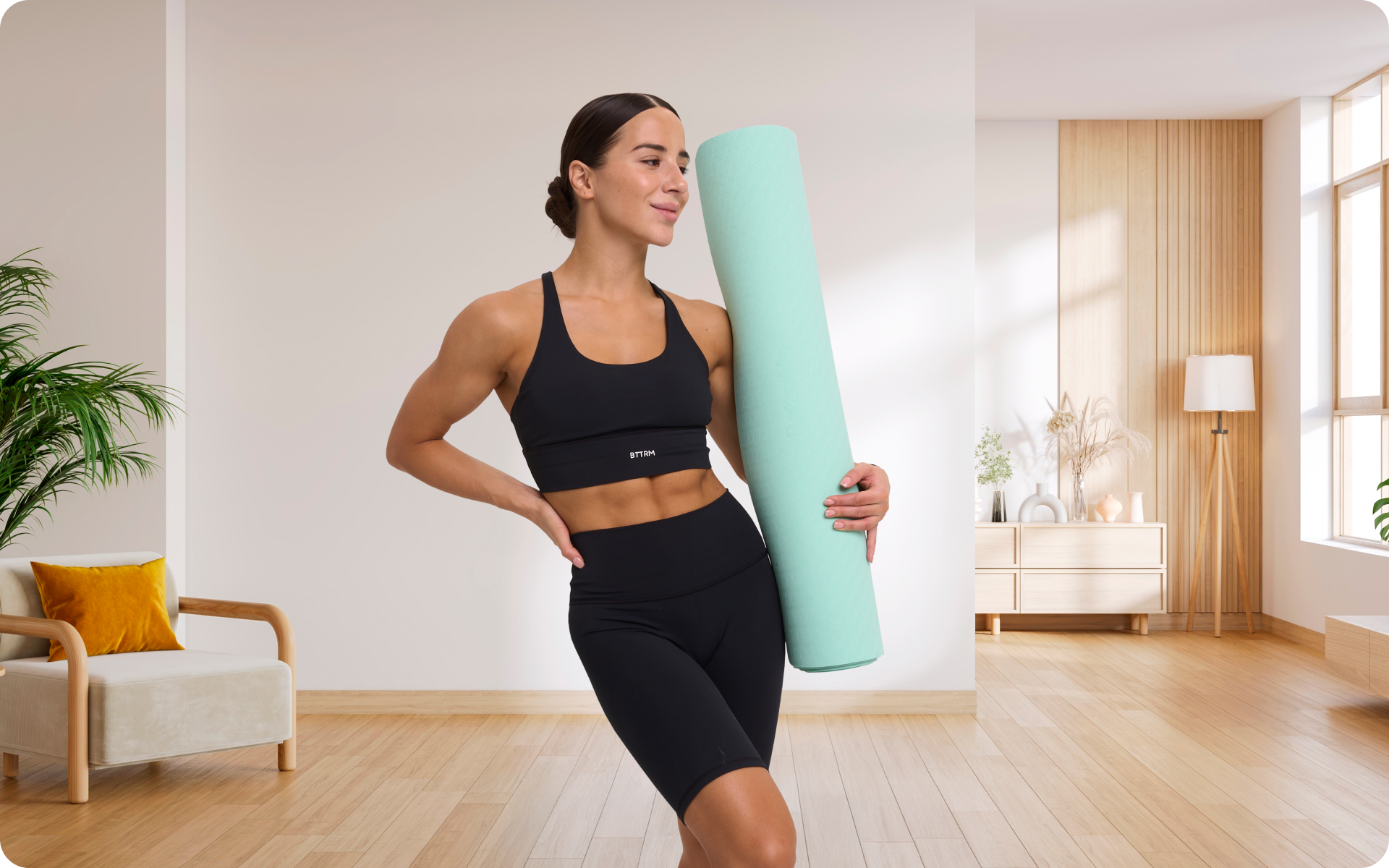
Credit: betterme.world
Key Principles For Effective Workouts
Building an effective workout routine after 40 means understanding what truly drives results. It’s not just about sweating it out but training smart. The key principles below will help you stay on track, boost your fitness, and protect your body as you exercise at home.
Consistency And Progression
Consistency beats intensity every time. Showing up regularly—even for short sessions—creates a habit that keeps your body moving forward. Think about how small, steady steps helped you master skills in other parts of life; workouts are no different.
Progression means gradually making exercises harder. You might add more repetitions, increase weights, or try a new move. This keeps your muscles challenged and prevents plateaus.
Ask yourself: Are you pushing just enough to improve without risking burnout? Finding that balance is key to steady progress.
Incorporating Strength And Cardio
Both strength and cardio play vital roles in your fitness journey. Strength training builds muscle, supports metabolism, and improves posture. Cardio boosts heart health and stamina, keeping energy levels high throughout the day.
At home, you can mix bodyweight exercises like squats and push-ups with brisk walking, dancing, or jumping jacks. This combo not only shapes your body but also keeps workouts interesting.
How can you design your sessions to include both elements without feeling overwhelmed?
Focusing On Joint Safety
Your joints deserve special care, especially after 40. Avoid high-impact moves that cause pain or discomfort. Instead, choose low-impact options like swimming motions, cycling, or modified yoga poses.
Warming up before exercise and cooling down afterward helps prevent injuries. Pay attention to your body’s signals and never push through sharp joint pain.
Have you noticed which movements feel good versus which ones strain your joints? Use that insight to tailor your workout wisely.
Essential Equipment For Home Exercise
Setting up a simple home workout space is key for effective exercise. The right equipment supports strength, flexibility, and balance. It fits well into any routine and keeps motivation high. Small, versatile tools work best for limited spaces.
Resistance Bands And Dumbbells
Resistance bands offer light to medium tension. They help tone muscles without heavy weights. Dumbbells add weight and build strength. Both are compact and easy to store. Use them for arm, leg, and core exercises. They improve muscle endurance and joint stability.
Yoga Mats And Stability Balls
A yoga mat creates a soft, non-slip surface. It protects joints during floor exercises. Stability balls boost balance and core strength. They engage muscles deeply during workouts. Both items enhance flexibility and posture. They fit well in small home spaces.
Using Household Items Creatively
Common household items can replace some exercise gear. A sturdy chair works for step-ups or tricep dips. Water bottles or cans act as light weights. Towels provide resistance or support during stretches. Use what you have to keep workouts varied. This saves money and space.
Simple Warm-up Routine
Warming up before your workout is essential, especially if you are over 40 and exercising at home. A simple warm-up routine prepares your muscles, increases blood flow, and reduces the risk of injury. It also helps your body transition smoothly from rest to activity, making your workout more effective and enjoyable.
Dynamic Stretching Moves
Dynamic stretches involve controlled movements that gently take your joints and muscles through their full range of motion. These moves wake up your body and improve flexibility without causing strain.
- Arm Circles:Extend your arms to the sides and make small circles, gradually increasing their size. This loosens your shoulders and upper back.
- Leg Swings:Hold onto a chair for balance and swing one leg forward and backward. This activates your hip flexors and hamstrings.
- Torso Twists:Stand with feet hip-width apart and twist your torso gently from side to side. This warms up your core and spine.
Try these moves for about 5 minutes. Notice how your joints feel more fluid and ready for action. How does your body respond when you start with dynamic stretches instead of static ones?
Low-impact Cardio Options
Low-impact cardio exercises raise your heart rate without putting too much pressure on your joints. These activities are perfect for home workouts, especially if you want to avoid discomfort or injury.
- Marching in Place:Lift your knees high and swing your arms to get your heart pumping gently.
- Step Touch:Step side to side, tapping your feet lightly while moving your arms naturally.
- Heel Digs:Extend one leg forward, tapping your heel on the floor, alternating sides with a steady rhythm.
Spending 3 to 5 minutes on these exercises helps increase circulation and warms your muscles. Do you feel more energized after this light cardio warm-up? It’s a simple step that can make your workout feel easier and more productive.
Effective Strength Training Exercises
Strength training is crucial for women over 40 aiming to maintain muscle tone, boost metabolism, and support bone health—all from the comfort of home. The key is choosing exercises that fit your current fitness level and feel manageable yet challenging. Let’s look at some effective moves that require minimal or no equipment but deliver big results.
Bodyweight Squats And Lunges
Squats and lunges target your legs and glutes, essential for mobility and balance as you age. You can start with bodyweight squats by standing with feet shoulder-width apart and lowering your hips back like sitting in a chair. Keep your chest up and knees behind your toes for safety.
Lunges add a balance challenge and activate your core. Step forward with one leg, bend both knees to about 90 degrees, then push back to standing. If you find balance tricky, hold onto a stable surface.
Try sets of 10-15 reps each, and notice how your legs feel stronger and more stable after consistent practice. What daily activities could get easier with stronger legs?
Push-ups And Modified Variations
Push-ups build upper body strength, targeting your chest, shoulders, and arms. If standard push-ups feel too intense, modify by doing them on your knees or against a wall. These variations still engage your muscles effectively while reducing strain.
Keep your body in a straight line from head to knees or feet, and lower yourself slowly. Control is more important than speed here. Aim for 8-12 reps, focusing on form rather than quantity.
As you progress, try increasing reps or shifting to a full push-up to keep challenging your muscles. How often do you use your arms for pushing movements daily? Strengthening here can improve those tasks.
Core Strengthening Moves
Strong core muscles support your spine, improve posture, and enhance overall stability. Simple exercises like planks and bird-dogs can be done at home without equipment. Start with holding a plank on your forearms for 20-30 seconds, building up as you get stronger.
The bird-dog involves extending opposite arm and leg while on hands and knees, which trains your core and balance simultaneously. These moves help reduce back pain and improve your daily movements.
Focus on controlled breathing and steady movements to maximize benefits. How might a stronger core change how you carry groceries or play with your kids?
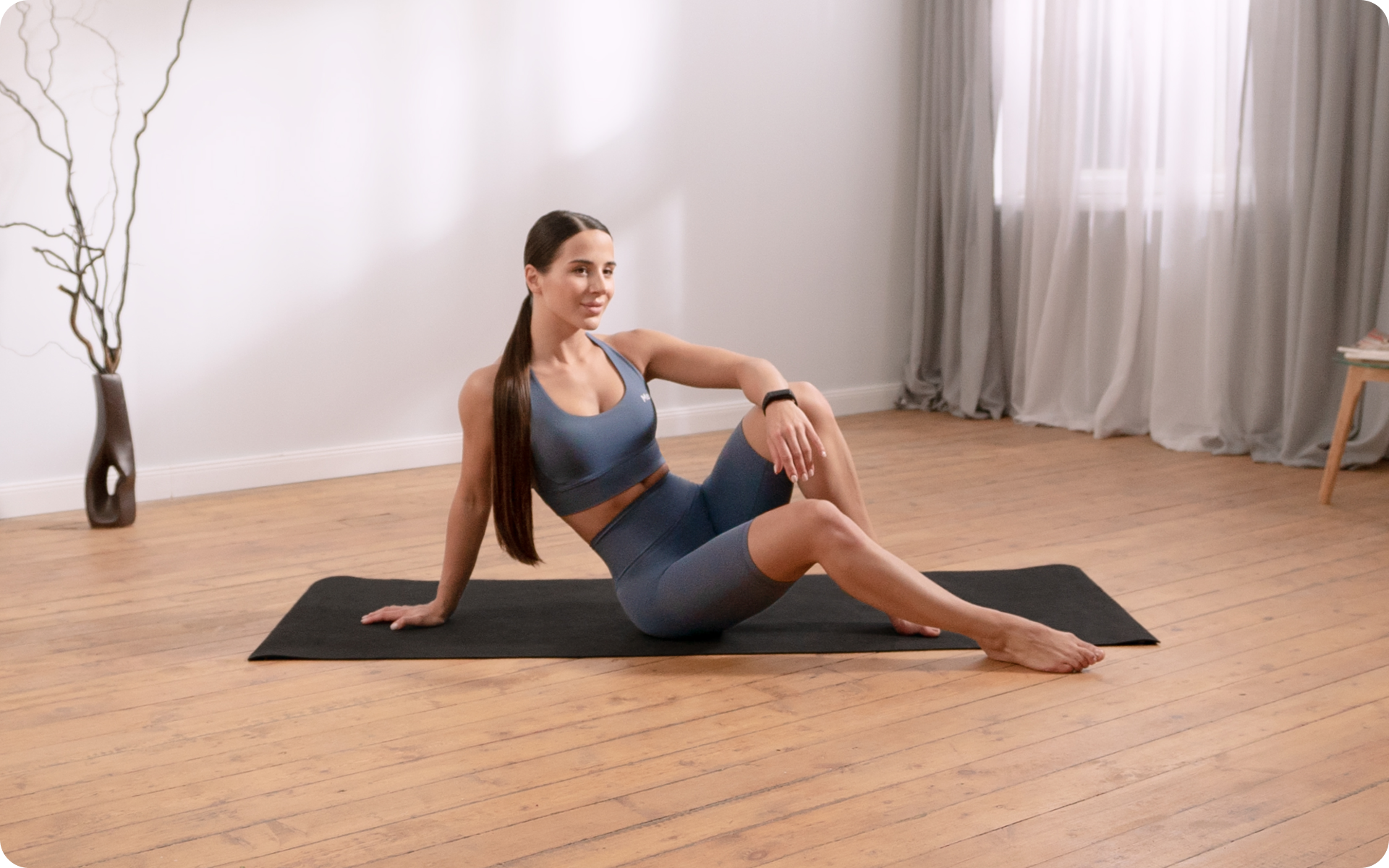
Credit: betterme.world
Cardio Workouts To Try At Home
Finding the right cardio workout to do at home can change how you feel every day. Cardio helps boost your energy, supports heart health, and burns calories without needing fancy equipment. If you’re over 40 and want effective ways to stay active indoors, here are some simple cardio ideas you can try right now.
Low-impact Aerobic Steps
Low-impact aerobic steps are gentle on your joints but still get your heart pumping. You can use a sturdy step or even a stair in your home. Step up and down at a steady pace, mixing in side steps or knee lifts to keep it interesting.
This kind of workout lowers injury risk and suits those new to exercise or dealing with joint issues. Try doing 3 sets of 2 minutes each, with short breaks in between. How would adding music to your step routine change your motivation?
Dance-based Cardio
Dance workouts bring fun and fitness together. You don’t need to be a pro—just move to your favorite songs in your living room. Simple moves like side steps, arm swings, and gentle spins keep your body moving and your mood high.
Dancing also improves balance and coordination, which become more important as you age. Set a timer for 15 to 20 minutes and let yourself enjoy the rhythm. What song always gets you moving without thinking?
Interval Training Basics
Interval training mixes short bursts of effort with rest periods to maximize calorie burn and improve endurance. You might jump rope or jog in place for 30 seconds, then rest for 15 seconds, repeating this cycle multiple times.
Intervals push your limits safely and keep workouts quick and effective. Start with 5 rounds and increase as you feel stronger. Could you challenge yourself to add one more round each week?
Flexibility And Balance Drills
Flexibility and balance are key pillars of fitness, especially as you move past 40. They help prevent injuries, improve posture, and make daily movements easier. Adding simple drills to your home workout routine can make a big difference in how you feel and move every day.
Gentle Yoga Poses
Yoga is a fantastic way to stretch tight muscles and improve joint mobility. Poses like Cat-Cow, Child’s Pose, and Downward Dog gently open up your body without straining it.
Try holding each pose for 20-30 seconds and focus on your breathing. This not only increases flexibility but also calms your mind. Have you noticed how just a few minutes of these stretches can reduce stiffness and boost your energy?
Balance-enhancing Exercises
Balance exercises train your muscles and brain to work together, reducing the risk of falls. Simple drills like standing on one leg or heel-to-toe walks can be done anywhere at home.
Start near a wall or chair for support, and challenge yourself as you get stronger. These exercises sharpen your coordination and make everyday activities, like climbing stairs or carrying groceries, much safer and easier.

Credit: www.youtube.com
Weekly Workout Schedule Example
Creating a weekly workout schedule at home after 40 can feel overwhelming, but having a clear plan helps you stay consistent and see progress. Balancing different types of exercise throughout the week ensures your body stays strong, your heart healthy, and your mind refreshed. Let’s look at a sample schedule that fits easily into your routine and respects your body’s need for rest.
Balancing Strength, Cardio, And Rest
Strength training builds muscle and protects your bones, which is crucial as you age. Cardio workouts keep your heart and lungs in good shape while boosting energy levels. Rest days are just as important—they give your body time to recover and prevent burnout.
Think about how you feel after a tough workout. Do you notice improvements the next day, or do you feel drained? Adjust your schedule to match your energy and recovery needs. You don’t have to push hard every day to get results.
Sample Daily Routine
| Day | Workout Type | Example Exercises | Duration |
|---|---|---|---|
| Monday | Strength Training |
| 30-40 minutes |
| Tuesday | Cardio |
| 20-30 minutes |
| Wednesday | Rest or Light Activity |
| 15-20 minutes |
| Thursday | Strength Training |
| 30-40 minutes |
| Friday | Cardio |
| 20-30 minutes |
| Saturday | Active Rest |
| 30 minutes or more |
| Sunday | Rest | Complete rest or gentle stretching | As needed |
Does your current week include a balance similar to this? If not, what small change could you make today to add strength or cardio? Starting with manageable steps keeps your motivation strong and your body safe.
Tips For Staying Motivated
Staying motivated during an over 40 workout plan at home can be tough. Energy levels might vary, and daily life gets busy. Simple strategies help keep focus and make workouts enjoyable. Motivation grows with small wins and steady progress.
Setting Realistic Goals
Choose goals that match your current fitness and lifestyle. Small, clear targets work better than big, vague ones. For example, aim to exercise three times a week for 20 minutes. Realistic goals build confidence and create habit. Adjust goals as you improve. Celebrate each success to stay encouraged.
Tracking Progress
Keep a workout journal or use an app to record activities. Note exercises, time spent, and how you feel after workouts. Seeing progress boosts motivation. It highlights improvements, even small ones. Progress tracking helps identify patterns and keeps workouts on track. Review your notes regularly to stay inspired.
Finding Support And Community
Connect with others who share similar fitness goals. Join online groups or local clubs for women over 40. Sharing experiences and tips creates a sense of belonging. Support from others encourages consistency and makes workouts fun. Accountability partners can help maintain commitment. Encouragement goes a long way in staying motivated.
Nutrition Basics To Support Workouts
Getting your nutrition right is a key part of making your workouts effective, especially after 40. Your body needs the right fuel to build strength, recover, and keep energy levels steady. Paying attention to what you eat can change how you feel during and after exercise.
Protein And Hydration
Protein helps repair and build muscles that get worked during your home exercises. Aim to include a source of protein in every meal, such as chicken, fish, beans, or Greek yogurt. This supports muscle recovery and helps reduce soreness.
Hydration is just as important. Water keeps your muscles working well and prevents fatigue. Try to drink water before, during, and after your workouts. If you sweat a lot, adding a pinch of salt or drinking electrolyte-rich fluids can help balance minerals.
Foods For Recovery And Energy
After exercising, your body needs carbs and healthy fats to refill energy stores and fight inflammation. Sweet potatoes, brown rice, avocados, and nuts are great choices. Eating these within an hour after your workout helps speed up recovery.
Don’t forget antioxidants from colorful fruits and vegetables. They help reduce muscle damage and keep your immune system strong. Have berries, spinach, or bell peppers as part of your meals or snacks to support your body’s repair process.
Frequently Asked Questions
What Is The Best Home Workout For Women Over 40?
A balanced home workout includes strength, cardio, and flexibility exercises. Focus on low-impact moves like squats, lunges, and yoga. Consistency and proper form are key to avoid injury and improve overall fitness.
How Often Should Women Over 40 Exercise At Home?
Aim for at least 3-4 workout sessions per week. Each session should last 30-45 minutes. Regular exercise boosts metabolism, strength, and energy levels while supporting healthy aging.
Can Strength Training Benefit Women Over 40 At Home?
Yes, strength training helps maintain muscle mass, bone density, and metabolism. Use bodyweight exercises or light weights for effective results. It also improves balance and reduces injury risk.
What Are Safe Cardio Exercises For Women Over 40 At Home?
Low-impact cardio like brisk walking, dancing, or step aerobics is ideal. These exercises improve heart health without stressing joints. Aim for 20-30 minutes per session to boost endurance.
Conclusion
Staying active after 40 helps keep your body strong and healthy. This workout plan fits easily into your daily routine at home. Consistency matters more than intensity, so start slow and build up. Small steps lead to big changes over time.
Enjoy the process and listen to your body. Feel proud of every effort you make. Keep moving, stay motivated, and embrace a healthier lifestyle today.







