
Unlocking the secret to a fitter, healthier you might be simpler than you think with the Body for Life Workout Plan. Imagine a program that not only transforms your body but also revitalizes your energy and boosts your confidence.
Are you tired of the endless search for a fitness routine that fits your lifestyle and actually delivers results? Look no further. The Body for Life Workout Plan is designed to make your fitness goals achievable and sustainable, no matter your starting point.
Ready to discover how this plan can work wonders for your body and life? Dive into this comprehensive guide and see how you can start your transformation today.
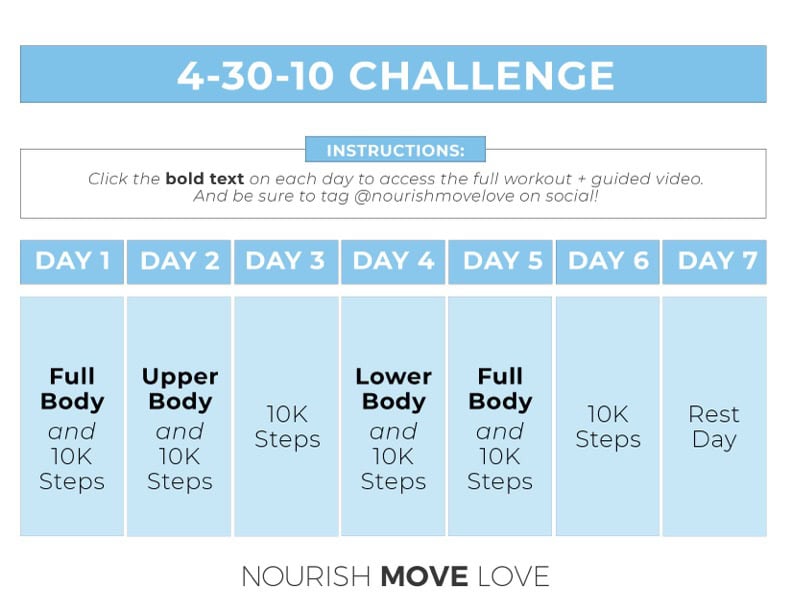
Credit: www.nourishmovelove.com
Body For Life Workout Basics
The Body for Life workout plan focuses on building strength and burning fat. It is simple and fits well into daily routines. The plan combines weight training with cardio to improve overall fitness. Understanding the basics helps you follow the plan correctly and get the best results.
Workout Structure
The workout plan divides each week into six training days and one rest day. It alternates between weight training and cardio sessions. Weight training targets different muscle groups on different days. Cardio exercises boost heart health and burn calories. This balance helps increase muscle and reduce fat effectively.
Exercise Types
The plan includes strength training and cardiovascular exercises. Strength training uses free weights, machines, or body weight. Exercises focus on major muscle groups like legs, chest, and back. Cardio workouts involve activities like running, cycling, or swimming. Mixing these types improves endurance and muscle tone.
Session Duration
Each workout session lasts about 45 to 60 minutes. Weight training sessions are usually shorter but intense. Cardio sessions can be longer to help burn fat. The plan encourages consistent workouts without overtraining. This keeps the body strong and ready for progress.
Key Exercises To Include
Choosing the right exercises is vital for the Body for Life Workout Plan. The plan focuses on balanced fitness by combining strength, cardio, and flexibility. This mix helps build muscle, burn fat, and improve overall health. Each exercise type plays a unique role in your fitness journey.
Strength Training Moves
Strength training builds muscle and boosts metabolism. Include exercises that target major muscle groups. Focus on:
- Squats for legs and glutes
- Push-ups for chest and arms
- Deadlifts to engage the back and hamstrings
- Bench press for upper body strength
- Pull-ups to strengthen the back and biceps
Use free weights or machines. Perform sets with controlled movements. Rest between sets to recover.
Cardio Workouts
Cardio workouts help burn calories and improve heart health. Choose activities that raise your heart rate. Examples include:
- Running or jogging outdoors
- Jump rope sessions
- High-intensity interval training (HIIT)
- Swimming for full-body cardio
- Cycling for endurance and leg strength
Mix steady-state and interval cardio for best results. Keep sessions between 20 to 40 minutes.
Flexibility And Recovery
Flexibility exercises reduce injury risk and aid recovery. Stretch muscles after workouts to stay flexible. Include:
- Static stretches for major muscle groups
- Yoga poses to improve balance and flexibility
- Foam rolling to release muscle tightness
- Deep breathing exercises to relax
Spend at least 10 minutes on flexibility and recovery. Consistency improves movement and reduces soreness.
Weekly Workout Schedule
Creating a weekly workout schedule for the Body for Life program helps you stay consistent and balanced. It guides your progress and keeps your motivation high. The key is to blend strength training and cardio while giving your body time to recover and grow stronger.
Balancing Strength And Cardio
Your workout week should mix strength exercises with cardio sessions. Aim for strength training three to four times a week, focusing on different muscle groups each day. This approach prevents overworking any one area and allows muscles to rebuild.
Cardio workouts, like running, cycling, or swimming, fit well on alternate days. These sessions boost your heart health and help burn fat without exhausting your muscles. Have you tried splitting your week this way to see faster results?
- Monday: Upper body strength
- Tuesday: Cardio (30-45 minutes)
- Wednesday: Lower body strength
- Thursday: Cardio (interval training)
- Friday: Full body strength
- Saturday: Cardio or active recovery
- Sunday: Rest
Rest And Active Recovery Days
Rest days are just as important as workout days. They give your muscles time to repair and grow stronger, reducing injury risk. You might feel like skipping rest, but your body actually performs better when it’s well-rested.
Active recovery doesn’t mean complete inactivity. Light activities like walking, yoga, or stretching can keep your blood flowing and reduce soreness. How often do you schedule these easier days to keep your energy high throughout the week?
Consider using Sundays for full rest and Saturdays for active recovery. This balance keeps you ready and eager for the next round of workouts without burning out.
Credit: stewartspiked.com
Nutrition Tips For Fast Results
Nutrition plays a crucial role in the success of the Body for Life Workout Plan. The right fuel can speed up your progress, boost energy levels, and help you recover faster. Paying attention to how and what you eat will make your hard work in the gym pay off much quicker.
Meal Timing
Eating at the right times can dramatically affect your results. Aim to eat every 3 to 4 hours to keep your metabolism active and energy steady throughout the day.
Try to have a balanced meal 1 to 2 hours before your workout to give your body enough fuel. After training, eat a protein-rich snack within 30 minutes to help muscle repair and growth.
Ask yourself: Are you leaving too much time between meals, causing energy dips or overeating later? Small, consistent meals can prevent this.
Macronutrient Balance
Your body needs the right mix of protein, carbohydrates, and fats to perform and recover well. Protein supports muscle growth, carbs provide energy, and fats help hormone production.
A good starting point is to fill half your plate with vegetables and fruits, a quarter with lean protein, and a quarter with whole grains or starchy vegetables.
Think about how you can adjust your portions if you feel sluggish or not recovering well. Maybe add more protein or swap simple carbs for complex ones like brown rice or sweet potatoes.
Hydration Strategies
Water is often overlooked but is essential for fast results. Staying hydrated improves digestion, nutrient absorption, and keeps your muscles working properly.
Drink at least 8 glasses of water daily, but increase this amount if you sweat a lot during workouts. Carry a water bottle and sip regularly rather than gulping down large amounts infrequently.
Notice how dehydration affects your workouts or recovery? Keeping your fluid levels up can make a surprising difference in performance and energy.
Tracking Progress Effectively
Tracking your progress in the Body for Life Workout Plan is key to seeing real results. Without clear tracking, it’s easy to lose direction or motivation. Keeping tabs on your changes helps you stay focused and make smarter choices as you go.
Measuring Body Changes
Step on the scale regularly, but don’t let the numbers alone tell your story. Use a tape measure to track inches lost or gained around your waist, hips, arms, and chest. Taking photos every two weeks can reveal subtle changes that numbers might miss.
Record these measurements in a dedicated journal or app. This way, you create a clear timeline of your journey. Have you noticed your clothes fitting differently? That’s an important sign of progress too.
Adjusting Workouts
Pay attention to how your body feels during and after workouts. Are some exercises getting easier? It might be time to increase weight or reps. If you hit a plateau, try switching up your routine to challenge different muscle groups.
Keep notes on your workout intensity and recovery. This helps you avoid injury and ensures steady improvement. What small changes can you make this week to push your limits just a bit more?
Staying Motivated
Tracking progress isn’t just about numbers; it’s about celebrating wins. Set mini-goals and reward yourself when you hit them. This can be as simple as a healthy treat or a new workout outfit.
Share your journey with a friend or online community. Their support can boost your commitment. How will you remind yourself why you started when motivation dips?
Common Challenges And Solutions
The Body for Life workout plan offers a structured path to fitness. Challenges often arise during this journey. Recognizing these common obstacles helps keep progress steady. Simple solutions improve results and prevent frustration.
Overcoming Plateaus
Plateaus happen when progress slows or stops. The body adapts to the routine. Changing workout intensity or exercises breaks the stall. Increasing weights or varying sets and reps adds new challenges. Tracking progress helps spot plateaus early. Small changes keep muscles guessing and growing.
Injury Prevention
Injuries can halt fitness progress quickly. Proper warm-up and cool-down routines protect muscles and joints. Using correct form reduces stress on the body. Rest days allow recovery and repair. Listening to the body signals prevents overuse. Avoid pushing through sharp pain to stay safe.
Maintaining Consistency
Consistency is key for lasting results. Setting realistic goals builds steady habits. Scheduling workouts like appointments helps stay on track. Finding a workout buddy increases motivation. Celebrating small wins encourages continuation. Keeping a journal tracks progress and maintains focus.
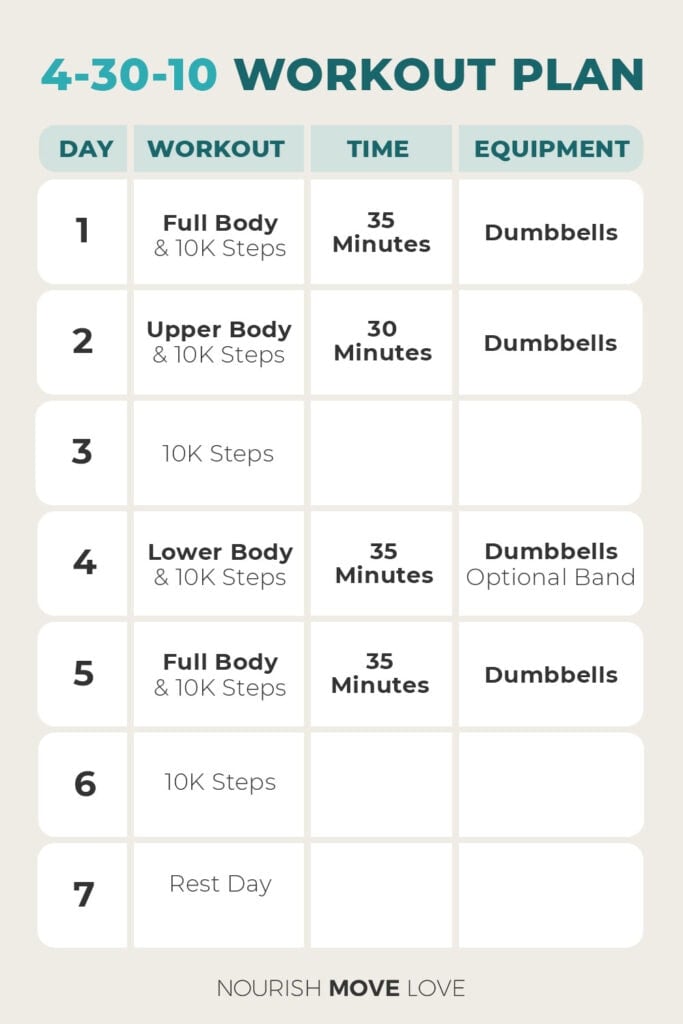
Credit: www.nourishmovelove.com
Frequently Asked Questions
What Is The Body For Life Workout Plan?
The Body for Life workout plan is a 12-week fitness program. It combines strength training and cardio exercises. The plan promotes muscle building and fat loss. It emphasizes nutrition and mental focus for overall health.
How Often Should I Do Body For Life Workouts?
The plan recommends exercising six days a week. Alternate between weight training and cardio sessions. Each workout lasts about 45 minutes. Rest one day weekly for recovery and muscle growth.
What Nutrition Guidelines Support Body For Life Workouts?
The plan encourages eating six small meals daily. Focus on lean proteins, complex carbs, and healthy fats. Avoid processed foods and sugary drinks. Proper nutrition fuels workouts and aids in muscle repair.
Can Beginners Follow The Body For Life Plan?
Yes, beginners can follow the plan by starting with lighter weights. Gradually increase intensity as fitness improves. The program provides clear instructions suitable for all fitness levels.
Conclusion
The Body for Life Workout Plan helps build strength and improve health. It mixes exercise and good eating habits for steady progress. Small steps each day lead to big changes over time. Staying consistent keeps your body active and your mind focused.
This plan suits many fitness levels and lifestyles. Try it, see how your body feels and grows stronger. Keep moving forward, one workout at a time. Your healthy journey starts with this simple plan.







