
Unlocking the potential of your fitness routine doesn’t have to be complicated. Imagine achieving strength, balance, and flexibility all with a single, versatile tool—the kettlebell.
If you’re looking to break free from monotonous workouts and discover a transformative exercise plan, you’re in the right place. This kettlebell workout plan is designed to supercharge your fitness journey, making every movement count. Curious to know how this simple piece of equipment can revolutionize your exercise routine and help you achieve your goals faster?
Keep reading to uncover how you can harness the power of kettlebells and transform your workouts into something truly dynamic and effective.
Benefits Of Kettlebell Training
Kettlebell training offers a unique blend of strength, cardio, and flexibility benefits that you might not get from traditional workouts. It challenges your body in multiple ways, helping you build a well-rounded fitness foundation. If you’re wondering how this tool can transform your routine, consider these key benefits.
Full-body Conditioning
Kettlebell exercises engage multiple muscle groups at once. Movements like swings and cleans force your body to work as a unit, improving coordination and balance.
This full-body approach saves you time and boosts overall fitness. You’ll notice improvements in posture and daily movement efficiency as your muscles learn to work together smoothly.
Improved Strength And Endurance
Kettlebells build both strength and stamina through dynamic, repetitive motions. You’re not just lifting weight—you’re moving it explosively, which trains your muscles differently than static lifts.
After a few weeks, you’ll find tasks like carrying groceries or climbing stairs feel easier. The combination of power and endurance gains helps your body perform better all day long.
Enhanced Fat Burning
Kettlebell workouts keep your heart rate high, blending strength training with cardio. This combination spikes your metabolism, encouraging your body to burn more calories even after your workout ends.
If fat loss is one of your goals, kettlebell training can be a time-efficient way to shed pounds while preserving muscle. How often have you wished for a workout that torches calories and builds muscle at the same time?
Increased Flexibility And Mobility
Many kettlebell moves require a wide range of motion, which helps stretch and strengthen your joints and muscles simultaneously. This can improve your flexibility without separate stretching sessions.
Increased mobility reduces injury risk and makes everyday movements easier. Imagine feeling less stiff and more agile as you move through your day, simply because you added kettlebell swings to your routine.

Credit: www.hungry4fitness.co.uk
Choosing The Right Kettlebell
Choosing the right kettlebell is key to making your workout effective and enjoyable. Picking the wrong weight or style can lead to frustration or even injury. Knowing what to look for helps you stay motivated and safe while maximizing your results.
Weight Selection Tips
Start with a kettlebell weight that challenges you but doesn’t compromise your form. For most beginners, men often begin with 12-16 kg (26-35 lbs), while women might start around 8-12 kg (18-26 lbs). If you’re unsure, pick a lighter weight and focus on mastering the movements first.
Ask yourself: Can you perform 10-15 reps with good technique and controlled breathing? If yes, the weight is likely right. If you can’t maintain proper form, go lighter.
Material And Design Options
Kettlebells come in cast iron, steel, or even vinyl-coated versions. Cast iron kettlebells are durable and affordable but may have rougher handles. Steel kettlebells often have smoother handles and better balance but can cost more.
Look for a handle design that feels comfortable in your hands and allows a secure grip. Some kettlebells have a wider handle, which can be easier for two-handed exercises. Consider how you will store or transport it too—vinyl-coated ones protect floors better.
Safety Considerations
Safety matters more than you might think when choosing a kettlebell. Check that the handle is smooth and free of sharp edges to prevent blisters. The base should be flat and stable, so it doesn’t roll away during your workout.
Think about your workout space. Do you have enough room to swing the kettlebell safely without hitting anything? Having a non-slip surface or mat can reduce the risk of accidents. Taking these precautions keeps your workouts injury-free and consistent.
Essential Kettlebell Exercises
Mastering a kettlebell workout plan means focusing on a set of essential exercises that target multiple muscle groups efficiently. These movements build strength, improve stability, and boost endurance in ways traditional workouts often miss. Each exercise challenges your body differently, giving you a balanced and effective routine.
Swings For Power
Swings are the foundation of kettlebell training. They engage your hips, glutes, and core to generate explosive power. This exercise also improves your cardiovascular fitness, making it a great calorie burner.
Have you noticed how a strong swing transfers power through your entire body? Practicing swings regularly can enhance your athletic performance and daily movement.
Goblet Squats For Legs
Goblet squats strengthen your legs and improve your squat form by holding the kettlebell close to your chest. This helps keep your torso upright and reduces lower back strain.
Squatting with a kettlebell challenges your quads, hamstrings, and glutes all at once. Try adding goblet squats to your routine if you want stronger, more stable legs.
Turkish Get-ups For Stability
The Turkish get-up is a full-body exercise that tests your balance and coordination. It requires moving from lying down to standing up while holding the kettlebell overhead.
This move builds shoulder stability and core strength in a unique way. Can you maintain control and focus through every step of the get-up?
Kettlebell Deadlifts For Back
Kettlebell deadlifts target your lower back, glutes, and hamstrings. They teach proper hip hinge mechanics that protect your spine during lifting.
Deadlifts with kettlebells help correct posture and reduce back pain. Are you lifting with your hips or relying too much on your lower back?
Presses For Upper Body Strength
Presses develop your shoulders, chest, and triceps by pushing the kettlebell overhead or in front of you. They also engage your core to stabilize your body.
Adding presses builds upper body strength that supports everyday activities like lifting and pushing. What’s your favorite press variation to challenge your muscles?
Designing Your Workout Plan
Designing a kettlebell workout plan helps you stay focused and get better results. A clear plan guides your efforts and keeps you motivated. It also makes sure you work all muscle groups and improve your fitness steadily.
Start by knowing what you want to achieve. Balance your exercises to build strength and improve heart health. Then, decide how often you will train. Finally, keep track of your progress to see how far you’ve come.
Setting Realistic Goals
Set goals that fit your fitness level and schedule. Choose targets that push you but are still possible. Small, clear goals help keep your motivation high. Examples include:
- Doing 10 kettlebell swings without rest
- Adding 5 pounds to your kettlebell in a month
- Completing three workouts each week
Realistic goals stop frustration and help you enjoy your training.
Balancing Strength And Cardio
Kettlebell workouts can build muscle and boost your heart rate. Mixing strength and cardio gives you the best benefits. Try to include:
- Strength moves like kettlebell deadlifts and presses
- Cardio moves like swings and snatches
- Rest periods to recover between sets
This balance improves endurance and builds lean muscle.
Scheduling Workouts For Maximum Results
Plan your workouts to fit your week and energy. Aim for 3 to 5 sessions per week. Keep these tips in mind:
- Alternate hard and easy days
- Give muscles time to rest
- Include warm-ups and cool-downs
- Stick to a consistent routine
Regular training helps your body adapt and grow stronger.
Tracking Progress Effectively
Track your workouts to see gains and stay motivated. Use a notebook or app to log:
- Exercises performed
- Number of sets and reps
- Kettlebell weight used
- How you felt during the workout
Review your records weekly. Adjust your plan based on your progress.
Sample Weekly Workout Routine
A kettlebell workout plan offers a balanced mix of strength, cardio, and flexibility training. A weekly routine helps build consistency and tracks progress. It suits all fitness levels by adjusting intensity and complexity.
Here is a sample weekly workout routine. Each plan targets different skill levels. Choose the one that fits your current fitness and goals.
Beginner Plan
- Monday: Kettlebell Deadlifts – 3 sets of 10 reps
- Wednesday: Kettlebell Goblet Squats – 3 sets of 12 reps
- Friday: Kettlebell Swings – 3 sets of 15 reps
- Sunday: Rest or light stretching
Intermediate Plan
- Monday: Kettlebell Clean and Press – 4 sets of 8 reps
- Tuesday: Kettlebell Snatch – 3 sets of 10 reps
- Thursday: Kettlebell Front Squats – 4 sets of 12 reps
- Saturday: Kettlebell Swings and Turkish Get-Ups – 3 sets of 15 and 5 reps
- Sunday: Rest or light yoga
Advanced Plan
- Monday: Double Kettlebell Clean and Press – 5 sets of 8 reps
- Tuesday: Kettlebell Snatch Complex – 4 rounds of 12 reps
- Wednesday: Kettlebell Front and Overhead Squats – 4 sets of 10 reps
- Friday: Kettlebell Swings, Turkish Get-Ups, and Windmills – 4 sets each
- Saturday: High-Intensity Interval Training with kettlebells
- Sunday: Active recovery or rest
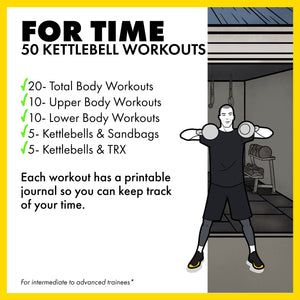
Credit: shop.jlfitnessmiami.com
Tips For Safe And Effective Training
Training with kettlebells can transform your fitness routine, but safety and effectiveness hinge on how you approach each workout. Small adjustments in your technique or preparation can make a huge difference in results and injury prevention. Are you ready to get the most out of your kettlebell sessions while protecting your body?
Proper Form And Technique
Good form is the foundation of every kettlebell move. Focus on controlled movements rather than speed or heavy weights. For example, when doing a kettlebell swing, keep your back straight and hinge at the hips instead of bending your knees excessively.
Recording yourself or training in front of a mirror helps catch mistakes early. If you feel strain in places that shouldn’t hurt, like your lower back or wrists, pause and reassess your posture.
Warm-up And Cool-down Routines
Start each session with a warm-up to prepare your muscles and joints. Dynamic stretches like leg swings or arm circles get blood flowing and improve your range of motion.
After your workout, take time to cool down. Gentle stretches focused on the shoulders, hips, and hamstrings can reduce soreness and improve recovery. Have you tried foam rolling as part of your cool-down? It’s a simple way to ease muscle tension.
Avoiding Common Mistakes
Many beginners rush to lift heavier weights too soon. This often leads to poor form and injuries. Stick with lighter kettlebells until you master the basics.
Another common mistake is neglecting the grip. Holding the kettlebell too tightly tires your forearms and reduces efficiency. Try to maintain a firm but relaxed grip.
Listening To Your Body
Your body gives clear signals when something isn’t right. Sharp pain, dizziness, or excessive fatigue are red flags that you need to stop and rest. Don’t push through discomfort just to finish a set.
Rest days are just as important as training days. How well do you recover between kettlebell workouts? Paying attention to your energy levels helps you avoid burnout and keeps progress steady.
Nutrition To Support Your Workout
Nutrition plays a crucial role in maximizing the benefits of your kettlebell workout plan. What you eat directly affects your energy levels, muscle recovery, and overall performance. Paying attention to your diet can help you lift heavier, recover faster, and stay consistent with your training.
Fueling For Energy
Before a kettlebell session, focus on foods that provide quick and lasting energy. Carbohydrates are your best friend here—they break down into glucose, the fuel your muscles need.
- Try a banana or a small bowl of oatmeal about 30 minutes before you start.
- Pair carbs with a bit of protein, like a spoonful of peanut butter, to keep you feeling full.
- Avoid heavy or greasy meals that might weigh you down or cause discomfort.
Ever noticed how your energy dips mid-workout? What you eat beforehand could be the reason.
Recovery Nutrition
After your kettlebell workout, your body needs nutrients to repair and build muscle. Protein is essential here; it helps rebuild muscle fibers broken down during exercise.
- Consume a protein-rich snack or meal within 45 minutes post-workout, such as Greek yogurt, a protein shake, or grilled chicken.
- Don’t forget about carbs—they help replenish glycogen stores. Sweet potatoes or brown rice work well.
- Healthy fats, like avocado or nuts, support overall recovery and reduce inflammation.
Have you ever felt sore for days after a workout? Proper recovery nutrition might be the missing piece.
Hydration Tips
Hydration impacts your strength, endurance, and focus during kettlebell workouts. Water is your primary tool, but sometimes you need a bit more.
- Drink water consistently throughout the day, not just around your workout time.
- For intense sessions lasting over an hour, consider electrolyte drinks to replace lost minerals.
- Listen to your body—thirst isn’t always the first sign of dehydration.
How often do you pause to drink water during your workout? Staying hydrated can be a game-changer.
Credit: visapoint.travel
Frequently Asked Questions
What Is The Best Kettlebell Workout Plan For Beginners?
A beginner kettlebell workout plan focuses on basic moves like swings, squats, and presses. Start with light weights and 2-3 sessions weekly. This builds strength and improves form safely. Gradually increase intensity as your skills improve.
How Often Should I Do Kettlebell Workouts Weekly?
For optimal results, perform kettlebell workouts 3 to 4 times per week. This frequency balances muscle recovery and growth. Consistency is key to building strength and endurance with kettlebells. Avoid overtraining to reduce injury risk.
Can Kettlebell Workouts Help With Weight Loss?
Yes, kettlebell workouts boost metabolism and burn calories effectively. They combine strength and cardio, increasing fat loss. Regular sessions improve muscle tone and overall fitness, supporting weight loss goals.
What Are Essential Kettlebell Exercises To Include?
Include swings, goblet squats, Turkish get-ups, and presses in your plan. These exercises target multiple muscle groups and improve functional strength. They build endurance, stability, and coordination.
Conclusion
Kettlebell workouts help build strength and improve fitness fast. You can do many exercises with just one kettlebell. This plan fits all skill levels, from beginner to advanced. Consistency is key to see real progress and feel stronger. Take time to learn proper form to avoid injury.
Enjoy the variety and challenge kettlebells bring to your routine. Start small, increase weight and reps as you grow. Your body will thank you for the effort and care. Keep moving forward and stay motivated every day.







