
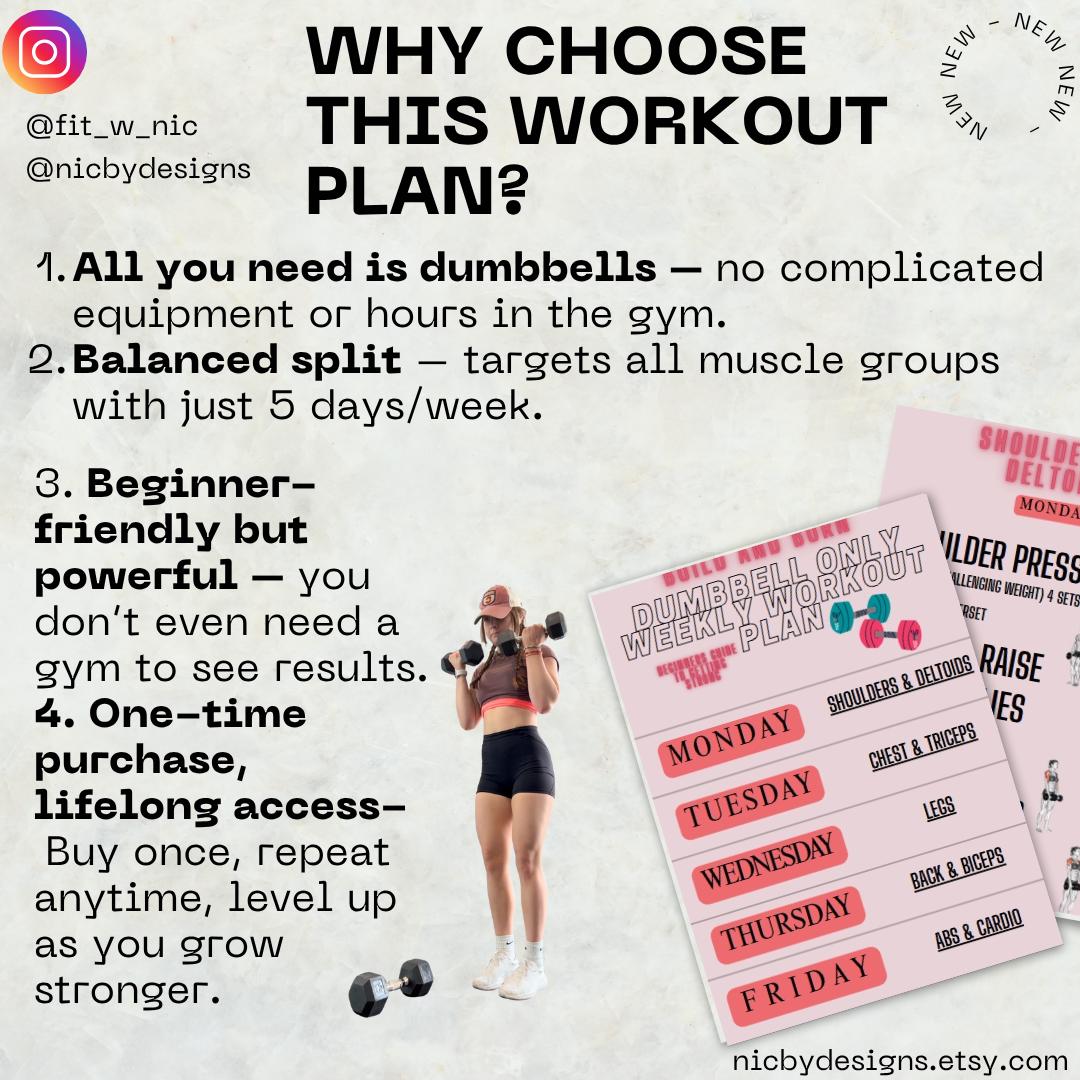
Are you ready to transform your fitness routine with a simple yet effective approach? Introducing the Beginner Dumbbell Workout Plan, your perfect companion to kickstart your journey towards a healthier you.
Imagine achieving noticeable strength and toning up without the need for bulky gym equipment or pricey memberships. With just a set of dumbbells and a bit of dedication, you can unlock a world of fitness possibilities right from the comfort of your home.
This plan is designed to fit seamlessly into your lifestyle, offering quick and impactful workouts that won’t overwhelm you. Curious to learn how you can make the most out of your dumbbells and see real results? Keep reading to discover how this workout plan can make exercising both enjoyable and rewarding.
Credit: www.etsy.com
Benefits Of Dumbbell Workouts
Dumbbell workouts offer a range of benefits that make them ideal for beginners. They help you build strength, improve flexibility, and fit easily into your daily routine. Understanding these benefits can motivate you to stick with your workout plan and see real progress.
Improved Muscle Strength
Dumbbells allow you to target specific muscles with controlled movements. This leads to better muscle development and balanced strength across your body. You can start with lighter weights and gradually increase them as your muscles get stronger, which keeps your progress steady and safe.
Enhanced Flexibility
Using dumbbells requires a full range of motion, which naturally improves your flexibility. Unlike machines that limit movement, dumbbells let you move freely, helping your joints and muscles stay flexible. Have you noticed how reaching or bending feels easier after a few weeks of dumbbell exercises?
Convenience And Versatility
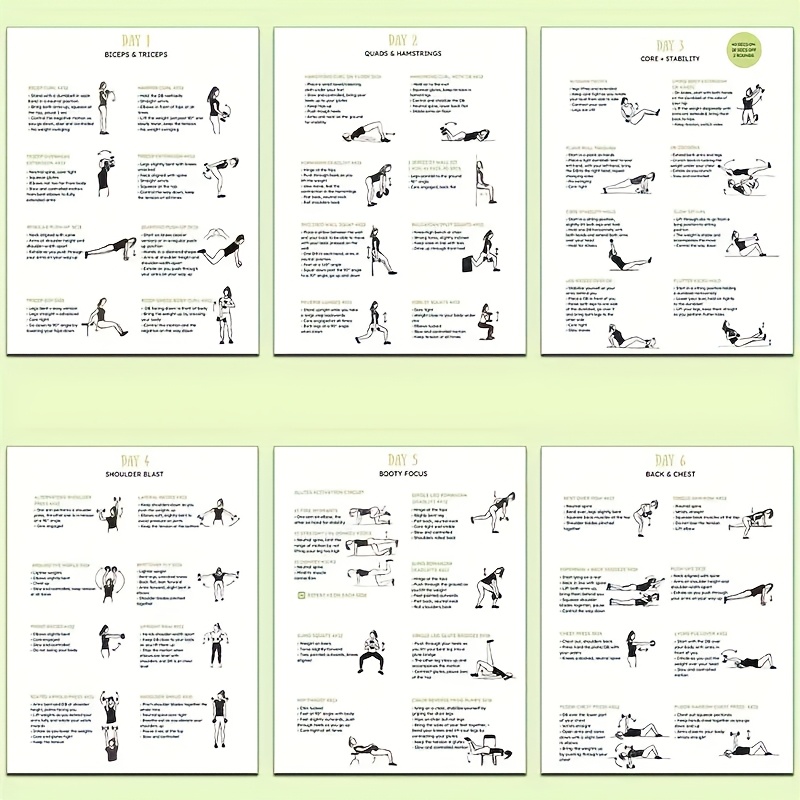
Dumbbells are easy to store and use anywhere, whether at home or in a gym. They let you perform many different exercises that work your entire body without needing bulky equipment. This makes it simple to create a varied workout that keeps you engaged and prevents boredom.
Credit: www.temu.com
Essential Equipment For Beginners
Starting a dumbbell workout plan is exciting, but the right equipment can make all the difference in your progress. Having the essential gear sets you up for success and keeps your routine safe and effective. Let’s look at what you really need to get started and how to choose wisely.
Choosing The Right Dumbbell Weight
Picking the right dumbbell weight is crucial for your workout’s effectiveness. Too heavy, and you risk injury or poor form. Too light, and you won’t challenge your muscles enough to see growth.
Think about your current strength and fitness level. For most beginners, starting with a pair of 5 to 10-pound dumbbells works well. You can always increase weight as you get stronger.
Ask yourself: Can you complete 12-15 reps with good form? If yes, that weight is a good starting point. If you struggle to finish, choose a lighter one. If you breeze through, go a bit heavier.
Additional Gear To Consider
Dumbbells alone don’t cover all your needs. Certain accessories can improve your experience and safety.
- Workout Mat:Provides cushioning for floor exercises and protects your joints.
- Weight Bench:Adds variety and allows for more controlled movements.
- Wrist Wraps or Gloves:Offer grip support and prevent blisters or wrist strain.
- Storage Rack:Keeps your space organized and prevents accidents from loose weights.
Have you thought about where you’ll exercise? A dedicated space with proper flooring can make your workouts more enjoyable and less risky.
Warm-up Exercises
Warming up before you start your dumbbell workout is crucial. It prepares your muscles and joints, reducing the risk of injury. Plus, it helps you perform better by increasing blood flow and flexibility.
Dynamic Stretching Moves
Dynamic stretches are active movements that gently take your muscles through their full range of motion. These moves wake up your body and make your muscles ready for lifting weights.
- Arm Circles:Swing your arms in small to large circles to loosen your shoulders.
- Leg Swings:Swing one leg forward and back, then side to side, to open up your hips.
- Torso Twists:Rotate your upper body side to side, keeping your hips steady to warm up your core.
Have you noticed how a few simple stretches can instantly improve your workout focus? Try these for 5 minutes before you pick up your dumbbells.
Light Cardio Options
Light cardio is another way to get your heart rate up and muscles warm without tiring yourself out. It helps you ease into more intense exercises smoothly.
- Jumping Jacks:A quick 1-2 minute set gets your whole body moving.
- Marching in Place:Lift your knees high and pump your arms to activate your legs and arms.
- Brisk Walking:If you’re indoors, walk around your room or treadmill for a few minutes.
Choosing a cardio warm-up that you enjoy can make starting your workout feel less like a chore. Which light cardio move gets you energized the fastest?
Basic Dumbbell Exercises
Basic dumbbell exercises form the foundation of any beginner workout plan. They target multiple muscle groups and help you build strength evenly. These moves are simple yet effective, making them perfect for starting your fitness journey.
Dumbbell Squats
Dumbbell squats work your legs and glutes while improving balance. Hold a dumbbell in each hand at your sides and squat down as if sitting in a chair. Keep your chest up and knees behind your toes to avoid injury.
How many reps feel challenging but doable for you? Start with 10 to 12 and focus on form before adding weight.
Dumbbell Bench Press
This exercise targets your chest, shoulders, and triceps. Lie on a bench or the floor, holding dumbbells above your chest with arms fully extended. Slowly lower the dumbbells until your elbows are at a 90-degree angle, then press back up.
Feel the difference as your chest muscles engage. Can you maintain control without locking your elbows?
Dumbbell Rows
Dumbbell rows strengthen your upper back and improve posture. Bend forward at the hips with a dumbbell in each hand, palms facing your body. Pull the dumbbells towards your waist, squeezing your shoulder blades together.
Try to keep your back flat and core tight. Are you able to feel the muscles working without swinging your body?
Dumbbell Shoulder Press
This move focuses on your shoulders and triceps. Sit or stand with a dumbbell in each hand at shoulder height. Press the weights overhead until your arms are straight, then lower them back down slowly.
Control is key here. How steady can you keep the weights during the entire movement?
Dumbbell Bicep Curls
Bicep curls isolate the front of your arms. Stand with a dumbbell in each hand, palms facing forward. Curl the weights up to your shoulders, then lower them back down with control.
Do you feel the burn in your biceps after just a few reps? Try to avoid swinging your body to keep the focus on your arms.
Dumbbell Tricep Extensions
This exercise targets the back of your arms. Hold one dumbbell with both hands behind your head, elbows pointing up. Extend your arms to lift the dumbbell overhead, then lower it back behind your head slowly.
Keep your elbows close together throughout. Can you maintain form without arching your back?
Sample Beginner Workout Plan
A sample beginner dumbbell workout plan helps build strength safely. It guides you through simple exercises and routines. This plan focuses on full-body workouts to develop muscle evenly. Beginners can follow the schedule to create good exercise habits. The plan balances effort and recovery for steady progress.
Workout Schedule And Frequency
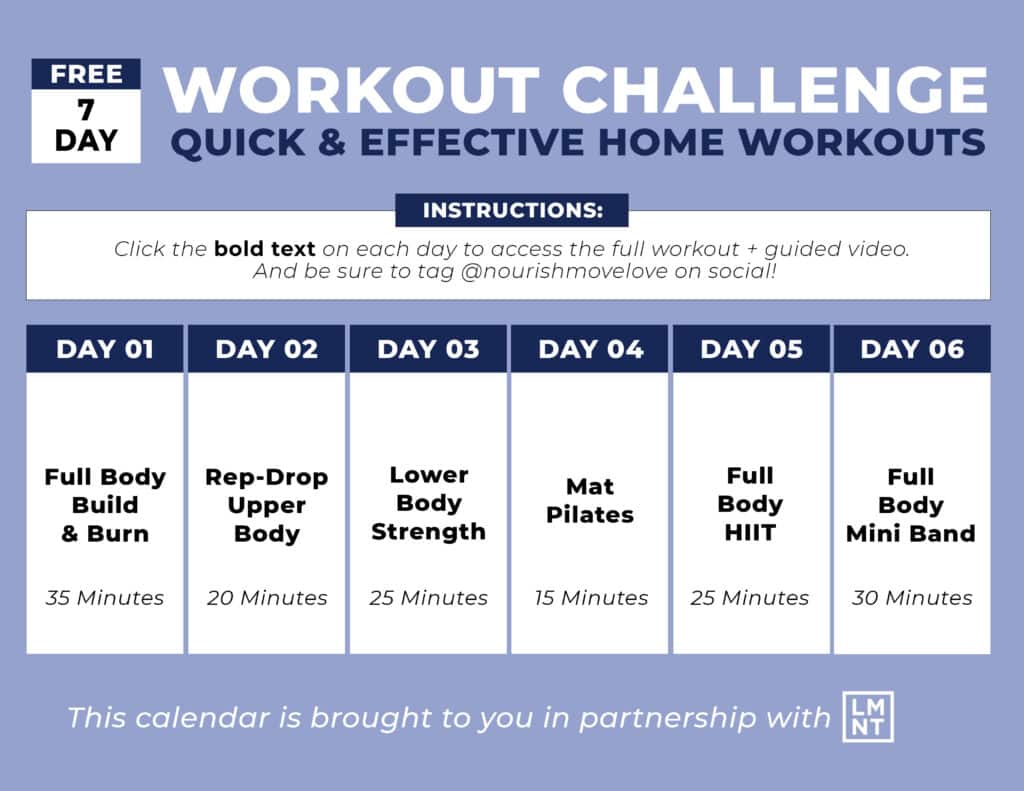
Work out three times a week. Allow at least one rest day between sessions. For example, Monday, Wednesday, and Friday work well. Each session lasts about 30 to 45 minutes. Consistency is key for muscle growth and endurance. Stick to the schedule to see better results.
Sets, Reps, And Rest Periods
Start with 2 to 3 sets per exercise. Perform 10 to 12 repetitions in each set. Use light to moderate dumbbells to avoid injury. Rest 30 to 60 seconds between sets. This rest time helps muscles recover without cooling down. Increase weight or reps slowly as you get stronger.
Credit: www.nourishmovelove.com
Tips For Proper Form And Safety
Proper form and safety are crucial for any dumbbell workout, especially for beginners. Good technique helps prevent injuries and ensures muscles get the right workout. Paying attention to form builds strength steadily and avoids strain. Safety habits protect joints and muscles during each exercise.
Common Mistakes To Avoid
- Lifting weights that are too heavy. Start light to build control.
- Using momentum instead of muscle power. Move slowly and steadily.
- Not keeping your back straight. Maintain a neutral spine to avoid pain.
- Locking your elbows or knees. Keep joints soft, not rigid.
- Neglecting to warm up before lifting. Warm muscles reduce injury risk.
- Holding your breath. This can cause dizziness or high blood pressure.
Breathing Techniques
Breathing properly supports your workout and keeps you focused. Inhale deeply before starting a lift. Exhale slowly as you lift or push the weight. Inhale again as you lower the dumbbells back down. This rhythm helps maintain steady energy and control. Avoid holding your breath during exercises. Controlled breathing improves oxygen flow to muscles.
Tracking Progress And Adjustments
Tracking your progress and making adjustments is key to getting stronger and staying motivated with your dumbbell workout plan. Without monitoring how you’re improving, it’s easy to lose track of your gains or hit a plateau. Paying close attention to your performance helps you know when to push harder and when to rest.
Increasing Weight And Intensity
You should gradually increase the weight you lift as your muscles get stronger. If you can complete all your reps and sets without feeling challenged, it’s time to add more weight or increase the number of repetitions.
Try to increase the weight in small steps to avoid injury. For example, if you’re using 10-pound dumbbells, move up to 12 or 15 pounds instead of jumping straight to 20. This steady approach helps your body adapt safely.
Besides weight, you can also increase intensity by shortening rest periods or adding more sets. Have you noticed feeling less tired after your usual workout? That’s a sign to raise the bar.
Signs Of Overtraining
It’s important to listen to your body and recognize when you’re pushing too hard. Overtraining can cause persistent muscle soreness, fatigue, and even affect your sleep and mood.
If you find your strength is decreasing or you’re losing motivation, these can be red flags. Taking a day or two off or lowering your workout intensity can help you recover.
Remember, rest is just as important as exercise. Without it, your progress can stall or reverse. Are you paying enough attention to how your body feels after workouts?
Frequently Asked Questions
What Are The Best Dumbbell Exercises For Beginners?
Best beginner dumbbell exercises include bicep curls, shoulder presses, squats, lunges, and dumbbell rows. These target major muscle groups and build strength safely.
How Often Should Beginners Do Dumbbell Workouts?
Beginners should do dumbbell workouts 2-3 times per week. This frequency allows muscle recovery and steady progress without risk of injury.
What Weight Dumbbells Are Suitable For Beginners?
Start with light dumbbells, typically 5-15 pounds. Choose a weight that challenges you but allows proper form throughout all reps.
How Long Should A Beginner Dumbbell Workout Last?
Beginner dumbbell workouts should last 20-30 minutes. This duration is enough for effective training without causing excessive fatigue.
Conclusion
Starting with a dumbbell workout plan builds strength step by step. Small weights help you learn proper form safely. Consistency matters more than heavy lifting at first. Rest days give your muscles time to grow. Track your progress to stay motivated and improve.
Remember, every expert began as a beginner too. Keep it simple, stay patient, and enjoy the journey. Your body will thank you for the effort. Stay active and strong with this easy workout plan.







