
Are you wondering if corn can really help you shed those extra pounds? You might have heard mixed opinions about this popular food.
Some say it’s great for weight loss, while others warn it could slow you down. What’s the truth? If you want to know how corn fits into your weight loss plan and whether it can be your secret weapon or a hidden obstacle, keep reading.
This article will clear up the confusion and give you simple facts that make sense for your health goals.
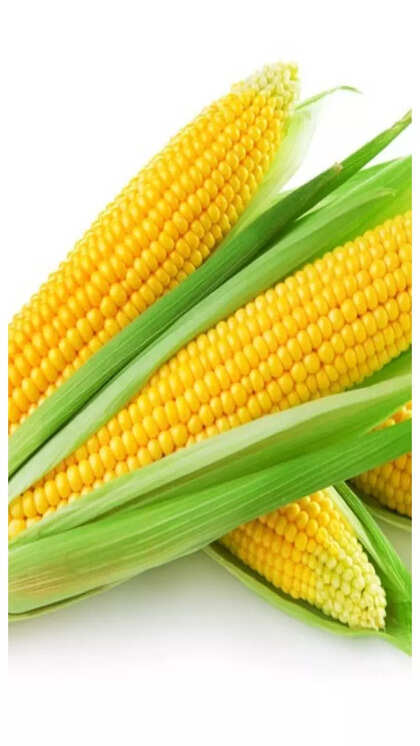
Credit: timesofindia.indiatimes.com
Nutritional Profile Of Corn
Corn is often seen as a simple side dish, but its nutritional profile reveals much more. Understanding what corn offers in terms of calories, macronutrients, vitamins, and minerals can help you decide if it fits into your weight loss plan. Let’s take a closer look at what makes corn a unique food choice.
Calories And Macronutrients
Corn provides a moderate amount of calories, with about 86 calories per 100 grams of cooked corn. This makes it a relatively low-calorie food that can satisfy your hunger without overloading your daily intake.
In terms of macronutrients, corn is primarily a source of carbohydrates, offering around 19 grams per 100 grams. It also contains about 3 grams of protein and 1.2 grams of fat. The carbs in corn include fiber, which supports digestion and can keep you feeling full longer.
Have you noticed how eating corn can keep hunger at bay longer than some other starchy foods? That’s largely because of its fiber content, which slows digestion and stabilizes blood sugar levels.
Vitamins And Minerals
Corn is rich in several important vitamins and minerals. It contains B vitamins like thiamin and folate, which help convert food into energy—a key factor when you’re trying to lose weight.
Additionally, corn offers minerals such as magnesium, phosphorus, and potassium. These support muscle function and heart health, which are essential when you increase your physical activity.
One surprising benefit is the antioxidant content, including lutein and zeaxanthin, which promote eye health. Eating foods that protect your body while supporting weight loss feels like a win-win, doesn’t it?
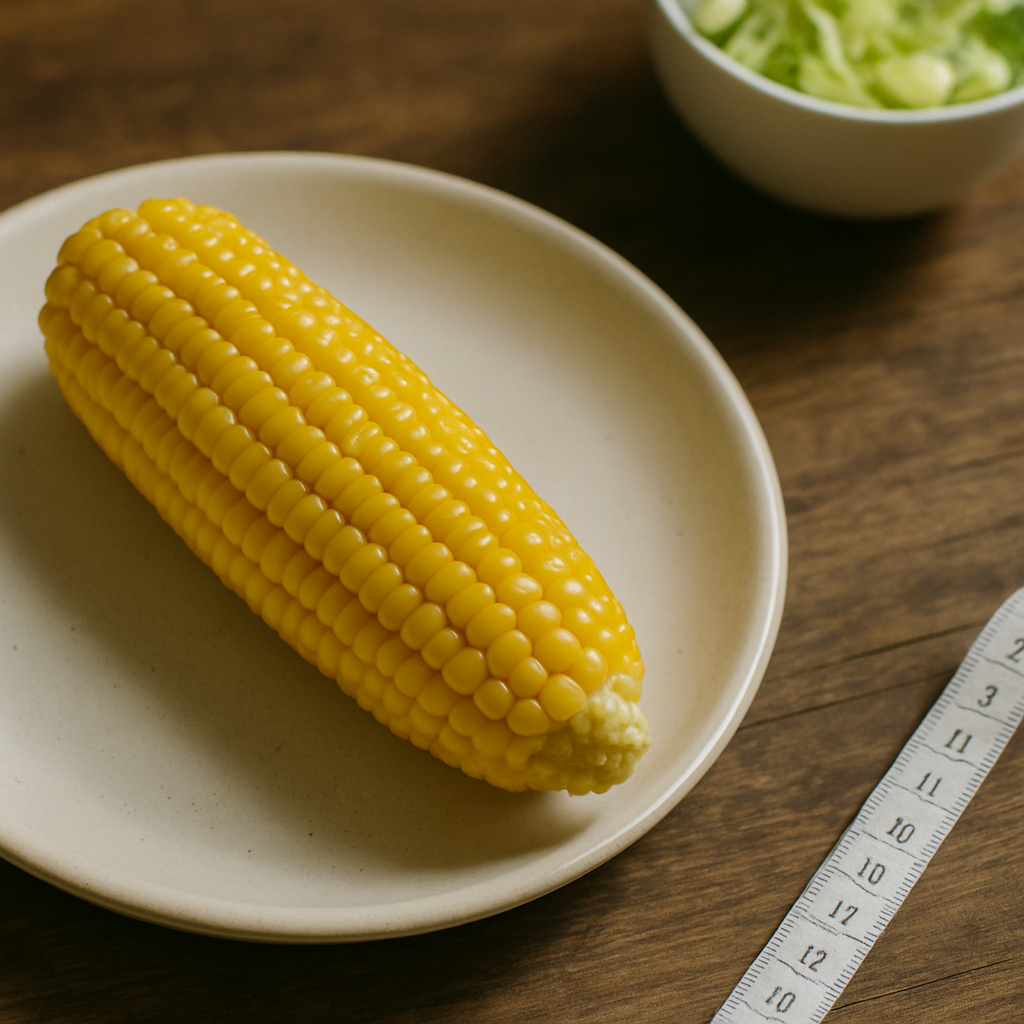
Credit: ask-ayurveda.com
Corn And Weight Loss Connection
Corn often gets mixed reviews when it comes to weight loss. Some see it as a starchy carb that might slow progress, while others praise its nutritional value. Understanding how corn interacts with your body can help you decide if it fits into your weight loss plan.
Role Of Fiber In Satiety
Corn contains a good amount of dietary fiber, which plays a key role in keeping you full. Fiber slows digestion, helping you feel satisfied longer after meals. This means you’re less likely to snack between meals or overeat.
Think about the times you’ve eaten corn on the cob or a bowl of popcorn—did you notice you didn’t feel hungry right away afterward? That feeling comes from fiber doing its job. Adding corn to your meals can be a simple way to control appetite without cutting calories drastically.
Impact On Metabolism
Corn provides complex carbohydrates, which can fuel your metabolism steadily. Unlike simple sugars, these carbs release energy slowly, preventing blood sugar spikes and crashes. Stable energy levels help maintain a healthy metabolism throughout the day.
Additionally, corn contains essential nutrients like B vitamins that support energy production in your body. When your metabolism runs smoothly, your body burns calories more efficiently—even at rest. Would adjusting your carb sources to ones like corn improve your daily energy and weight loss efforts?
Benefits Of Corn For Digestion
Corn offers several benefits for digestion that can support your weight loss journey. Its natural fiber content plays a key role in promoting a healthy digestive system. Understanding these benefits can help you decide how to add corn to your meals effectively.
Improving Gut Health
Corn contains both soluble and insoluble fiber, which feed the good bacteria in your gut. This helps maintain a balanced gut microbiome, essential for overall health. Have you noticed how eating fiber-rich foods makes your digestion smoother and more regular?
Including corn in your diet can enhance gut function by supporting these beneficial bacteria. This can reduce bloating and discomfort, making you feel lighter and more energetic. If you want to keep your gut happy, corn is a simple, tasty option to try.
Preventing Constipation
Constipation can slow down your weight loss progress and make you feel sluggish. Corn’s high fiber content adds bulk to your stool, helping it move through your intestines more easily. Have you ever felt stuck and wished for a natural way to ease your digestion?
Eating corn regularly helps prevent constipation by keeping your bowel movements regular. This not only supports digestion but also helps your body get rid of waste efficiently. Making corn a part of your meals could be a practical step towards better digestive health.
Corn Varieties And Their Effects
Corn is not just a single type of vegetable; it comes in several varieties that can affect your weight loss journey differently. Understanding these types can help you make better choices that fit your health goals. Let’s take a closer look at how sweet corn and popcorn differ and why whole grain corn might be a better option for shedding pounds.
Sweet Corn Vs. Popcorn
Sweet corn is what you often find on the cob at summer barbecues. It contains more natural sugars and moisture, which makes it taste sweeter but also adds more calories per serving compared to popcorn.
Popcorn, on the other hand, is a whole grain snack that is low in calories if you avoid heavy butter and salt. It’s high in fiber, which keeps you feeling full longer, helping to reduce overeating.
- Sweet corn has about 90 calories per cup, primarily from carbohydrates.
- Air-popped popcorn contains only around 30 calories per cup.
- Popcorn’s fiber content helps control appetite better than sweet corn.
Which one fits your lifestyle better? If you want a quick, satisfying snack that won’t spike your calorie intake, popcorn might be the smarter choice.
Whole Grain Corn Benefits
Whole grain corn includes all parts of the kernel: the bran, germ, and endosperm. This means it’s packed with fiber, vitamins, and minerals that aid digestion and boost metabolism.
Eating whole grain corn can help stabilize blood sugar levels, preventing energy crashes that often lead to unhealthy snacking. It also supports gut health, which plays a crucial role in weight management.
- Fiber in whole grain corn promotes fullness and reduces cravings.
- It provides essential nutrients like magnesium and B vitamins that support fat metabolism.
- Whole grain corn can be included in salads, soups, or eaten as a side dish to add volume without excessive calories.
Have you noticed how meals with whole grains keep you satisfied longer? That feeling might be the key to avoiding those mid-afternoon energy slumps and unnecessary snacking.
Incorporating Corn Into A Weight Loss Diet
Corn can be a good addition to a weight loss diet. It provides fiber and essential nutrients that support digestion and energy. Using corn wisely helps you enjoy its benefits without adding extra calories. Focus on cooking and portion choices to keep your meals healthy and balanced.
Healthy Cooking Methods
Choose cooking techniques that keep corn nutritious and low in calories. Boiling or steaming corn retains vitamins and fiber without extra fat. Grilling corn adds flavor without needing butter or oil. Avoid frying or adding heavy sauces that increase calories quickly. Fresh or frozen corn works well for these methods.
Portion Control Tips
Watch how much corn you eat to stay within calorie goals. A typical serving is about half a cup of cooked corn. Combine corn with vegetables and lean proteins for a balanced meal. Use corn as a side dish, not the main part of the meal. Eating slowly helps you feel full and prevents overeating.
Potential Drawbacks To Consider
Corn can be part of a weight loss diet, but some drawbacks exist. Being aware of these helps make better food choices. Some issues relate to how corn is processed and individual health concerns.
Sugar Content In Processed Corn
Processed corn products often contain high sugar levels. Sweetened corn snacks, syrups, and canned corn may have added sugars. These sugars increase calorie intake and reduce weight loss benefits. Eating too much added sugar can cause fat gain. Always check labels for hidden sugars in corn-based foods.
Allergies And Sensitivities
Some people have allergies or sensitivities to corn. Symptoms include stomach pain, skin rashes, or breathing problems. Corn allergies can make weight loss difficult due to limited food choices. Cross-reactions with other foods may also occur. Consulting a doctor is important if you suspect a corn allergy.
Comparing Corn With Other Weight Loss Foods
Corn offers fiber and nutrients that support fullness, making it a decent choice for weight loss. Compared to other foods, it provides moderate calories and helps control hunger. Its natural sugars and starch make it different from low-carb options but still beneficial in balanced diets.
Comparing corn with other weight loss foods helps you make informed choices. Corn offers a unique nutritional profile, but how does it stack up against popular grains? Let’s explore these comparisons to better understand where corn fits in your diet.Corn Vs. Quinoa
Corn and quinoa both provide essential nutrients. Quinoa is often praised for its high protein content. It contains all nine essential amino acids. Corn, while lower in protein, provides fiber and antioxidants. Fiber aids digestion and helps keep you full longer. Quinoa has fewer calories per serving compared to corn. This can be beneficial for weight loss. Both are gluten-free, making them suitable for those with gluten intolerance.Corn Vs. Brown Rice
Brown rice and corn are staples in many diets. Both offer health benefits but differ in nutritional content. Brown rice contains more fiber than corn. This helps with digestion and satiety. Corn provides more antioxidants, which can support overall health. Calorie-wise, brown rice is slightly lower than corn. This can make it a better choice for reducing calorie intake. Both can be part of a balanced diet, supporting weight loss goals.
Credit: 100calsnacks.com
Frequently Asked Questions
Is Corn Good For Weight Loss Diets?
Yes, corn is good for weight loss. It is low in calories and high in fiber, which aids digestion and keeps you full longer.
How Many Calories Are In A Serving Of Corn?
A typical serving of corn (1 cup) contains about 90-100 calories, making it a low-calorie option for weight watchers.
Does Corn Help Reduce Belly Fat?
Corn’s fiber content helps control appetite and supports digestion, which may assist in reducing belly fat over time when combined with exercise.
Can Corn Spike Blood Sugar Levels During Weight Loss?
Corn has a moderate glycemic index, so it can raise blood sugar moderately. Portion control is key to managing blood sugar while losing weight.
Conclusion
Corn can be a helpful part of a weight loss plan. It offers fiber and nutrients that keep you full longer. Eating corn in moderate amounts supports healthy digestion and energy. Avoid adding too much butter or sugar to keep it healthy.
Pair corn with other vegetables and lean proteins for balanced meals. Small changes like these make weight loss easier. Remember, no single food can do it all. A good diet and exercise work best together. Choose corn wisely and enjoy its benefits on your journey.







