
Are you ready to transform your fitness game in just six days a week? Whether you’re a seasoned gym-goer or just starting out, a well-structured workout routine can be your secret weapon to achieving the results you’ve always dreamed of.
Imagine feeling more energetic, building strength, and seeing noticeable changes in your body—all in less than a week! With the right plan, this isn’t just a fantasy, it’s your new reality. In this post, we’ll reveal a 6-day workout routine designed to maximize your efforts and keep you motivated.
Say goodbye to the guesswork and hello to a clear path to your fitness goals. You’ll discover the perfect balance of exercises that target every muscle group, ensuring you get the most out of every session. Ready to take control of your health and see real, tangible results? Let’s dive in and get started on your transformative journey!

Credit: www.threads.com
Weekly Workout Split
A well-structured weekly workout split helps balance training and recovery. It targets different muscle groups each day. This approach supports muscle growth and reduces injury risk. Following a clear plan keeps motivation high and progress steady.
Day 1: Chest And Triceps
Focus on building strength in your chest and triceps muscles. Use exercises like bench press, push-ups, and tricep dips. These moves improve upper body power and definition.
Day 2: Back And Biceps
Train your back and biceps to enhance pulling strength. Include pull-ups, rows, and bicep curls. This day helps improve posture and arm muscle tone.
Day 3: Legs
Work your legs with squats, lunges, and leg presses. Strong legs support overall fitness and balance. This session boosts endurance and muscle mass in lower body.
Day 4: Shoulders
Target shoulder muscles with overhead presses and lateral raises. Strong shoulders improve upper body stability. This day shapes your arms and enhances posture.
Day 5: Arms
Focus on both biceps and triceps for balanced arm strength. Use curls, extensions, and hammer curls. This workout improves arm size and functional strength.
Day 6: Full Body
Combine exercises for all major muscle groups. Include compound movements like deadlifts and burpees. This day boosts overall fitness and burns calories efficiently.
Day 7: Rest And Recovery
Allow your body to rest and repair. Use light stretching or gentle walking. Proper recovery prevents injury and prepares you for the next week.
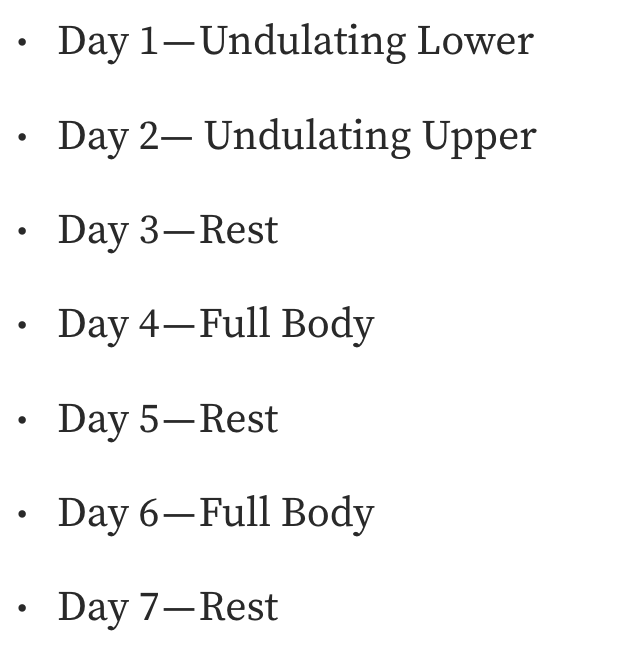
Credit: medium.com
Exercise Selection
Choosing the right exercises is key to a successful 6 day workout routine. It shapes your strength, muscle growth, and recovery. A balanced selection targets all major muscle groups and avoids overtraining. This section breaks down the types of exercises to include and how to use different equipment effectively.
Compound Movements
Compound movements work several muscles and joints at once. They build strength and burn more calories. Examples include squats, deadlifts, bench presses, and pull-ups. These exercises form the foundation of any workout plan. They improve overall fitness and boost muscle coordination.
Isolation Exercises
Isolation exercises focus on one muscle group. They help improve muscle shape and fix weak spots. Examples are bicep curls, tricep extensions, and leg curls. These moves complement compound exercises well. They allow precise muscle targeting and better control.
Incorporating Free Weights And Machines
Free weights offer natural movement and require balance. Dumbbells and barbells help build functional strength. Machines guide your motion, reducing injury risk. They are useful for beginners and rehabilitation. Mixing both types creates variety and prevents workout boredom.
Workout Intensity And Volume
Workout intensity and volume shape your 6 day workout routine’s effectiveness. They balance effort and recovery. Intensity means how hard you work. Volume is the total work done. Both influence muscle growth and strength gains. Planning these well prevents injury and burnout.
Sets And Reps For Muscle Growth
Muscle growth needs the right sets and reps. Aim for 3 to 5 sets per exercise. Keep reps between 6 and 12. This range triggers muscle hypertrophy effectively. Use moderate to heavy weights that challenge you by the last rep. Rest between sets for about 60 to 90 seconds.
Progressive Overload Techniques
Progressive overload pushes muscles to grow stronger. Increase weight gradually over time. Add more reps or sets to your routine. Change exercises to target muscles differently. Track progress to ensure steady improvement. Avoid sudden jumps in intensity to reduce injury risk.
Managing Fatigue And Recovery
Fatigue builds up with high intensity and volume. Proper recovery is key to avoid overtraining. Include rest days or active recovery in your week. Sleep well and eat nutritious food for muscle repair. Listen to your body and adjust workouts if needed. Recovery helps maintain consistent progress.
Nutrition For Muscle Gain
Nutrition plays a crucial role in your 6 day workout routine, especially when your goal is muscle gain. You can train hard every day, but without the right fuel, your muscles won’t grow as effectively. Understanding how to eat for muscle growth can make a big difference in your results.
Caloric Surplus Guidelines
Gaining muscle requires eating more calories than you burn. This is called a caloric surplus. But how much extra should you eat? Aim for about 250 to 500 calories above your daily maintenance level. This range helps you add muscle without excessive fat gain.
Tracking your calories might sound tedious, but it’s worth it. Use apps or food diaries to stay on target. Adjust your intake based on how your body responds — if you’re gaining too much fat, reduce calories slightly; if you’re not gaining muscle, increase them.
Macronutrient Breakdown
Your muscles need the right mix of protein, carbs, and fats to grow. Protein is the building block of muscle, so prioritize it. A good rule is to consume 1.6 to 2.2 grams of protein per kilogram of your body weight daily.
Carbohydrates provide energy for your workouts and recovery. Don’t cut them too low; about 45-55% of your daily calories should come from carbs. Healthy fats are also essential for hormone production — aim for 20-30% of your total calories from fats.
| Macronutrient | Recommended Intake |
|---|---|
| Protein | 1.6-2.2g per kg of body weight |
| Carbohydrates | 45-55% of total calories |
| Fats | 20-30% of total calories |
Meal Timing And Supplements
When you eat can be as important as what you eat. Try to have protein-rich meals every 3-4 hours to keep your muscles fueled. Many find it helpful to eat a balanced meal or snack before and after workouts for energy and recovery.
Supplements can help but don’t replace real food. Whey protein is convenient after workouts. Creatine can boost strength and muscle size over time. Ask yourself: are you prioritizing whole foods first, then adding supplements wisely?
Rest And Recovery Strategies
Rest and recovery are key parts of any 6 day workout routine. Without proper rest, muscles cannot rebuild and grow stronger. Recovery helps reduce fatigue and prevent injury. It also boosts your performance for the next workout session. Incorporating effective recovery strategies improves overall results and keeps you motivated.
Importance Of Sleep
Sleep plays a major role in muscle repair and growth. During deep sleep, the body releases growth hormones. These hormones help fix muscle tissue damaged during exercise. Aim for 7 to 9 hours of quality sleep every night. Poor sleep can slow recovery and increase injury risk. Create a calming bedtime routine to improve sleep quality.
Active Recovery Methods
Active recovery involves light exercise on rest days. This can include walking, stretching, or yoga. These activities help increase blood flow to muscles. Better circulation delivers oxygen and nutrients needed for repair. Active recovery also reduces muscle stiffness and soreness. Keep movements gentle and avoid heavy lifting on these days.
Avoiding Overtraining
Overtraining happens when workouts exceed the body’s ability to recover. It causes fatigue, poor performance, and risk of injury. Signs include persistent soreness, irritability, and trouble sleeping. To avoid overtraining, listen to your body’s signals. Schedule regular rest days and vary workout intensity. Balance hard sessions with easy ones to stay healthy.
Tracking Progress
Tracking progress is key to success in a 6 day workout routine. It helps you see improvements and stay motivated. Without tracking, it’s hard to know if your efforts are paying off. Small changes add up over time. Keeping records guides your training and pushes you to do better.
Recording Workouts
Write down each exercise, sets, and reps. Note the weights used and rest times. Use a notebook or a fitness app. Recording workouts makes it easy to follow your routine. It shows what you did and helps avoid repeating mistakes. Tracking your workouts also reveals patterns in your performance.
Measuring Muscle Growth
Track muscle size with simple tools like tape measures. Measure key areas such as arms, chest, and legs weekly. Take progress photos in consistent lighting and angles. Muscle growth takes time and steady effort. Seeing physical changes boosts confidence and keeps you focused.
Adjusting The Plan
Use your records and measurements to tweak workouts. Increase weights or reps as strength improves. Change exercises to target weak spots or avoid plateaus. Rest days may need adjusting based on recovery. A flexible plan keeps progress steady and reduces injury risk.

Credit: pcubefitness.com
Frequently Asked Questions
What Is The Best 6 Day Workout Routine For Beginners?
A balanced 6 day workout includes strength, cardio, and rest days. Focus on major muscle groups each day. Start with moderate weights and increase gradually to avoid injury.
How To Structure A 6 Day Workout For Muscle Gain?
Divide workouts by muscle groups: chest, back, legs, shoulders, arms, and core. Use heavier weights with lower reps. Include rest and proper nutrition for optimal muscle growth.
Can A 6 Day Workout Routine Help With Fat Loss?
Yes, combining strength training and cardio in a 6 day plan boosts metabolism. Consistent workouts with a calorie deficit aid effective fat loss over time.
How Important Are Rest Days In A 6 Day Workout Plan?
Rest days are crucial for muscle recovery and injury prevention. Even with 6 workout days, include active rest or light activities to help your body heal.
Conclusion
Sticking to a 6 day workout routine builds strength and endurance fast. Rest days help your muscles heal and grow. Consistency is key for real progress over time. Adjust the plan to fit your goals and energy. Enjoy the process and celebrate small wins often.
This routine can fit many lifestyles and fitness levels. Keep moving, stay motivated, and watch your body change. Simple steps lead to lasting results.







