
Are you struggling to lose weight and wondering if your Blue Cross Blue Shield plan can help cover the cost of weight loss medication? Finding the right support can feel overwhelming, especially when it comes to understanding insurance benefits.
This article will guide you through what weight loss medications are covered by Blue Cross Blue Shield, so you can make informed decisions about your health without worrying about unexpected expenses. Keep reading to discover how you can get the help you need to reach your weight loss goals.
Coverage Basics
Understanding how Blue Cross Blue Shield covers weight loss medication can help you make informed decisions about your treatment options. Knowing the basics of coverage sheds light on what you can expect in terms of eligibility, prescriptions, and any limits that apply. This knowledge empowers you to navigate your health plan confidently and avoid unexpected costs.
Eligibility Criteria
Blue Cross Blue Shield usually requires you to meet specific health conditions before approving weight loss medication coverage.
This often includes having a body mass index (BMI) above a certain level, typically 30 or higher, or 27 if you have related health issues like diabetes or high blood pressure.
Have you checked your plan details to see if you qualify? Knowing your eligibility can save time and effort when seeking treatment.
Prescription Requirements
You can’t just pick up weight loss medication over the counter and expect it to be covered.
Blue Cross Blue Shield generally requires a prescription from a licensed healthcare provider. This ensures the medication is appropriate for your health status.
Keep in mind that your doctor might need to provide documentation showing that other weight loss methods, like diet and exercise, were tried first.
Coverage Limits
Even if you qualify and get a prescription, there might be limits to how much medication Blue Cross Blue Shield will cover.
These limits can include a maximum number of months per year or a cap on the total cost covered.
Have you reviewed your policy’s fine print on coverage limits? Understanding these restrictions helps you plan your treatment without surprises.

Credit: www.youtube.com
Popular Medications Covered
Weight loss medications offer support for those struggling to shed pounds. Blue Cross Blue Shield covers several popular options that can aid your journey. These medications work in different ways to help you achieve your goals. Below, we explore some of the top medications covered by this insurance.
Phentermine
Phentermine suppresses appetite by affecting the central nervous system. It is often prescribed for short-term use. Patients may experience increased energy and reduced hunger. This medication helps kickstart weight loss efforts.
Liraglutide
Liraglutide mimics a hormone that regulates appetite. It is injected daily to help decrease hunger and control cravings. Liraglutide is often used for long-term weight management. It can also improve blood sugar control in patients with diabetes.
Orlistat
Orlistat works by blocking fat absorption in the intestines. It is taken with meals to prevent the body from absorbing some dietary fats. This helps reduce calorie intake and aids weight loss. Orlistat is available over the counter and by prescription.
Semaglutide
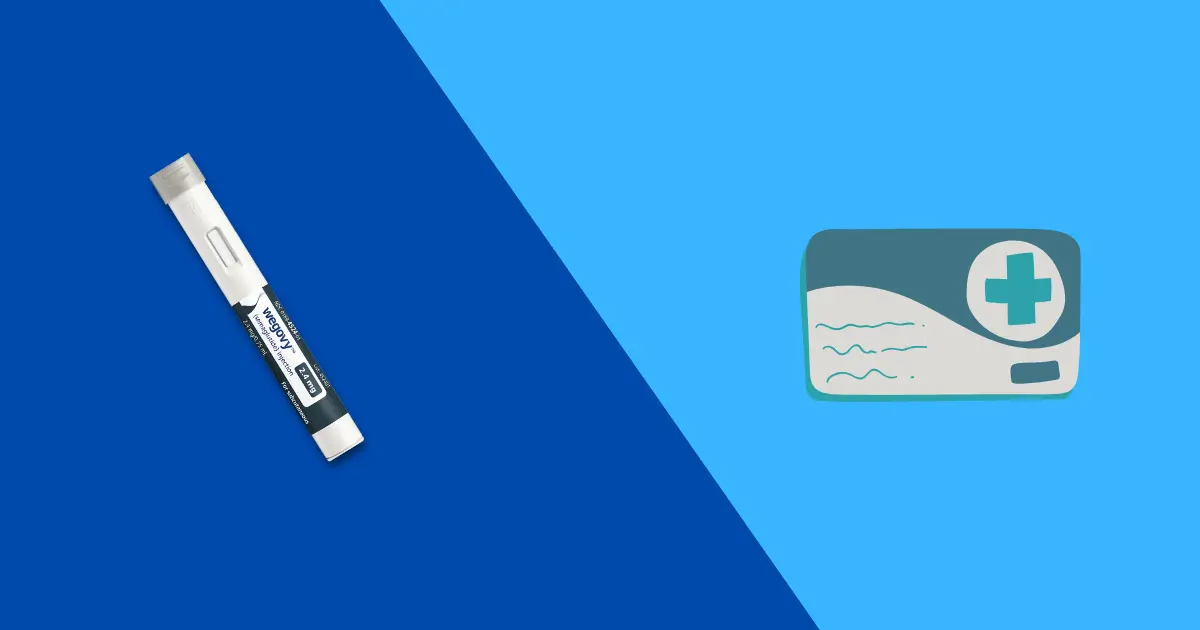
Semaglutide is a weekly injection that reduces appetite. It helps control food intake and supports long-term weight loss. Patients using Semaglutide often see significant results. This medication also benefits those with type 2 diabetes.
How To Get Coverage
Getting coverage for weight loss medication through Blue Cross Blue Shield can feel like navigating a maze. Understanding how to work with your healthcare provider, manage paperwork, and respond to insurance decisions is key. This section breaks down what you need to know to increase your chances of approval and keep your journey on track.
Doctor’s Role
Your doctor is your main ally in securing coverage for weight loss medication. They must provide detailed medical documentation that shows the medication is necessary for your health.
Doctors often need to demonstrate that other weight loss methods have been tried and didn’t work. This proof helps your insurer understand why medication is the right step for you.
Ask your doctor to clearly explain your medical history and any related conditions. This clarity makes it easier for Blue Cross Blue Shield to approve your request.
Prior Authorization
Prior authorization is a common requirement before your insurance covers weight loss drugs. This means you or your doctor must get approval from Blue Cross Blue Shield beforehand.
To handle this, your doctor usually submits a form explaining why the medication is necessary. You should follow up regularly to check the status and provide any extra info they ask for.
Missing details or delays can cause denials. Being proactive and organized can speed up approval and prevent unnecessary stress.
Appealing Denials
If your coverage request is denied, don’t give up. You have the right to appeal the decision and often succeed with the right approach.
Start by reviewing the denial letter carefully. It will tell you why your request was turned down and what evidence you need to provide.
Gather additional medical records or letters from your doctor to support your case. Persistence here can make a big difference—have you considered how a detailed appeal could change your outcome?

Credit: www.youtube.com
Costs And Savings
Understanding the costs involved with weight loss medications covered by Blue Cross Blue Shield can make a big difference in your budgeting and treatment plan. Knowing where you can save and what expenses to expect helps you make smarter choices. Let’s break down the key areas that affect your out-of-pocket spending and potential savings.
Co-pays And Deductibles
Your co-pay is the fixed amount you pay each time you fill a prescription, while the deductible is what you pay before insurance starts to cover costs. These amounts vary based on your specific Blue Cross Blue Shield plan. Sometimes, weight loss medications fall under higher tiers, meaning your co-pays might be more than for other prescriptions.
Have you checked your plan’s formulary? It often lists co-pays for each drug, which can help you avoid surprises. Also, if you haven’t met your deductible yet, your medication costs might be fully out-of-pocket until it’s reached.
Generic Vs Brand
Generic weight loss medications usually cost less than brand-name versions. Blue Cross Blue Shield often covers generics with lower co-pays or coinsurance. However, some newer or specialized medications might only be available as brand-name drugs, which can be pricier.
Ask your doctor if a generic alternative exists for your prescription. Even a small price difference per refill can add up significantly over time. Are you willing to try a generic if it means saving money without sacrificing effectiveness?
Discount Programs
Blue Cross Blue Shield sometimes partners with discount programs that reduce your medication costs further. These programs might offer savings cards or special pricing at certain pharmacies. Checking if your weight loss medication qualifies can lead to unexpected discounts.
Besides insurance discounts, look for manufacturer coupons or patient assistance programs. These can make a big difference, especially if your medication is expensive. Have you explored all available discount options to lower your costs?
Alternatives And Supplements
Exploring alternatives and supplements to weight loss medication can offer valuable support on your health journey. These options often focus on holistic approaches that improve overall well-being. They complement medical treatments or serve as standalone strategies for weight management.
Non-medication Options
Several effective non-medication choices exist for weight loss. These include natural supplements like fiber, green tea extract, and protein powders. Such supplements may boost metabolism and reduce appetite. Always consult a healthcare provider before starting any supplement to ensure safety and effectiveness.
Lifestyle Changes
Simple lifestyle changes often lead to lasting weight loss results. Eating balanced meals rich in vegetables, fruits, and whole grains helps control hunger. Regular physical activity, such as walking or cycling, burns calories and improves health. Sleep quality also plays a role in weight control by regulating hormones.
Support Programs
Support programs offer guidance and motivation during weight loss efforts. These programs may include group meetings, online communities, or one-on-one coaching. They provide accountability and share practical tips for healthy habits. Joining a support program can increase the chances of success and maintain long-term progress.
Credit: www.nicerx.com
Frequently Asked Questions
What Weight Loss Medications Does Blue Cross Blue Shield Cover?
Blue Cross Blue Shield covers several FDA-approved weight loss drugs. Coverage varies by plan and state. Commonly covered medications include phentermine, liraglutide, and orlistat. Always check your specific policy for details and prior authorization requirements.
How Can I Get Weight Loss Drugs Approved By Blue Cross Blue Shield?
To get approval, your doctor must submit a prior authorization request. This usually requires proof of medical necessity and documentation of weight loss attempts. Approval depends on your plan’s coverage and medical guidelines.
Are Weight Loss Medications Fully Covered By Blue Cross Blue Shield?
Coverage levels vary; some medications may require copays or coinsurance. Not all weight loss drugs are fully covered. Review your plan’s formulary and benefits to understand your out-of-pocket costs.
Does Blue Cross Blue Shield Cover Weight Loss Surgery Alternatives?
Yes, Blue Cross Blue Shield often covers FDA-approved medications as alternatives to surgery. Coverage depends on your plan and medical criteria. These medications are part of a comprehensive weight management approach.
Conclusion
Blue Cross Blue Shield often covers some weight loss medications. Coverage depends on your plan and doctor’s advice. Always check with your insurance before starting any medicine. These drugs can support your weight loss journey safely. Combine medication with healthy eating and regular exercise.
Small steps lead to better health and lasting results. Stay informed and work closely with your healthcare provider. Your health matters most—choose what fits your needs best.







