
Have you ever wondered what exactly is inside your can of Diet Coke? If you’re watching your calories or keeping an eye on your sugar intake, knowing the nutritional content of your favorite drink is key.
This article will break down everything you need to know about Diet Coke’s ingredients and nutrition facts. By the end, you’ll have a clear picture of how this popular soda fits into your diet—and whether it’s the right choice for your health goals.
Keep reading to uncover the facts that can help you make smarter, more informed decisions every time you reach for a cold Diet Coke.
Credit: www.sobeys.com
Calories And Sweeteners
Diet Coke offers a unique taste with very few calories. Its nutritional makeup focuses on keeping sugar and calorie intake low. The drink uses special sweeteners to deliver flavor without adding extra calories. Understanding its calorie count and sweeteners helps make informed choices.
Calorie Count Per Serving
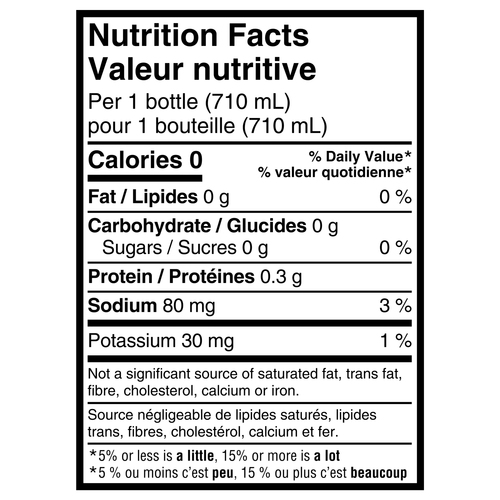
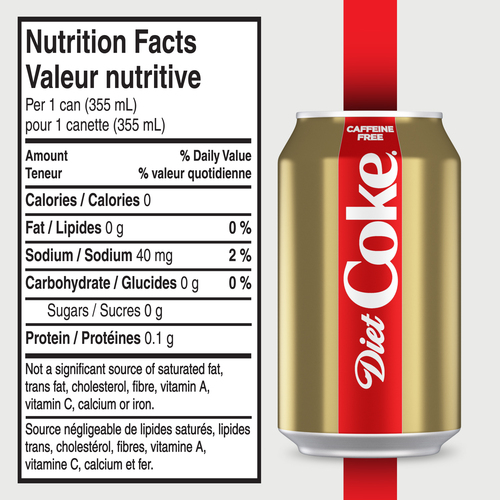
A standard can of Diet Coke contains almost zero calories. Specifically, it has less than 1 calorie per 12-ounce serving. This low calorie count makes it a popular choice for those watching their weight. You can enjoy the fizzy taste without worrying about calorie intake.
Artificial Sweeteners Used
Diet Coke uses artificial sweeteners instead of sugar. These sweeteners provide a sweet flavor with minimal calories. The main sweeteners include:
- Aspartame – a common low-calorie sweetener used worldwide.
- Acesulfame potassium (Ace-K) – often combined with aspartame for better taste.
These ingredients help keep Diet Coke sweet without the added sugars found in regular soda. They are FDA-approved and considered safe for most people.
Sodium And Additives
Sodium and additives in Diet Coke often raise questions for those watching their health. Understanding what goes into this popular beverage can help you make better choices. Let’s break down the sodium content and the common additives you might not realize are part of your drink.
Sodium Levels In Diet Coke
Diet Coke contains a small amount of sodium, usually around 40 milligrams per 12-ounce can. This is about 2% of the recommended daily limit for most adults. While it’s not a high number, if you drink multiple cans a day, the sodium can add up quickly.
Have you ever checked the sodium content on your soda can before? It’s easy to overlook, but important if you’re managing your salt intake. Compared to other sodas, Diet Coke is on the lower side, but every bit counts for your overall diet.
Common Additives Explained
Diet Coke includes several additives to maintain its taste and shelf life. These additives might sound complicated, but they each have a clear purpose:
- Aspartame:A low-calorie sweetener that gives Diet Coke its sweetness without sugar.
- Phosphoric Acid:Adds a tangy flavor and helps preserve the drink.
- Caffeine:Provides the familiar energy boost many enjoy.
- Citric Acid:Enhances flavor and acts as a preservative.
Some people worry about aspartame and its effects. Have you noticed how your body reacts after drinking Diet Coke? Paying attention to these details can guide your decisions about how often to enjoy this beverage.
Caffeine Content
Caffeine is a key ingredient in Diet Coke. It provides a mild boost of energy and alertness. Knowing the caffeine content helps manage daily intake. Many people watch their caffeine for health and sleep reasons.
Caffeine Amount In Each Can
A standard 12-ounce (355 ml) can of Diet Coke contains about 46 milligrams of caffeine. This amount is less than a typical cup of coffee, which usually has 95 milligrams or more. The caffeine content in Diet Coke gives a moderate energy lift without being too strong.
Effects Of Caffeine Intake
Caffeine stimulates the central nervous system. It can improve focus and reduce tiredness. Some people feel more awake and alert after drinking caffeinated drinks.
Too much caffeine may cause jitteriness, headaches, or trouble sleeping. Sensitivity to caffeine varies from person to person. It is best to consume it in moderation to avoid side effects.
Credit: www.sobeys.com
Vitamins And Minerals
When you think of Diet Coke, vitamins and minerals might not be the first things that come to mind. You might even be curious if a zero-calorie drink can offer any nutritional value in this department. Let’s dive into the specifics and explore what Diet Coke brings to the table in terms of vitamins and minerals.
Presence Of Nutrients
Diet Coke is known for its refreshing taste, but what about its nutritional content? In terms of vitamins and minerals, Diet Coke doesn’t really pack a punch. It primarily consists of carbonated water, artificial sweeteners, and flavoring, with little to no significant vitamins or minerals.
If you’re looking for a vitamin boost, Diet Coke might not be your go-to choice. It doesn’t contain essential nutrients like Vitamin C, calcium, or iron. However, it’s still a popular choice for those seeking a calorie-free beverage.
Impact On Daily Intake
How does this lack of vitamins and minerals affect your daily intake? Since Diet Coke doesn’t contribute much in terms of essential nutrients, it’s important to ensure you’re getting them from other sources. Balancing your diet with fruits, vegetables, and whole grains can help fill in the gaps.
Consider your overall dietary habits. If you rely heavily on drinks like Diet Coke, you might miss out on important vitamins and minerals. Are you getting enough nutrients from other foods? It’s worth thinking about your nutritional balance to maintain a healthy lifestyle.
Sugar Comparison
Sugar content plays a big role in choosing a soft drink. It affects taste and health. Comparing Diet Coke and Regular Coke helps understand these differences. This section explains how much sugar each drink contains and what it means for your body.
Diet Coke Vs Regular Coke
| Drink | Sugar Content (per 12 oz) | Calories |
|---|---|---|
| Diet Coke | 0 grams | 0 |
| Regular Coke | 39 grams | 140 |
Diet Coke contains no sugar or calories. Regular Coke has 39 grams of sugar in a 12-ounce can. This is about 10 teaspoons of sugar. The difference is clear and important for health.
Health Implications Of Sugar
High sugar intake links to weight gain and diabetes risk. Excess sugar can cause tooth decay and energy crashes. Diet Coke avoids these issues by using artificial sweeteners. These sweeteners add sweetness without calories or sugar.
People watching their sugar intake often choose Diet Coke. It helps reduce daily sugar and calorie consumption. But some worry about long-term effects of artificial sweeteners. Moderation is key for any drink choice.
Artificial Sweeteners And Health
Artificial sweeteners are a key part of Diet Coke’s appeal, offering sweetness without the calories. But how do these sweeteners affect your health? Understanding the types and potential risks can help you make better choices about what you drink daily.
Types Of Sweeteners Used
Diet Coke primarily uses a blend of artificial sweeteners to mimic sugar’s taste. The most common ones include:
- Aspartame:Widely used in many diet sodas, it’s about 200 times sweeter than sugar.
- Acesulfame Potassium (Ace-K):Often combined with aspartame to enhance sweetness without extra calories.
- Sucralose:Found in some variations, it’s known for its stability under heat and sweetness lasting longer.
Each of these sweeteners has a unique chemical profile but shares the goal of reducing calorie intake while keeping the flavor enjoyable.
Potential Health Concerns
You might wonder if these artificial sweeteners are safe to consume regularly. Some studies suggest links between excessive intake and issues like headaches, digestive problems, or even changes in gut bacteria.
However, regulatory agencies like the FDA consider these sweeteners safe within established daily limits. The question is, how much is too much for your body? Listening to how your body reacts and balancing intake with natural foods can make a difference.
Have you ever noticed any changes after drinking diet sodas? Paying attention to your body’s signals can guide your choices better than any label can.
Diet Coke And Weight Management
Diet Coke is a popular choice for many people watching their weight. It contains no sugar and almost no calories. This makes it a common beverage for those aiming to manage their calorie intake. Understanding its role in weight management can help make smarter diet choices.
Role In Calorie Control
Diet Coke has zero calories, which means it does not add to daily calorie intake. Drinking it instead of sugary sodas can reduce total calories consumed. This helps in creating a calorie deficit needed for weight loss. It can also satisfy cravings for a fizzy drink without extra calories. However, it is important to balance Diet Coke with a healthy diet and exercise.
Studies On Weight Impact
Research on Diet Coke and weight shows mixed results. Some studies suggest it helps with weight loss by lowering calorie intake. Others indicate it might not directly lead to weight loss. Some people may compensate by eating more later. Overall, Diet Coke can be part of a weight management plan but not a sole solution.
Labeling And Serving Size
Diet Coke’s label shows its nutritional facts clearly. Each serving size helps track calories, sugars, and caffeine easily. This makes it simple to understand what you consume per drink.
Understanding the nutritional content of your favorite beverages can help you make more informed choices, and Diet Coke is no exception. When you glance at the packaging of a Diet Coke, you’ll notice detailed information on labeling and serving size. These details are essential for anyone trying to keep track of their nutritional intake, whether you’re sipping on a can during lunch or enjoying a bottle at the park.Understanding Nutrition Labels
Nutrition labels are like a roadmap to your food’s nutritional value. They provide key information about calories, carbohydrates, and other nutrients. For Diet Coke, the label highlights its low-calorie nature with zero sugars, making it a popular choice for those watching their calorie intake. Reading these labels can sometimes feel overwhelming, but focusing on key elements like calories and sodium can simplify the process. Remember to also check for any allergens or additional ingredients if you have specific dietary needs.Standard Serving Sizes
Standard serving sizes help you understand how much of a product you’re consuming. For Diet Coke, the typical serving size is one can (12 ounces). But have you ever wondered if your consumption matches these standard servings? Whether you’re sharing a bottle with friends or enjoying a larger serving at the movies, it’s crucial to adjust your intake accordingly. This awareness helps maintain a balanced diet and ensures you’re not accidentally consuming more than you intend. So next time you grab a Diet Coke, take a moment to reflect on the serving size. Are you sticking to the recommended amount?Myths Vs Facts
Diet Coke often faces many rumors about its nutritional content. Some beliefs about it are not true. Understanding the facts helps make better choices. Let’s explore myths and truths about Diet Coke’s nutrition.
Common Misconceptions
- Diet Coke causes weight gain because of artificial sweeteners.
- It contains harmful chemicals that damage health.
- Diet Coke has as many calories as regular soda.
- Drinking Diet Coke causes sugar spikes like regular soda.
- Artificial sweeteners in Diet Coke are unsafe for daily use.
Scientific Findings
- Diet Coke contains zero calories and no sugar.
- Artificial sweeteners used are approved by health authorities.
- Studies show no direct link between Diet Coke and weight gain.
- Diet Coke does not raise blood sugar levels like sugary drinks.
- Moderate consumption is generally safe for most people.

Credit: www.cub.com
Frequently Asked Questions
What Is The Calorie Content In Diet Coke?
Diet Coke contains zero calories per 12-ounce serving. It is sweetened with artificial sweeteners, making it calorie-free. This makes it a popular choice for those managing calorie intake.
Does Diet Coke Contain Sugar Or Carbs?
Diet Coke has zero grams of sugar and carbohydrates. It uses aspartame and acesulfame potassium as sweeteners instead of sugar. This makes it suitable for low-carb and sugar-free diets.
What Vitamins Or Minerals Are In Diet Coke?
Diet Coke does not provide significant vitamins or minerals. It mainly contains carbonated water, caramel color, and caffeine. It is not a source of essential nutrients.
How Much Caffeine Is In A Can Of Diet Coke?
A 12-ounce can of Diet Coke contains about 46 milligrams of caffeine. This is less than a typical cup of coffee. It offers a moderate caffeine boost without sugar.
Conclusion
Diet Coke has very few calories and no sugar. It contains caffeine, so drink it with care. The drink offers a light, fizzy taste without added sugars. People choose it to enjoy soda without extra calories. Knowing its nutritional facts helps make smart choices.
Balance it with water and healthy foods daily. Keep in mind, moderation is key for any drink. Diet Coke can fit into some diets but not all. Always check labels to match your health needs.







