
Are you looking for a simple way to boost your weight loss efforts? A pedometer might be the secret tool you’ve been missing.
By tracking your steps, it helps you stay active and motivated throughout the day. Imagine turning everyday movements into real progress toward your weight goals. Keep reading to discover how a pedometer can transform your routine and make losing weight easier than you ever thought possible.

Credit: www.amazon.ca
How Pedometers Track Activity
Pedometers are simple yet powerful tools that help you keep track of your daily physical activity. They work by counting the steps you take, giving you a clear number to measure how active you are throughout the day. Understanding how pedometers track activity can motivate you to move more and stay on top of your weight loss journey.
Types Of Pedometers
Pedometers come in different types, each with its own way of tracking your movement.
- Mechanical Pedometers:These use a spring mechanism to count steps. They are affordable but can be less accurate if not worn correctly.
- Electronic Pedometers:These use sensors like accelerometers to detect motion. They are more precise and can track intensity and duration of activity.
- Wearable Fitness Trackers:These advanced devices combine pedometers with heart rate monitors and GPS. They provide detailed data and often sync with apps for deeper insights.
Choosing the right type depends on your budget and how detailed you want your activity tracking to be.
Accuracy Factors
The accuracy of your pedometer can vary based on several factors. How you wear it matters a lot—placing it on your waist, wrist, or pocket can change the step count.
Different walking speeds and types of movement also affect results. For example, slow walking or pushing a shopping cart might not register all steps.
Battery life and sensor quality play a role too. Cheaper models might lose accuracy as the battery drains, so keep an eye on your device’s condition.
Integration With Smartphones
Many pedometers now connect seamlessly with your smartphone. This integration allows you to view detailed activity stats, set goals, and track progress over time.
Apps can also provide reminders to move if you’ve been inactive for a while, helping you stay motivated. Syncing data to your phone means you don’t have to manually check your pedometer all day.
Have you noticed how a quick glance at your app can push you to take those extra steps? This instant feedback makes a real difference in staying active.
Steps And Calorie Burn
Tracking steps with a pedometer helps understand how walking affects calorie burn. Every step contributes to the total calories burned throughout the day. Knowing the relationship between steps and calories can guide weight loss efforts. Small changes in walking habits can increase calorie burn significantly.
Calories Burned Per Step
Each step burns a small number of calories. The exact amount depends on body weight and walking conditions. On average, one step burns about 0.04 to 0.06 calories. This means 1,000 steps burn roughly 40 to 60 calories. Tracking steps helps estimate daily calorie burn easily.
Impact Of Walking Pace
Walking faster increases calorie burn per step. A brisk pace engages muscles more and raises heart rate. Slow walking burns fewer calories but still adds up over time. Changing pace during the day can boost overall calorie burn. Pace affects how hard the body works with every step taken.
Role Of Step Intensity
Step intensity means how forcefully you walk or run. High-intensity steps burn more calories than gentle steps. Walking uphill or on rough terrain increases step intensity. Adding short bursts of faster steps raises calorie burn. Step intensity helps make walking a better workout for weight loss.
Setting Realistic Step Goals
Setting realistic step goals helps maintain motivation and avoid burnout. Small, achievable targets encourage consistent walking and support gradual weight loss. Tracking progress with a pedometer makes it easier to stay focused and celebrate success.
Setting Realistic Step Goals Setting realistic step goals is crucial when using a pedometer for weight loss. It’s easy to get caught up in the excitement and set ambitious targets, but starting with achievable goals ensures long-term success. A well-thought-out plan keeps you motivated and helps you gradually increase your activity level.Starting Point For Beginners
If you’re new to using a pedometer, start by understanding your current activity level. Spend a week tracking your steps without changing your routine. This baseline helps you set a practical initial goal, like increasing your daily steps by 1,000. Begin with small, incremental changes. Instead of drastic shifts, think about activities you already do. Can you park a bit further from the store or take the stairs instead of the elevator?Progressive Step Targets
Once comfortable with your starting point, it’s time to challenge yourself. Increase your step count gradually, aiming for an additional 500 to 1,000 steps every week. This steady progression prevents burnout and reduces the risk of injury. Consider setting weekly targets. For instance, aim for 7,000 steps per day one week, then 8,000 the next. Tracking these milestones in a journal or app can enhance your motivation.Tailoring Goals To Fitness Levels
Your fitness level plays a significant role in determining step goals. If you’re more active, you might set higher targets from the beginning, like 10,000 steps daily. Conversely, if you have health concerns, consult a healthcare professional to set a safe target. Adjust goals based on your body’s feedback. If you feel exhausted or experience pain, it might be time to reassess your targets. The key is to find a balance that challenges yet respects your body’s limits. By setting realistic step goals, you pave the way for sustainable weight loss. What step will you take today to move closer to your fitness goals?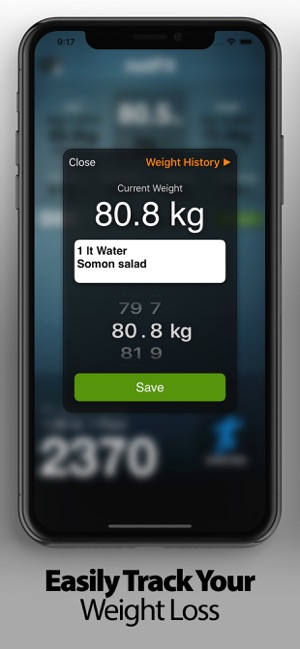
Credit: apps.apple.com
Walking Strategies For Fat Loss
Walking is more than just putting one foot in front of the other; it can be a powerful tool for fat loss when done strategically. Simple changes in how you walk can boost calorie burn and help you shed pounds faster. The key lies in adding variety and challenge to your walking routine to keep your body guessing and working harder.
Interval Walking
Try alternating between fast-paced walking and a slower pace. For example, walk briskly for one minute, then slow down for two minutes, and repeat. This approach pushes your heart rate up during fast intervals, increasing fat burn even after you stop walking.
Interval walking keeps your routine exciting and prevents boredom. Have you noticed how quick bursts of speed make you feel more energized? That’s your metabolism getting a boost.
Incorporating Hills And Stairs
Adding hills or stairs to your walking path challenges your muscles differently. When you walk uphill or climb stairs, your body works harder, which means more calories burned.
If you don’t have natural hills nearby, use stairs at home or work. Even a few flights can turn a simple walk into a fat-burning session. Think about your daily route—can you add a small hill or staircase?
Combining Walking With Strength Training
Walking alone is great, but mixing it with strength exercises can accelerate fat loss. After a walk, spend 10 minutes doing bodyweight exercises like squats, lunges, or push-ups.
This combo builds muscle, and muscle helps burn more calories at rest. Have you tried doing walking breaks between strength sets? It keeps your heart rate up and balances cardio with muscle work.
Tracking Progress And Staying Motivated
Tracking your progress is a key part of losing weight with a pedometer. It helps you see how far you’ve come and keeps you focused on your goals. Staying motivated can be tough, but having clear data and small wins to celebrate can make all the difference.
Using Apps And Wearables
Apps and wearables make tracking your steps and calories easy and fun. They give real-time feedback and show detailed trends over days and weeks. Many apps even let you set daily step goals and send reminders to keep you moving.
Think about how much more motivated you might feel if you could see exactly how many steps you took today compared to yesterday. Some devices also connect with friends, turning your walk into a friendly competition. This social feature can push you to walk just a bit more every day.
Reward Systems
Rewarding yourself for meeting step goals can boost your motivation. It doesn’t have to be big—something like a relaxing bath or a favorite healthy snack works well. The key is to link your success with positive feelings.
Try setting small milestones, such as 5,000 steps a day for a week, and then treat yourself. This keeps your journey enjoyable and helps you build healthy habits without feeling deprived. What kind of rewards would inspire you to keep going?
Overcoming Plateaus
Hitting a weight loss plateau can be frustrating, but it’s a normal part of the process. If your step count stays the same and your weight stalls, try changing your routine. Adding brisk walking or short bursts of faster steps can increase calorie burn.
Also, use your pedometer data to spot patterns. Are you walking less on certain days? Adjust your schedule to add more movement during those times. Staying aware and flexible helps you push past plateaus and keeps your progress steady.
Credit: appadvice.com
Common Mistakes To Avoid
Using a pedometer can be a powerful tool for weight loss, but there are common mistakes that can slow your progress or even lead you astray. Avoiding these pitfalls will help you make the most of your efforts and see real results. Let’s look at some key mistakes to watch out for.
Relying Solely On Step Count
Tracking your steps is motivating, but it’s not the whole story. Weight loss depends on burning more calories than you consume, and steps alone don’t guarantee that.
For instance, you might hit 10,000 steps but still eat more calories than you burn. This creates a calorie surplus, making weight loss impossible.
Ask yourself: Are your steps translating into real calorie burn, or are they just numbers on a screen? Use your step count as a guide, not the finish line.
Ignoring Nutrition
Many people focus on increasing activity but overlook what they eat. You can walk miles daily, but if your diet is high in processed foods and sugar, weight loss will stall.
Remember, food fuels your body. Without paying attention to quality and portion sizes, your pedometer won’t be enough to tip the scale in your favor.
Try simple changes like adding more vegetables or cutting back on sugary drinks. Small adjustments in your diet can boost the effectiveness of your walking routine.
Overtraining Risks
Walking more can be great, but pushing too hard too fast can lead to injury or burnout. I once increased my step goal drastically and ended up with sore joints that forced me to stop.
Listen to your body and build up gradually. Overtraining can cause setbacks that slow your progress more than a rest day ever would.
Balance activity with recovery. Could you be doing more harm than good by trying to hit an unrealistic daily step goal?
Frequently Asked Questions
How Does A Pedometer Help With Weight Loss?
A pedometer tracks your daily steps, encouraging more movement. Increased steps boost calorie burn, aiding weight loss. It motivates consistency and helps set achievable fitness goals for better results.
What Is The Ideal Daily Step Count For Weight Loss?
Aim for 10,000 steps daily to support weight loss. This level promotes calorie burning and improves overall fitness. Adjust based on your current activity and health condition.
Can Using A Pedometer Improve Exercise Motivation?
Yes, pedometers provide real-time feedback, motivating you to move more. Tracking progress creates a sense of achievement, encouraging regular exercise. This motivation is key to sustained weight loss.
Are Pedometers Accurate For Tracking Physical Activity?
Pedometers are generally accurate for counting steps but less so for other activities. They offer a good estimate of movement, helping monitor daily activity levels effectively.
Conclusion
Tracking steps with a pedometer helps you stay active every day. Small walks add up and burn calories over time. Watching your progress keeps you motivated to move more. Consistency matters most for losing weight and feeling better. Choose a pedometer that fits your lifestyle and goals.
Step by step, you can improve your health and reach your targets. Simple changes can make a big difference in weight loss. Keep going, stay steady, and enjoy the journey.







