
If you’re serious about losing weight, what you eat matters more than you might think. Fruits are often seen as healthy snacks, but not all of them help you shed pounds.
Some fruits can actually slow down your progress or even add unwanted calories. Want to know which ones to skip? Keep reading to discover the 5 fruits you should avoid if you want to reach your weight loss goals faster.
This simple change could make a big difference in your journey.

Credit: www.freepik.com
Fruits And Sugar Content
Understanding the sugar content in fruits is essential when you’re aiming to lose weight. Fruits naturally contain sugars, but the amount and type can vary widely. Knowing which fruits have higher sugar levels can help you make smarter choices without feeling deprived.
Natural Sugars In Fruits
Fruits contain natural sugars like fructose, glucose, and sucrose. These sugars provide quick energy, but some fruits pack more sugar than others. For example, grapes and mangoes have much higher sugar content compared to berries or green apples.
Here’s a quick look at sugar content in common fruits (per 100g):
| Fruit | Sugar Content (g) |
|---|---|
| Mango | 14 |
| Grapes | 16 |
| Banana | 12 |
| Strawberries | 4.9 |
| Green Apple | 10 |
Does seeing these numbers change how you view your fruit choices?
Impact On Weight Loss
Even natural sugars can add up and stall your weight loss if you’re not careful. Your body processes all sugar similarly, turning excess into fat if you consume more than you burn. This means eating high-sugar fruits in large amounts can work against your goals.
That said, fruits with higher fiber content, like berries, slow down sugar absorption. This helps keep your blood sugar levels stable and reduces cravings. Choosing fruits low in sugar but high in fiber can make a significant difference.
Think about your daily fruit intake: Are you choosing options that fuel your weight loss or ones that might be holding you back?
Mangoes
Mangoes are often called the “king of fruits” because of their sweet taste and vibrant color. They are delicious and refreshing, making them a favorite snack for many. However, if you are trying to lose weight, mangoes might not be the best choice for you.
High Sugar Levels
Mangoes contain a high amount of natural sugars compared to many other fruits. A single cup of sliced mango can have about 23 grams of sugar. This is quite significant if you’re watching your daily sugar intake.
Eating mangoes in large amounts can quickly add up your calorie count without providing much fiber or protein to keep you full. Have you noticed how sugary fruits sometimes leave you craving more? That’s because the sugar content can spike your appetite instead of curbing it.
Effects On Blood Sugar
The high sugar content in mangoes can cause a rapid increase in blood sugar levels. This spike may lead to energy crashes, making you feel tired or hungry soon after eating. If you have insulin resistance or diabetes, mangoes can be particularly challenging to manage.
Even if you don’t have blood sugar issues, frequent blood sugar spikes can affect your weight loss goals. You might feel tempted to eat more because your body is trying to balance out the sugar rush. Would you prefer a fruit that helps keep your blood sugar stable instead?
Grapes
Grapes are often seen as a healthy snack, but they can be tricky for anyone trying to lose weight. Their small size and natural sweetness make it easy to eat a lot without realizing how much sugar and calories you’re consuming. If you’re watching your weight, it’s important to understand what makes grapes less ideal compared to other fruits.
Concentrated Sugars
Grapes contain a high amount of natural sugar, mainly fructose. Unlike larger fruits with more fiber and water, grapes pack their sugar into a tiny space, which means you can quickly consume a lot of sugar without feeling full.
This concentrated sugar can cause your blood sugar levels to spike, leading to increased hunger and cravings later on. Have you ever noticed how eating a handful of grapes leaves you wanting more sweets?
Being aware of this sugar load is crucial if you want to avoid sabotaging your weight loss efforts.
Portion Control Tips
Controlling your grape portions can make a big difference. Instead of eating straight from the bunch, try these tips:
- Measure out about 15-20 grapes per serving to keep sugar intake moderate.
- Pair grapes with a protein or healthy fat, like a handful of nuts, to slow sugar absorption.
- Avoid snacking on grapes mindlessly—sit down and enjoy them deliberately.
Have you thought about how your portion size affects your overall fruit intake? Managing this can help you enjoy grapes without undermining your weight loss goals.
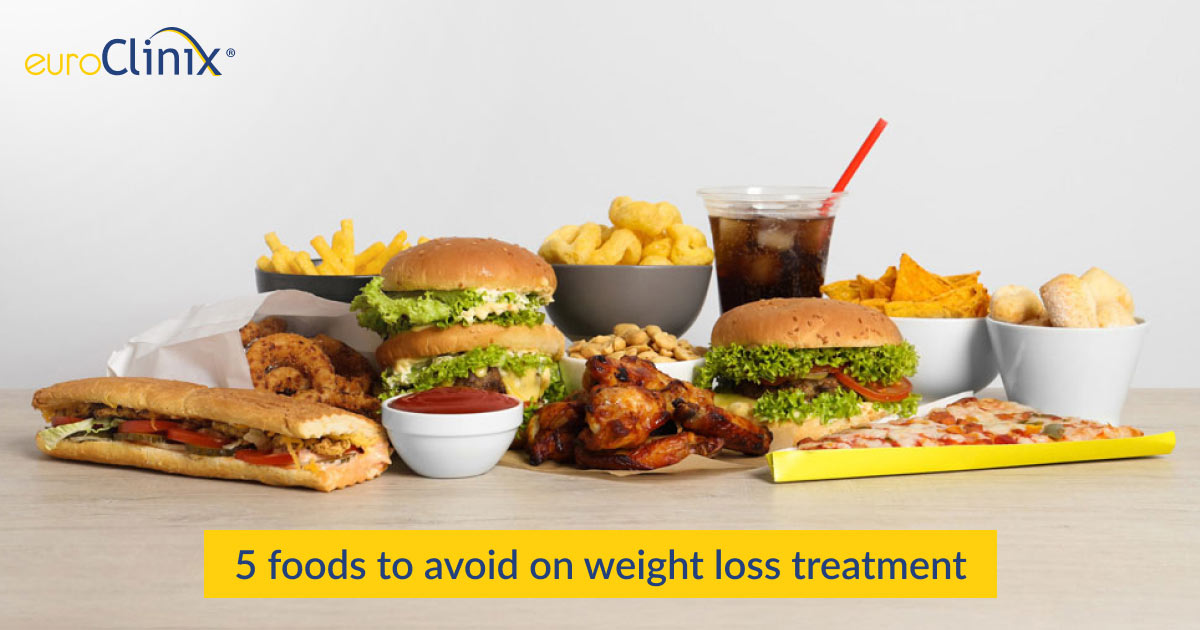
Credit: www.euroclinix.net
Cherries
Cherries contain natural sugars that can add extra calories to your diet. Eating them in large amounts might slow down weight loss efforts. Choose lower-sugar fruits instead for better results.
Cherries are delicious and packed with nutrients. They are a popular summer fruit enjoyed by many. Yet, they might not be the best choice for weight loss. Let’s explore why.Sugar Density
Cherries have a high sugar content. A single cup can contain about 18 grams of sugar. This makes them less suitable for those aiming to lose weight. Consuming cherries in large amounts can add extra calories to your diet. Their natural sugars can quickly increase your daily intake. This might slow down your weight loss progress.Alternatives To Choose
Consider fruits with lower sugar levels. Berries, like strawberries and raspberries, are excellent choices. They are rich in fiber and low in sugar. Apples also make a great option. They are satisfying and have fewer calories. Opt for fruits that support your weight loss goals.Bananas
Bananas are a popular fruit known for their creamy texture and natural sweetness. They offer many nutrients like potassium and vitamin B6. Despite these benefits, bananas can be tricky for weight loss due to their sugar content. Understanding how their ripeness affects sugar levels and knowing the best times to eat them can help manage weight better.
Ripeness And Sugar
Bananas change as they ripen. Green bananas have less sugar and more resistant starch. This starch acts like fiber and slows digestion. As bananas turn yellow, starch converts to sugar. Overripe bananas are much sweeter and higher in sugar.
High sugar means more calories and quicker blood sugar spikes. These spikes can cause hunger soon after eating. For weight loss, less ripe bananas are a better choice.
Best Consumption Times
Timing matters when eating bananas for weight control. Eating a banana before exercise gives a quick energy boost. After a workout, it helps refill energy stores.
Avoid eating bananas late at night. The sugar can convert to fat if unused. Eat them earlier in the day with protein or fat. This combination slows sugar absorption and keeps you full longer.
Pineapple
Pineapple is often seen as a tropical treat that’s both refreshing and nutritious. However, if you’re on a weight loss journey, it’s important to consider how this fruit fits into your daily eating plan. While pineapple offers vitamins and antioxidants, its natural sugar content can influence your progress more than you might expect.
Sweetness Level
Pineapple is naturally very sweet, with a high concentration of fructose, a type of sugar found in fruits. This sweetness can make it tempting to eat in large amounts, which adds up quickly in calories. For example, one cup of pineapple chunks contains about 16 grams of sugar, which is more than many other fruits.
If you’re watching your sugar intake, this is something to keep in mind. The high sugar content can cause spikes in your blood sugar levels, leading to energy crashes and increased hunger later on. Have you noticed feeling hungrier after eating something sweet like pineapple?
Effects On Cravings
Eating pineapple can trigger cravings for more sweet or high-calorie foods. This happens because the sugar rush can make your brain want to keep experiencing that quick energy boost. In my own experience, having a big bowl of pineapple often made me reach for chocolate or sugary snacks shortly afterward.
To manage cravings, try balancing pineapple with protein or healthy fats, which help stabilize your blood sugar. For instance, pairing a few pineapple slices with a handful of almonds can slow down sugar absorption and keep you feeling full longer. Could adjusting your fruit choices help you control those sneaky cravings better?
Choosing Low-sugar Fruits
Choosing low-sugar fruits is important for weight loss. Fruits contain natural sugars, but some have more than others. High sugar fruits can add extra calories quickly. Choosing fruits with less sugar helps control calorie intake. It supports steady energy without spikes in blood sugar. Low-sugar fruits also offer vitamins, minerals, and fiber. These nutrients aid digestion and keep you full longer. Focus on fruits that balance sweetness and nutrition.
Best Fruits For Weight Loss
- Strawberries: Low in sugar, high in fiber and vitamin C.
- Blueberries: Rich in antioxidants and moderate sugar content.
- Raspberries: High fiber helps with fullness, low sugar.
- Blackberries: Low sugar and packed with vitamins and fiber.
- Kiwi: Contains fiber and vitamin C with moderate sugar.
- Apples: Good fiber source, moderate sugar, and filling.
- Grapefruit: Low sugar and may help reduce appetite.
Balancing Fruit Intake
Eat fruits in reasonable portions. Too much fruit can still add excess calories. Combine fruit with protein or healthy fats for balance. This slows sugar absorption and keeps hunger away. Choose whole fruits over juices or dried fruits. Whole fruits have more fiber and fewer added sugars. Spread fruit intake throughout the day. This prevents large sugar spikes and helps steady energy.

Credit: thegoodbug.com
Frequently Asked Questions
Which Fruits Slow Down Weight Loss Efforts?
Fruits high in sugar like bananas, mangoes, and grapes can slow weight loss. Their natural sugars increase calorie intake. Avoiding these helps maintain a calorie deficit, essential for losing weight.
Are Dried Fruits Bad For Weight Loss?
Dried fruits are calorie-dense and often contain added sugars. This makes them easy to overeat, hindering weight loss. Fresh fruits are better choices as they are lower in calories and higher in water content.
Can Fruit Juices Affect Weight Loss Negatively?
Yes, fruit juices lack fiber and have high sugar content. This causes rapid blood sugar spikes and increased calorie intake. Drinking whole fruits is better for weight loss due to their fiber and nutrient content.
Should I Avoid Tropical Fruits For Weight Loss?
Tropical fruits like pineapples and mangoes are higher in natural sugars. Consuming them in large amounts may stall weight loss. Moderation is key, and balancing with low-sugar fruits is recommended.
Conclusion
Choosing the right fruits matters for weight loss success. Some fruits have more sugar and calories than others. Avoiding the five fruits discussed can help control your intake. Focus on fruits that support your goals and keep you full. Small changes make a big difference over time.
Stay mindful about what you eat every day. Healthy habits build a stronger, leaner body. Keep learning and adjusting your diet for the best results. Simple steps lead to lasting weight loss.







