
If you have a Russian Tortoise, you want to make sure it stays healthy and happy. One of the most important ways to do that is by feeding it the right diet.
What you put on your tortoise’s plate can affect its energy, shell strength, and overall well-being. But with so many options out there, it’s easy to feel confused. Don’t worry—you’re about to discover exactly what your Russian Tortoise needs to thrive.
Keep reading to learn the simple, effective diet tips that will make a real difference in your pet’s life.
Natural Diet Habits
Russian tortoises have unique natural diet habits shaped by their wild environment. Their diet mainly consists of plants they find in dry, rocky areas. Understanding these habits helps keep pet tortoises healthy and happy. Their food choices reflect the tough conditions they live in, focusing on easy-to-digest, high-fiber plants.
Wild Food Preferences
In the wild, Russian tortoises eat mostly leafy greens and grasses. They prefer low-growing plants close to the ground. Some favorite foods include:
- Dandelion leaves and flowers
- Clover
- Wild grasses
- Succulent plants like prickly pear
- Occasional flowers and fruits
They avoid plants with strong toxins or hard-to-digest fibers. These tortoises need a diet rich in fiber and low in protein. Their food choices help them stay hydrated and get enough nutrients.
Seasonal Eating Patterns
Russian tortoises change their diet based on the season. In spring and summer, they eat more fresh greens and flowers. This period is their main feeding season. They build up energy for the colder months ahead.
In fall, their diet shifts to tougher grasses and dried plants. These provide slow-release energy. During winter, tortoises eat very little or stop eating completely. They enter a state of dormancy, called brumation.
Understanding these seasonal habits helps owners provide the right food at the right time. Feeding them like their wild counterparts supports their natural health and behavior.

Credit: www.amazon.com
Core Diet Components
The diet of a Russian Tortoise should be balanced and varied. It needs specific foods to stay healthy and active. Core diet components include leafy greens, vegetables, fruits, and protein sources. Each plays a vital role in providing nutrients, vitamins, and minerals.
Understanding these parts helps you feed your tortoise correctly. It supports their shell growth, digestion, and energy levels. Choosing the right foods ensures a long, happy life for your pet.
Leafy Greens And Vegetables
Leafy greens are the most important part of the diet. They offer fiber and essential nutrients. Examples include:
- Dandelion greens
- Collard greens
- Kale
- Mustard greens
- Turnip greens
Vegetables like squash and carrots can be added in small amounts. Avoid iceberg lettuce as it has little nutritional value.
Fruits To Include And Avoid
Fruits should be given sparingly due to sugar content. Safe options include:
- Strawberries
- Apples (without seeds)
- Melon
Avoid citrus fruits and bananas. These can upset the tortoise’s stomach and cause health problems.
Protein Sources
Protein is needed in small amounts for muscle and shell health. Good sources are:
- Edible flowers like hibiscus and nasturtium
- Occasional earthworms or cooked eggs (very rarely)
Never feed processed or animal-based proteins often. These can harm your tortoise’s health.
Feeding Frequency And Portions
Understanding the feeding frequency and portions for your Russian tortoise is vital. This helps keep your pet healthy and active. Proper feeding supports growth, digestion, and overall well-being. Overfeeding can cause obesity and health problems. Underfeeding may lead to malnutrition and weakness. Knowing how often and how much to feed balances their diet perfectly.
Daily Feeding Schedule
Young Russian tortoises need food every day. Offer fresh greens and vegetables in the morning. Remove any uneaten food by evening to keep the enclosure clean. Adult tortoises can be fed every other day. Feeding too often can cause digestive issues. Water should always be available for hydration. Regular feeding times help create a healthy routine.
Adjusting Portions By Age
Baby tortoises require small, frequent meals. Their portion sizes should be about the size of their head. Juveniles need slightly larger portions as they grow. Adults eat less often but larger amounts. Portion control is key for adult tortoises to avoid obesity. Watch your tortoise’s weight and adjust food amounts. A balanced portion helps maintain a healthy shell and energy level.
Supplements And Vitamins
Supplements and vitamins play a crucial role in keeping your Russian Tortoise healthy and active. While their diet mainly consists of leafy greens and vegetables, certain nutrients are often missing or insufficient in what they eat. Adding the right supplements ensures your tortoise’s shell and bones stay strong and prevents common health issues.
Calcium Importance
Calcium is essential for your tortoise’s shell growth and overall bone health. Without enough calcium, your pet could develop metabolic bone disease, which weakens their shell and bones.
You can add calcium powder directly to their food a few times a week. Look for calcium supplements without phosphorus, as too much phosphorus can block calcium absorption.
Have you noticed your tortoise’s shell looking soft or misshapen? That’s a clear sign they need more calcium in their diet.
Vitamin D3 And Uvb Exposure
Vitamin D3 helps your tortoise absorb calcium properly. However, they don’t get enough of this vitamin just from food.
Natural sunlight or a quality UVB lamp is necessary to stimulate Vitamin D3 production in their skin. Without UVB exposure, even a calcium-rich diet won’t prevent deficiencies.
Place your tortoise’s enclosure where it can get direct sunlight for at least 30 minutes daily, or invest in a UVB bulb designed for reptiles. This simple step can make a huge difference in their health.
Foods To Avoid
Knowing which foods to avoid is just as important as knowing what to feed your Russian Tortoise. Certain plants and ingredients can harm your pet’s health quickly and sometimes without obvious symptoms. Being careful about what you exclude from their diet protects them from serious health issues.
Toxic Plants And Ingredients
Some common plants that seem harmless to us can be dangerous for your tortoise. Avoid feeding them rhubarb leaves, avocado, and any part of the tomato plant. These contain substances that can cause digestive problems or even poisoning.
Also, keep your tortoise away from onions, garlic, and processed human foods. These ingredients can disrupt their digestion and lead to long-term health complications. Have you ever noticed your tortoise avoiding certain leaves? It might be their natural instinct warning them about toxicity.
High Oxalate Foods
High oxalate foods bind calcium in your tortoise’s gut, preventing proper absorption. This can lead to shell deformities and weak bones over time. Foods like spinach, beet greens, and Swiss chard fall into this category and should be fed sparingly or avoided.
Instead of cutting these out completely, you can balance their diet with low-oxalate leafy greens. Think about how you would feel if your body couldn’t get enough calcium despite eating well. Your tortoise needs the right balance to stay strong and healthy.
Hydration Tips
Keeping your Russian tortoise well-hydrated is vital for its health. Hydration supports digestion, shell growth, and overall well-being. This section shares simple tips to ensure your tortoise stays hydrated every day.
Water Availability
Provide fresh water in a shallow dish daily. The dish should be easy to access and stable. Change the water often to keep it clean and inviting. Place the dish where your tortoise spends most of its time. Avoid deep containers that can cause drowning risks.
Soaking Practices
Soaking helps your tortoise absorb water through its skin. Use lukewarm water, about 85°F (29°C), for comfort. Soak your tortoise for 15-20 minutes two to three times a week. Ensure the water level reaches the tortoise’s limbs but not its shell top. Gently dry your tortoise after soaking to prevent chills.
Signs Of A Healthy Diet
Recognizing the signs of a healthy diet in your Russian Tortoise is key to keeping it thriving. A well-balanced diet shows up in many ways beyond just weight or size. Paying attention to subtle physical and behavioral clues can help you adjust feeding habits before any health issues arise.
Shell And Skin Condition
Your tortoise’s shell is a direct reflection of its nutrition. A healthy diet results in a smooth, firm shell without cracks or soft spots. If the shell looks dull or has pyramiding (raised, bumpy growth), it often means the diet lacks calcium or vitamin D3.
Look closely at the skin too. Healthy skin should be clear and slightly rough, not flaky or overly dry. Changes in skin texture can signal dehydration or nutritional imbalance, so keep an eye out for any unusual spots or discoloration.
Activity And Behavior Indicators
Active tortoises usually have diets that meet their energy needs. If your Russian Tortoise moves eagerly during feeding time and explores its environment, it’s a good sign it’s getting the nutrients it needs.
On the other hand, lethargy or a lack of appetite may hint at dietary problems. You might notice your tortoise hiding more or staying still for long periods, which can indicate discomfort or illness related to poor nutrition.
Have you ever observed how your tortoise’s mood changes after you switch its food? These behavior shifts can be the clues you need to improve its diet and overall health.
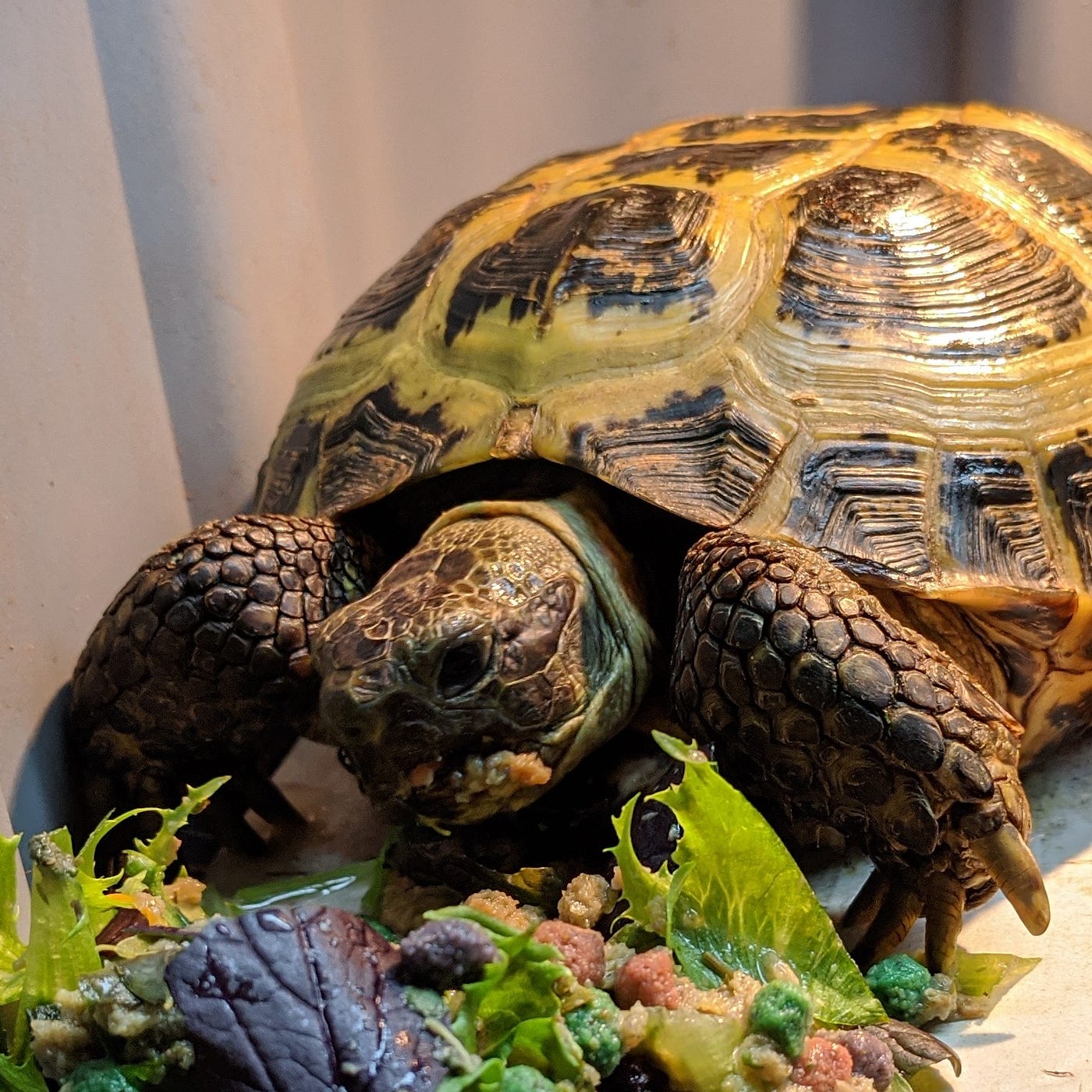
Credit: medium.com
Common Feeding Mistakes
Feeding a Russian Tortoise might seem straightforward, but mistakes happen. Common errors in their diet can lead to health problems. Understanding these mistakes helps ensure your tortoise thrives.
Overfeeding Risks
Overfeeding is a frequent mistake with Russian Tortoises. They have small stomachs and slow metabolisms. Feeding them too much causes obesity and digestive issues. Monitor their weight and adjust their portions accordingly. A balanced diet helps prevent these problems.
Imbalanced Nutrition
Providing imbalanced nutrition is another common error. Russian Tortoises need a diet high in fiber and low in protein. Many owners give too much fruit or protein-rich food. This leads to health issues like pyramiding. Ensure their diet consists mainly of leafy greens and vegetables.

Credit: www.reddit.com
Frequently Asked Questions
What Is The Ideal Diet For A Russian Tortoise?
Russian tortoises thrive on a high-fiber, low-protein diet. They mainly eat leafy greens, vegetables, and occasional fruits. Avoid feeding them animal proteins or high-oxalate plants. A varied diet mimics their natural food and promotes good health.
Can Russian Tortoises Eat Fruits Regularly?
Fruits should be given sparingly to Russian tortoises. They are high in sugar and can cause digestive issues. Use fruits only as occasional treats, not daily staples. Stick mainly to leafy greens and vegetables for balanced nutrition.
Which Vegetables Are Safe For Russian Tortoises?
Safe vegetables include dandelion greens, collard greens, and squash. Avoid iceberg lettuce and spinach due to low nutrition and oxalates. Providing diverse veggies ensures essential vitamins and minerals for a healthy tortoise.
How Often Should I Feed My Russian Tortoise?
Feed adult Russian tortoises every other day with fresh greens and veggies. Younger tortoises may need daily feeding. Always provide clean water and remove uneaten food to prevent spoilage.
Conclusion
A healthy diet keeps your Russian tortoise strong and happy. Fresh leafy greens and vegetables suit their needs best. Avoid feeding too many fruits or high-protein foods. Clean water should always be available for drinking. Watch your tortoise’s eating habits to spot any issues early.
Proper nutrition helps prevent illness and supports growth. Feeding them right makes a big difference in their life. Careful food choices ensure your pet lives a long, healthy life. Simple steps create a happy environment for your tortoise. Keep their diet balanced and enjoy watching them thrive.







