
Are you tired of feeling bloated, tired, or uncomfortable after meals? Your body might be reacting to something you’re eating, but pinpointing the cause can be confusing.
That’s where an elimination diet meal plan comes in. By carefully removing and then reintroducing certain foods, you can discover exactly what triggers your symptoms. Imagine gaining control over your health and finally enjoying meals without worry. You’ll find a simple, step-by-step guide to creating an elimination diet meal plan that works for you.
Keep reading to take the first step toward feeling your best every day.
What Is An Elimination Diet
An elimination diet is a simple way to find out which foods cause problems in your body. It helps identify foods that may cause allergies, digestion issues, or other symptoms. The diet removes certain foods for a short time. Then, you slowly add them back one by one. This process shows which foods your body does not like.
Many people use an elimination diet to reduce symptoms like stomach pain, bloating, headaches, or skin problems. It is a natural approach that focuses on healing and understanding your body better. The diet requires careful planning and patience but offers clear results.
How An Elimination Diet Works
The diet starts by cutting out common trigger foods. These foods might include dairy, gluten, nuts, eggs, soy, and shellfish. You avoid these foods for about two to four weeks. This period is called the elimination phase.
Next is the reintroduction phase. You add each food back slowly, one at a time. You watch for any symptoms that come back. If symptoms appear, that food is likely a problem. If no symptoms appear, the food is safe to eat.
Why People Choose An Elimination Diet
- To find food sensitivities or allergies
- To improve digestion and gut health
- To reduce chronic symptoms like headaches or fatigue
- To manage skin conditions such as eczema or rashes
- To support overall wellness and energy levels
Foods Commonly Removed In An Elimination Diet
| Food Group | Examples |
|---|---|
| Dairy | Milk, cheese, yogurt, butter |
| Gluten | Wheat, barley, rye, bread, pasta |
| Nuts | Peanuts, almonds, walnuts |
| Eggs | Whole eggs, egg whites, egg yolks |
| Soy | Soy milk, tofu, soy sauce |
| Shellfish | Shrimp, crab, lobster |
Credit: www.etsy.com
Benefits For Health And Wellness
The elimination diet meal plan offers many benefits for health and wellness. It helps identify foods that cause discomfort or allergies. This plan supports better digestion and reduces inflammation. People often feel more energetic and less bloated after following it.
This diet also encourages mindful eating. It teaches you to pay attention to how foods affect your body. This awareness can lead to healthier food choices and habits. Overall, an elimination diet can improve both physical and mental well-being.
Improves Digestive Health
The elimination diet removes common irritants from the gut. It reduces symptoms like bloating, gas, and stomach pain. After reintroducing foods slowly, you learn which ones upset your digestion. This process helps heal the digestive system over time.
Reduces Inflammation
Certain foods cause inflammation in the body. The elimination diet removes these triggers temporarily. Lower inflammation can ease joint pain and skin problems. It also supports a stronger immune system and better overall health.
Identifies Food Sensitivities
Many people do not realize they have food sensitivities. Symptoms like headaches, fatigue, or rashes may come from what they eat. This diet helps pinpoint those problem foods. Knowing these foods allows for better meal planning and symptom control.
Supports Weight Management
The elimination diet focuses on whole, unprocessed foods. This approach often leads to healthier eating habits. Cutting out unhealthy foods can help reduce weight naturally. It promotes a balanced diet that supports long-term wellness.
Enhances Mental Clarity And Mood
Food sensitivities can affect brain function and mood. Removing irritants helps improve focus and reduces brain fog. Many people report feeling calmer and happier on this diet. Better nutrition supports a healthy mind and body connection.
Common Food Triggers To Avoid
Embarking on an elimination diet requires identifying common food triggers. These triggers can cause discomfort or allergic reactions. Understanding what to avoid is crucial for success. Here are some common food triggers you should consider removing from your diet.
Dairy Products
Dairy products are a frequent cause of digestive issues. Milk, cheese, and yogurt can lead to bloating and cramps. Many people have lactose intolerance without realizing it. Removing dairy can help identify if it’s a trigger for you.
Gluten-containing Grains
Gluten can cause problems for many people. Wheat, barley, and rye contain gluten. These grains can lead to digestive distress and inflammation. Eliminating gluten can clarify if it’s affecting your health.
Soy And Legumes
Soy and legumes are common allergens. Soy sauce, tofu, and beans can cause allergic reactions in some. These foods are often hidden in many products. Carefully check labels when eliminating soy and legumes.
Nuts And Seeds
Nuts and seeds are nutritious but can be allergens. Peanuts, almonds, and sunflower seeds are common triggers. Even small amounts can cause reactions. Avoiding them can help identify if they are affecting you.
Eggs And Seafood
Eggs and seafood are potential allergens. They are common in many diets. Some people experience rashes or digestive issues. Removing them can help determine if they are causing problems.
Planning Your Elimination Diet
Planning your elimination diet helps make the process clear and manageable. It sets a strong foundation for success and reduces confusion. Careful planning ensures you avoid common mistakes and stay on track.
Breaking down the steps makes the diet less overwhelming. Focus on what to eat, how long to follow it, and ways to prepare meals. This approach supports your health goals and helps identify food triggers.
Setting Goals And Timeline
Define clear goals for your elimination diet. Are you testing for allergies, sensitivities, or improving digestion? Knowing the purpose guides your food choices and duration.
Plan a timeline that fits your lifestyle. Most elimination phases last 2 to 4 weeks. This period allows your body to clear potential irritants.
Set checkpoints to review progress. Adjust the timeline if needed but keep it consistent. Patience is key during this phase.
Choosing Safe Foods
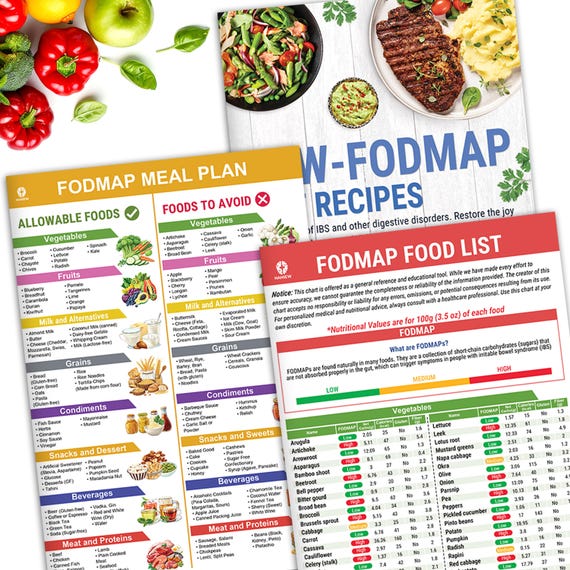
Select foods known to be low-risk and nutrient-rich. Common safe options include:
- Fresh vegetables like carrots, spinach, and zucchini
- Fruits such as apples, pears, and berries
- Lean proteins like chicken, turkey, and fish
- Gluten-free grains such as rice and quinoa
- Healthy fats from olive oil and avocado
Avoid processed foods and common allergens like dairy, wheat, soy, nuts, and eggs. Read labels carefully to spot hidden ingredients.
Meal Prep Tips
Prepare meals in advance to save time and reduce stress. Batch cook simple recipes that fit your elimination plan. Store portions in airtight containers for easy access.
Create a weekly shopping list focused on your safe foods. This prevents impulse buys and keeps your kitchen stocked.
Use clear labels on stored meals with dates and ingredients. This helps track what you eat and notice any reactions.
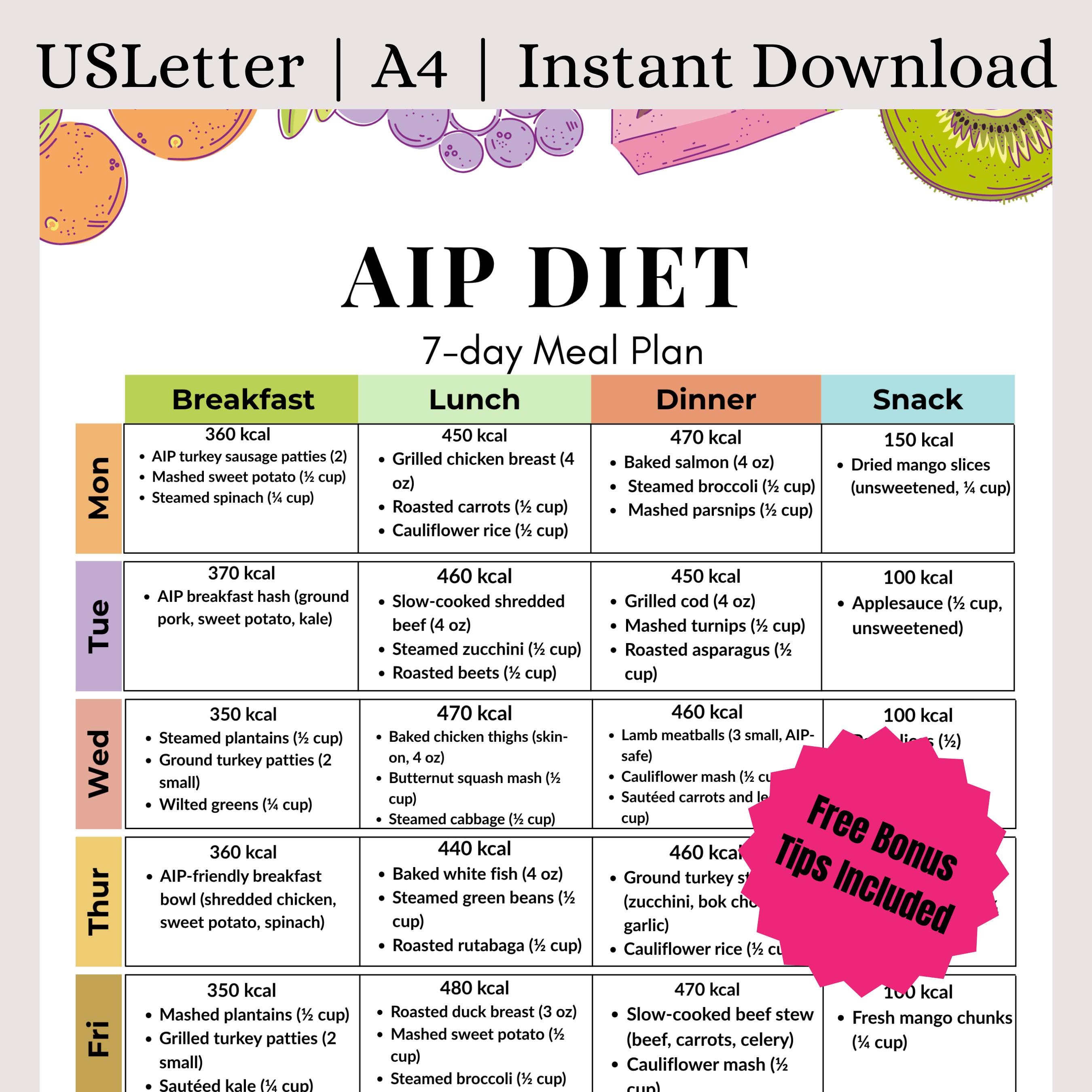
Sample Meal Plan Ideas
Sample meal plans help simplify your elimination diet journey. They show safe, tasty options to keep meals exciting. These ideas focus on whole, natural foods free from common allergens. Each meal balances nutrients and flavors to support your health and healing.
Breakfast Options
- Oatmeal made with water or coconut milk, topped with fresh berries
- Smoothie with spinach, banana, and cucumber blended with almond milk
- Rice cakes spread with avocado and sliced turkey breast
- Scrambled eggs with sautéed zucchini and herbs
- Quinoa porridge cooked in coconut milk with cinnamon
Lunch Recipes
- Grilled chicken salad with mixed greens and olive oil dressing
- Sweet potato and carrot soup with fresh thyme
- Brown rice bowl with steamed broccoli and shredded turkey
- Roasted vegetable wrap using lettuce leaves as wraps
- Quinoa salad with cucumber, parsley, and lemon juice
Dinner Choices
- Baked salmon with steamed asparagus and roasted sweet potatoes
- Stir-fried vegetables with tofu and coconut aminos
- Grilled turkey patties served with sautéed spinach and carrots
- Zucchini noodles tossed with olive oil and garlic
- Roasted chicken thighs with a side of mashed cauliflower
Snack Suggestions
- Sliced cucumbers with hummus made from safe ingredients
- Apple slices with sunflower seed butter
- Carrot sticks with guacamole
- Handful of pumpkin seeds or sunflower seeds
- Rice crackers topped with mashed avocado
Reintroduction Phase Guidelines
The reintroduction phase is a vital part of the elimination diet meal plan. It helps identify which foods cause symptoms and which are safe to eat. Careful steps during this phase ensure better results and improve overall health.
How To Reintroduce Foods
Choose one food to reintroduce at a time. Eat a small portion on the first day. Wait for two to three days to watch for any symptoms. If no reaction appears, increase the portion slowly. Avoid introducing multiple foods at once. This method helps pinpoint problem foods clearly.
Tracking Symptoms
Keep a daily journal to note any changes after eating a new food. Record symptoms like stomach pain, headaches, or skin changes. Note the time symptoms start and how long they last. Use simple terms and short notes for clarity. This tracking helps find patterns and guides future food choices.
Adjusting Your Diet
Remove foods that cause clear symptoms. Reintroduce safe foods into your regular meals. Balance your diet with a variety of allowed foods. Consult a healthcare provider if reactions are severe or confusing. Adjustments improve digestion and overall well-being over time.
Tips For Success And Sustainability
Following an elimination diet meal plan can be challenging. Success and sustainability depend on smart strategies. These tips help maintain focus and enjoy the journey.
Staying Motivated
Set clear, small goals to track progress. Celebrate each success to keep spirits high. Keep a journal to record how foods affect your body. Share your journey with supportive friends or groups. Remind yourself why you started the diet.
Eating Out Strategies
- Check menus in advance to find safe options.
- Ask staff about ingredients and food preparation.
- Choose simple dishes with whole ingredients.
- Request modifications to fit your elimination needs.
- Carry snacks in case safe foods are unavailable.
Dealing With Cravings
Identify triggers that cause cravings and avoid them. Substitute cravings with healthy, approved snacks. Drink water or herbal tea to reduce hunger. Practice mindful eating to enjoy every bite. Remember cravings usually pass within minutes.
Credit: www.etsy.com
Credit: www.etsy.com
Frequently Asked Questions
What Is An Elimination Diet Meal Plan?
An elimination diet meal plan removes common allergens to identify food sensitivities. It focuses on whole, unprocessed foods. The plan helps improve digestion and reduce inflammation. It typically lasts 2-6 weeks, followed by gradual food reintroduction.
How Do I Start An Elimination Diet Meal Plan?
Begin by cutting out gluten, dairy, soy, nuts, and eggs. Eat simple, fresh foods like vegetables, fruits, lean meats, and rice. Keep a food diary to track symptoms. Consult a healthcare professional before starting for personalized guidance.
What Foods Are Allowed In An Elimination Diet?
Allowed foods include fresh vegetables, fruits, rice, lean meats, and non-citrus fruits. Avoid processed foods, artificial additives, gluten, dairy, soy, nuts, and eggs. Choose organic and whole foods to reduce exposure to potential irritants.
How Long Should I Follow An Elimination Diet?
Follow the elimination phase for 2-6 weeks to clear symptoms. Then, slowly reintroduce foods one at a time over several days. Monitor your body’s reaction closely to identify triggers. Adjust your diet based on these observations.
Conclusion
An elimination diet meal plan helps find foods that suit your body. It can reduce discomfort and improve digestion. Start with simple meals and track your reactions carefully. Stay patient; results take time but are worth it. Listen to your body and adjust as needed.
This plan supports healthier eating habits and better well-being. Keep meals balanced and enjoy fresh, natural ingredients. Your health journey becomes clearer with each step you take.







