
Are you wondering if steak can actually help you lose weight? It’s a question many people ask because steak is often seen as both a tasty treat and a rich source of protein.
But can it fit into your weight loss plan without slowing you down? You’ll discover surprising facts about steak and how it affects your body. By the end, you’ll know whether steak is a friend or foe on your journey to a healthier you.
Keep reading to find out!
Nutritional Profile Of Steak
Understanding the nutritional profile of steak is key if you’re considering it as part of your weight loss plan. Steak offers more than just protein; it brings a variety of nutrients that can support your body’s functions and help maintain muscle mass during weight loss. Let’s break down what you get from a typical serving of steak.
Calories And Macronutrients
A 3-ounce (85 grams) serving of cooked lean beef steak typically contains around 180-220 calories. This portion is rich in protein, offering about 22-25 grams, which is essential for muscle repair and keeping you full longer.
Steak also contains fats, ranging from 8 to 12 grams depending on the cut. Some fats are saturated, but there are also healthy monounsaturated fats that your body can use for energy. Carbohydrates are virtually absent in steak, making it a low-carb option if you’re watching your sugar intake.
Vitamins And Minerals In Steak
Steak is a powerhouse of vitamins and minerals that many people overlook. It provides a good source of vitamin B12, which supports your nervous system and helps in red blood cell production.
Iron in steak is highly absorbable, which can boost your energy levels and prevent anemia. Zinc is another mineral you get in steak, vital for immune function and metabolism.
- Vitamin B6 – helps convert food into energy
- Niacin (Vitamin B3) – supports skin health and digestion
- Phosphorus – aids in bone health
Have you ever considered how these nutrients could affect your workout recovery or overall energy during weight loss? The right balance of vitamins and minerals can make a big difference in how you feel and perform daily.
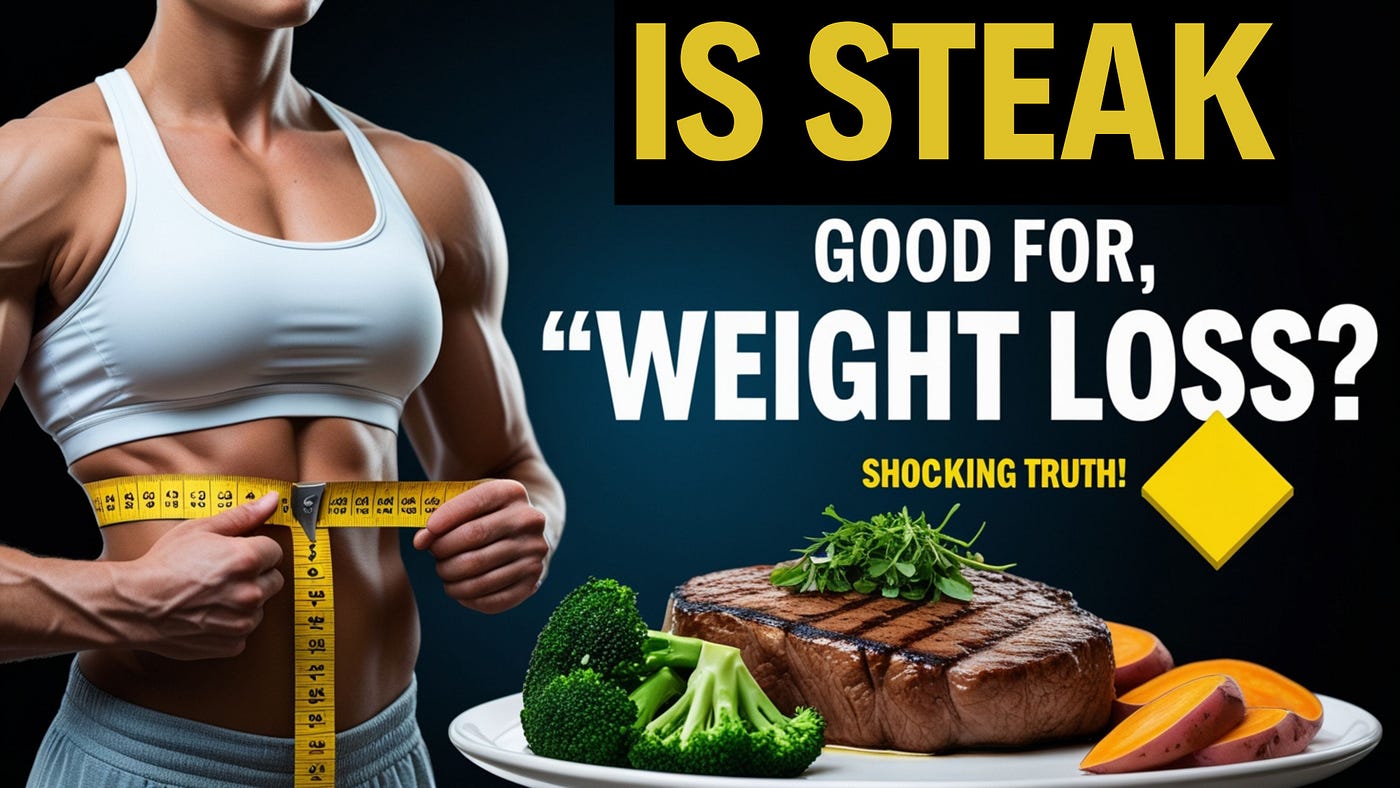
Credit: medium.com
Steak’s Role In Muscle Building
Steak plays a significant role in muscle building due to its rich nutrient profile. If you’re trying to gain muscle or maintain muscle mass during weight loss, understanding how steak supports this process can help you make better food choices. Let’s break down why steak is more than just a tasty meal when it comes to building muscle.
High-quality Protein Benefits
Steak provides a complete source of protein, meaning it contains all the essential amino acids your body needs. These amino acids are the building blocks for repairing and growing muscle tissues after workouts.
Eating steak can help you meet your daily protein goals more easily. For example, a 3-ounce serving of steak offers around 22-25 grams of protein, which can significantly contribute to muscle repair and growth.
Supporting Metabolism And Strength
Steak is rich in nutrients like iron, zinc, and B vitamins that play a vital role in energy production and muscle function. Iron helps transport oxygen to your muscles, which is crucial during exercise.
Including steak in your diet can support your metabolism and increase strength over time. Have you noticed how meals rich in protein and essential nutrients impact your workout recovery and energy levels?
Satiety And Appetite Control
Feeling full and satisfied after a meal plays a huge role in controlling your appetite and managing your weight. Steak, with its rich protein content, can help you stay full longer and reduce cravings. Understanding how steak influences satiety can help you make smarter food choices that support weight loss without constant hunger.
How Steak Keeps You Full Longer
Protein is one of the most filling nutrients, and steak is packed with it. Eating steak slows down digestion, which means your stomach empties more slowly. This delay keeps hunger signals at bay for hours.
Fat in steak also adds to that feeling of fullness. It triggers hormones that reduce appetite, making you less likely to reach for extra snacks. Have you noticed how a steak dinner can keep you satisfied well into the evening?
Reducing Unhealthy Snacking
When you feel full after eating steak, you naturally avoid unhealthy snacking. That mid-afternoon bag of chips or late-night sugary treat loses its appeal. Steak’s protein and fat combo stabilizes blood sugar, reducing sudden hunger spikes.
Instead of grabbing quick, empty calories, your body stays fueled with nutrients that support your goals. What if choosing a steak meal could help you break the cycle of mindless snacking? It’s worth trying to see the difference in your cravings and energy.
Fat Content And Weight Loss
When considering steak for weight loss, understanding its fat content is crucial. The types and amount of fat in your steak can significantly impact your diet goals. While some fats are beneficial, others may not support your weight loss journey.
Types Of Fats In Steak
Steak contains both saturated and unsaturated fats. Saturated fats, often found in red meat, can raise cholesterol levels if consumed excessively. However, unsaturated fats are considered healthier as they can support heart health and provide essential nutrients.
Choosing the right type of fat is vital. For example, a steak with more unsaturated fats might be more suitable for your diet than one high in saturated fats.
Choosing Lean Cuts For Diet
Opting for lean cuts of steak can help you manage your fat intake. Cuts like sirloin, tenderloin, and flank steak usually have lower fat content. These options can still provide protein without the extra calories from fat.
Next time you’re at the butcher, ask for leaner cuts. How often have you chosen a steak based on its look rather than its nutritional value? Making informed choices can make a difference in your weight loss efforts.
To further reduce fat, consider trimming visible fat from the edges before cooking. This simple step can enhance your meal’s nutritional profile. Experiment with different cuts to find the ones you enjoy the most while still aligning with your health goals.
Steak In Popular Weight Loss Diets
Steak often finds its way into popular weight loss diets because of its rich protein content and satiating qualities. Many people wonder if adding steak to their meal plans can help shed pounds or if it might hold them back. Understanding how steak fits into specific diet frameworks can help you decide if it suits your weight loss goals.
Keto And Low-carb Approaches
Steak is a favorite in keto and low-carb diets due to its minimal carbohydrate content and high protein and fat levels. These diets encourage your body to burn fat for fuel instead of carbs, making steak an ideal choice to keep you full and energized.
Including steak can prevent the hunger pangs that often derail weight loss efforts. But be mindful of the cut you choose—opt for fattier cuts like ribeye if you need more fats, or leaner ones like sirloin if you want to limit fat intake.
Ever wondered why some keto followers swear by steak dinners? It’s because the high protein and fat combo can keep cravings at bay, helping you stick to your calorie goals without feeling deprived.
Paleo And Whole-food Diets
The Paleo diet focuses on eating foods humans consumed before agriculture, making steak a natural fit. It encourages whole, unprocessed foods, so grass-fed, organic steak is preferred to maximize nutrient intake.
Steak supplies essential nutrients like iron, zinc, and B vitamins that support metabolism and energy, which can aid weight loss when combined with active living. Many who follow Paleo find that including steak helps maintain muscle mass while reducing processed food cravings.
What if you tried replacing processed snacks with a simple grilled steak? You might find it more satisfying and less likely to trigger overeating later.
Potential Drawbacks To Consider
While steak can be a satisfying and protein-rich food, it’s important to look at potential drawbacks that might affect your weight loss goals. Understanding these pitfalls helps you make smarter choices about when and how much steak to eat. Let’s break down some key concerns you should keep in mind.
Overeating And Calorie Surplus
Steak is nutrient-dense, but it can also be high in calories. Eating large portions may easily push you into a calorie surplus, which can stall or reverse weight loss.
Think about your last steak meal. Did you finish a large steak and then feel stuffed? That fullness might have come with hundreds of extra calories you didn’t plan for.
To avoid this, try measuring your portions or choosing leaner cuts like sirloin or flank steak. Keep track of your total daily calories to stay within your weight loss target.
Health Concerns With Red Meat
Eating red meat regularly may raise some health concerns beyond just weight. Studies have linked high consumption of red and processed meats to increased risks of heart disease and certain cancers.
This doesn’t mean you must cut steak out completely, but think about balance. How often do you eat red meat compared to vegetables, fruits, and whole grains?
You might want to alternate steak with other protein sources like chicken, fish, or plant-based options. This variety supports overall health while still helping you lose weight.
Tips For Including Steak In A Weight Loss Plan
Including steak in your weight loss plan can be a smart choice if you manage it well. Steak is rich in protein, which helps keep you full longer and supports muscle maintenance during weight loss. But the key lies in how much you eat and how you prepare it.
Portion Control Strategies
Start by choosing the right portion size. A serving of steak about the size of your palm, roughly 3 to 4 ounces, provides enough protein without overloading on calories.
Try measuring your portions before cooking or eating. This habit prevents accidental overeating and helps you stay on track with your calorie goals.
You can also balance your plate with plenty of vegetables and whole grains. This keeps meals satisfying and nutrient-rich without excess calories.
Healthy Cooking Methods
How you cook your steak makes a big difference. Grilling, broiling, or baking steak are healthier options because they don’t add extra fats.
Avoid frying or cooking with heavy sauces and butter. Instead, use herbs, spices, or a squeeze of lemon to add flavor without extra calories.
Trimming visible fat before cooking also reduces calorie intake. You might find that a lean cut like sirloin or tenderloin fits better into your weight loss plan.

Credit: www.numberanalytics.com

Credit: beefrunner.com
Frequently Asked Questions
Is Steak Beneficial For Weight Loss Diets?
Steak is rich in protein, which helps build muscle and boosts metabolism. Eating lean cuts in moderation can support weight loss when combined with a balanced diet.
Which Steak Cuts Are Best For Weight Loss?
Lean cuts like sirloin, tenderloin, and flank steak contain less fat and fewer calories. Choosing these cuts helps maintain protein intake without excess fat.
How Does Steak Affect Fat Burning?
Protein in steak increases satiety and promotes muscle growth. More muscle helps burn fat efficiently, aiding weight loss when paired with exercise.
Can Eating Steak Daily Hinder Weight Loss?
Eating steak daily can add excess calories and saturated fat. Moderation and variety in protein sources are key to effective weight loss.
Conclusion
Steak can fit into a weight loss plan if eaten in balance. It offers protein that helps build muscles and keeps you full longer. Choose lean cuts and watch portion sizes to avoid extra calories. Pair steak with vegetables for a healthy meal.
Remember, no single food controls weight. Your overall diet and activity matter most. Enjoy steak wisely and stay mindful of your goals. Small changes add up over time. Keep it simple and stay consistent.







