
Have you ever wondered what fuels the playful energy and intelligence of our closest relatives in the animal kingdom? Discovering the secrets of the chimp diet might just hold the answers to these intriguing questions.
Imagine unlocking the mysteries of their eating habits and how it mirrors our own nutritional needs. This isn’t just about what they eat; it’s about understanding the link between diet and behavior, health, and longevity. As you delve deeper, you’ll uncover insights that could transform your perspective on your own diet.
So, if you’re ready to explore the fascinating world of chimpanzee nutrition and its surprising parallels to human health, keep reading. You might just find the knowledge you never knew you needed.
Chimpanzee Eating Habits
Chimpanzees have fascinating eating habits that reveal much about their intelligence and adaptability. Observing their food choices and behaviors offers practical lessons on how diet affects survival and social interactions. You might be surprised by how selective and strategic chimps are when it comes to eating.
Natural Food Preferences
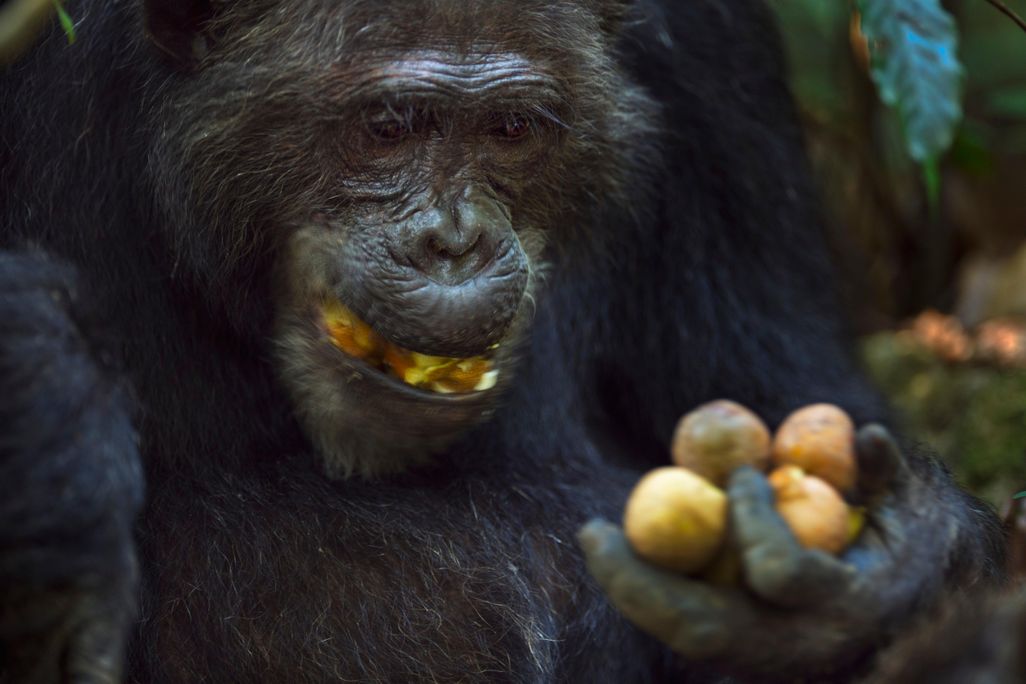
Chimpanzees primarily enjoy a plant-based diet, with fruits making up the largest portion. They favor ripe, sweet fruits like figs, mangoes, and bananas, which provide quick energy. However, they don’t shy away from leaves, seeds, and flowers to balance their nutrition.
Interestingly, chimpanzees also eat insects and occasionally small animals. This protein-rich intake shows they understand the need for variety. Watching a chimp carefully extract termites with a stick highlights their cleverness and patience.
Seasonal Variations In Diet
Chimpanzee diets change with the seasons, reflecting food availability. During the dry season, fruits become scarce, so they eat more leaves, bark, and nuts. In the wet season, fruit abundance allows them to consume more sugary foods.
This seasonal shift teaches you the importance of adjusting your diet according to what’s accessible and fresh. Are you paying attention to how your own eating habits change with the seasons? Following chimps’ example might encourage you to eat more naturally and sustainably.
Foraging Techniques
Chimps use various clever methods to find and gather food. They don’t just pick fruit from trees; they hunt for insects by crafting tools like sticks or leaves. These foraging skills require memory, problem-solving, and teamwork.
One striking example is how chimps fish termites out of mounds, a task that demands precision and patience. This behavior shows how diet isn’t just about what you eat but how you get it. What can you learn from their approach to acquiring food with care and intelligence?
Credit: www.smithsonianmag.com
Key Nutrients In Chimp Diet
Understanding the key nutrients in a chimpanzee’s diet gives us a clear window into how these intelligent creatures thrive in the wild. Their food choices aren’t random; they focus on items that fuel their energy, build strong muscles, and keep their immune system sharp. If you think about your own diet, what similarities or differences come to mind when compared to a chimp’s nutrient intake?
Fruits And Their Benefits
Fruits are a major part of a chimp’s diet, providing quick energy through natural sugars. They also offer important vitamins like vitamin C, which helps fight infections and keeps skin healthy. Eating a variety of fruits ensures chimps get different antioxidants that protect their cells from damage.
Think about how you feel after eating a fresh piece of fruit—energized and refreshed. Chimps experience the same, which is why they often seek out ripe fruits in the forest. Have you ever noticed how colorful fruits attract both chimps and humans alike?
Role Of Leaves And Vegetation
Leaves and other plant parts supply chimpanzees with fiber, essential for good digestion. These green foods also provide minerals such as calcium and magnesium, which are crucial for bone health. Unlike fruits, leaves offer sustained energy release, keeping chimps fueled throughout their active day.
Eating leaves might sound plain to you, but for chimps, it’s a vital part of balancing their diet. When you include greens in your meals, you’re doing something very similar. What’s your favorite leafy vegetable, and how do you feel when you add it to your plate?
Protein Sources In Wild Diet
Protein is crucial for muscle repair and growth, and wild chimpanzees get it from insects, small animals, and occasionally bird eggs. Termites and ants are popular protein sources, rich in amino acids that chimps need. This variety ensures they meet their nutritional needs without relying solely on plants.
It might surprise you that chimps hunt and eat meat occasionally, showing their flexible diet. This reminds us that protein doesn’t just come from one source. How diverse is your protein intake, and could you learn from the chimp’s balanced approach?
Health Benefits Of Chimp Diet
The chimp diet focuses on natural, whole foods similar to what chimpanzees eat in the wild, emphasizing fruits, vegetables, nuts, and seeds. Adopting this diet can bring several health benefits that might surprise you. It supports your body’s core functions, helping you feel stronger and more resilient every day.
Boosting Immunity Naturally
The chimp diet is rich in antioxidants and vitamins found in fresh fruits and leafy greens. These nutrients help your immune system fight off infections and recover faster. You might notice fewer colds and quicker healing when you regularly eat these foods.
Have you ever wondered why some people rarely get sick despite being around others who do? Their diet could be a big reason. Adding foods like berries, nuts, and leafy greens can give your body the tools it needs to stay healthy.
Supporting Digestive Health
High fiber content in the chimp diet promotes smooth digestion and regular bowel movements. Fiber feeds the good bacteria in your gut, creating a balanced environment that reduces bloating and discomfort.
Imagine feeling lighter and more energized just by changing what you eat. Including a variety of fruits and vegetables in your meals can support this. Have you paid attention to how your digestion changes when you eat more natural, whole foods?
Enhancing Energy And Vitality
The chimp diet provides steady energy through complex carbohydrates and healthy fats instead of quick sugar spikes. This means you can stay active and focused without the crashes that come from processed snacks.
Many people report having more stamina and better mood throughout the day after switching to this kind of diet. Could adjusting your food choices help you power through your busiest days without feeling drained?

Credit: qz.com
Lessons From Chimp Diet For Humans
The chimp diet offers valuable insights for human nutrition. Studying chimpanzees reveals natural eating patterns that support health. These lessons help us rethink daily food choices and promote wellbeing.
Incorporating More Plant-based Foods
Chimpanzees mainly eat fruits, leaves, and nuts. Their diet is rich in fiber and vitamins from plants. Humans can benefit by adding more vegetables and fruits to meals. Eating diverse plants supports digestion and provides essential nutrients.
Balancing Macronutrients
Chimp diets include a good mix of carbohydrates, fats, and protein. They consume nuts and seeds for healthy fats and small amounts of insects for protein. Humans should aim for balanced macronutrients to maintain energy and muscle health. Avoid extremes and choose whole, natural sources.
Avoiding Processed Foods
Chimpanzees eat only natural, unprocessed foods. Their diet lacks refined sugars and additives. Humans can improve health by reducing processed snacks and fast food. Choosing fresh, whole foods helps reduce inflammation and supports the immune system.
Practical Tips To Adopt Chimp Diet Habits
Adopting chimp diet habits can feel challenging at first, but focusing on simple, practical steps makes the transition easier. You don’t need to overhaul your entire lifestyle overnight. Small changes in the foods you choose, how you plan your meals, and the way you eat can make a big difference.
Choosing Whole, Natural Foods
Start by picking foods that are as close to their natural state as possible. Fresh fruits like bananas, berries, and apples are great choices. Vegetables such as leafy greens, carrots, and sweet potatoes fit perfectly into this way of eating.
Skip processed snacks and foods with added sugars or preservatives. Think about what a chimpanzee would find in the wild—mostly raw, fresh, and unprocessed. This mindset helps you make better food decisions without overthinking every bite.
Meal Planning Inspired By Chimp Diet
Planning meals around chimp diet principles means focusing on variety and simplicity. You might start your day with a fruit bowl and nuts, then enjoy a large salad with veggies and some seeds for lunch. Dinner can be a colorful mix of steamed vegetables and a handful of fruits.
Try preparing meals ahead of time to avoid grabbing convenient processed foods when you’re busy. Keep a list of your favorite natural foods handy, so shopping becomes faster and more intentional. Meal prepping can also help you stick to this diet even on your busiest days.
Mindful Eating Practices
Eating like a chimp isn’t just about what you eat but how you eat. Slow down and really taste your food. Pay attention to textures and flavors; this helps you enjoy your meals more and prevents overeating.
Ask yourself if you’re truly hungry before reaching for your next bite. This awareness can shift your eating habits from mindless to mindful. How often do you eat while distracted by screens or work? Try eating without interruptions and notice how differently your body responds.

Credit: www.discoverwildlife.com
Frequently Asked Questions
What Foods Do Chimpanzees Eat In The Wild?
Chimpanzees mainly eat fruits, leaves, seeds, and flowers. They also consume insects, nuts, and occasionally small animals. Their diet varies by habitat and season, providing a balanced mix of nutrients necessary for their health and energy.
How Much Fruit Do Chimps Eat Daily?
Fruits make up about 50-60% of a chimpanzee’s diet. They prefer ripe, sugary fruits that provide essential vitamins and energy. Seasonal availability influences their fruit consumption, leading them to supplement with other plant parts or protein sources.
Do Chimpanzees Eat Meat Or Insects?
Yes, chimpanzees occasionally eat insects and small animals. They hunt small mammals, birds, and insects to supplement their plant-based diet. This protein intake supports muscle development and overall nutrition, especially when fruit is scarce.
How Does A Chimpanzee’s Diet Impact Its Health?
A varied diet rich in fruits, plants, and protein keeps chimps healthy. It supports their immune system, energy levels, and brain function. Nutritional diversity helps them adapt to environmental changes and maintain social behaviors.
Conclusion
Chimp diets mainly include fruits, leaves, and insects. These foods give them energy and nutrients. They eat what nature provides each day. Their diet helps them stay strong and healthy. Understanding their eating habits teaches us about wild animals. It also shows how they adapt to their homes.
Watching chimp diets reminds us to respect nature’s balance. Simple foods can support life well. This knowledge helps protect chimpanzees and their forests.







