
Are you curious about what makes crested geckos thrive and grow? Feeding your crested gecko the right diet is key to ensuring their health and happiness.
Whether you’re a new gecko parent or a seasoned reptile enthusiast, understanding their dietary needs can be a game-changer. Imagine watching your gecko flourish with energy and vibrant colors simply because you fed them the right nutrients. This isn’t just about feeding; it’s about transforming your pet’s life.
Dive into this guide to discover how you can provide the perfect diet for your crested gecko, and see the difference it makes in their wellbeing.
Natural Diet In The Wild
Crested geckos thrive on a diverse natural diet in the wild. Their food sources vary with availability and season. Understanding this diet helps keep captive geckos healthy and happy.
Fruits And Nectar
Crested geckos enjoy soft, ripe fruits in the wild. They eat mangoes, bananas, and berries. Nectar from flowers is also a key food source. This sugary liquid provides quick energy. These geckos often lick nectar directly from flowers. Fruits and nectar supply vitamins and hydration.
Insect Consumption
Insects form an important protein source. Crested geckos eat crickets, moths, and flies. They catch prey mainly at night. Insects help build muscle and support growth. Eating insects balances their fruit-based diet.
Seasonal Variations
Their diet changes with the seasons. Fruit is abundant in warm months, insects too. During cooler periods, insects may be less common. Geckos rely more on nectar and available fruits then. Seasonal shifts affect nutrient intake and feeding habits.

Credit: www.amazon.com
Commercial Diet Options
Commercial diet options make feeding crested geckos simple and balanced. These products provide essential nutrients in an easy-to-use form. They save time and help maintain your pet’s health. Many types are available, each with unique benefits. Understanding these options helps you choose the best diet for your gecko.
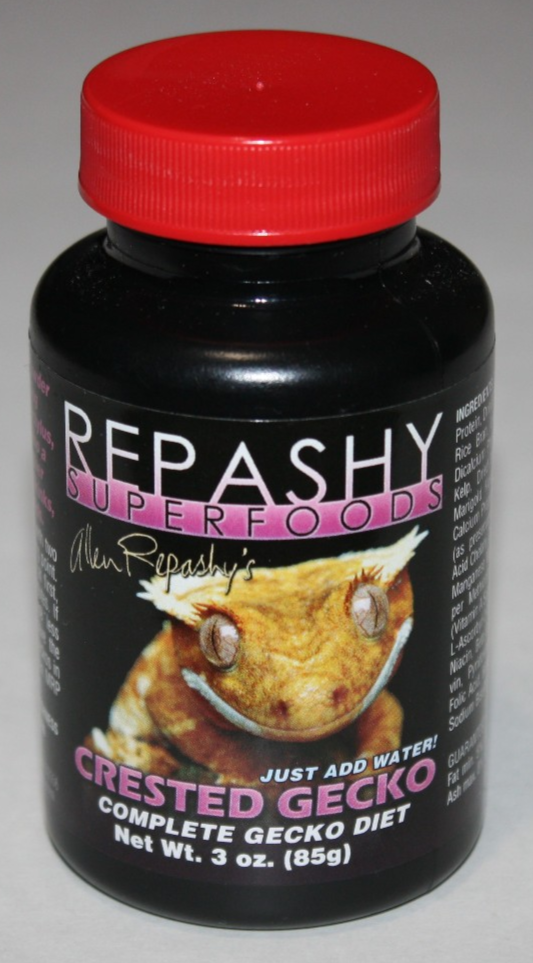
Powdered Crested Gecko Food
Powdered food is a popular choice for many owners. It contains all necessary vitamins, minerals, and protein. You mix the powder with water to form a smooth paste. This paste is easy for geckos to eat and digest.
Powdered food offers convenience and consistent nutrition. It reduces the risk of overfeeding or missing nutrients. It also helps maintain a clean habitat, as leftovers are minimal.
Pre-mixed Meals
Pre-mixed meals come ready to serve in jars or containers. They need no preparation before feeding. These meals often combine fruit, protein, and supplements in one blend.
This option suits busy owners who want quick feeding solutions. The texture is smooth and palatable for crested geckos. Pre-mixed meals also reduce waste and spoilage.
Choosing Quality Brands
Quality matters when selecting commercial crested gecko food. Look for brands with natural ingredients and no fillers. Check for added vitamins like calcium and vitamin D3.
Read reviews from other reptile keepers. Choose brands that use safe, tested ingredients. Avoid products with artificial colors or preservatives. Proper nutrition supports your gecko’s growth and vitality.
Fresh Foods To Include
Feeding your crested gecko fresh foods can make a big difference in their health and happiness. Fresh options add variety and important nutrients that dry diets might miss. But you need to know which fruits, vegetables, and insects are safe and beneficial for your gecko.
Safe Fruits
Not all fruits are good for your crested gecko, but many common ones make tasty treats. You can try small pieces of:
- Bananas – soft and easy to digest
- Blueberries – packed with antioxidants
- Mango – rich in vitamins
- Peach – juicy and sweet
- Papaya – helps with digestion
Always wash fruits thoroughly and remove seeds before offering them. Have you noticed how your gecko reacts differently to various fruits? This can help you find their favorites.
Vegetable Choices
Vegetables aren’t a large part of the diet but can add fiber and nutrients. Good options include:
- Carrots – shredded or finely chopped
- Squash – cooked or raw, but soft
- Spinach – in moderation due to oxalates
Introduce veggies slowly to see how your gecko tolerates them. Did you know some vegetables can interfere with calcium absorption? That’s why moderation is key.
Insect Supplements
Insects provide essential protein and help mimic natural feeding habits. Offer live or freeze-dried insects like:
- Crickets – a staple protein source
- Mealworms – but feed sparingly due to fat content
- Dubia roaches – highly nutritious and easy to digest
Dust insects with calcium or vitamin supplements before feeding. Have you tried varying insect types to keep your gecko interested? This can boost their appetite and health.
Feeding Frequency And Portions
Feeding your crested gecko the right amount at the right times is vital for its health. Proper feeding frequency and portion size keep your gecko active and prevent health issues. Understanding how often to feed and how much to give helps maintain a balanced diet.
Daily Feeding Schedule
Offer food once a day, preferably in the evening. Crested geckos are nocturnal and eat more at night. Remove any uneaten food after 24 hours to keep the enclosure clean. Provide fresh water daily alongside their meals.
Adjusting Amounts By Age
Young crested geckos need more food to support growth. Feed juveniles slightly larger portions than adults. Adult geckos require smaller, consistent servings to maintain weight. Monitor your gecko’s body condition and adjust portions as needed.
Avoiding Overfeeding
Overfeeding leads to obesity and health problems. Give only the amount your gecko can finish in one sitting. Avoid feeding high-fat treats too often. Watch for signs of weight gain and reduce portions if necessary.
Nutritional Requirements
Your crested gecko’s health depends heavily on meeting its nutritional requirements. Without the right balance of vitamins, minerals, protein, and hydration, your gecko won’t thrive or may develop health problems. Understanding what your pet truly needs helps you provide food that supports growth, energy, and longevity.
Calcium And Vitamin D3
Calcium is crucial for your gecko’s bone strength and overall development. Without enough calcium, they risk metabolic bone disease, which can cause deformities and weakness.
Vitamin D3 helps your gecko absorb calcium properly. Since crested geckos don’t get enough natural sunlight indoors, you need to supply vitamin D3 through supplements or UVB lighting.
Many owners find dusting feeder insects with calcium powder 2-3 times a week makes a big difference. Have you checked if your gecko’s diet includes this essential combo?
Protein Needs
Protein fuels your gecko’s energy and tissue repair. In the wild, crested geckos eat a mix of insects and fruit, so your pet’s diet should reflect that balance.
Commercial crested gecko diets often combine protein with fruit puree, but adding occasional live insects can boost their protein intake. Think about offering small crickets or mealworms once or twice a week.
Too little protein can stunt growth, while too much may cause digestive issues. How do you balance protein in your gecko’s meals?
Hydration Importance
Hydration is often overlooked but is vital for your gecko’s health. Crested geckos rarely drink from standing water, preferring to lick droplets from leaves or enclosure walls.
Misting your terrarium daily creates a humid environment and provides drinking water. A hygrometer can help you maintain optimal humidity between 60-80%.
Have you noticed your gecko’s behavior change during dry periods? Proper hydration keeps their skin healthy and aids digestion, so don’t skip this step.

Credit: www.ebay.co.uk
Common Dietary Mistakes
Feeding your crested gecko the right diet is more challenging than it might seem at first. Many keepers, even experienced ones, fall into common traps that can harm their pet’s health. Understanding these mistakes helps you avoid unnecessary stress and keeps your gecko thriving.
Feeding Unsafe Foods
Not all fruits and insects are safe for crested geckos. Foods like citrus fruits, avocado, and waxworms can cause digestive upset or toxicity. Have you ever accidentally given your gecko something questionable? It’s easy to overlook, but these foods can lead to serious health issues.
Stick to safe fruits like mango, papaya, and blueberries. Always research before introducing new foods. Your gecko’s health depends on what you feed it daily.
Ignoring Supplements
Many owners skip calcium and vitamin supplements, thinking a varied diet covers all needs. This is a risky assumption. I once saw a gecko develop metabolic bone disease simply because its diet lacked proper supplementation.
Dust insects with calcium powder at least twice a week. Offer vitamin supplements occasionally to keep your gecko’s bones and skin healthy. Are you confident your gecko is getting enough nutrients?
Over-reliance On Insects
Insects are a great protein source, but feeding only bugs is a common mistake. Crested geckos also need fruit-based diets to stay balanced. I’ve noticed that geckos fed mainly insects show less vibrant colors and lower energy levels.
Mix insect feedings with commercial fruit purees or homemade fruit blends. This variety mimics their natural diet better. How often do you vary your gecko’s meals to keep it happy and healthy?
Monitoring Health Through Diet
Keeping a close eye on your crested gecko’s diet is one of the best ways to monitor its overall health. What your gecko eats directly impacts its energy, growth, and even mood. Small changes in diet can signal important shifts in health that you shouldn’t overlook.
Signs Of Nutritional Deficiency
Watch for dull skin or a lack of shedding—these often point to calcium or vitamin deficiencies. If your gecko’s movements become sluggish or if it seems weaker, these can also be warning signs. You might notice brittle toes or an unusual posture, which often means something is off in their diet.
Have you checked if your gecko’s supplements are fresh? Old or improperly stored vitamin powders lose their effectiveness quickly. Always keep track of the expiry date on supplements and replace them as needed.
Weight Management
Tracking your gecko’s weight regularly helps catch problems early. Sudden weight loss can indicate illness or poor absorption of nutrients. On the other hand, weight gain might mean overfeeding or a diet too high in sugars.
Use a small digital scale and weigh your gecko once a week. Record the numbers and look for steady trends rather than day-to-day fluctuations. This simple routine can prevent serious health issues before they develop.
Behavioral Indicators
Diet affects behavior more than many owners realize. If your gecko becomes unusually lethargic or hides more than usual, diet could be the culprit. A healthy crested gecko is curious and active, especially around feeding times.
Watch how eagerly your gecko responds to food. A sudden loss of appetite or refusal to eat certain foods can signal digestive problems or discomfort. What changes in your gecko’s behavior have you noticed after feeding?
Credit: www.ebay.com
Frequently Asked Questions
What Is The Best Diet For A Crested Gecko?
A balanced crested gecko diet includes commercial powdered food, live insects, and fresh fruits. This mix supports their health and longevity. Commercial diets provide essential nutrients, while live insects offer protein. Fresh fruits add natural vitamins and hydration.
Can Crested Geckos Eat Insects Only?
No, crested geckos should not eat insects only. They require a mix of insects, fruits, and commercial diet. Insects provide protein but lack essential vitamins. A varied diet ensures balanced nutrition and prevents health issues.
How Often Should I Feed My Crested Gecko?
Feed adult crested geckos every 2-3 days, and juveniles daily. Fresh food and water should be available at all times. Overfeeding can cause obesity, so monitor portions carefully. Adjust feeding frequency based on your gecko’s age and activity level.
Are Fruits Safe For Crested Geckos To Eat?
Yes, fruits are safe and beneficial in small amounts. Use soft fruits like mango, papaya, or banana. Avoid citrus fruits as they may upset digestion. Fruits provide vitamins and hydration, complementing their diet well.
Conclusion
A healthy crested gecko diet keeps your pet strong and happy. Feed a mix of commercial gecko food and fresh fruits. Avoid foods high in fat or sugar. Offer insects like crickets for protein sometimes. Clean water should always be available.
Watch your gecko’s eating habits closely. Balanced meals help them grow and stay active. Remember, proper diet means a longer life. Simple care goes a long way in pet health. Keep learning about your gecko’s needs daily. Your pet deserves the best food you can give.







