
Ever wondered what an opossum prefers to snack on when it’s out in the wild? If you’re curious about these intriguing creatures and their culinary choices, you’re in the right place.
Understanding the opossum’s diet not only satisfies your curiosity but can also be surprisingly beneficial, especially if you’re dealing with them in your backyard or considering them as part of your local ecosystem. By the end of this article, you’ll discover the fascinating details of what makes up an opossum’s menu and why it matters to you.
Get ready to uncover the secrets of the opossum’s diet and see how this knowledge can enhance your interaction with nature’s little scavengers.
Opossum Diet Basics
Opossums have a simple but varied diet that helps them survive in many environments. Understanding their basic eating habits reveals how adaptable these animals are. Their diet includes many types of food, which changes with the seasons. This flexibility is key to their survival.
Natural Eating Habits
Opossums are omnivores. They eat plants and animals. Their diet includes:
- Fruits and berries
- Insects like beetles and crickets
- Small animals such as frogs and birds
- Eggs found in nests
- Leftover human food or garbage
They mostly search for food at night. This helps them avoid predators. Opossums use their sharp sense of smell to find food. Their diet is not picky. They eat what is available.
Seasonal Food Changes
Opossum diets shift with the seasons. In spring and summer, they eat more insects and fruits. These foods are easy to find during warm months. In fall, they eat more nuts and seeds. These help them store energy.
Winter is harder. Food is scarce. Opossums eat more small animals and carrion. They rely on what they can find. This change in diet helps them survive cold months. Opossums adjust well to their environment’s food supply.
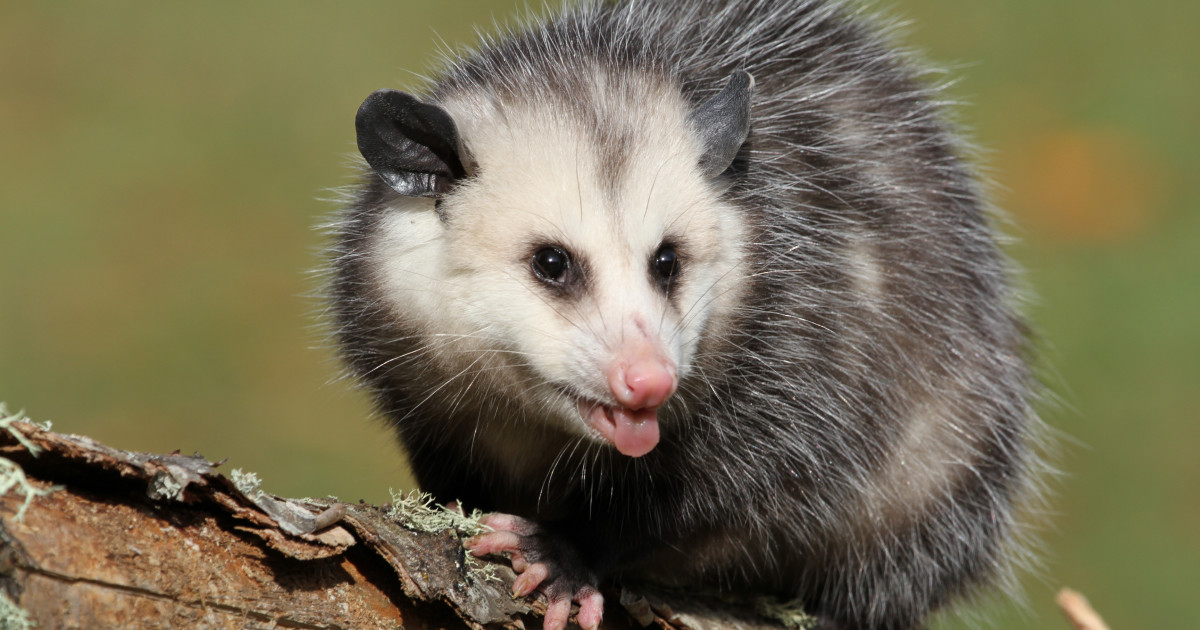
Credit: pethelpful.com
Fruits And Vegetables
Opossums enjoy a varied diet rich in fruits and vegetables. These foods provide essential vitamins and minerals. They help opossums stay healthy and active. Fruits and vegetables also supply water and fiber, aiding digestion. Opossums eat many kinds, depending on availability and season.
Commonly Eaten Fruits
- Apples – sweet and easy to find.
- Berries – such as blueberries and strawberries.
- Grapes – small and packed with nutrients.
- Pears – soft texture that is easy to eat.
- Melons – provide hydration and energy.
- Bananas – rich in potassium and sugars.
Vegetables They Favor
- Carrots – crunchy and full of vitamin A.
- Sweet potatoes – sweet taste and high energy.
- Leafy greens – like spinach and kale.
- Peas – small and protein-rich.
- Cucumbers – watery and refreshing.
- Squash – mild flavor and soft texture.
Protein Sources
Opossums rely on protein for energy and growth. Their diet includes various protein-rich foods found in nature. These sources help them stay healthy and active. Protein plays a key role in their survival and daily functions.
Insects And Bugs
Insects and bugs form a major part of an opossum’s protein intake. They eat beetles, crickets, caterpillars, and grasshoppers. These small creatures are easy to catch and full of nutrients. Insects provide essential amino acids needed for muscle repair and energy.
Opossums are skilled at finding insects under leaves and logs. They use their sharp teeth to crush the exoskeletons. Eating bugs helps control pest populations in their habitat.
Small Animals And Eggs
Opossums also hunt small animals like frogs, mice, and birds. These animals offer high-quality protein and fat. Eggs from birds or reptiles are another important protein source. Opossums crack the eggshells and enjoy the soft yolk inside.
This variety in protein sources ensures opossums get enough nutrients. It supports their immune system and keeps them strong in the wild.

Credit: www.reddit.com
Human Food And Trash
Opossums often find food in places where humans live. They are known to eat scraps from trash bins and leftover human food. This behavior helps them survive in urban areas but can cause problems.
Foods Found In Urban Areas
Opossums eat a variety of human foods and trash items. Some common foods they find include:
- Leftover fast food like burgers and fries
- Fruit scraps from kitchen waste
- Discarded bread and cereals
- Pet food left outside
- Rotting vegetables and spoiled food
These foods are easy to access and provide quick energy. Opossums are opportunistic feeders and will try almost anything.
Risks Of Eating Human Food
Eating human food and trash can harm opossums. Processed foods have high salt and sugar levels. These are not good for their health.
Trash can contain dangerous items like:
- Sharp objects that cause injury
- Toxic chemicals and spoiled food
- Plastic and packaging materials
These can cause illness or even death. Human food lacks the nutrients opossums need. It can also change their natural behavior and diet.
Water And Hydration
Water is vital for opossums to stay healthy and active. They need it to regulate body temperature and help digestion. Without enough water, opossums can become weak and dehydrated quickly. Understanding their water sources and hydration needs helps us protect these animals in the wild.
Sources Of Water
Opossums find water in many natural places. They drink from:
- Puddles and ponds
- Streams and rivers
- Dew on leaves and plants
- Rainwater collected in tree holes
They may also get water from their food, like fruits and insects, which contain moisture. At night, opossums often search for fresh water to stay hydrated.
Hydration Needs
Opossums need regular water intake daily. Their small bodies lose water fast through breathing and skin. Warm weather increases their water needs. Lack of water can cause health problems and reduce their activity.
Young opossums require more water than adults. Pregnant or nursing females also need extra hydration. Keeping water sources clean and accessible supports opossum survival in natural habitats.

Credit: www.reddit.com
Feeding Opossums In Captivity
Feeding opossums in captivity requires careful attention to their natural diet. Opossums are omnivores, so they eat a mix of plants and animals. Their diet should be varied to keep them healthy and happy. Providing the right food helps mimic what they eat in the wild. This reduces stress and supports their overall well-being.
Safe Food Options
- Fruits like apples, bananas, and berries
- Vegetables such as carrots, sweet potatoes, and leafy greens
- Cooked lean meats like chicken and turkey
- Insects including mealworms and crickets
- Eggs, either boiled or scrambled without seasoning
- High-quality cat or dog food as a protein source
- Canned pumpkin for added fiber
Foods To Avoid
- Chocolate and candy, toxic to opossums
- Raw meat, which can carry harmful bacteria
- Processed human foods high in salt or sugar
- Dairy products, many opossums are lactose intolerant
- Avocado, which contains harmful substances
- Onions and garlic, can cause digestive issues
- Anything moldy or spoiled
Foraging Behavior
Opossums are skilled foragers, constantly on the move to find a variety of foods that suit their omnivorous diet. Their foraging behavior is both opportunistic and efficient, allowing them to adapt to many environments. Understanding how they search for food gives you insight into their survival strategies and their role in the ecosystem.
How Opossums Find Food
Opossums use a strong sense of smell and keen hearing to locate food, even in the dark. They tend to explore areas rich in vegetation, fallen fruit, and small animals. You might notice them rummaging through leaf litter or near water sources where insects and amphibians are plentiful.
Interestingly, opossums are not picky eaters. They take advantage of whatever is available—roadside scraps, garden pests, or carrion. This adaptability means they can thrive in urban areas, suburban backyards, and wild habitats alike.
Adaptations For Eating
Their physical features support their diverse diet well. Opossums have sharp teeth that help them tear into both plant and animal matter. Their prehensile tails assist in climbing and holding onto branches as they forage high or low.
Another fascinating adaptation is their ability to resist certain toxins found in insects and small reptiles. This means they can eat prey that other animals might avoid, reducing competition for food. Have you ever seen an opossum eat a venomous snake? Their immunity gives them a unique edge in the wild.
Frequently Asked Questions
What Do Opossums Mainly Eat In The Wild?
Opossums mainly eat insects, fruits, small animals, and carrion. They are opportunistic feeders and adapt to available food sources.
Are Opossums Omnivores Or Herbivores?
Opossums are omnivores. They consume both plant matter like fruits and animals like insects and small rodents.
Can Opossums Eat Human Food Safely?
Opossums can eat some human foods like fruits and cooked meats. Avoid processed, salty, or sugary foods.
How Often Do Opossums Need To Eat Daily?
Opossums eat multiple small meals daily. They forage mostly at night and consume what’s available.
Conclusion
Opossums eat a wide variety of foods every day. They like fruits, insects, small animals, and plants. Their diet helps them survive in many places. Knowing what opossums eat helps us understand them better. It also shows how they help keep nature balanced.
Feeding them the right food is important if you care for them. Opossums are not picky and adapt well to their food sources. This makes them interesting creatures to learn about. Their diet is simple but very important for their health.







