
Imagine having a pet that doesn’t bark, meow, or make any noise, yet still captures your heart with its slow charm. The African Spurred Tortoise, also known as the Sulcata Tortoise, is one such delightful creature.
If you’re lucky enough to own one, understanding its diet is crucial for its health and happiness. Are you feeding your tortoise the right foods? The wrong diet can lead to health issues, but the right choices can help it thrive.
You’ll discover the secrets to a balanced diet for your shelled friend, ensuring a long, healthy life. Stick around to learn what your tortoise truly craves and how you can provide the best nutrition possible.

Credit: www.reddit.com
Natural Habitat Diet
The African Spurred Tortoise thrives on a diet shaped by the tough, arid environments of its natural habitat. Understanding what these tortoises eat in the wild helps you better meet their nutritional needs in captivity. Their diet is rich in fibrous plants, adapted to conserve water and energy in harsh conditions.
Typical Foods In The Wild
In their native regions, African Spurred Tortoises feed primarily on a variety of grasses and succulents. They eat tough, dry grasses that other animals might avoid, showing their unique ability to extract nutrients from fibrous plants.
- Grasses like Bermuda and other native species
- Succulent plants such as prickly pear cactus
- Leaves and stems of low-lying shrubs
- Occasional flowers and fruits during availability
These foods provide essential fiber and moisture, which keeps the tortoise healthy and hydrated. Have you ever noticed how they carefully pick their meals? Their selective eating ensures they get the best nutrition from limited resources.
Seasonal Food Variations
The African Spurred Tortoise’s diet changes with the seasons, reflecting the availability of different plants. During the rainy season, fresh grasses and flowering plants are abundant, offering a varied menu rich in nutrients.
In dry seasons, the tortoise relies more on hardy succulents and dried plant material. These plants retain water and nutrients, helping the tortoise survive when food is scarce.
| Season | Primary Food Sources | Key Nutritional Benefit |
|---|---|---|
| Rainy Season | Fresh grasses, flowers, fruits | High moisture and vitamins |
| Dry Season | Succulents, dried grasses, tough leaves | Water retention and fiber |
Would you consider adjusting your pet tortoise’s diet to reflect these natural shifts? Mimicking seasonal changes can improve their overall health and longevity.

Credit: www.reddit.com
Key Nutritional Needs
Understanding the key nutritional needs of your African Spurred Tortoise is crucial for its health and longevity. Their diet must support strong bones, a healthy shell, and overall vitality. Let’s look closely at what vitamins, minerals, and other nutrients your tortoise needs daily.
Essential Vitamins And Minerals
Your tortoise needs a variety of vitamins and minerals to stay healthy. Vitamins A, D3, and E play vital roles in vision, bone growth, and immune function. Without enough vitamin A, for example, your tortoise can suffer from eye problems and respiratory issues.
Minerals like magnesium, potassium, and zinc also support muscle function and metabolism. You can provide these through leafy greens, squash, and occasional supplementation. Have you noticed how your tortoise reacts to different foods? Tracking this can help you adjust their diet effectively.
Importance Of Fiber
Fiber is essential for your tortoise’s digestion and prevents constipation. High-fiber foods like grasses, weeds, and hay mimic their natural diet and keep their gut moving smoothly. Too much fruit or low-fiber veggies can cause digestive upset, so balance is key.
Think about the last time you changed your tortoise’s diet—did you notice any changes in their energy or stool? That’s often a sign their fiber intake needs tweaking.
Calcium For Shell Health
Calcium is the cornerstone of a strong, healthy shell. Without enough calcium, your tortoise can develop soft shell syndrome or other deformities. Providing calcium-rich plants such as collard greens, dandelion greens, and alfalfa is vital.
Don’t forget to offer a cuttlebone or calcium supplement to ensure they get enough daily. Are you regularly checking your tortoise’s shell for signs of weakness or softness? It might be time to boost their calcium intake.
Recommended Foods
Feeding your African Spurred Tortoise the right foods is key to its health and happiness. Knowing what to offer can make a huge difference in their growth and activity levels. Let’s look closely at the best foods to keep your tortoise thriving.
Leafy Greens And Vegetables
Leafy greens should form the base of your tortoise’s diet. Offer a variety such as collard greens, dandelion greens, and mustard greens. These provide essential calcium and fiber that support strong shells and good digestion.
Vegetables like squash and bell peppers add color and nutrients but should be fed in moderation. Avoid iceberg lettuce since it has little nutritional value and can cause diarrhea.
Fruits To Include And Avoid
Fruits can be a tasty treat but should not replace greens. Small amounts of berries, apples, and melons work well. They supply vitamins and hydration but watch out for sugary fruits, which can upset your tortoise’s gut.
Steer clear of citrus fruits like oranges and lemons as their acidity can cause digestive issues. Have you noticed your tortoise reacting differently after eating certain fruits? Tracking this can help tailor their diet perfectly.
Safe Plants And Flowers
Many tortoise owners find adding safe flowers and plants adds variety and enrichment. Hibiscus flowers, nasturtiums, and dandelions are safe and loved by African Spurred Tortoises. They provide extra vitamins and encourage natural foraging behavior.
Always double-check any plant or flower before feeding to avoid toxic species. Have you tried growing a small tortoise-friendly garden? It’s a fun way to ensure fresh, safe food is always available.
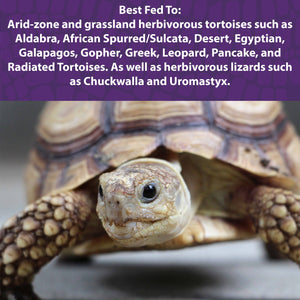
Credit: mazuri.com
Foods To Avoid
Knowing what not to feed your African Spurred Tortoise is just as important as knowing what to offer. Feeding the wrong foods can cause serious health problems or even be fatal. Avoiding harmful items helps your tortoise thrive and live a long, healthy life.
Toxic Plants And Items
Your tortoise may be curious about many plants, but some are dangerous. Avoid feeding them:
- Oleander– highly toxic and can cause heart failure.
- Azaleas and Rhododendrons– cause digestive distress and weakness.
- Buttercups– lead to mouth irritation and vomiting.
- Nightshade plants– toxic alkaloids harm the nervous system.
- Processed human foods– even small amounts can upset their digestion.
Have you ever seen your tortoise nibble on something unknown? It’s best to remove any questionable plants quickly to prevent accidental poisoning.
High-protein And Sugary Foods
African Spurred Tortoises need mostly fibrous, low-protein diets. Feeding them too much protein or sugar can damage their kidneys and shell.
- Meat and dairy products– these are not natural for tortoises and can cause serious health issues.
- Fruits high in sugarlike bananas and grapes should be rare treats, if given at all.
- Dog or cat food– these are too rich in protein and fats.
- Commercial pellets with high protein content– check labels carefully before offering.
Think about how your tortoise’s wild relatives eat mostly grasses and weeds. Would you really want to give them a candy bar? Keeping their diet natural helps avoid costly vet visits.
Feeding Schedule And Portions
Setting a proper feeding schedule and controlling portions are key to keeping your African Spurred Tortoise healthy. This tortoise thrives on a steady routine that matches its natural eating habits. Feeding at regular times helps maintain good digestion and prevents overeating.
Understanding how often and how much to feed supports your tortoise’s growth and energy. A clear feeding plan avoids common health issues like obesity or malnutrition. Let’s explore how to organize daily meals and manage portion sizes effectively.
Daily Feeding Frequency
African Spurred Tortoises eat best when given food once or twice a day. Young tortoises usually need two meals daily. Adult tortoises can do well with one meal a day. Avoid leaving food out all the time to stop overeating. Offer fresh leafy greens and vegetables during each feeding.
Observe your tortoise’s appetite and adjust meal times if needed. Consistency is important for their routine and well-being.
Portion Control Tips
Serve portions that match your tortoise’s size and age. Use about the size of your tortoise’s shell as a guide for daily food amount. Avoid large piles of food to reduce waste and overeating.
- Offer mainly high-fiber leafy greens like kale, collard greens, and dandelion.
- Include small amounts of vegetables like squash or carrots.
- Limit fruits to occasional treats, as too much sugar harms health.
Remove uneaten food after a few hours to keep the enclosure clean. This practice also helps monitor your tortoise’s eating habits closely.
Hydration And Water Needs
African Spurred Tortoises need proper hydration to stay healthy. Water supports their digestion and helps regulate body temperature. These tortoises get moisture from both food and water. Ensuring they have access to clean water is vital.
Water Sources
Fresh water must always be available in a shallow dish. The dish should be easy for the tortoise to reach and safe to prevent tipping. Rainwater or filtered water is best, avoiding tap water with chemicals. Water bowls should be cleaned daily to stop bacteria growth.
Besides drinking water, moisture in their diet counts. Fresh vegetables and fruits provide extra hydration. Leafy greens and succulent plants hold water that African Spurred Tortoises can absorb.
Soaking And Hydration Tips
Soaking tortoises helps them stay hydrated, especially in dry climates. Use lukewarm water in a shallow container just deep enough to cover their legs. Soak them for 15 to 30 minutes several times a week.
Soaking also encourages urination and helps prevent kidney problems. After soaking, dry the tortoise gently and return it to its enclosure. Avoid cold water, which can cause stress or illness.
- Offer water daily in a clean dish
- Provide fresh, water-rich foods
- Soak tortoise in lukewarm water regularly
- Keep soaking sessions short and safe
Supplements And Additives
Supplements and additives can play a key role in keeping your African Spurred Tortoise healthy and thriving. While their diet mainly consists of leafy greens and grasses, there are times when extra nutrients are necessary to fill gaps or boost their well-being. Understanding when and how to use these supplements helps you avoid overdoing it and ensures your tortoise gets exactly what it needs.
When To Use Supplements
You might wonder if your tortoise really needs supplements or if natural food is enough. Use supplements if you notice signs of poor shell growth, lethargy, or if your tortoise isn’t eating a wide variety of plants. Young, growing tortoises and pregnant females often require extra calcium and vitamins for proper development.
Also, if you feed your tortoise mostly store-bought greens, supplements can fill nutritional gaps. Ask yourself: Are you providing enough natural diversity in their diet? If not, supplements can help balance their intake.
Types Of Supplements
There are a few key supplements that benefit African Spurred Tortoises:
- Calcium powder:Essential for strong shell and bone growth. Dust food 2-3 times a week, especially for young tortoises.
- Vitamin D3:Supports calcium absorption. Needed if your tortoise has limited exposure to natural sunlight.
- Multivitamins:Useful when your tortoise’s diet lacks variety. Use sparingly to avoid overdosing.
- Probiotics:Help maintain a healthy gut, especially after antibiotic treatments or digestive issues.
Remember, too many supplements can cause problems. Observing your tortoise and consulting a vet helps you choose the right types and amounts.
Monitoring Growth And Health
Monitoring the growth and health of your African Spurred Tortoise is essential. Proper diet directly impacts their development and well-being. Observing physical changes and behaviors helps detect nutritional adequacy early. Regular checks ensure your tortoise stays strong and active.
Signs Of Proper Nutrition
- Steady, consistent growth in size and weight
- Bright, smooth shell without cracks or deformities
- Clear, alert eyes without discharge
- Active movement and normal eating habits
- Firm, well-formed stool
These signs indicate the tortoise is receiving balanced nutrients. Proper calcium and fiber intake supports shell health and digestion.
Common Dietary Issues
- Soft or pyramided shell caused by calcium deficiency
- Swollen limbs or lethargy from poor nutrition
- Diarrhea or constipation linked to improper diet
- Weight loss or stunted growth due to inadequate feeding
- Overfeeding fruits causing digestive upset
Address these issues quickly to avoid long-term health problems. Consult a vet if symptoms persist despite dietary changes.
Creating A Balanced Diet Plan
Creating a balanced diet plan for an African Spurred Tortoise ensures it stays healthy and active. These tortoises need a mix of fibers, vitamins, and minerals. Their diet should mimic their natural eating habits in the wild. Fresh greens, grasses, and occasional fruits form the core of their meals. A well-planned diet supports strong shells and steady growth. It also helps prevent common health issues.
Sample Weekly Menu
| Day | Food Items |
|---|---|
| Monday | Dandelion greens, hibiscus leaves, small amount of cactus pads |
| Tuesday | Collard greens, grass hay, few slices of bell pepper |
| Wednesday | Mustard greens, thistle, some squash pieces |
| Thursday | Endive, clover, occasional apple slice (small) |
| Friday | Turnip greens, grass hay, few strawberries |
| Saturday | Plantain leaves, dandelion greens, small carrot shreds |
| Sunday | Mixed salad of dark leafy greens and some grass hay |
Adjusting Diet For Age And Size
Young tortoises need more protein and calcium for growth. Offer fresh greens daily and calcium supplements. Avoid fruits as main food for juveniles; use only as treats.
Adult tortoises require high-fiber and low-protein diets. Focus on grasses and leafy greens to maintain health. Limit fruits and sugary vegetables to avoid weight gain.
Large tortoises eat bigger portions but still need the same balance. Adjust the quantity, not the type, of food offered. Always provide fresh water and monitor eating habits.
Frequently Asked Questions
What Is The Natural Diet Of African Spurred Tortoise?
African Spurred Tortoises mainly eat grasses, weeds, and leafy greens in the wild. They prefer high-fiber, low-protein plants for healthy digestion and growth.
Can African Spurred Tortoises Eat Fruits And Vegetables?
Yes, but fruits should be given sparingly as treats. Vegetables like squash and dandelion greens are good occasional additions to their diet.
How Often Should I Feed My African Spurred Tortoise?
Feed them daily with fresh, fiber-rich greens. Young tortoises may need feeding twice a day, while adults usually eat once a day.
What Foods Should Be Avoided For African Spurred Tortoise?
Avoid high-protein foods, processed items, and sugary fruits. Also, do not feed iceberg lettuce or toxic plants that can harm their health.
Conclusion
Feeding an African spurred tortoise the right food keeps it healthy. They need mostly plants, like grasses and leafy greens. Avoid giving them too much fruit or protein. Fresh water should always be near their habitat. Watch their eating habits to spot any problems early.
A balanced diet helps them grow strong and live long. Caring for their diet shows you care for your pet. Simple steps make a big difference in their health. Keep learning about their needs to give the best care. Your tortoise will thank you with a happy life.







