
Are you tired of diets that promise the world but leave you feeling fatigued and unsatisfied? The Ray Peat Diet might just be the refreshing change you need.
Imagine a diet that encourages you to eat foods you love while boosting your energy and supporting your health. Sounds intriguing, right? The Ray Peat Diet is more than just a trend; it’s a holistic approach to nutrition that focuses on balancing hormones and optimizing your metabolism.
By understanding the unique principles of this diet, you can unlock a new level of vitality and well-being. Ready to discover how? Let’s dive into the fascinating world of the Ray Peat Diet and see how it can transform your health journey.
Credit: nutritionwithjudy.medium.com
Core Principles
The core principles of the Ray Peat Diet revolve around enhancing your body’s natural functions rather than following restrictive rules. This approach focuses on improving metabolism, balancing hormones, and reducing inflammation through thoughtful food choices. Understanding these principles can help you make smarter decisions about what you eat and how it affects your body.
Focus On Metabolism
The Ray Peat Diet prioritizes boosting your metabolism to improve energy and overall health. You’re encouraged to eat foods that support thyroid function, like fruits, dairy, and certain proteins.
For example, consuming ripe fruits like oranges and berries provides quick energy and supports metabolic rate. Avoiding polyunsaturated fats found in many vegetable oils helps prevent metabolic slowdown.
Have you noticed how your energy dips after certain meals? Paying attention to how your metabolism reacts to different foods can guide you to better choices.
Hormone Optimization
Balancing hormones is key in this diet. It suggests eating foods that support progesterone, thyroid hormones, and reduce stress hormones like cortisol.
Dairy products, eggs, and gelatin-rich foods help stabilize hormone levels. You might find that including these in your meals reduces mood swings and improves sleep quality.
Are your hormones affecting your mood or energy? Adjusting your diet to support hormonal health can make a noticeable difference.
Anti-inflammatory Foods
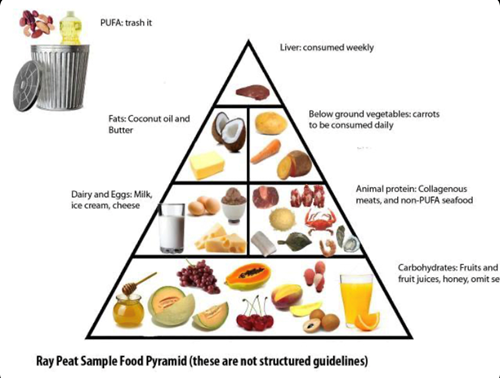
The diet emphasizes foods that reduce inflammation and protect cells from damage. Instead of avoiding fats altogether, it encourages saturated fats like coconut oil and butter.
Fruits, root vegetables, and certain cheeses also play a role in calming inflammation. Including these regularly may help you feel less bloated and more comfortable.
What if the foods you eat could ease inflammation and improve your well-being? Choosing anti-inflammatory options might be the simple change your body needs.
Credit: www.ivyherbal.com
Key Foods To Include
The Ray Peat diet emphasizes specific foods that support metabolic health, hormone balance, and energy. Choosing the right ingredients can help you feel more energetic and maintain a healthy weight without feeling deprived. Let’s look at the key foods you should include to get the most benefits from this approach.
Fruits And Natural Sugars
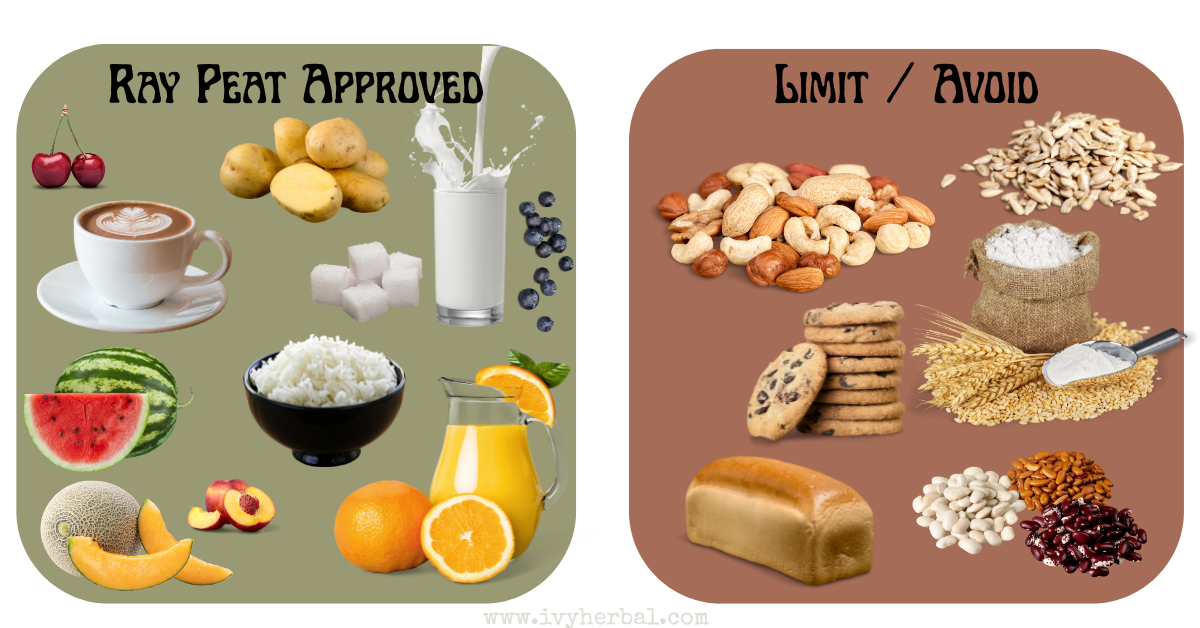
Fruits are a cornerstone of the Ray Peat diet because they provide easy-to-digest sugars that fuel your body efficiently. Oranges, pineapples, and ripe bananas are excellent choices that offer vitamins and natural sweetness. You might be surprised how much better you feel by swapping processed sugars for these natural options.
Honey and maple syrup are also encouraged as natural sweeteners. They not only satisfy your sweet tooth but also support thyroid function and metabolism. Have you noticed how natural sugars can boost your energy without the crash?
Dairy And Cheese
Dairy products like milk, cream, and cheese are valued for their calcium and saturated fat content on the Ray Peat diet. Full-fat dairy helps with hormone production and provides a steady source of energy. Avoid low-fat or skim varieties—they often contain additives that can disrupt your metabolism.
Cheeses such as cottage cheese and cream cheese are gentle on the digestive system and pair well with fruits. Including these in your meals can make your diet more enjoyable and sustainable.
Coconut And Saturated Fats
Saturated fats, especially from coconut oil, play a crucial role in the Ray Peat diet. Coconut oil supports thyroid health and provides a quick source of energy your body can easily use. Unlike many diets that warn against saturated fats, here they are a vital part of your daily intake.
Other sources include butter and animal fats. Using these fats in cooking adds flavor and helps your body absorb fat-soluble vitamins. Have you tried cooking with coconut oil instead of vegetable oils?
Eggs And Meat Choices
Eggs are a rich source of protein, vitamins, and minerals that align well with Ray Peat’s recommendations. They support muscle repair and hormone balance. Choose pasture-raised eggs when possible for the best nutritional value.
Meat choices should focus on quality and digestibility. Organ meats like liver provide dense nutrition, while lean cuts of beef, pork, and chicken supply essential amino acids. You don’t have to eat large quantities; small, regular servings can nourish your body effectively.
Foods To Avoid
Choosing the right foods is crucial on the Ray Peat Diet. Avoiding certain items can help you feel more energetic, reduce inflammation, and support your metabolism. Let’s look closely at what you should skip to get the best results.
Polyunsaturated Fats
Polyunsaturated fats (PUFAs) are common in many vegetable oils and processed foods. These fats can cause inflammation and stress your cells, which goes against the Ray Peat principles.
You might be surprised how often PUFAs hide in snacks, salad dressings, and even some nuts. Try to minimize foods like sunflower seeds, walnuts, and flaxseeds, especially if they’re raw or cold-pressed.
Processed Grains And Sugars
Processed grains and sugars often spike your blood sugar and disrupt hormone balance. White bread, pastries, and many breakfast cereals fall into this category.
Instead of relying on these, focus on natural sugars from fruits like oranges and pineapple. Your body will respond better, and you’ll avoid the energy crashes linked to processed carbs.
Vegetable Oils
Vegetable oils such as soybean, corn, and canola oil are loaded with harmful fats. They oxidize easily during cooking and can damage your cells.
Have you noticed increased fatigue or digestive issues after meals with these oils? Switching to butter, coconut oil, or olive oil can make a big difference in how you feel.
Excessive Caffeine
Caffeine is a tricky one. Small amounts can boost your metabolism, but too much may raise stress hormones and interfere with sleep.
Consider cutting back if you rely on multiple cups of coffee daily. How many cups do you drink before you start feeling jittery or anxious? Finding your personal limit is key.
Benefits For Energy
The Ray Peat Diet offers several benefits that directly impact your energy levels. It focuses on improving how your body creates and uses energy, helping you feel more vibrant throughout the day. Let’s look at the specific ways this diet can boost your energy.
Improved Metabolic Rate
Your metabolism is the engine that burns fuel to keep you going. The Ray Peat Diet emphasizes foods that support thyroid health, like fruits, dairy, and certain fats, which can raise your metabolic rate.
When your metabolism runs efficiently, you burn calories more effectively and avoid sluggishness. Have you noticed how some days you feel more awake and alert after eating certain meals? That’s your metabolism in action.
Steady Blood Sugar Levels
Energy crashes can happen when your blood sugar spikes and then drops quickly. The Ray Peat Diet helps maintain steady blood sugar by including easily digestible sugars from fruits and honey, avoiding processed carbs that cause swings.
Stable blood sugar means you avoid the afternoon slumps and mood dips. How would your day change if your energy stayed consistent from morning till night?
Enhanced Mitochondrial Function
Mitochondria are the power plants inside your cells. The diet promotes nutrients like vitamin A, magnesium, and antioxidants that protect and improve mitochondrial function.
Better mitochondria mean your cells produce energy more efficiently, reducing fatigue. Imagine having more energy for your workouts or creative projects—doesn’t that sound worth trying?
Hormone Balance Effects
The Ray Peat Diet focuses heavily on supporting your hormone balance to improve overall health. Hormones control many body functions, so stabilizing them can lead to increased energy and well-being. Let’s look closely at how this diet influences key hormones and what that means for you.
Thyroid Support
Your thyroid gland controls metabolism, energy levels, and body temperature. The Ray Peat Diet encourages foods rich in nutrients like vitamin A, magnesium, and saturated fats, which help optimize thyroid function.
Eating fruits like oranges and papayas, along with dairy and gelatin, can support thyroid hormone production. Have you noticed changes in your energy or mood after adjusting your diet? This might be due to improved thyroid health.
Stress Hormone Regulation
Cortisol, the main stress hormone, can disrupt sleep and digestion when elevated. The Ray Peat Diet emphasizes sugar from fruit and dairy to help lower excessive cortisol levels naturally.
Including foods like coconut oil and coffee can also calm your stress response. What if a simple change in your snacks could reduce your anxiety? Trying these foods might bring surprising relief.
Estrogen And Progesterone Balance
Hormonal imbalance between estrogen and progesterone often causes mood swings and weight gain. This diet helps balance these hormones by reducing foods that promote estrogen dominance, such as polyunsaturated fats.
Consuming more saturated fats and certain sugars can support progesterone production and help clear excess estrogen. Have you considered that tweaking your fat intake could stabilize your mood and hormonal health?

Credit: www.amazon.ca
Meal Planning Tips
Planning meals on the Ray Peat Diet can feel different from usual dieting strategies. It focuses on nutrient-rich, easily digestible foods that support metabolism and hormonal balance. Getting your meal plan right helps you feel energized and keeps cravings in check.
Balancing Macronutrients
The Ray Peat Diet encourages a balance of carbohydrates, proteins, and fats that supports thyroid function and energy production. You want to emphasize easily digestible carbs like fruits and root vegetables, moderate protein from dairy, eggs, and shellfish, and healthy saturated fats such as coconut oil and butter.
Instead of cutting fats or carbs drastically, aim to pair them thoughtfully. For example, pairing fruit with some cream or cheese can improve digestion and keep blood sugar stable. Have you noticed how small changes in food combinations affect your energy throughout the day?
Timing And Frequency
Eating regularly is key on this diet, as it helps maintain stable blood sugar and hormone levels. Try to eat every 3 to 4 hours and avoid skipping meals, especially breakfast. This supports your metabolism and reduces stress on your body.
Some find eating slightly larger meals earlier in the day works best, while others prefer more frequent smaller meals. Listen to your body’s signals and adjust your timing to fit your lifestyle and energy needs.
Sample Meal Ideas
- Breakfast:Orange juice, scrambled eggs cooked in butter, and a bowl of ripe papaya or banana.
- Lunch:Fresh shrimp or sardines, steamed carrots, and a side of cottage cheese.
- Snack:A glass of milk with honey and a handful of walnuts.
- Dinner:Grass-fed beef liver sautéed in coconut oil, mashed sweet potatoes, and a small salad with olive oil.
These meals highlight simple ingredients that nourish without overwhelming digestion. What simple meal combinations have you found that keep you satisfied and energized?
Common Challenges
Starting the Ray Peat Diet can bring several unexpected challenges. These obstacles might test your commitment and patience. Understanding them upfront helps you stay on track and make smarter choices.
Adapting To Dietary Changes
Switching to the Ray Peat Diet means changing what you’re used to eating. Your body might initially resist foods like coconut oil or certain fruits if you haven’t eaten them before. It’s normal to feel unsure or uncomfortable at first.
Try small steps like adding one new food each week instead of overhauling your entire diet at once. Notice how your energy or mood shifts with each change. This approach can make adaptation smoother and less overwhelming.
Managing Cravings
Cravings for sugar, caffeine, or processed snacks can hit hard when you start this diet. You might wonder if you’ll ever enjoy your favorite treats again. The key is finding satisfying alternatives that fit the Ray Peat guidelines.
For instance, swapping coffee for herbal teas or using fresh fruit instead of candy can help. Also, ask yourself what triggers your cravings—is it stress, boredom, or habit? Understanding this can make managing cravings easier.
Finding Quality Ingredients
One challenge many face is sourcing the specific, high-quality ingredients the diet recommends. Things like fresh, pasture-raised dairy or ripe tropical fruits aren’t always easy to find locally. This can feel frustrating and limit your options.
Look into farmers’ markets, specialty stores, or even online suppliers to get what you need. Planning your shopping ahead can save time and reduce last-minute compromises. Have you checked if your local store carries grass-fed butter or fresh oranges lately?
Scientific Insights
The Ray Peat diet has attracted attention for its unique approach to nutrition and metabolism. Scientific insights help you understand how this diet might influence your body beyond just weight loss or calorie counting. Let’s break down what research says about its metabolic effects, hormone impact, and the controversies it stirs.
Research On Metabolic Effects
The Ray Peat diet emphasizes foods like fruits, dairy, and certain sugars that are said to boost metabolism. Studies have shown that some of these foods can increase thyroid function, which plays a crucial role in how your body burns energy.
For example, consuming adequate amounts of carbohydrates, especially from fruit sugars, may help prevent metabolic slowdown. This contrasts with many popular diets that promote low-carb intake, which can sometimes reduce metabolic rate.
Have you noticed how some diets leave you feeling tired or sluggish? The Peat approach aims to keep your metabolism active, but more large-scale studies are needed to confirm these claims fully.
Studies On Hormone Impact
Hormones like thyroid hormone, progesterone, and cortisol are central to Ray Peat’s dietary philosophy. Research suggests that supporting thyroid health through nutrition can improve energy and mood.
The diet also promotes foods that might balance estrogen and progesterone levels, potentially reducing symptoms related to hormonal imbalances. For instance, some people report better sleep and less anxiety when following Peat’s guidelines.
Still, hormone responses can vary widely between individuals. What works for one person might not work the same way for you. Have you tracked your mood and energy changes when adjusting your diet?
Critiques And Controversies
Despite some positive findings, the Ray Peat diet faces criticism from parts of the scientific community. Critics argue that many claims lack robust clinical trials and rely heavily on anecdotal evidence.
Some experts question the high intake of saturated fats and sugars promoted by the diet, pointing to potential risks for heart health and blood sugar control. It’s important to weigh these concerns against your personal health goals and conditions.
How do you balance trusting new dietary ideas with established scientific advice? Staying informed and listening to your body can guide you through these conflicting messages.
Frequently Asked Questions
What Is The Ray Peat Diet?
The Ray Peat diet focuses on metabolic health using nutrient-dense foods. It emphasizes fruits, dairy, and saturated fats. The diet limits polyunsaturated fats and grains. It aims to support thyroid function and reduce inflammation.
Which Foods Are Allowed In The Ray Peat Diet?
Allowed foods include ripe fruits, dairy, eggs, shellfish, and root vegetables. It encourages coconut oil, butter, and honey. The diet limits processed foods, grains, and vegetable oils high in polyunsaturated fats.
How Does The Ray Peat Diet Affect Metabolism?
The diet supports thyroid health, which boosts metabolism naturally. It reduces stress hormones and inflammation. This helps improve energy levels and promotes better weight management.
Is The Ray Peat Diet Suitable For Everyone?
It may benefit those with thyroid or hormonal imbalances. However, individual needs vary, so consult a healthcare provider before starting. It’s not recommended for people with dairy or egg allergies.
Conclusion
The Ray Peat Diet focuses on whole, natural foods. It aims to support metabolism and hormone health. Many find it helps with energy and digestion. Simple choices like fruits, dairy, and cooked vegetables matter. Avoiding processed oils and sugars is key.
This diet encourages listening to your body’s needs. Small changes can lead to better well-being. Try it step by step and see how you feel. The Ray Peat Diet offers a fresh way to eat for health.







