
Are you curious about what’s really in your can of Diet Coca Cola? You’re not alone.
Many people reach for this popular beverage to satisfy their cravings without the extra calories. But what’s the real story behind its nutrition label? You might be surprised at what you find. Understanding what you’re consuming can empower you to make better choices for your health and lifestyle.
Dive into this article to uncover the facts and discover whether Diet Coca Cola fits into your nutritional goals. It’s time to get informed and make the best decision for you. Keep reading to find out more!
Diet Coca Cola Ingredients
Diet Coca Cola contains a blend of ingredients designed to deliver the classic cola taste without the sugar. The formula replaces sugar with artificial sweeteners. It also uses other additives to maintain flavor and freshness. Understanding these ingredients helps explain its low calorie content.
Artificial Sweeteners Used
Diet Coca Cola uses artificial sweeteners to provide sweetness without calories. The main sweeteners are:
- Aspartame
- Acesulfame potassium (Ace-K)
Aspartame is about 200 times sweeter than sugar. Ace-K enhances sweetness and masks aftertaste. These sweeteners keep the drink low in calories.
Calories And Macronutrients
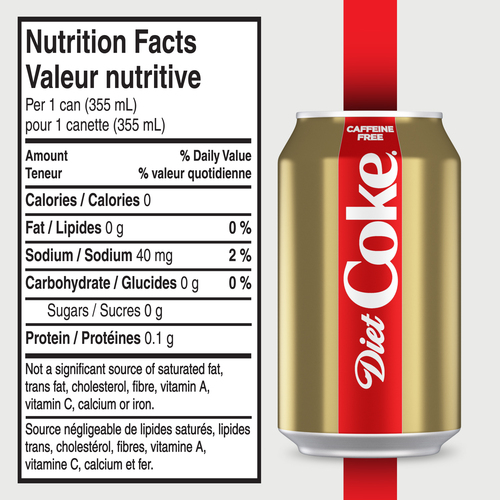
Diet Coca Cola has almost zero calories. It contains no fat, protein, or carbohydrates. This makes it suitable for calorie-conscious people. A typical 12-ounce can usually has:
| Nutrient | Amount |
|---|---|
| Calories | 0-1 |
| Fat | 0 g |
| Protein | 0 g |
| Carbohydrates | 0 g |
Other Additives
Besides sweeteners, Diet Coca Cola contains several additives:
- Carbonated water for fizz
- Phosphoric acid for tartness
- Natural flavors for taste
- Caffeine for mild stimulation
- Citric acid as a preservative
These ingredients create the familiar flavor and mouthfeel. They also keep the drink fresh and enjoyable.
Calories And Sugar Content
Understanding the calories and sugar content in Diet Coca Cola can change how you view this popular beverage. Many people reach for Diet Coke thinking it’s a guilt-free alternative to regular soda. But what does that mean for your daily nutrition and energy levels?
Comparison With Regular Coke
Regular Coca Cola contains about 140 calories and 39 grams of sugar per 12-ounce can. These sugars add to your daily calorie intake and can quickly add up if you drink multiple cans a day.
Diet Coca Cola, on the other hand, has zero calories and zero sugar. It uses artificial sweeteners like aspartame to provide sweetness without the calories. This means you can enjoy the flavor without worrying about sugar spikes or calorie overload.
Impact On Daily Calorie Intake
Cutting out regular soda and switching to Diet Coca Cola can save you hundreds of calories weekly. If you drink two cans daily, that’s nearly 300 calories less each day. Over time, this can help with weight management or reduce your risk of sugar-related health issues.
However, be mindful that zero-calorie drinks don’t replace the nutritional value of water or natural beverages. Consider how your overall diet looks and whether you’re balancing your choices to support your health goals.
Have you noticed how your energy or cravings change after switching from regular soda to Diet Coke? Your body’s response can tell you a lot about what works best for your diet.
Effects On Weight Management
Diet Coca Cola often appears as a popular choice for people watching their weight. It contains zero calories, which means it does not add energy to the diet. This factor makes it different from regular sugary sodas. Understanding how it affects weight management helps make better drink choices.
Role In Weight Loss Or Gain
Diet Coca Cola has no calories, so it does not directly cause weight gain. Many use it to reduce sugar intake. This can help lower overall calorie consumption. Yet, some studies show mixed results. Some suggest diet drinks might not help with weight loss. Others find no effect or slight benefits. Drinking it alone will not cause weight loss. It needs to be part of a balanced diet and exercise plan.
Influence On Appetite And Cravings
Artificial sweeteners in Diet Coca Cola can affect appetite. Some people report feeling hungrier after drinking diet soda. The sweet taste may trigger cravings for sweet foods. This can lead to eating more calories later. Others find no change in their hunger. Individual reactions vary widely. Watching how your body responds helps control cravings better.
Impact On Metabolism
Diet Coca Cola is popular for its low-calorie content. People often wonder how it affects metabolism. Metabolism controls how your body uses energy. Drinks with artificial sweeteners may change metabolic processes. Understanding this impact helps make informed choices.
How Sweeteners Affect Metabolic Rate
Diet Coca Cola uses artificial sweeteners like aspartame and acesulfame potassium. These sweeteners provide sweetness without calories. Research shows mixed effects on metabolic rate. Some studies suggest artificial sweeteners might slightly slow metabolism. Others find no significant change.
Sweeteners can influence gut bacteria, which play a role in metabolism. Changes in gut bacteria may affect how the body processes sugar and fats. The effect varies between individuals. More research is needed to confirm clear results.
Long-term Metabolic Health Considerations
Regular consumption of Diet Coca Cola may impact long-term metabolic health. Some studies link artificial sweeteners to increased hunger and cravings. This can lead to higher calorie intake later. Over time, it might affect weight management and insulin sensitivity.
People with metabolic disorders should monitor their intake carefully. Artificial sweeteners might have different effects on blood sugar control. Consulting a healthcare provider is recommended for personalized advice.
Dental Health And Diet Coke
Diet Coke is a popular low-calorie beverage choice for many people. Its impact on dental health raises some questions. Understanding how Diet Coke affects teeth helps make better drink choices. The focus lies on tooth enamel and cavity risks.
Effect On Tooth Enamel
Diet Coke contains acids like phosphoric acid and citric acid. These acids can soften tooth enamel over time. Soft enamel means teeth become weaker and more sensitive. Drinking Diet Coke frequently increases acid exposure. This can lead to enamel erosion and damage. Brushing teeth right after drinking can harm enamel more. Waiting at least 30 minutes before brushing helps protect enamel.
Risk Of Cavities
Diet Coke has no sugar, so it does not feed cavity-causing bacteria directly. This lowers the chance of cavities compared to sugary sodas. Still, acid in Diet Coke can wear enamel and create rough surfaces. Rough enamel traps food and bacteria, raising cavity risk. Rinsing mouth with water after drinking Diet Coke reduces acid effects. Regular dental checkups help spot early signs of cavities or enamel loss.
Diet Coke And Hydration
Understanding how Diet Coke affects your hydration is important, especially if you often reach for this fizzy drink throughout the day. While many enjoy its taste and low-calorie content, it’s worth examining how it stacks up against plain water when it comes to keeping you hydrated. Let’s look closer at how Diet Coke interacts with your body’s fluid balance and hydration needs.
Comparison With Water
Water is the gold standard for hydration. It contains zero calories, no additives, and is absorbed quickly by your body.
Diet Coke, on the other hand, contains caffeine and artificial sweeteners. Caffeine is a mild diuretic, which means it can increase urine production slightly. But does this mean Diet Coke dehydrates you?
Research shows that moderate consumption of caffeinated drinks like Diet Coke does not cause significant dehydration. Your body adapts, and the fluid you get from the drink still counts toward your daily hydration needs.
Still, water remains the best choice for quenching thirst and replenishing fluids without any added substances. Have you noticed how much more refreshed you feel after drinking water compared to soda?
Effects On Fluid Balance
Diet Coke’s caffeine content can influence your fluid balance, but the effect is usually minor. If you drink several cans a day, the caffeine might lead to increased trips to the bathroom.
This can make you feel like you’re losing fluids, but overall, your body manages to maintain balance by adjusting how it processes fluids.
Artificial sweeteners and acidity in Diet Coke don’t directly affect hydration but may impact digestion or cause mild stomach discomfort in some people. Pay attention to how your body reacts if you consume it frequently.
Think about your daily fluid sources. Are you relying mostly on Diet Coke, or do you mix in plenty of water? Balancing both can help you stay properly hydrated without missing out on the enjoyment of your favorite drink.
Potential Health Risks
Understanding the potential health risks of Diet Coca Cola is essential if you regularly choose it over other beverages. While it offers zero calories, the ingredients and their effects on your body raise important questions. Knowing what you’re consuming helps you make smarter choices for your well-being.
Links To Chronic Diseases
Some studies suggest a connection between frequent consumption of diet sodas and chronic diseases like type 2 diabetes and heart disease. Artificial sweeteners in Diet Coca Cola can affect your metabolism and insulin response, which might increase health risks over time.
Think about how often you drink diet sodas daily. Could this habit silently influence your risk for serious conditions? Reducing intake or alternating with healthier drinks could lower these risks.
Concerns Over Artificial Ingredients
Diet Coca Cola contains artificial sweeteners such as aspartame and acesulfame potassium. Although approved by food safety authorities, some people report headaches, digestive issues, or allergic reactions after consumption.
Beyond sweeteners, additives and preservatives may also impact gut health and overall digestion. Listening to your body’s reactions after drinking Diet Coke can provide clues about your tolerance.
Would you consider swapping Diet Coca Cola for natural alternatives like infused water or herbal teas? Small changes in your drink choices can support better health in the long run.

Credit: www.valumart.ca
Benefits Of Choosing Diet Coke
Choosing Diet Coke can offer several advantages for those wanting a flavorful drink without extra calories. It provides a refreshing option that fits into many diets. The benefits go beyond just taste and calorie count, making it a popular choice for various needs.
Low-calorie Alternative
Diet Coke contains almost no calories, making it a smart choice for weight management. It lets you enjoy a fizzy drink without adding sugar or fat. This helps control daily calorie intake easily. A low-calorie beverage can support healthier eating habits.
Suitability For Diabetics
Diet Coke has no sugar, which helps keep blood sugar levels stable. It can be a safer drink option for people with diabetes. The artificial sweeteners used do not raise glucose levels. This makes Diet Coke a preferred drink for those managing diabetes.
Tips For Moderation
Enjoying Diet Coca Cola can be part of your daily routine, but moderation is key to maintaining a balanced lifestyle. Knowing how much to drink and how to pair it with healthy habits will help you enjoy it without overdoing it. Let’s look at practical tips that can keep your Diet Coke intake in check while supporting your overall well-being.
Recommended Serving Sizes
Most standard cans of Diet Coca Cola contain about 12 ounces (355 ml). Sticking to one can per day is a simple rule to avoid excess caffeine and artificial sweeteners.
If you prefer bottles, a typical serving ranges from 16 to 20 ounces. It’s easy to lose track when the bottle is large, so try pouring a measured amount into a glass instead of drinking straight from the bottle.
Think about how often you reach for Diet Coke. Could you replace some servings with water or herbal tea? This small change can make a big difference without cutting out your favorite drink completely.
Balancing Diet Coke With Healthy Habits
Pairing your Diet Coca Cola with nutrient-rich meals helps balance your diet. For instance, if you enjoy a Diet Coke with lunch, add a colorful salad or steamed veggies to boost fiber and vitamins.
Hydration matters. Drinking water alongside your Diet Coke helps flush out caffeine and keeps your body refreshed. Try alternating sips between Diet Coke and water throughout the day.
Physical activity also plays a role. If you notice you’re relying on Diet Coke for an energy boost, consider a quick walk or stretching instead. You might find these natural energy fixes more satisfying over time.
Have you ever noticed how your cravings change when you adjust your Diet Coke intake? Paying attention to your body’s signals can guide smarter choices and better balance.

Credit: shopwoodmans.com
Credit: www.sobeys.com
Frequently Asked Questions
What Are The Main Ingredients In Diet Coca Cola?
Diet Coca Cola primarily contains carbonated water, caramel color, aspartame, phosphoric acid, potassium benzoate, natural flavors, and caffeine. It uses artificial sweeteners instead of sugar to provide sweetness without calories. This combination creates its distinct taste and zero-calorie profile.
How Many Calories Does Diet Coca Cola Have?
Diet Coca Cola contains zero calories per serving. It is specifically designed as a low-calorie alternative to regular soda. This makes it popular among people who want to reduce calorie intake while enjoying a fizzy drink.
Is Diet Coca Cola Safe For Daily Consumption?
Diet Coca Cola is considered safe for most people when consumed in moderation. It contains approved artificial sweeteners like aspartame, which are regulated by health authorities. Excessive intake of any soft drink is not recommended for overall health.
Does Diet Coca Cola Contain Caffeine?
Yes, Diet Coca Cola contains caffeine, typically around 46 mg per 12 oz can. This amount is similar to a cup of tea and provides a mild stimulating effect. Caffeine levels can vary slightly by serving size.
Conclusion
Diet Coca Cola offers a low-calorie alternative to regular soda. It contains no sugar but includes artificial sweeteners. People choose it to reduce calorie intake without losing taste. Still, drinking it in moderation is key to staying healthy. Knowing its nutrition helps make better drink choices every day.
Try to balance Diet Coca Cola with water and natural drinks. Enjoy your beverage, but keep your health in mind. Simple steps lead to better habits and well-being.







