
Imagine a diet that not only tantalizes your taste buds but also brings you closer to the vibrant lifestyle of sunny Spain. The Valencia Diet does just that.
It’s not a fad; it’s a flavorful way of living that celebrates fresh, wholesome ingredients and a balanced approach to eating. As you dive into this article, you’ll discover how the Valencia Diet can transform your meals and your health.
Does the idea of enjoying delicious paella, ripe oranges, and fresh seafood while maintaining a healthy lifestyle excite you? If so, you’re in for a treat. Keep reading to uncover how this diet can make every meal an adventure and rejuvenate your approach to food.
Mediterranean Roots
The Valencia diet is deeply rooted in Mediterranean traditions. This diet reflects the rich culture and history of the region. Its flavors and ingredients come from the Mediterranean Sea and the fertile lands nearby.
People in Valencia have long enjoyed fresh, natural foods. The Mediterranean diet is known for being healthy and balanced. It includes a variety of fruits, vegetables, and seafood. The Valencia diet follows these principles closely, making it both tasty and good for health.
History Of Valencia Cuisine
Valencia cuisine dates back centuries. It mixes influences from Romans, Moors, and other Mediterranean peoples. Each group added new flavors and cooking methods. This created a diverse and unique food culture.
Rice became a staple ingredient thanks to the Moors. They introduced advanced irrigation techniques. This allowed farmers to grow rice in the region’s dry climate. Paella, the famous rice dish, originates from Valencia.
Fishing also shaped the diet. Fresh fish and seafood are common on the table. Traditional recipes often combine land and sea produce. This creates rich, balanced meals enjoyed by locals and visitors.
Key Mediterranean Ingredients
- Olive oil – the main fat used in cooking
- Fresh vegetables – tomatoes, peppers, and artichokes
- Fruits – oranges, lemons, and figs
- Seafood – shrimp, mussels, and cuttlefish
- Rice – especially for paella dishes
- Herbs – rosemary, thyme, and saffron
- Nuts – almonds and pine nuts
These ingredients create simple, flavorful meals. The diet focuses on fresh, seasonal foods. It avoids processed items and heavy meats. This makes the Valencia diet healthy and satisfying.
Core Foods In The Valencia Diet
The Valencia Diet focuses on fresh, natural ingredients that support health and vitality. It emphasizes foods that provide essential nutrients and promote balance. These core foods reflect the Mediterranean lifestyle and local traditions in Valencia, Spain.
Fresh Fruits And Vegetables
Fresh fruits and vegetables are the foundation of the Valencia Diet. They offer vitamins, minerals, and fiber needed for good health. Common choices include oranges, tomatoes, peppers, and leafy greens. These foods are often eaten raw or lightly cooked to keep nutrients intact.
Whole Grains And Legumes
Whole grains and legumes provide steady energy and important nutrients. Brown rice, barley, and whole wheat are popular grains in the diet. Legumes like chickpeas, lentils, and beans add protein and fiber. These foods help maintain stable blood sugar and promote digestive health.
Seafood And Lean Proteins
Seafood is a key protein source in the Valencia Diet. Fish like sardines, hake, and sea bream are common choices. These fish provide omega-3 fatty acids that support heart health. Lean proteins such as chicken and eggs also appear regularly. They supply essential amino acids without excess fat.
Healthy Fats And Olive Oil
Healthy fats play a major role in this diet. Olive oil is the main fat used for cooking and dressings. It contains antioxidants and monounsaturated fats that improve cholesterol levels. Nuts and seeds also contribute healthy fats and add texture. These fats help with nutrient absorption and keep you full longer.
Typical Meals And Recipes
The Valencia diet is a vibrant mix of fresh ingredients and simple cooking that highlights the rich flavors of the Mediterranean. Its typical meals reflect the region’s agricultural abundance and coastal location. Knowing these recipes can help you bring a taste of Valencia right into your kitchen.
Traditional Breakfasts
Breakfast in Valencia often includes fresh bread with tomato and olive oil, known as “pan con tomate”. It’s light but packed with flavor and energy to start your day. Sometimes, you’ll find horchata, a refreshing drink made from tiger nuts, alongside sweet fartons, perfect for dipping.
Have you tried making your own horchata? It’s easier than you think and a great way to experience a true Valencian morning. Adding a slice of local cheese or jamón can turn this simple meal into something special without extra effort.
Popular Lunch And Dinner Dishes
Lunch and dinner in Valencia often revolve around rice dishes, with paellabeing the most famous. Traditional Valencian paella includes rabbit, chicken, and sometimes snails, cooked with saffron and fresh vegetables. It’s a hearty, communal dish that brings people together.
Seafood lovers can enjoy dishes like arroz a bandaor fideuà, a noodle-based dish similar to paella but with a different texture. These meals are balanced, combining protein, carbs, and plenty of fresh produce.
Snacks And Light Bites
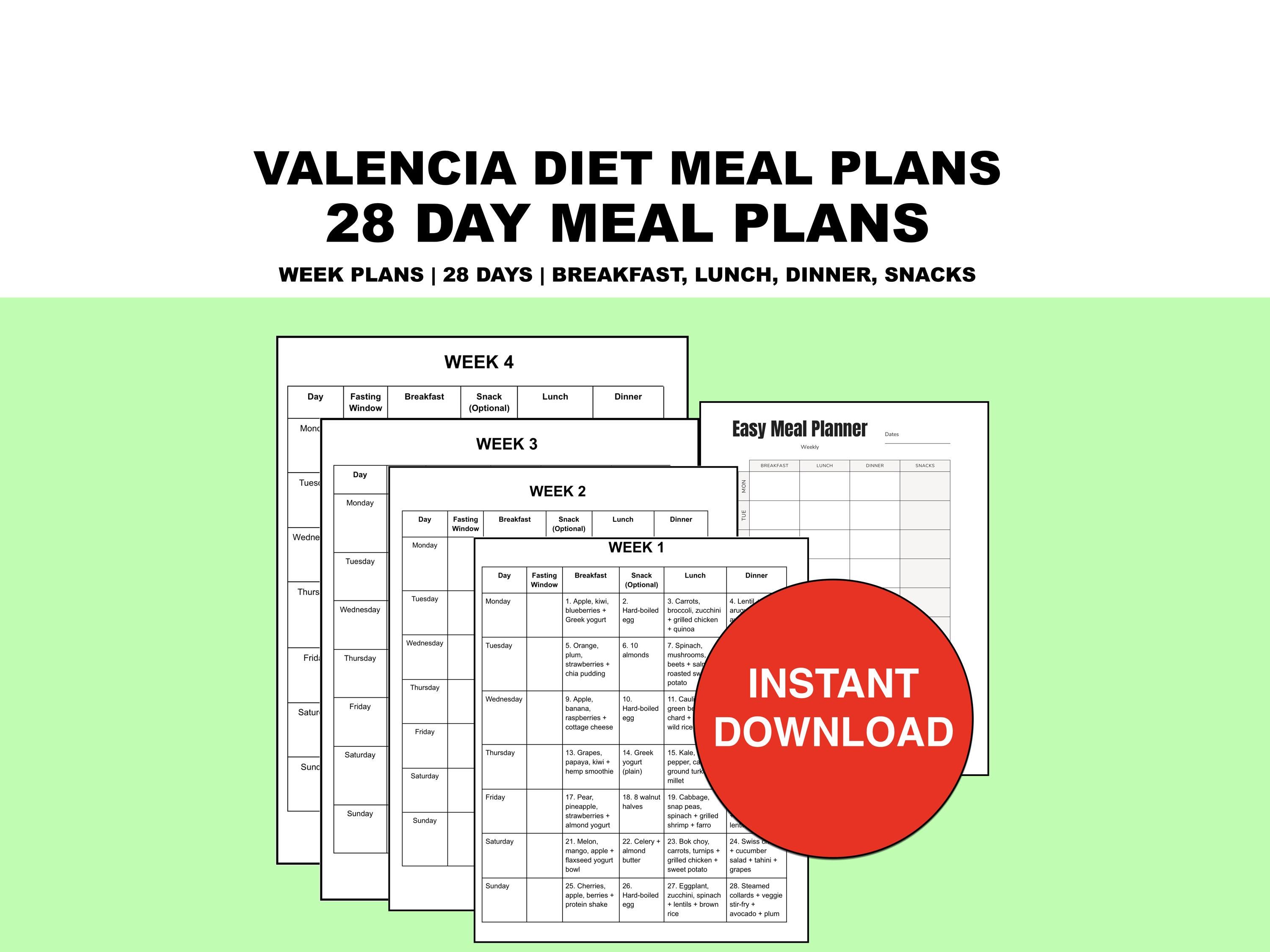
Valencian snacks often focus on fresh vegetables and seafood. Esqueixada, a salad made with shredded salt cod, tomatoes, onions, and olives, offers a tangy, refreshing bite. You’ll also find clóchinas, small mussels steamed with herbs, perfect for a light snack.
These small dishes show how the Valencia diet values fresh, simple ingredients. When you’re hungry between meals, why not try preparing these quick, healthy bites yourself? They’re easy, flavorful, and keep your energy up without weighing you down.
Credit: www.etsy.com
Health Benefits
The Valencia Diet offers a variety of health benefits that can improve your overall quality of life. It’s not just about eating fresh and natural foods; it’s about how these choices impact your body’s functions and long-term wellness. Understanding these benefits can help you make smarter decisions about what you put on your plate every day.
Heart Health And Cholesterol
The Valencia Diet emphasizes foods rich in healthy fats, such as olive oil and nuts, which support heart health. These fats help lower bad cholesterol (LDL) while raising good cholesterol (HDL). You might notice better blood pressure and improved circulation when you stick to these heart-friendly options.
Have you ever checked your cholesterol levels after changing your diet? Many people see improvements within just a few weeks of following this eating plan.
Weight Management
This diet is naturally balanced with plenty of fiber-rich fruits and vegetables, which help control hunger and reduce overeating. It encourages moderate portions and whole foods, making it easier to maintain a healthy weight without feeling deprived.
Instead of focusing on strict calorie counting, the Valencia Diet helps you feel full with nutrient-dense meals. How does your body respond when you eat more real food and fewer processed snacks?
Anti-inflammatory Effects
Chronic inflammation can lead to many health problems, but the Valencia Diet includes ingredients known to fight inflammation naturally. Foods like tomatoes, garlic, and fresh herbs contain antioxidants that reduce oxidative stress and soothe your body.
People who adopt this diet often report less joint pain and improved energy levels. Could reducing inflammation be the key to feeling better every day?
Longevity And Well-being
Eating a diet rich in whole, natural foods supports not just your physical health but also your mental clarity and mood. The Valencia Diet’s focus on variety and freshness provides essential vitamins and minerals that keep your body functioning well over time.
Many who follow this diet notice a lasting improvement in how they feel overall. What small changes can you make to boost your well-being and add years to your life?
Meal Planning Tips
Planning your meals around the Valencia Diet can transform your eating habits into a joyful and healthy routine. It’s about making smart choices that fit your lifestyle while enjoying the vibrant flavors of this Mediterranean-inspired approach. Let’s break down some practical tips to make your meal planning both easy and effective.
Grocery Shopping Guide
Start your shopping with a clear list focused on whole, fresh foods. Think colorful vegetables, fresh fruits, nuts, olive oil, and lean proteins like fish and chicken. Avoid processed items; instead, choose products with minimal ingredients.
Shopping at local markets can offer fresher options and support your community. Have you noticed how fresh tomatoes from a market taste different from those in a supermarket? That difference can elevate your meals.
- Check labels for hidden sugars and unhealthy fats.
- Buy in bulk when possible to save money on staples like beans and grains.
- Choose seasonal produce to get the best flavor and nutrients.
Seasonal Eating
Eating seasonally means enjoying fruits and vegetables at their peak freshness and nutrient levels. It also encourages variety, which keeps your meals interesting and packed with different vitamins.
In spring, include artichokes and asparagus. Summer brings tomatoes and peaches, while autumn is perfect for pumpkins and sweet potatoes. Winter offers citrus fruits and hearty greens.
Have you ever noticed how a simple seasonal salad can taste more vibrant than a generic store-bought mix? That’s the power of seasonality on your plate.
Balancing Macronutrients
The Valencia Diet thrives on a good balance of carbohydrates, proteins, and healthy fats. Aim to fill half your plate with vegetables, a quarter with lean proteins, and a quarter with whole grains or starchy vegetables.
Don’t shy away from healthy fats like olive oil and nuts—they boost flavor and keep you full longer. Protein choices should be varied: include fish, legumes, and poultry throughout the week.
| Macronutrient | Examples | Portion Tips |
|---|---|---|
| Carbohydrates | Brown rice, quinoa, whole wheat bread, sweet potatoes | About 25% of your plate |
| Proteins | Fish, chicken, beans, lentils | About 25% of your plate |
| Fats | Olive oil, nuts, seeds, avocado | Use in cooking and dressings |
How do you currently balance your meals? Try adjusting your plate with these proportions and notice how your energy changes throughout the day.

Credit: books.apple.com
Incorporating Valencia Diet Daily
Adding the Valencia Diet into your daily routine can feel simple once you understand the key habits behind it. This diet is rich in fresh fruits, vegetables, whole grains, and healthy fats, making it both nourishing and delicious. Small changes in how you cook, eat out, and adjust to your lifestyle can make a big difference in maintaining this healthy pattern.
Cooking Techniques
Cooking the Valencia Diet way means focusing on freshness and simplicity. Use olive oil generously—it’s a staple that boosts flavor and adds healthy fats. Try roasting vegetables instead of boiling; it preserves nutrients and creates a richer taste.
Steaming fish or grilling chicken with herbs is another excellent choice. It keeps meals light but full of flavor. Have you ever noticed how a pinch of saffron transforms a dish? Valencia is famous for its paella, where saffron adds both color and aroma.
Dining Out Strategies
Eating out doesn’t have to disrupt your diet goals. Look for restaurants that offer Mediterranean or Spanish-inspired dishes—they often align well with the Valencia Diet. Choose meals that feature fresh seafood, grilled vegetables, and salads with olive oil dressing.
Ask for dressings and sauces on the side to control how much you add. Sharing a paella with friends can be a fun way to enjoy authentic flavors without overeating. What if you asked the chef to prepare your meal with less oil or salt? Most places will accommodate your preferences.
Adapting To Different Lifestyles
No matter your daily schedule, the Valencia Diet can fit in. If you’re busy, prep vegetable-packed salads or grain bowls ahead of time for quick meals. Love snacking? Reach for almonds or fresh fruit instead of processed snacks.
For those with a social lifestyle, try inviting friends over for a home-cooked Valencia-style meal. It’s a great way to stay on track while enjoying company. How can you tweak your current habits to include more fresh produce and fewer processed foods?
Common Mistakes To Avoid
Adopting the Valencia Diet can bring great benefits, but avoiding common mistakes is key to making it work for you. Small missteps can derail your progress and leave you frustrated. Let’s look at some pitfalls you should watch out for and how to steer clear of them.
Overconsumption Of Processed Foods
The Valencia Diet emphasizes fresh, whole foods, yet it’s easy to slip into eating too many processed options labeled as “healthy.” Snack bars, flavored yogurts, and ready-made meals often contain hidden sugars and unhealthy fats. These can add up quickly and undermine your goals.
Ask yourself: are you reaching for convenience or nutrition? Try preparing simple meals at home using fresh ingredients to stay on track.
Ignoring Portion Sizes
Even the healthiest foods can lead to weight gain if you eat too much. It’s common to think that “natural” or “whole” means unlimited eating, but portion control still matters. Overeating nuts, olive oil, or grains—staples of the Valencia Diet—can pack on extra calories.
Try measuring your portions or using smaller plates to help manage intake. How often do you really check your serving sizes?
Neglecting Hydration
Water is often overlooked, yet it plays a crucial role in digestion and energy levels. People following the Valencia Diet sometimes forget to drink enough fluids, especially if they increase fiber intake. Dehydration can cause fatigue and slow down metabolism.
Make a habit of carrying a water bottle and drinking regularly throughout the day. Could your lack of energy be tied to dehydration?
Valencia Diet Myths
The Valencia Diet carries many myths that can confuse people. These myths often stop others from trying this healthy way of eating. Understanding the truth helps you make better choices.
Carbs Are Bad
Not all carbs are harmful. The Valencia Diet includes whole grains, fruits, and vegetables. These carbs provide energy and important nutrients. Avoiding all carbs can lead to low energy and poor health.
Mediterranean Diet Is Expensive
This diet uses simple, fresh foods found in local markets. Staples like rice, beans, seasonal vegetables, and fruits are affordable. Eating this way can save money by reducing processed food costs.
It’s Only About Olive Oil
Olive oil is important but not the only focus. The Valencia Diet includes fish, nuts, fresh produce, and lean meats. Variety in foods gives a balanced diet with many health benefits.

Credit: www.youtube.com
Frequently Asked Questions
What Is The Valencia Diet And Its Main Benefits?
The Valencia Diet focuses on fresh fruits, vegetables, whole grains, and lean proteins. It promotes heart health, weight management, and improved digestion. This diet emphasizes Mediterranean flavors and seasonal local produce, making it nutritious and sustainable for long-term health.
How Does The Valencia Diet Support Weight Loss?
The Valencia Diet is rich in fiber and low in processed foods. It helps control appetite and boosts metabolism naturally. Balanced meals with healthy fats and proteins maintain energy and reduce cravings, supporting effective and sustainable weight loss.
Can The Valencia Diet Improve Heart Health?
Yes, the Valencia Diet includes olive oil, nuts, and fish rich in omega-3 fatty acids. These components lower bad cholesterol and reduce inflammation. Regular adherence helps improve cardiovascular function and reduces the risk of heart disease.
What Foods Are Commonly Eaten In The Valencia Diet?
Common foods include fresh oranges, tomatoes, olive oil, seafood, rice, and seasonal vegetables. This diet emphasizes local, fresh ingredients prepared simply to preserve nutrients and flavor. It avoids processed foods and added sugars for optimal health.
Conclusion
The Valencia Diet offers a balanced way to eat healthy daily. It focuses on fresh fruits, vegetables, and lean proteins. This diet supports good digestion and steady energy. Many find it easy to follow and enjoy tasty meals. Small changes can lead to better health over time.
Try adding Valencia Diet ideas to your routine. Feel better, eat well, and stay active with simple steps.







