
Imagine waking up each morning feeling refreshed, vibrant, and ready to take on the day, free from the nagging discomfort of inflammation. If you’ve been searching for a way to transform your health and boost your energy levels, the “21 Day Anti-Inflammatory Diet Pdf” might just be your answer.
This simple yet effective plan is designed to help you reduce inflammation and reclaim your vitality in just three weeks. You’ll discover delicious recipes, easy-to-follow meal plans, and practical tips that fit seamlessly into your lifestyle. Ready to revitalize your health and feel better than ever?
Dive in and find out how this guide can be your first step toward a healthier, happier you.
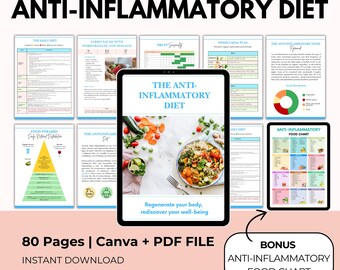
Credit: www.etsy.com
Benefits Of An Anti-inflammatory Diet
An anti-inflammatory diet offers many health benefits. It helps the body fight inflammation, which can cause many illnesses. This diet focuses on natural foods that support overall well-being. Following an anti-inflammatory diet can improve how you feel every day. It can help reduce pain and increase energy naturally.
Reducing Chronic Inflammation
Chronic inflammation can harm organs and tissues over time. This diet includes foods that lower inflammation markers in the body. Ingredients like fruits, vegetables, and healthy fats calm inflammation. Reducing inflammation helps protect against diseases like arthritis and heart problems. Eating this way supports long-term health and fewer aches.
Boosting Immune Function
An anti-inflammatory diet strengthens the immune system. It provides vitamins and antioxidants that fight infections. Foods rich in nutrients help the body respond better to viruses and bacteria. A strong immune system means fewer colds and quicker recovery times. This diet keeps your defenses ready and active.
Enhancing Energy Levels
This diet improves energy by stabilizing blood sugar levels. It avoids processed foods that cause energy crashes. Whole grains, nuts, and lean proteins provide steady fuel throughout the day. Feeling more energetic helps with focus and daily tasks. Eating anti-inflammatory foods supports a more active lifestyle.
Key Principles Of The 21 Day Plan
The 21 Day Anti-Inflammatory Diet focuses on reducing inflammation through smart food choices and balanced eating habits. It encourages foods that calm the body and avoids those that trigger inflammation. The plan also guides on meal timing and portion control to support digestion and energy levels.
Foods To Embrace
- Fresh vegetables like spinach, kale, and broccoli
- Fruits such as berries, oranges, and apples
- Whole grains like brown rice and quinoa
- Healthy fats from olive oil, avocados, and nuts
- Lean proteins including fish, chicken, and legumes
- Herbs and spices like turmeric, ginger, and garlic
- Green tea and plenty of water for hydration
Foods To Avoid
- Processed foods with added sugars and unhealthy fats
- Refined grains such as white bread and pastries
- Fried foods and fast food items
- Red and processed meats like sausages and bacon
- Excessive dairy products, especially full-fat versions
- Sugary drinks, sodas, and artificial sweeteners
- Excess salt and high-sodium packaged snacks
Meal Timing And Portions
Eat regular meals spaced evenly throughout the day. Avoid skipping meals to maintain steady blood sugar. Focus on smaller portions to avoid overeating. Fill half your plate with vegetables and fruits. Use lean proteins and whole grains to balance your meals. Drink water before and during meals to aid digestion.
Top Anti-inflammatory Foods
Choosing the right foods plays a key role in reducing inflammation. Certain foods contain compounds that help calm your body and protect against chronic diseases. A diet rich in natural, anti-inflammatory foods supports overall health and energy. Here are the top food groups to focus on for an anti-inflammatory diet.
Fruits And Vegetables
Colorful fruits and vegetables pack antioxidants and vitamins. These nutrients fight inflammation and support the immune system. Berries, cherries, oranges, and apples are great choices. Leafy greens like spinach, kale, and broccoli also help reduce inflammation. Bright vegetables like bell peppers and carrots add more protective nutrients.
Healthy Fats And Oils
Healthy fats lower inflammation and support brain health. Olive oil is a popular anti-inflammatory oil. It contains compounds that reduce swelling and improve heart health. Avocados provide monounsaturated fats and antioxidants. Nuts and seeds offer omega-3 fatty acids, which are powerful inflammation fighters.
Whole Grains And Proteins
Whole grains provide fiber that supports gut health and lowers inflammation. Brown rice, quinoa, and oats are excellent examples. Lean proteins like chicken and turkey reduce inflammation compared to processed meats. Fatty fish such as salmon and mackerel are rich in omega-3s. Plant-based proteins like beans and lentils add fiber and nutrients, helping to calm inflammation.
Sample Daily Meal Plans
Sample daily meal plans offer a clear guide to following the 21 Day Anti-Inflammatory Diet. They show how to combine foods that reduce inflammation and boost health. These plans help keep meals balanced, tasty, and easy to prepare.
Each meal includes ingredients rich in antioxidants, healthy fats, and fiber. These meals support your body’s fight against inflammation. The variety also prevents boredom and keeps you motivated.
Breakfast Ideas
- Oatmeal topped with fresh berries and a sprinkle of chia seeds
- Green smoothie with spinach, banana, and almond milk
- Whole-grain toast with avocado and a dash of turmeric
- Greek yogurt mixed with walnuts and sliced apple
Lunch Options
- Quinoa salad with cherry tomatoes, cucumber, and olive oil
- Grilled chicken breast with steamed broccoli and sweet potato
- Lentil soup with carrots, celery, and garlic
- Mixed greens with salmon, avocado, and lemon dressing
Dinner Recipes
- Baked salmon with roasted Brussels sprouts and quinoa
- Stir-fried tofu with bell peppers, broccoli, and ginger
- Turkey chili with kidney beans, tomatoes, and spices
- Vegetable curry with cauliflower, spinach, and brown rice
Snack Suggestions
- Handful of almonds or walnuts
- Carrot sticks with hummus
- Fresh fruit such as orange or pear
- Seaweed snacks or roasted chickpeas
Tips For Staying On Track
Sticking to the 21 Day Anti-Inflammatory Diet can feel tough. Simple tips help keep you focused and motivated. Small changes in daily habits make a big difference. These tips support your journey to better health and less inflammation.
Meal Prep Strategies
Preparing meals ahead saves time and reduces stress. Cook large batches of anti-inflammatory foods like quinoa, sweet potatoes, and steamed veggies. Store portions in containers for quick access. Keep healthy snacks like nuts and fruits ready to avoid unhealthy choices. Use a shopping list focused on whole, fresh ingredients to avoid impulse buys.
Managing Cravings
Cravings can challenge your diet goals. Drink water first to check if you feel hungry or thirsty. Choose anti-inflammatory snacks like berries or a handful of almonds. Distract yourself with a short walk or a hobby. Keep tempting foods out of sight to avoid temptation. Remind yourself why you started the diet to stay strong.
Incorporating Physical Activity
Exercise supports your anti-inflammatory efforts. Aim for simple activities like walking, stretching, or yoga. Move your body daily, even if just for 10 minutes. Physical activity helps reduce inflammation and improves mood. Find activities you enjoy to make exercise a habit, not a chore.
Common Challenges And Solutions
Sticking to the 21 Day Anti-Inflammatory Diet PDF can be tough, especially when real life throws curveballs. You might face challenges like eating out with friends, managing unexpected food sensitivities, or juggling the plan with a busy lifestyle. Identifying these hurdles early lets you find smart, practical solutions that keep you on track without feeling overwhelmed.
Dealing With Social Situations
Social events often revolve around food that doesn’t fit your anti-inflammatory plan. Instead of skipping gatherings, try bringing a dish that meets your dietary needs. This way, you’ll always have something safe to eat and can introduce others to tasty, healthy options.
Communicate your goals with friends and family. You might be surprised how supportive they are once they understand your commitment. When dining out, check menus in advance and choose restaurants with flexible options or ask for simple swaps.
Handling Food Sensitivities
Food sensitivities can make the diet feel restrictive, but they don’t have to stop your progress. Keep a food diary to track what triggers discomfort and adjust the plan accordingly. For example, if nightshades upset your stomach, swap them for other anti-inflammatory veggies like zucchini or spinach.
Consulting with a nutritionist can help tailor the diet to your unique needs. They can suggest alternatives that provide similar benefits without causing issues. Listening to your body is key—you know best what works and what doesn’t.
Adjusting The Plan For Busy Schedules
Busy days can make meal prep seem impossible. Simplify your routine by batch cooking meals or prepping ingredients ahead of time. Even just chopping veggies or making dressings in advance saves valuable minutes during the week.
Use quick recipes from the PDF that require minimal cooking, like smoothies or salads. Keep anti-inflammatory snacks handy to avoid grabbing unhealthy options when time runs out. Could reorganizing your kitchen or meal times make sticking to the plan easier?
Tracking Progress And Results
Tracking your progress during the 21 Day Anti-Inflammatory Diet is essential to understand how your body responds and to stay motivated. Paying attention to changes in your inflammation symptoms and overall well-being helps you adjust your diet and lifestyle more effectively. Let’s look at practical ways to keep track of your results and know when to reach out for professional support.
Monitoring Inflammation Symptoms
Keep a close eye on common inflammation signs like joint pain, swelling, fatigue, and skin changes. Notice if these symptoms improve, worsen, or stay the same as you follow the diet.
Ask yourself questions such as:
- Are my joints feeling less stiff in the morning?
- Is my energy level more consistent throughout the day?
- Have any skin irritations decreased?
Tracking these details daily or weekly can reveal patterns that guide your next steps.
Using Journals And Apps
Writing down your food intake and symptoms in a journal can clarify what works best for your body. You might discover that certain foods cause flare-ups or that some meals boost your energy.
If you prefer technology, apps designed for diet tracking provide easy ways to log meals and symptoms. Many apps offer reminders and charts, making it simple to visualize your progress over the 21 days.
Consider adding notes about your mood and sleep quality too, since inflammation often affects these areas.
When To Seek Professional Advice
If you notice no improvement or your symptoms worsen after a week or two, it’s important to consult a healthcare professional. Persistent inflammation might require medical tests or tailored treatments beyond diet changes.
Also, if you experience new symptoms like severe pain, unexplained weight loss, or skin rashes, don’t delay reaching out to your doctor. Your health journey benefits from their guidance alongside your self-monitoring efforts.
How often do you check in with yourself about your symptoms? Making this a regular habit can empower you to take control of your inflammation and overall health.

Credit: www.amazon.com
Accessing And Using The Pdf Guide
Accessing and using the 21 Day Anti-Inflammatory Diet PDF guide is straightforward and designed to fit seamlessly into your lifestyle. This guide offers clear instructions and practical tips to help you reduce inflammation through your diet. Knowing how to download, navigate, and customize the plan can make your journey smoother and more effective.
Downloading The Guide
Start by locating the download link provided on the website or platform offering the 21 Day Anti-Inflammatory Diet PDF. Make sure you have a stable internet connection to avoid interruptions during the download. Once downloaded, save the file in an easily accessible folder on your device for quick reference.
If you prefer, you can also print the PDF to have a physical copy handy in your kitchen or planner. This way, you can jot down notes or highlight sections that resonate most with your goals.
Navigating The Content
The guide is organized into clear sections, such as meal plans, recipes, shopping lists, and tips for staying on track. Use the table of contents to jump directly to the part you need, whether it’s breakfast ideas or snack options. Each section is designed to be easy to understand and implement, even if you’re new to anti-inflammatory eating.
Have you ever skipped a diet plan because it felt overwhelming? This guide breaks things down into manageable steps, helping you avoid that frustration. Take your time exploring recipes and meal ideas that excite you.
Customizing The Plan To Fit Your Needs
No two bodies are the same, so adapting the plan is key to success. You can swap out ingredients based on your preferences or any food sensitivities you have. For example, if you’re allergic to nuts, the guide suggests alternative sources of healthy fats.
Ask yourself: Which meals fit best into your daily routine? Adjust portion sizes or meal timings to match your energy needs. The flexibility of this PDF allows you to build a personalized anti-inflammatory diet that feels natural, not restrictive.

Credit: www.amazon.com
Frequently Asked Questions
What Is The 21 Day Anti-inflammatory Diet Pdf?
The 21 Day Anti-Inflammatory Diet PDF is a downloadable guide. It provides meal plans, recipes, and tips to reduce inflammation naturally. This diet focuses on whole foods like fruits, vegetables, and healthy fats. It aims to improve overall health and reduce chronic inflammation.
How Does The 21 Day Anti-inflammatory Diet Work?
This diet works by eliminating inflammatory foods like sugar and processed items. It emphasizes anti-inflammatory ingredients such as turmeric, leafy greens, and omega-3 rich foods. The plan promotes balanced meals to support immune health and reduce pain and swelling over 21 days.
Who Can Benefit From The 21 Day Anti-inflammatory Diet?
Anyone experiencing chronic inflammation, joint pain, or digestive issues can benefit. It also suits those wanting to improve heart health or lose weight naturally. The diet is safe for most adults but consulting a healthcare provider is recommended before starting.
Is The 21 Day Anti-inflammatory Diet Pdf Easy To Follow?
Yes, the PDF offers simple recipes and clear meal plans. It requires basic cooking skills and common ingredients. The structured 21-day timeline helps users stay motivated. This format makes adopting anti-inflammatory habits manageable and sustainable.
Conclusion
The 21 Day Anti-Inflammatory Diet PDF offers clear, easy steps to follow. It helps reduce inflammation and improve your health. Eating the right foods can boost energy and feel better daily. This plan fits well into busy lives and simple kitchens.
Small changes make a big difference over three weeks. Stay consistent and notice how your body responds. A healthier, calmer you is possible with this guide. Try it to support your wellness journey and feel renewed.







